Chiaroscuro expansions: dramatic interplay of dark and light in spatial design
Chiaroscuro Expansions: The Dramatic Interplay of Dark and Light in Spatial Design
In the world of contemporary architecture and interior design, light has long been celebrated as the ultimate sculptor of space. Yet, as designers increasingly embrace sensory depth and emotional resonance, darkness is stepping into the spotlight—literally. The chiaroscuro effect, a term borrowed from Renaissance painting, is being reinterpreted for the built environment. Architects and interior designers are exploring how the tension between shadow and illumination can define mood, shape perception, and imbue interiors with theatrical vitality. This nuanced orchestration of contrast—what we might call chiaroscuro spatial design—is emerging as one of the most evocative trends of the decade.
The Return of Shadow as a Design Medium
In an era dominated by transparency, open plans, and the relentless pursuit of natural light, the reintroduction of shadow feels almost radical. Yet, as Japanese architect Tadao Ando once noted, “Light is the origin of architecture.” Its absence, therefore, becomes equally powerful. The chiaroscuro approach reframes shadow not as a void, but as a material presence—a spatial texture that defines edges, creates intimacy, and invites contemplation.
This renewed appreciation for darkness aligns with a broader cultural shift toward sensory balance. As the overstimulation of digital life accelerates, designers are rediscovering the emotional potency of restraint. Projects like Kengo Kuma’s V&A Dundee or John Pawson’s monastic interiors demonstrate how muted light and deep tonal contrasts can foster serenity and introspection. The chiaroscuro palette—blackened oak, oxidized steel, soft amber light—becomes a language of calm sophistication.
Light as Architecture: Sculpting Atmosphere
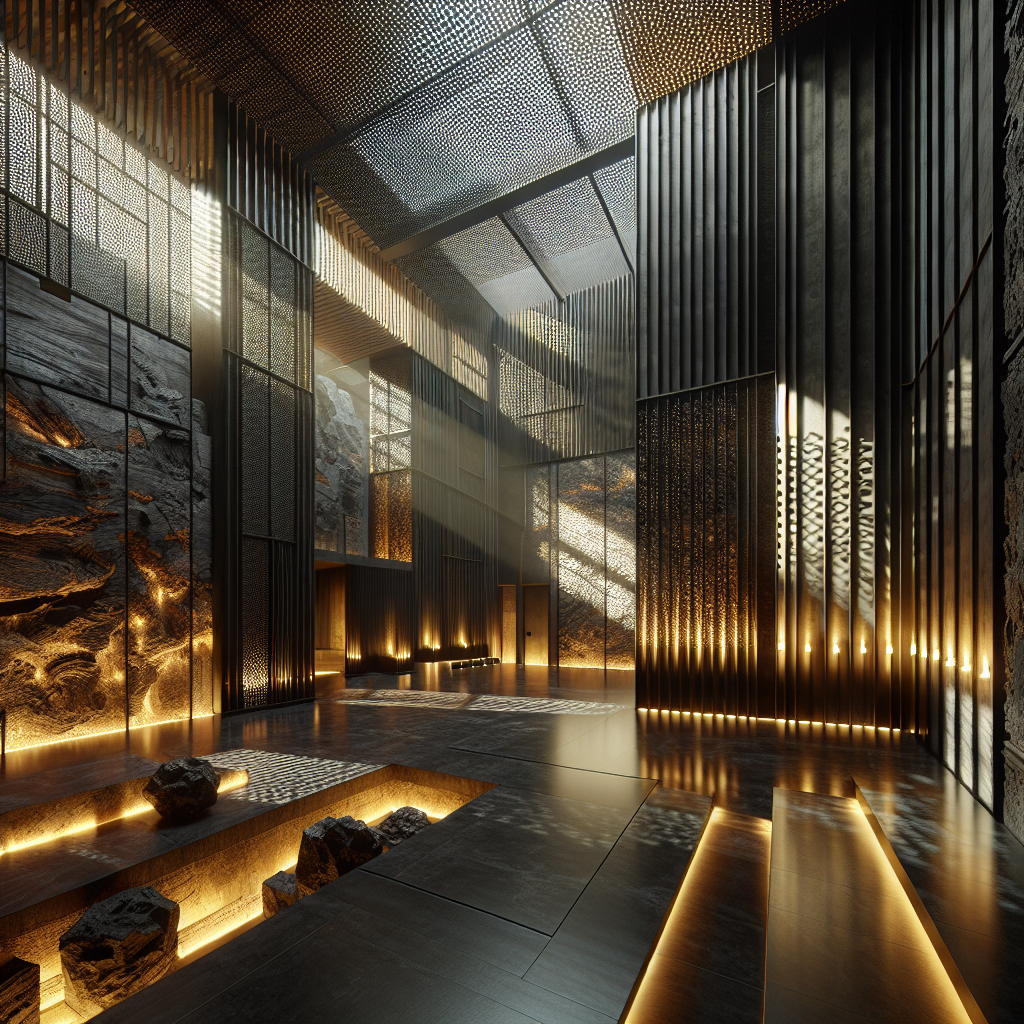
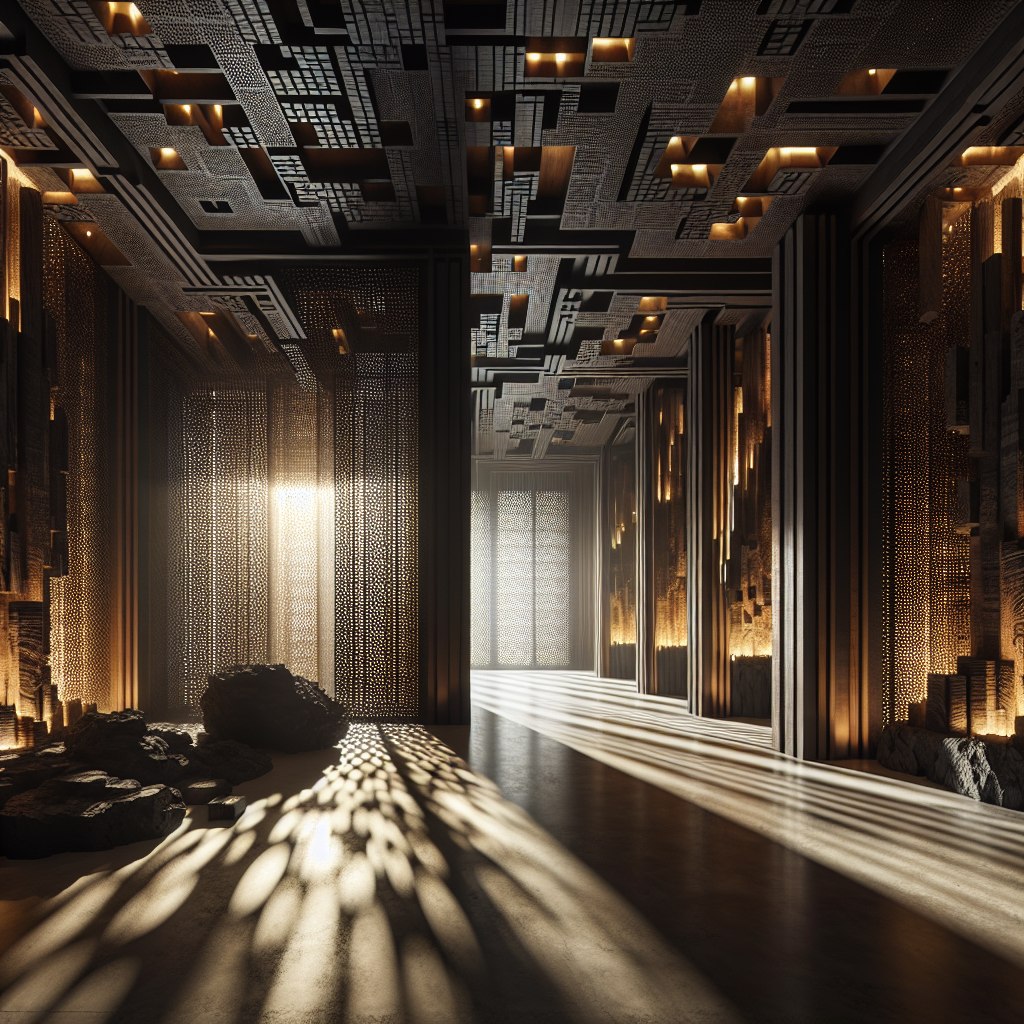
The chiaroscuro technique originated in art as a means to model form through light and shadow. In architecture, it has evolved into a tool for atmospheric composition. Light no longer merely reveals space; it constructs it. Consider the play of sunlight filtered through perforated screens in Middle Eastern courtyards, or the dappled glow of bamboo latticework in contemporary Japanese homes. These designs transform illumination into an architectural event—one that changes with the hour, the season, and the observer’s movement.
Digital technologies have expanded this vocabulary further. Responsive lighting systems, LED gradients, and kinetic facades now allow designers to choreograph light dynamically. As explored in architectural projection design, light can become a narrative medium, turning buildings into living canvases. The chiaroscuro principle, once static, now breathes with motion and emotion.
Materiality and the Depth of Darkness
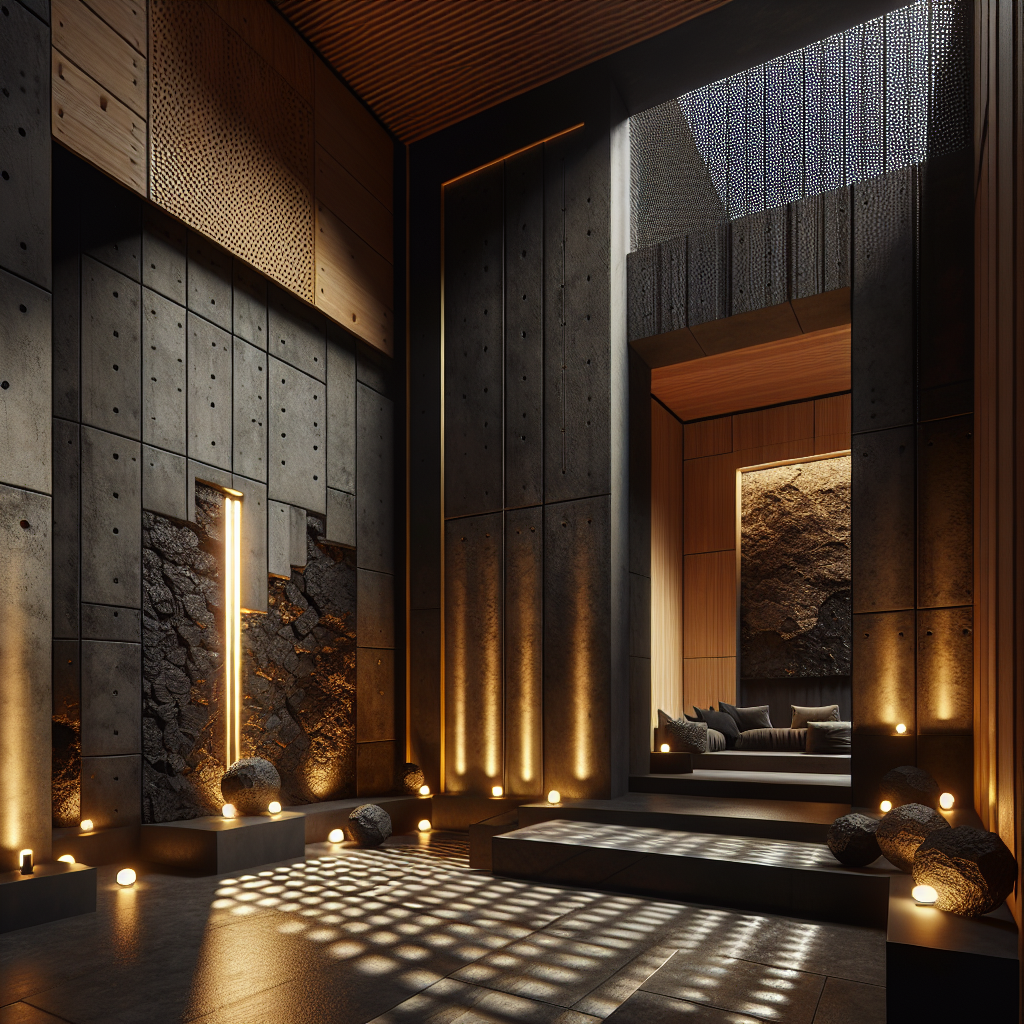
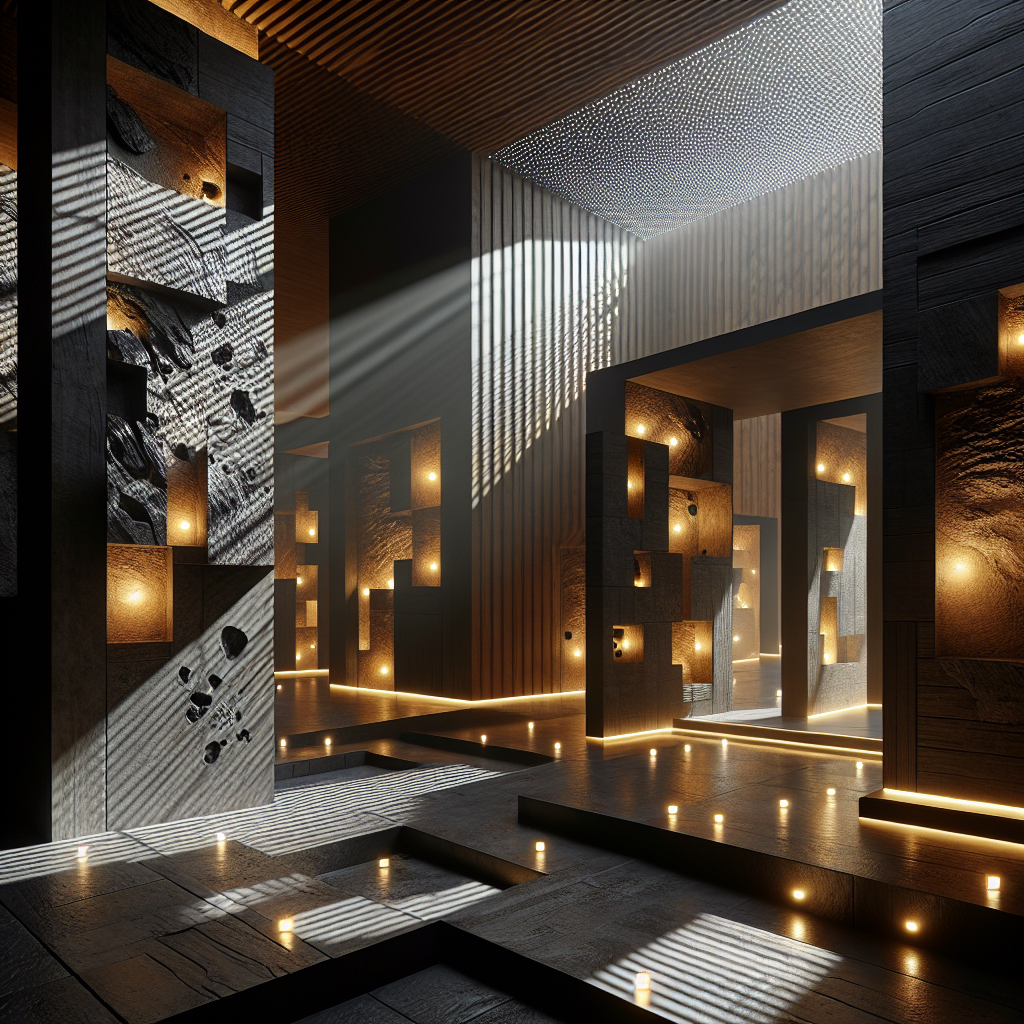
The material dimension of chiaroscuro design is equally critical. Darkness, when paired with tactile richness, becomes sensual rather than oppressive. Charred timber, smoked glass, and basalt stone absorb light differently, creating gradients of reflection and absorption that evoke depth and warmth. The rise of the black house phenomenon—homes clad in charred wood or matte black steel—illustrates how darkness can project both elegance and environmental sensitivity. The technique of shou sugi ban, an ancient Japanese method of wood preservation through charring, exemplifies this duality: aesthetic drama meets sustainable practice.
In interiors, designers are embracing layered lighting strategies to accentuate material contrasts. Recessed LED strips grazing rough plaster, pendant lights illuminating marble veins, or concealed uplights revealing vaulted ceilings—all evoke a cinematic tension between concealment and revelation. This approach aligns with the rise of sensory design, where tactility and light interplay to engage multiple senses simultaneously.
Psychological Resonance: The Drama of Perception
Beyond aesthetics, chiaroscuro spatial design taps into the psychology of perception. Studies in environmental psychology suggest that varying light levels can influence mood, focus, and even social behavior. Bright, evenly lit spaces encourage activity and openness, while dimly lit environments promote reflection and intimacy. The chiaroscuro approach thus becomes a tool for emotional modulation, enabling designers to choreograph human experience through light.
Restaurants, galleries, and hospitality spaces are increasingly leveraging this insight. The low-lit intimacy of Noma’s Copenhagen dining room or the shadow-dappled corridors of Aman Tokyo evoke mystery and exclusivity. These spaces invite guests to slow down, to engage more deeply with their surroundings. In residential design, chiaroscuro compositions can delineate zones of rest and activity without physical partitions—using light gradients as invisible architecture.
Technological Chiaroscuro: The Digital and the Ethereal
The digital age has redefined how designers manipulate light. Computational modeling and parametric design tools allow for precise simulation of light behavior across materials and surfaces. Architects can now predict how a shaft of morning light will strike a wall in midwinter, or how an LED installation will shift mood across a day. This technological mastery has given rise to a new genre of digital chiaroscuro—spaces that respond to data, movement, or sound.
For instance, kinetic facades equipped with responsive panels can modulate daylight dynamically, creating a living chiaroscuro that evolves with the city’s rhythm. Such innovations echo the ideas explored in responsive architecture, where adaptability and emotion converge. The result is a built environment that feels alive—an architecture that breathes, dims, and glows in dialogue with its inhabitants.
Global Inspirations and Cultural Echoes
The chiaroscuro ethos resonates across cultures and epochs. In the Baroque churches of Rome, shafts of divine light pierced through domes to dramatize faith. In traditional Japanese tea houses, shadowed alcoves framed moments of stillness. In Scandinavian design, long winters have cultivated a reverence for the golden glow of candlelight against pale wood. Each culture interprets the interplay of light and dark as a reflection of its values—spiritual, aesthetic, or environmental.
Today’s designers draw from this global archive to craft spaces that feel both timeless and contemporary. The chiaroscuro expansion is not a stylistic fad but a philosophical return—a recognition that beauty often resides in contrast, and that the most profound experiences emerge from the dialogue between presence and absence.
Chiaroscuro in the Age of Sustainability
Interestingly, the chiaroscuro movement dovetails with sustainability. By embracing shadow and minimizing reliance on artificial lighting, designers can reduce energy consumption while enhancing spatial drama. Daylight harvesting, passive shading, and reflective surfaces are being reimagined not just as green strategies but as aesthetic opportunities. This convergence of ecology and emotion echoes the principles of biophilic design, where natural light and organic rhythms nurture human well-being.
Moreover, the material palette of chiaroscuro design—natural stone, reclaimed wood, low-VOC finishes—reinforces the connection between sustainability and sensuality. The darkness of these materials is not merely visual; it carries the patina of authenticity, the tactile memory of the earth.
The Future of Light and Shadow
As we move deeper into the 2020s, the chiaroscuro approach is shaping not only interiors but entire urban identities. Cities like Tokyo, Copenhagen, and Milan are witnessing a resurgence of moody minimalism—spaces that reject uniform brightness in favor of layered atmospheres. Lighting designers are collaborating with architects to craft environments that shift from day to night with poetic precision. The line between art installation and architecture continues to blur, suggesting a future where every building becomes a stage for light’s performance.
In this evolving narrative, chiaroscuro design stands as both a rebellion and a reconciliation: a rebellion against visual homogeneity, and a reconciliation between technology and emotion, sustainability and sensuality. It reminds us that architecture is not only about what we see, but about what we feel in the spaces between light and shadow.
In the end, the mastery of chiaroscuro in spatial design is not about brightness or darkness alone—it is about balance. It is about crafting atmospheres that linger in memory, spaces that reveal themselves slowly, and experiences that invite reflection. As the world seeks calm amidst chaos, the dance of light and shadow offers a timeless choreography for the architecture of emotion.
By embracing chiaroscuro, designers are not merely shaping spaces—they are sculpting perception itself.