
Caressed by concrete: smooth trowel finishes for organic-like surfaces
Caressed by Concrete: Smooth Trowel Finishes for Organic-Like Surfaces
Concrete, once the emblem of industrial austerity, has evolved into a material of sensual tactility and sculptural grace. The smooth trowel finish—once reserved for utilitarian floors and facades—has become a defining texture in contemporary architecture and interior design. It evokes the fluidity of stone shaped by centuries of erosion, the softness of clay molded by hand, and the quiet permanence of geological time. In the hands of today’s designers, concrete is no longer cold or rigid; it is caressed into being.
The Renaissance of Concrete Craft
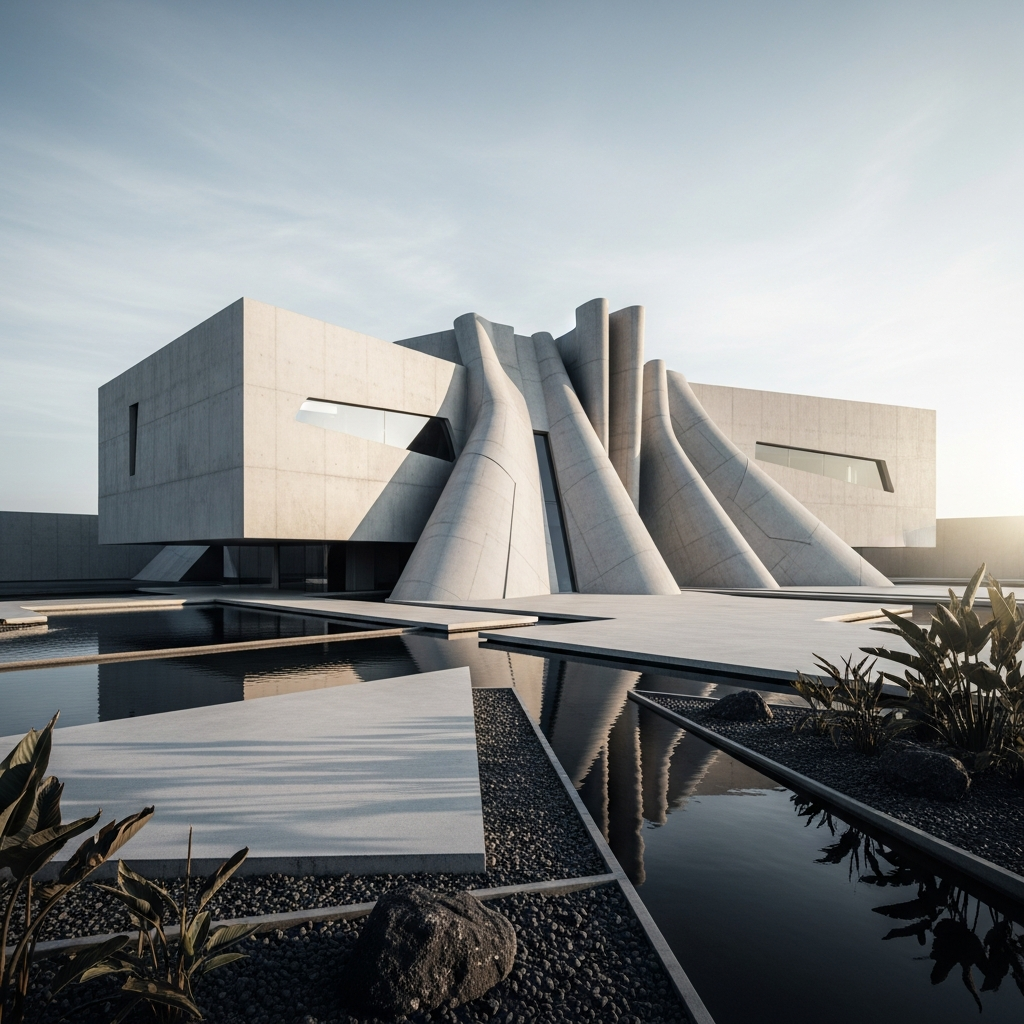
Over the past decade, concrete has undergone a remarkable reappraisal. Architects and designers have rediscovered its expressive potential, embracing its imperfections and tonal subtleties. The smooth trowel finish—achieved through meticulous layering, polishing, and hand-troweling—creates surfaces that appear simultaneously solid and supple. These finishes are now integral to projects that seek a dialogue between the natural and the man-made, the minimal and the organic.
From Brutalist architecture to the minimalist interiors of contemporary Japan, concrete has always been a material of paradoxes. Yet, the current movement toward organic-like surfaces redefines its aesthetic identity. The new concrete is not about monumentality; it’s about intimacy. It invites touch, reflects light like silk, and resonates with the quiet rhythm of handcrafted design.
Material Alchemy: The Art of the Smooth Trowel
At its core, the smooth trowel finish is a dialogue between craftsmanship and chemistry. The process begins with a refined concrete mix—often enriched with lime, microfibers, or pigments—that allows for pliability and depth. Once poured, the surface is hand-troweled in multiple passes, each stroke compressing and polishing the material until it achieves a subtle sheen. The result is a surface that feels almost alive: matte yet luminous, dense yet soft to the eye.
Designers such as Tadao Ando and John Pawson have long championed this approach, transforming concrete into a medium of serenity. In Ando’s Church of the Light, the smooth concrete walls are not mere structure—they are atmosphere. The interplay of shadow and reflection across their surfaces becomes a spiritual experience, proof that texture can be as emotive as form.
Organic Geometry: When Concrete Mimics Nature
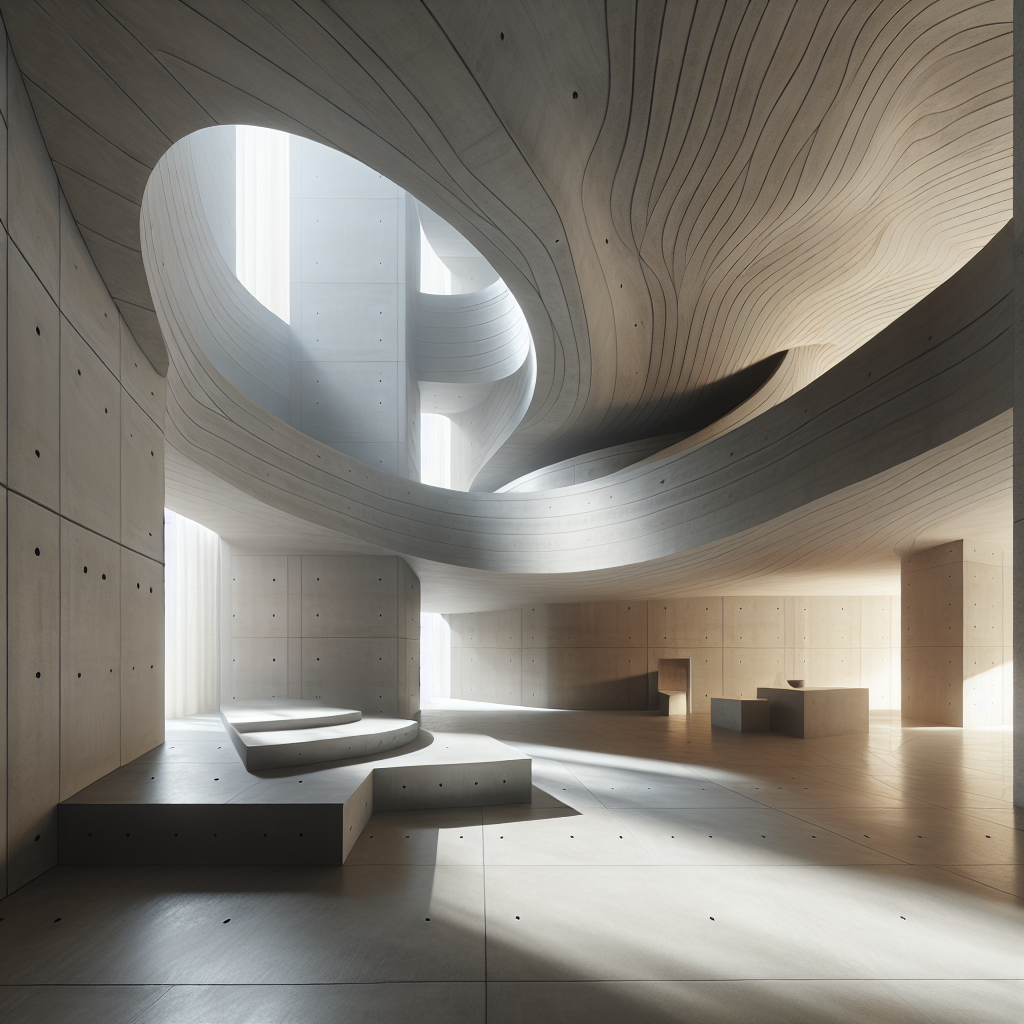
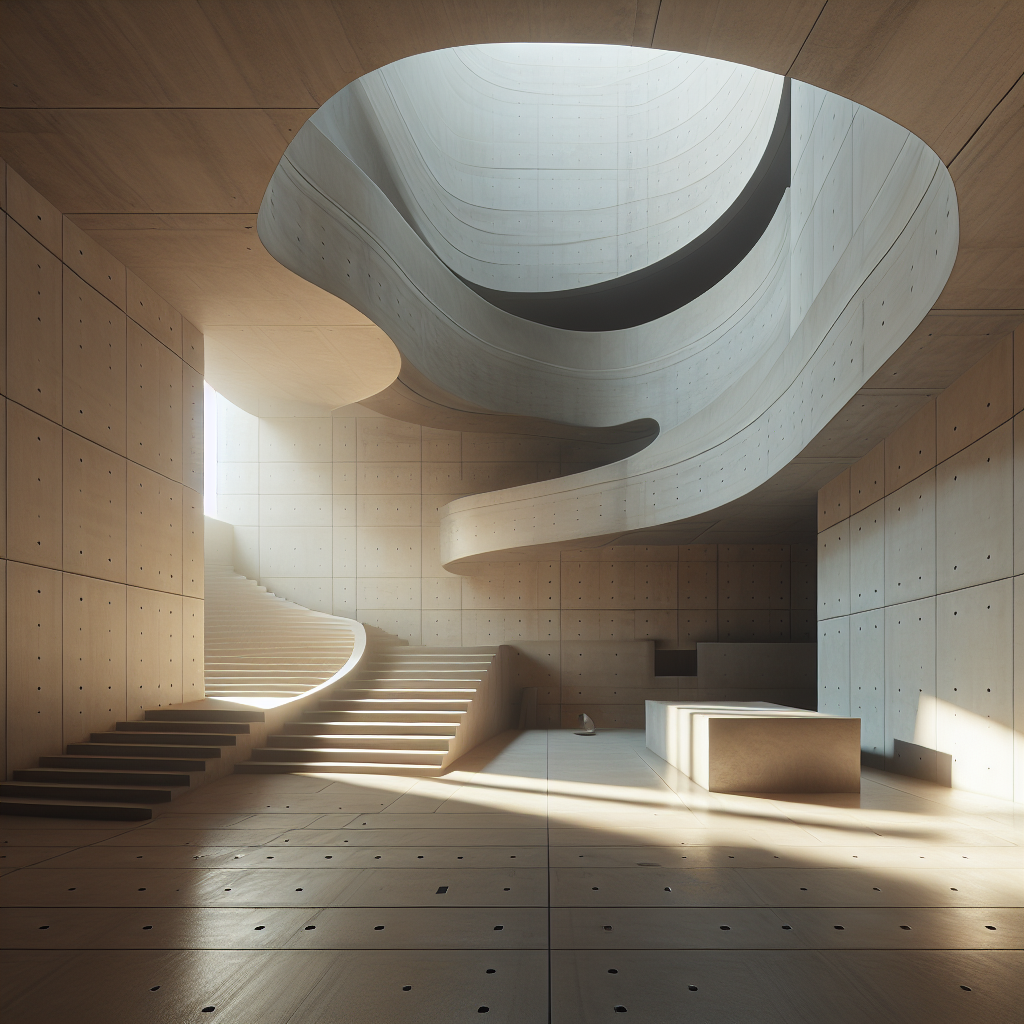
What makes the smooth trowel finish so compelling today is its ability to evoke natural phenomena. The technique’s subtle tonal variations resemble sedimentary layers or the polished skin of river stones. In interiors, these surfaces create a cocooning effect—an architectural equivalent of a second skin. They blur the boundaries between structure and sculpture, echoing the principles of biophilic design by fostering sensory connection with the environment.
Recent projects have taken this sensibility further, merging parametric design with artisanal finishing. Digital modeling defines the curvature of walls and ceilings, while hand-troweling restores the human touch. The result is a synthesis of precision and imperfection—an aesthetic that feels both futuristic and primal. As seen in the interiors of boutique hotels in Copenhagen and Kyoto, these spaces radiate calm through tactility rather than ornamentation.
From Brutalism to Soft Minimalism
The resurgence of smooth concrete finishes also reflects a broader cultural shift. Designers are moving away from the harshness of classic Brutalism toward what critics have termed soft minimalism—a language of restraint infused with warmth. This evolution parallels the growing interest in materials that balance durability and emotion. Concrete, when troweled to a near-liquid smoothness, becomes a metaphor for that balance: resilient yet yielding, industrial yet human.
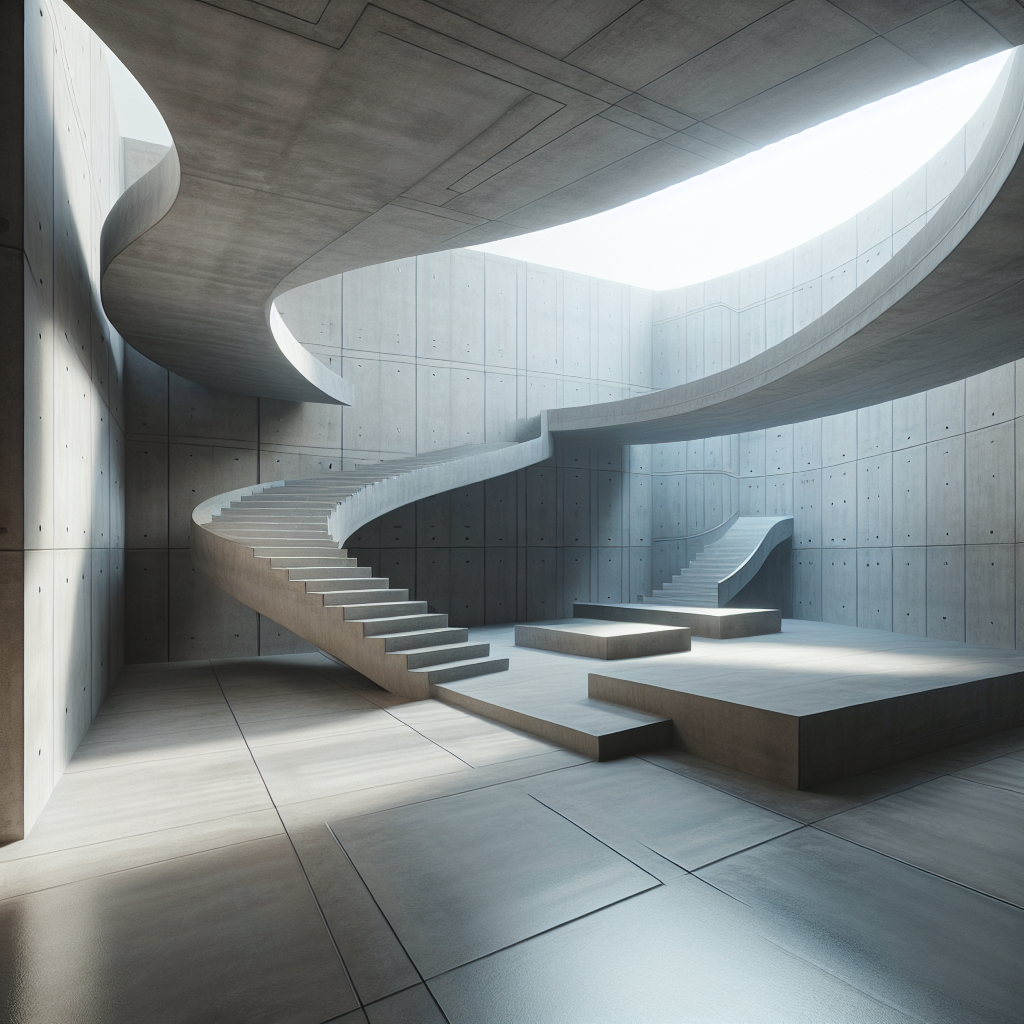
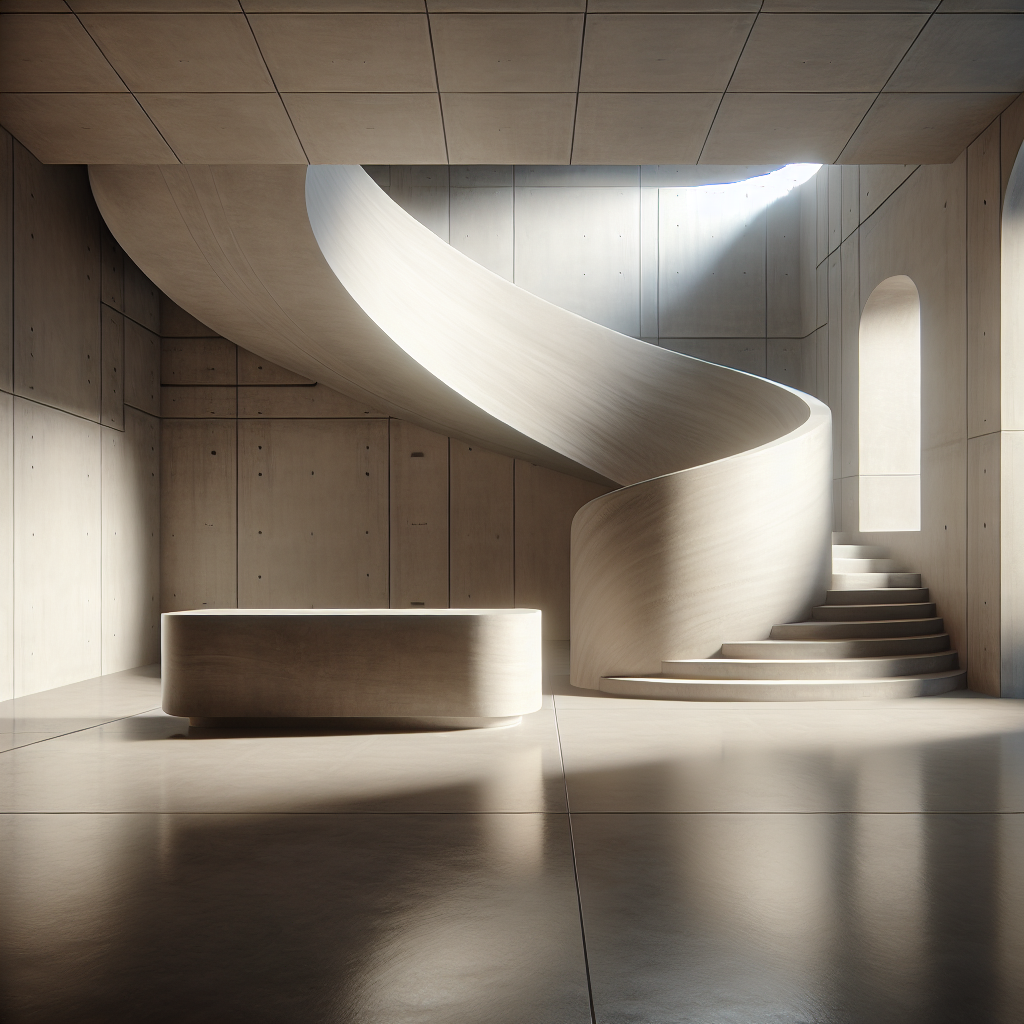
In residential architecture, this approach manifests in monolithic kitchen islands, curved staircases, and bathroom walls that appear carved from a single block. In commercial spaces, it translates into seamless counters and sculptural partitions that reflect light like water. The soft brutalism movement, which tempers raw concrete with tactile finishes and natural fibers, owes much of its emotional resonance to the artistry of the trowel.
Sustainability and the New Material Ethics
Beyond aesthetics, the smooth trowel finish aligns with the growing demand for sustainable and low-maintenance materials. Polished concrete floors, for instance, eliminate the need for additional coatings or coverings, reducing both waste and lifecycle costs. Advances in self-healing concrete and mineral-based sealants further enhance durability, ensuring that these surfaces age gracefully rather than deteriorate.
According to a 2025 report by the Global Cement and Concrete Association, innovations in carbon capture and alternative binders could reduce the industry’s emissions by up to 40% by 2030. This shift toward greener formulations complements the tactile revival of concrete: a material once criticized for its environmental impact is being reimagined as a sustainable, sensory-rich medium for modern living.
Case Studies: Sensual Solidity in Practice
In Mexico City, architect Frida Escobedo’s residential projects employ hand-troweled concrete walls that shimmer with a subtle pearlescence, capturing the city’s diffuse light. In Milan, boutique studios experiment with pigmented microcement finishes that mimic the chromatic depth of natural stone. Meanwhile, in Los Angeles, adaptive reuse projects transform industrial warehouses into serene living spaces through the use of smooth, reflective concrete surfaces that soften the urban grit.
These examples illustrate a shared philosophy: texture as narrative. Each trowel mark, each tonal shift, tells a story of human intervention within the geological continuum. It’s a return to material honesty, echoing the principles of the craftsmanship revival that has swept through design culture in recent years.
The Sensory Dimension of Space
In an era dominated by digital interfaces and virtual experiences, the appeal of tactile architecture has never been stronger. Smooth trowel concrete surfaces engage not only the eye but also the body. They invite touch, absorb sound, and modulate temperature, creating environments that feel inherently grounded. This sensory intelligence aligns with the growing movement toward sensory design, where materials are chosen as much for their emotional resonance as for their visual impact.
Designers are increasingly aware that surfaces shape behavior. A polished concrete bench encourages pause; a softly troweled wall invites a lingering hand. These subtle cues transform architecture from a static backdrop into an active participant in daily life. The smooth trowel finish, in this sense, becomes an instrument of human connection—a quiet reminder that design is not only seen but felt.
Concrete Futures: Toward a Tactile Modernity
As architecture continues to navigate the intersection of technology, sustainability, and emotion, the smooth trowel finish stands as a symbol of reconciliation. It bridges the digital and the handmade, the urban and the organic. Its growing presence in both residential and public architecture signals a collective yearning for authenticity in an increasingly virtual world.
Concrete, once the language of power and permanence, now speaks in whispers. It reflects a design ethos that values sensual minimalism—spaces that soothe rather than impress, that invite rather than impose. To be caressed by concrete is to experience the material not as matter, but as memory: a surface that holds the trace of every hand that shaped it, and every light that dances across it.
In the end, the smooth trowel finish is more than a technique—it is a philosophy. It reminds us that the future of design lies not in erasing the human touch, but in refining it.