
Architecture that grows: seeded facades germinating over time
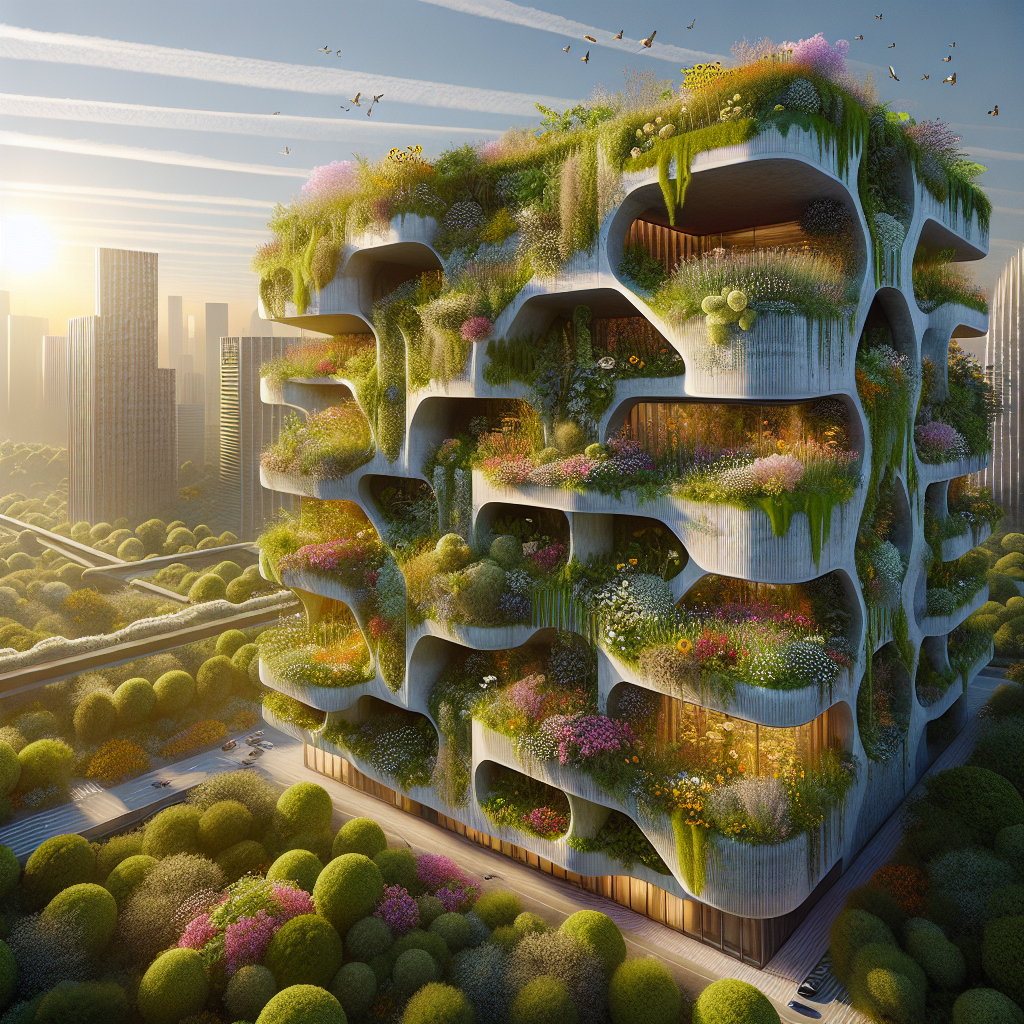
Architecture That Grows: Seeded Facades Germinating Over Time
In the evolving dialogue between architecture and ecology, a new frontier is taking root—literally. Seeded facades, living architectural skins designed to germinate and evolve over time, are redefining the relationship between the built environment and the natural world. These facades are not static claddings but dynamic ecosystems, merging material science, landscape design, and biological engineering into a single living surface. As the climate crisis accelerates and cities search for regenerative solutions, the concept of architecture that grows is shifting from experimental curiosity to a viable, sustainable design paradigm.
The Rise of Living Architecture
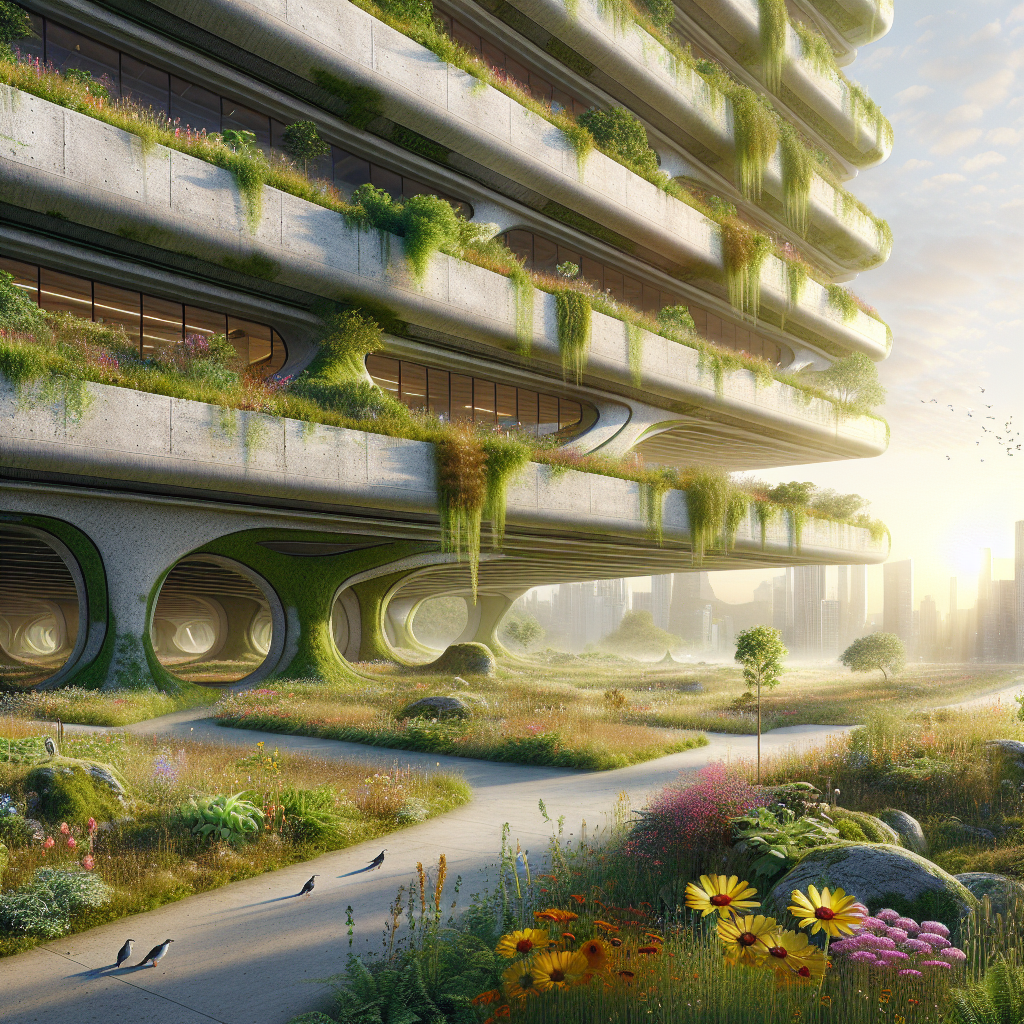
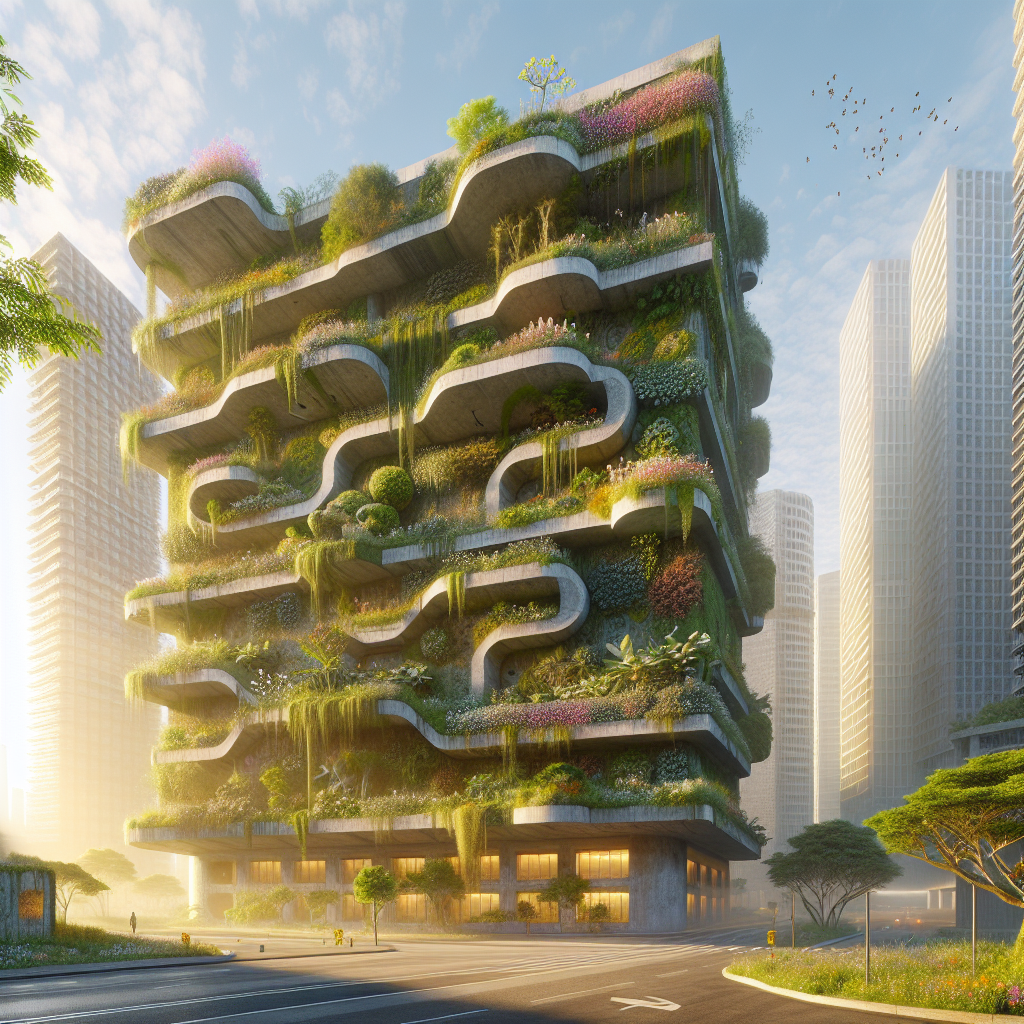
For decades, architects have sought to integrate nature into buildings—from Le Corbusier’s rooftop gardens to contemporary green roofs and vertical gardens. Yet seeded facades represent a more radical evolution. Instead of installing pre-grown vegetation, these systems embed seeds directly into the building’s surface—within bio-receptive concrete, clay composites, or biodegradable membranes—allowing flora to germinate naturally over time. The result is a structure that matures, adapts, and even self-heals as part of its life cycle.
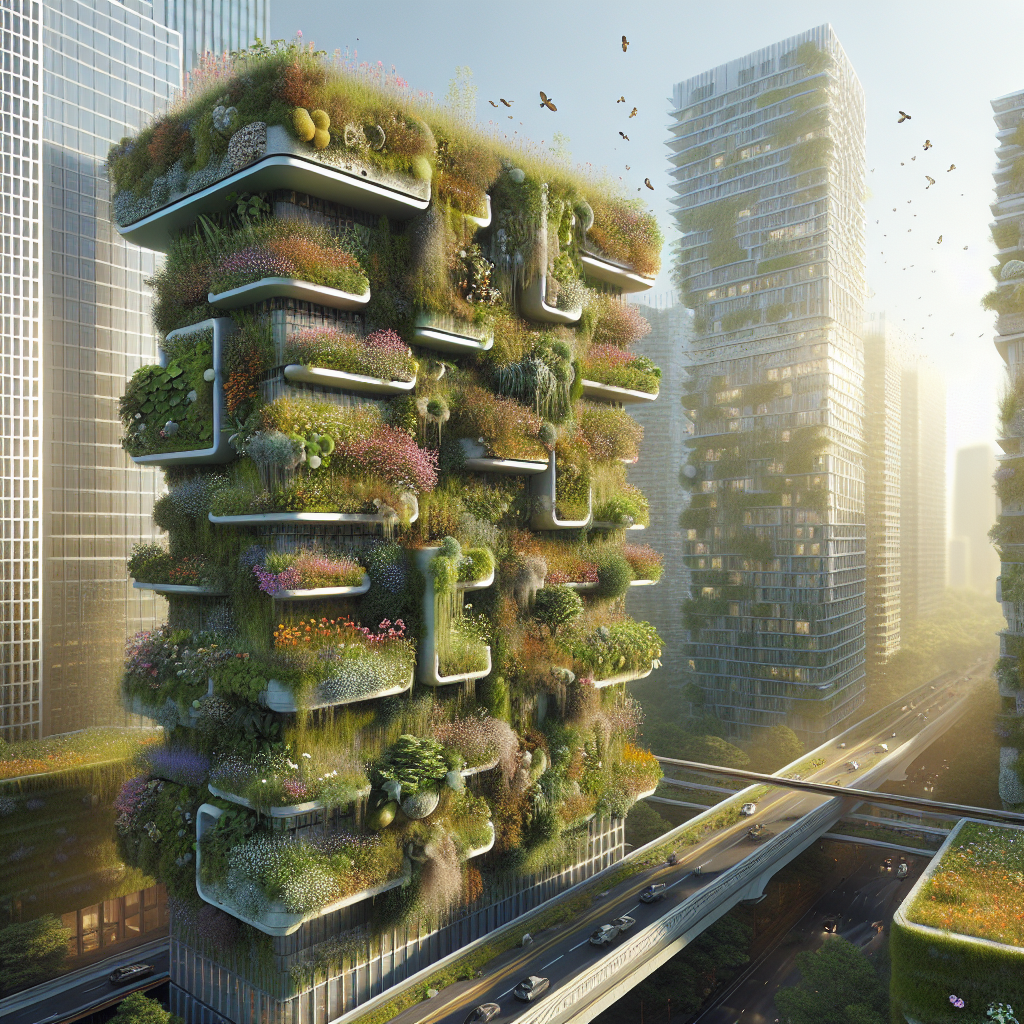
According to a 2025 report by the World Green Building Council, living architecture can reduce urban heat island effects by up to 40% and improve air quality by filtering fine particulate matter. Seeded facades take this further, offering a self-sustaining approach that minimizes maintenance and maximizes biodiversity. As these surfaces evolve, they create microhabitats for insects, birds, and mosses—transforming façades into vertical ecosystems.
Material Innovation: The Soil Within the Wall
The success of seeded facades lies in the materials that host them. Researchers at ETH Zurich and the Bartlett School of Architecture have been developing bio-receptive concrete—a porous, mineral-rich composite that encourages moss and lichen growth without structural degradation. This innovation echoes the ancient principles of vernacular desert architecture, where materials were chosen for their symbiosis with local climates rather than resistance to them.
In some projects, biodegradable binders derived from mycelium or algae replace cement entirely, enabling the façade to “breathe” and retain moisture. Over time, the surface darkens, softens, and sprouts life, forming a living patina that resists uniformity. The process recalls the Japanese concept of wabi-sabi—the beauty of impermanence—reinterpreted through ecological performance.
Case Studies: From Prototype to Practice
One of the most compelling examples of this approach is the BioSeed Pavilion in Rotterdam, completed in 2025 by Studio Symbiotica. The pavilion’s panels were fabricated from hempcrete infused with wildflower seeds native to the region. Within months of installation, the once-neutral walls erupted in color—an evolving mosaic of daisies, poppies, and clover that changed with the seasons. The project demonstrated how seeded architecture can serve both aesthetic and ecological functions, acting as a pollinator corridor in a dense urban district.
Similarly, the Rewilding Tower in Singapore integrates a vertical soil substrate within its façade cavities. Designed by WOHA Architects, the tower’s exoskeleton acts as a scaffold for native ferns and mosses that germinate from embedded spores. The building’s humidity sensors regulate irrigation, creating a self-balancing microclimate. The tower not only reduces energy consumption but also contributes to urban biodiversity—a critical concern in tropical megacities.
In Europe, the Living Wall Laboratory at the University of Sheffield continues to pioneer research into seeded facades. Their findings indicate that bio-receptive surfaces can support over 30 plant species without human intervention, offering a scalable model for retrofitting existing infrastructure. This approach aligns with the growing movement toward adaptive reuse, where sustainability is achieved through transformation rather than demolition.
Beyond Green Aesthetics: The Ethics of Growth
Seeded facades challenge conventional architectural authorship. Once the seeds are sown, the designer relinquishes control to nature’s unpredictable choreography. The building becomes a living organism—one that resists perfection and embraces entropy. This shift invites a new ethical framework for design, one that prioritizes coexistence over dominance.
As architect and theorist Anna Heringer notes, “To build with life is to accept that architecture is never finished.” This philosophy resonates with the ethos of biophilic design, which emphasizes the psychological and physiological benefits of connecting humans with natural processes. Studies published in the Journal of Environmental Psychology show that exposure to living surfaces can reduce stress levels by up to 15% and enhance cognitive performance in work environments.
In this sense, seeded facades are not merely decorative but restorative. They invite inhabitants to witness growth, decay, and renewal—cycles that mirror human experience. This living architecture reintroduces time as a design material, turning buildings into evolving narratives rather than static monuments.
Urban Ecology and the Future of Cities
As cities grapple with rising temperatures and declining biodiversity, the integration of seeded facades could redefine urban ecology. Imagine entire districts where walls bloom in spring, cool the air in summer, and compost themselves into new life by autumn. These façades could form part of a broader strategy of urban farming and rewilding, creating self-sustaining networks of vegetation that connect parks, rooftops, and streetscapes.
According to the UN-Habitat, over 68% of the global population will live in urban areas by 2050. The challenge lies in designing cities that not only accommodate growth but also regenerate ecosystems. Seeded architecture offers a poetic yet practical response—an architecture that doesn’t just occupy space but actively contributes to its environment.
Emerging technologies are amplifying this potential. Drones equipped with seed dispersal systems can “plant” facades across large surfaces, while sensors monitor soil moisture and nutrient levels. Combined with AI-driven irrigation, these systems could enable buildings to self-regulate their growth patterns, blurring the boundary between architecture and agriculture.
From Experiment to Mainstream
What began as an experimental niche is rapidly entering mainstream architectural discourse. Developers are recognizing the economic and environmental value of living façades, particularly in markets where green certifications such as LEED or BREEAM drive investment. Municipalities are also offering incentives for projects that enhance biodiversity and reduce heat absorption.
In this context, seeded facades complement other sustainable innovations such as timber skyscrapers and biodegradable architecture. Together, they signal a paradigm shift toward regenerative design—an approach that views buildings as active participants in ecological cycles rather than inert consumers of resources.
A Living Legacy
To stand before a seeded façade is to witness architecture in motion. A once-blank wall becomes a living canvas—its surface textured with moss, its crevices blooming with wildflowers, its scent shifting with the seasons. The building breathes, sweats, and ages with dignity. It is no longer a monument to human permanence but a collaboration with the earth itself.
As we enter an era defined by environmental urgency, architecture that grows offers a rare synthesis of beauty, science, and humility. It reminds us that the most enduring structures may not be those that resist time, but those that evolve with it.
Seeded facades are more than a trend; they are a manifesto for a living future—one where the city becomes a garden, and architecture, at last, learns to grow.
Keywords: seeded facades, living architecture, bio-receptive concrete, sustainable design, regenerative architecture, biophilic design, urban ecology