Aquatic Penthouses: Would You Live in a Submerged Glass City?
Aquatic Penthouses: Would You Live in a Submerged Glass City?
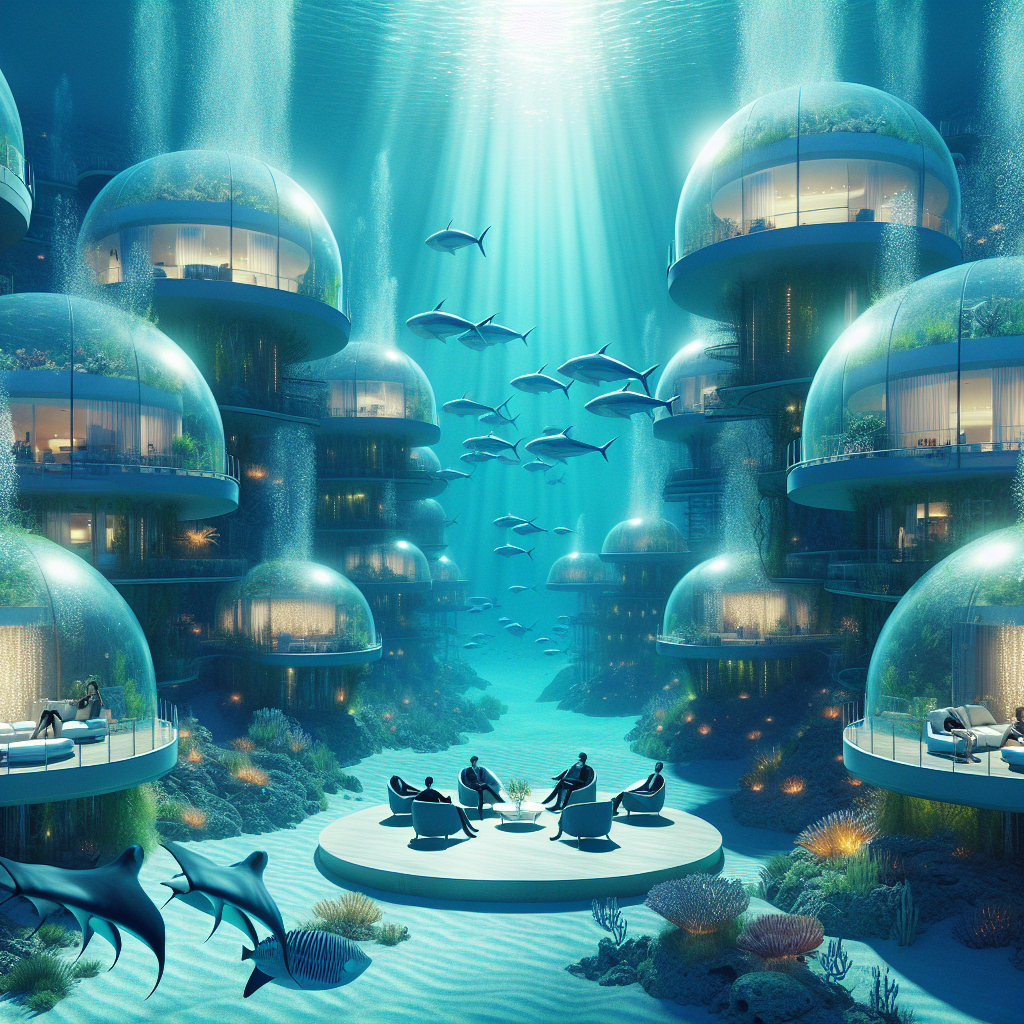
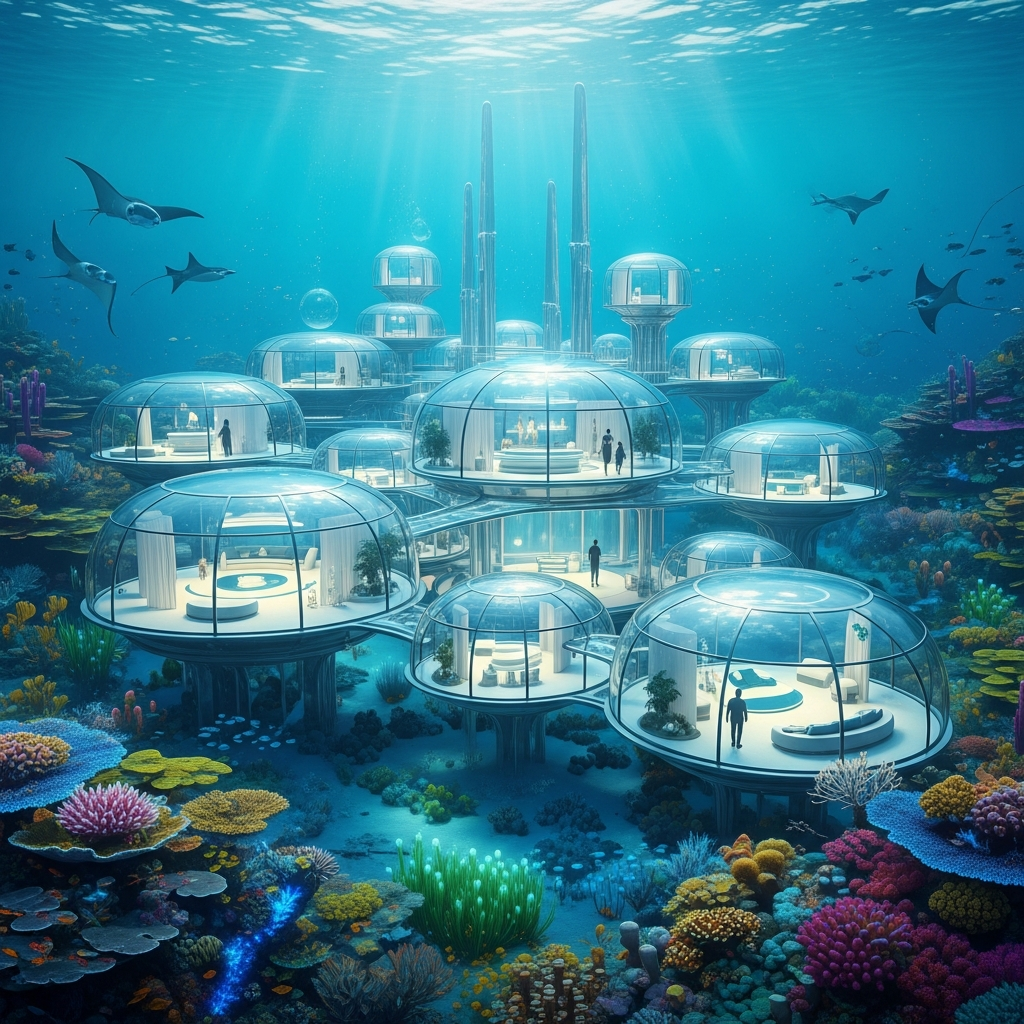
Imagine waking up to a world of liquid light—where your morning view isn’t a skyline, but a slow ballet of manta rays gliding past your window. The concept of aquatic penthouses—luxury dwellings submerged beneath the ocean’s surface—has shifted from speculative fiction to tangible architectural ambition. Once the domain of cinematic imagination, underwater living is now emerging as a provocative frontier in sustainable design, engineering, and human adaptability.
The Allure of Living Below the Surface
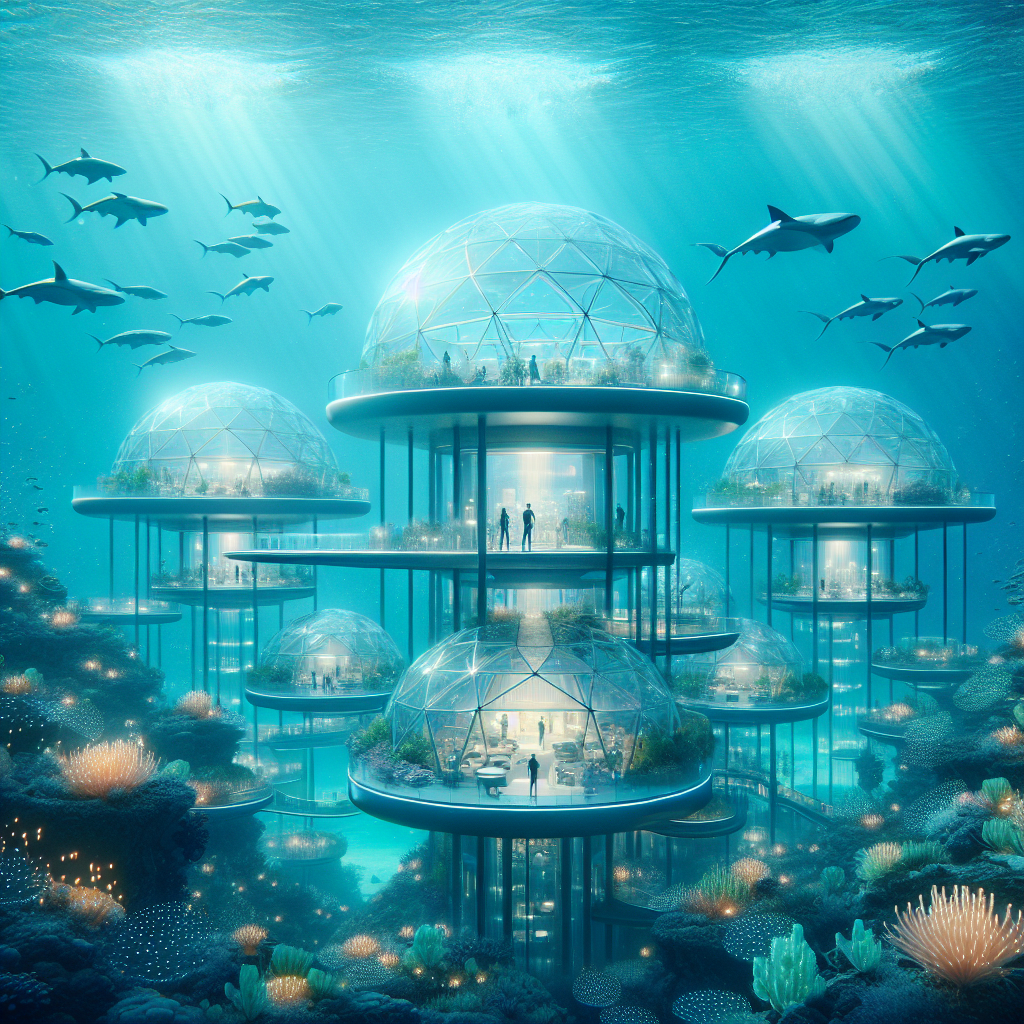
Submerged architecture taps into an ancient fascination with the sea as both a mystery and a mirror. Today’s architects are translating that allure into inhabitable art. Projects like the Water Discus Hotel in Dubai and the Muraka Residence in the Maldives have proven that underwater living can transcend novelty, offering a serene, biophilic connection to marine ecosystems. These spaces are not just about luxury—they represent a radical rethinking of urban expansion in a world increasingly constrained by land scarcity and rising sea levels.
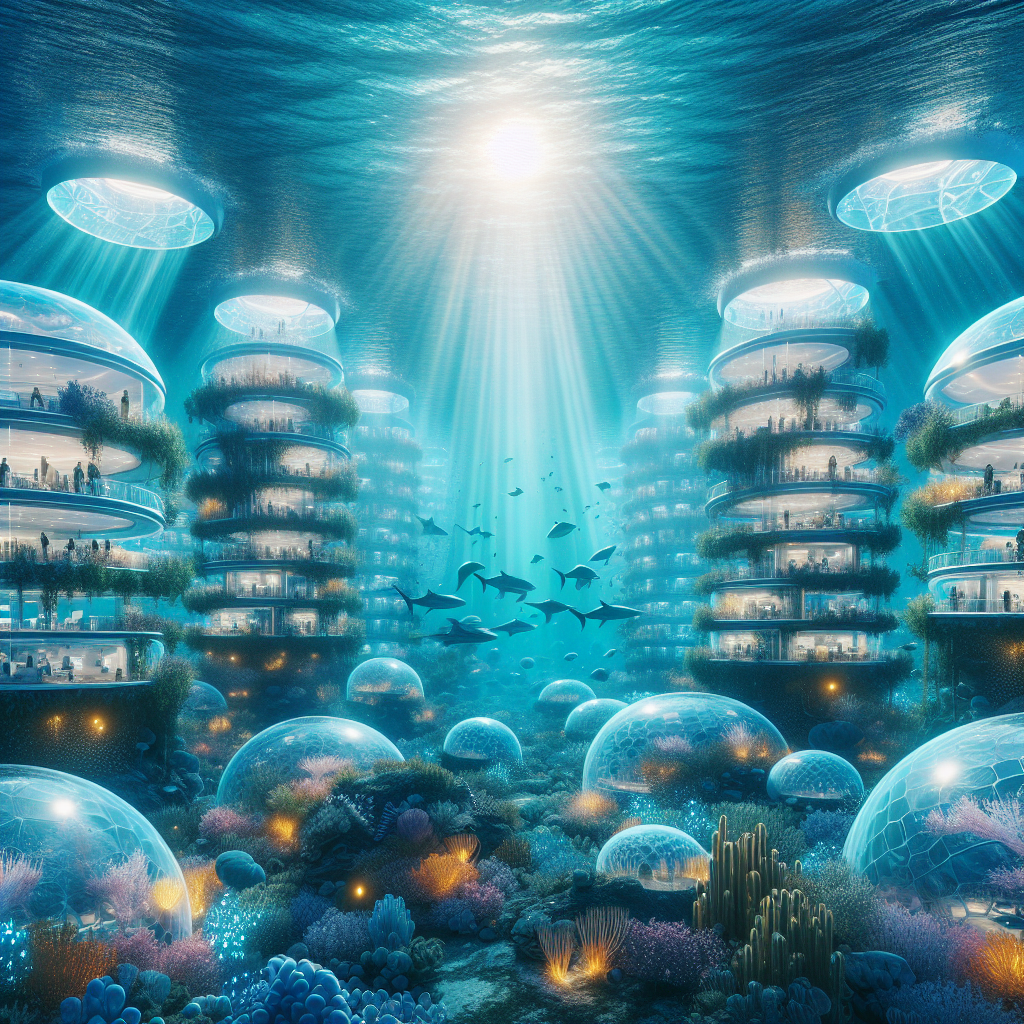
Architects are now exploring the potential of entire submerged glass cities, where residential, commercial, and cultural zones coexist beneath the waves. Such visions draw inspiration from both science fiction and pressing environmental realities. As land-based cities confront overpopulation and climate volatility, the ocean floor becomes an unexpected canvas for innovation.
Engineering the Impossible
Building underwater requires a choreography of precision and resilience. The structural integrity of aquatic penthouses depends on pressure-resistant glass composites, advanced oxygen circulation systems, and self-sustaining energy loops. Research from the American Society of Civil Engineers highlights the growing feasibility of underwater habitats using transparent aluminum and carbon-fiber-reinforced polymers—materials that can withstand immense pressure while maintaining optical clarity.
These innovations align with the broader movement toward biodegradable architecture and closed-loop ecosystems. Imagine a penthouse where every surface contributes to environmental balance: algae-infused walls that generate oxygen, tidal turbines embedded in foundations that harvest energy, and waste systems that mimic coral filtration. The architecture becomes an organism—alive, adaptive, and symbiotic.
Designing for Depth and Light
Underwater architecture demands a redefinition of light. In the absence of direct sunlight, designers turn to bioluminescent technologies and refractive geometry to craft luminous interiors. The result is a choreography of soft glows and shifting reflections that change with the tides. This aesthetic—part futuristic minimalism, part marine surrealism—echoes the emerging field of bioluminescent lighting design, where natural organisms inspire energy-efficient illumination.
Spatial psychology also plays a crucial role. The human mind responds differently to enclosed, fluid environments. Architects integrate expansive glass panels, mirrored surfaces, and subtle motion cues to counteract the potential claustrophobia of submersion. The result is a sense of infinite continuity—rooms that seem to dissolve into the ocean beyond.
Ecological Integration and Responsibility
Submerged living cannot exist in isolation from its environment. The challenge lies in designing structures that coexist with marine ecosystems rather than disrupt them. According to the National Oceanic and Atmospheric Administration (NOAA), coral reefs are among the most delicate habitats on Earth. Architects must therefore employ materials and construction methods that minimize acoustic pollution, chemical leaching, and habitat displacement.
Some proposals integrate artificial reefs directly into building foundations, encouraging biodiversity and stabilizing ocean currents. This approach aligns with the ethos of biophilic design—creating spaces that foster emotional and ecological harmony. The submerged city becomes both sanctuary and steward, nurturing life within and around it.
Economics and Accessibility
For now, aquatic penthouses remain the preserve of the ultra-wealthy, their price tags buoyed by experimental technology and exclusivity. Yet, as with early skyscrapers or solar-powered homes, innovation tends to democratize over time. The cost of pressure-resistant materials and sustainable systems is expected to decline as research scales up. In the long term, underwater living could evolve from a luxury statement into a pragmatic response to global urban challenges.
In this sense, aquatic architecture parallels the evolution of floating architecture—another response to rising sea levels. Both explore how humanity might inhabit water not as an adversary, but as an ally. Together, they sketch a future where cities expand not upward or outward, but downward—into the depths.
The Psychological Frontier
Living underwater invites a profound shift in perception. The ocean’s constant motion, filtered light, and acoustic stillness alter our relationship with time and space. Studies from the Royal Institute of British Architects (RIBA) suggest that such environments can promote mindfulness and reduce stress, echoing the calming effects of proximity to nature. Yet, they also demand new forms of social and psychological adaptation—how does one maintain a sense of community when the horizon is liquid?
Designers are experimenting with shared underwater plazas, transparent corridors connecting residences, and communal bioluminescent gardens. These spaces aim to balance solitude with connection, privacy with shared wonder. The submerged city, paradoxically, may become the most introspective form of urban life yet imagined.
From Vision to Viability
As technology advances, the notion of living beneath the waves no longer feels like escapism—it feels like evolution. The ocean covers more than 70% of the planet, yet humans inhabit only a fraction of its potential. Aquatic penthouses represent a poetic, if provocative, extension of our architectural imagination: homes that breathe with the sea, cities that shimmer like constellations below the surface.
Would you live in one? Perhaps the better question is: can we afford not to? As climate change redraws coastlines and urban density strains terrestrial resources, submerged architecture may soon shift from fantasy to necessity. The ocean, once a boundary, could become our next frontier.
###ARTICLE_END### { “seo_title”: “Aquatic Penthouses: Life in a Submerged Glass City”, “meta_description”: “Explore aquatic penthouses—luxury submerged homes redefining architecture and sustainability beneath the ocean’s surface.”, “excerpt”: “Discover the allure and innovation behind aquatic penthouses—submerged glass dwellings merging luxury, sustainability, and marine design.”, “focus_keyphrase”: “aquatic penthouses” } **AI Image Prompts** 1. **Prompt:** Photorealistic image of a submerged glass penthouse with panoramic ocean views, sunlight filtering through water, coral gardens outside, shot on a Hasselblad H6D. **Alt text:** Underwater glass penthouse surrounded by coral and marine life. **Caption:** A vision of serenity—luxury meets marine ecology in the design of tomorrow’s aquatic homes. 2. **Prompt:** Interior of an underwater living room with bioluminescent lighting, minimalist furniture, and curved transparent walls revealing fish schools, shot on a Hasselblad X2D. **Alt text:** Interior of an aquatic penthouse with glowing marine light and panoramic windows. **Caption:** Light dances through the depths—an interior where architecture and ocean currents intertwine. 3. **Prompt:** Aerial view of a submerged glass city connected by transparent tunnels, illuminated at night, shot on a Hasselblad H6D-100c. **Alt text:** Submerged glass city glowing beneath the ocean surface at night. **Caption:** A city beneath the waves—human ingenuity sculpting a luminous underwater skyline. 4. **Prompt:** Close-up of an architect inspecting pressure-resistant glass panels underwater, bubbles rising, with blue ambient lighting, shot on a Hasselblad X1D II. **Alt text:** Architect examining underwater glass panels for aquatic penthouse construction. **Caption:** Engineering meets artistry—testing the boundaries of material resilience beneath the sea. — **Instagram Strategy** **Main Post Caption:** Would you trade your skyline view for a seascape? 🌊 Dive into the world of **aquatic penthouses**, where architecture, sustainability, and serenity converge beneath the waves. Explore how designers are redefining luxury living—one bubble at a time. 👉