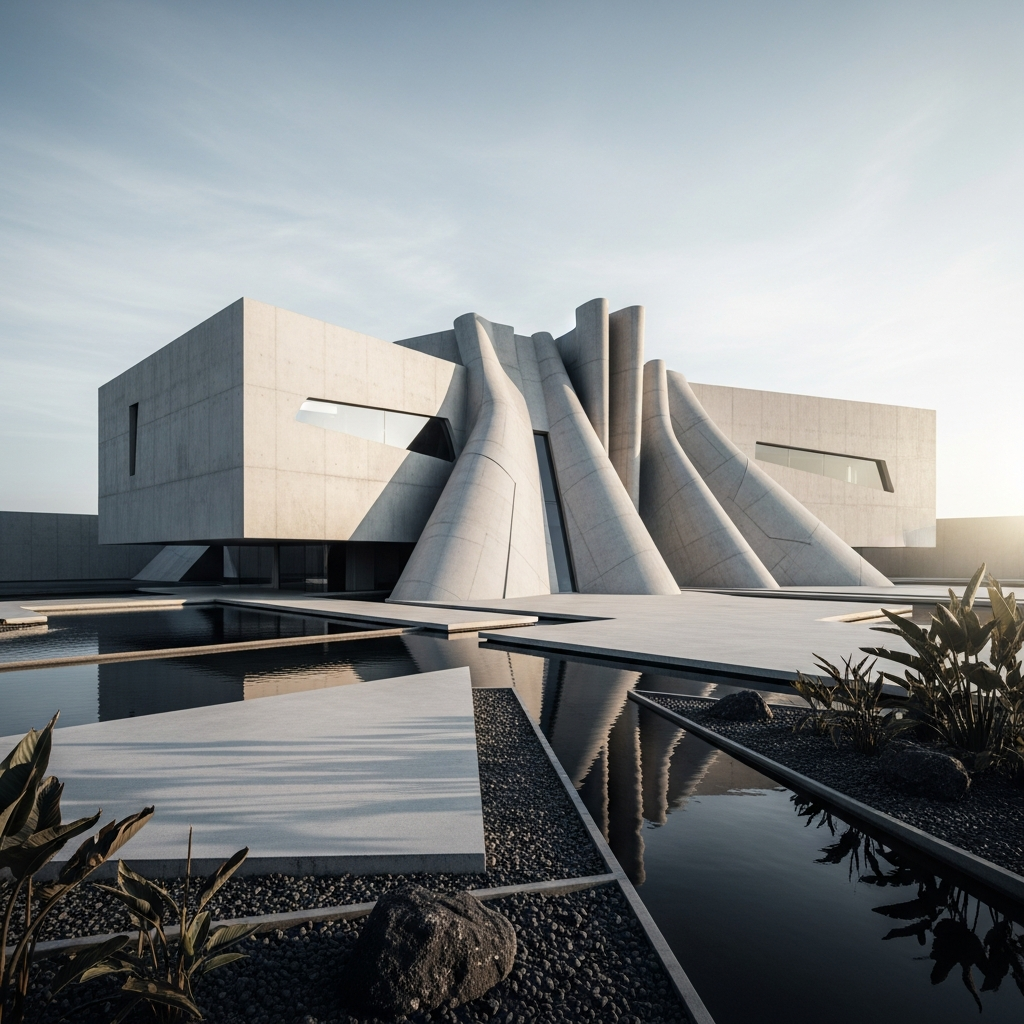

Algorithmic Urbanism: When Code Becomes the City Planner
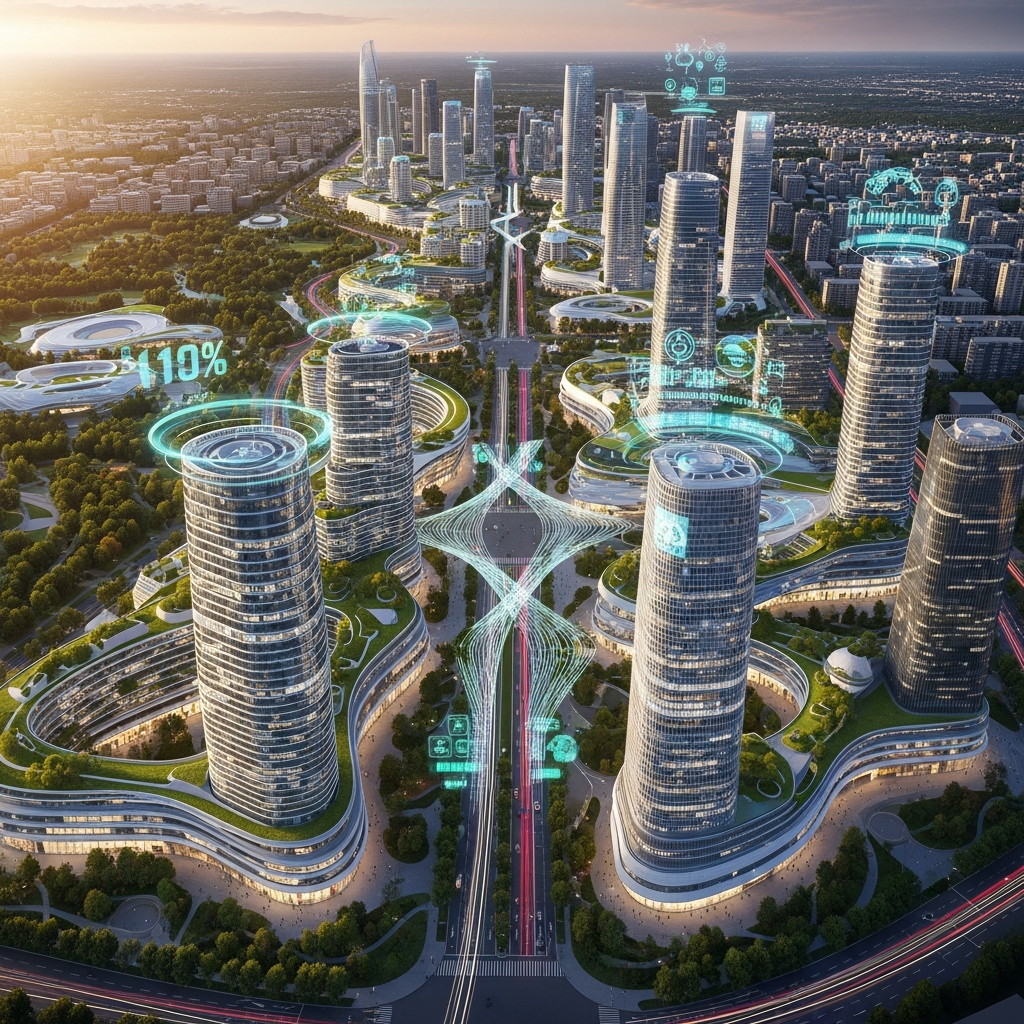
Algorithmic Urbanism: When Code Becomes the City Planner
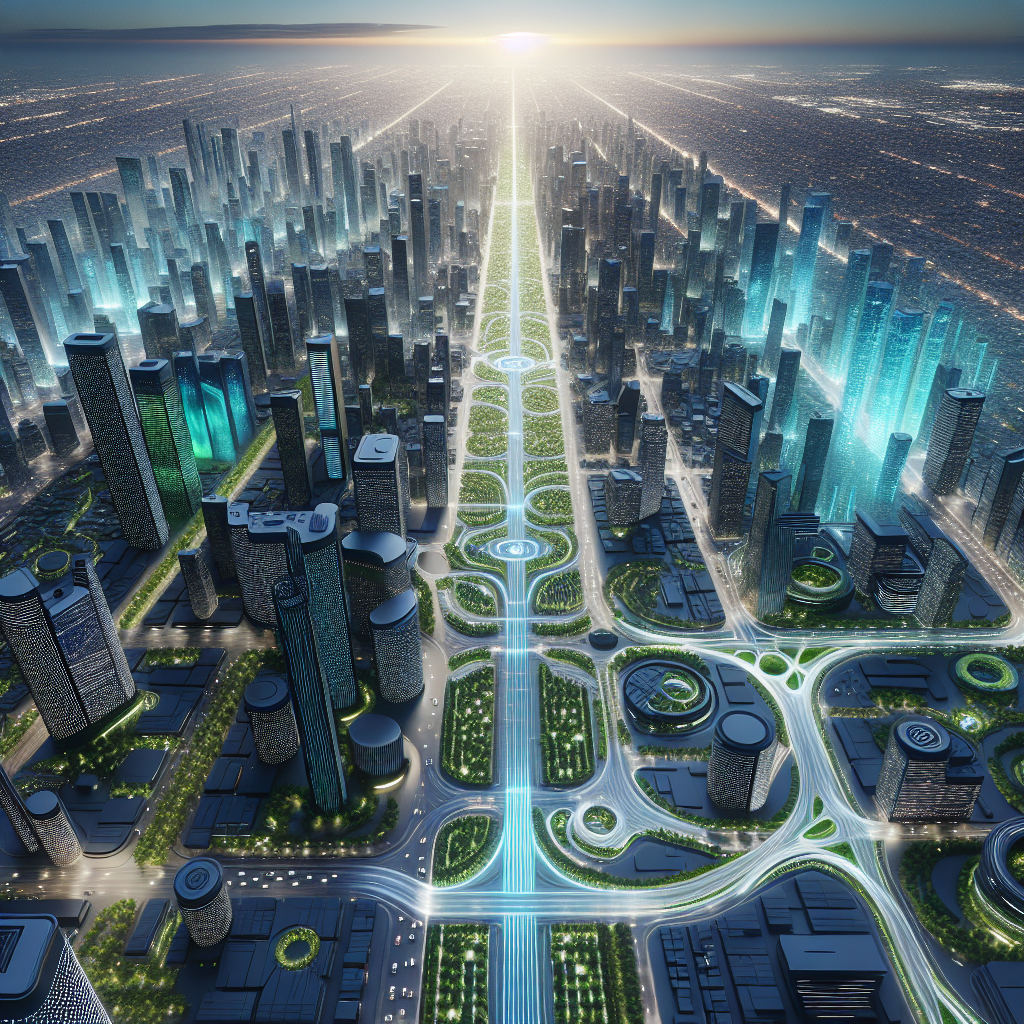
Once, the city was drawn by hand — its arteries of streets, its capillaries of alleys, its organs of plazas and parks. Today, those same networks are increasingly generated by algorithms, refined by data, and optimized by artificial intelligence. The age of algorithmic urbanism has arrived, where code is not merely a tool for architects and planners but a collaborator, a silent co-author of the urban experience. This new paradigm redefines how cities breathe, grow, and respond to human needs — a shift as profound as the introduction of the grid plan in ancient Rome or the zoning codes of the 20th century.
The Rise of Algorithmic Urbanism
Algorithmic urbanism sits at the intersection of data science, urban design, and artificial intelligence. It uses computational models to simulate, predict, and generate city layouts based on complex datasets — from pedestrian movement and microclimate patterns to social media sentiment and energy consumption. The result is a city that is not just designed but computed.
According to a 2025 report by the United Nations Human Settlements Programme, over 68% of the global population now lives in urban areas. Managing this density demands precision and adaptability beyond human capacity alone. Algorithms, trained on terabytes of urban data, can model entire districts in seconds, adjusting for sustainability, accessibility, and resilience. In this sense, the algorithm becomes a new kind of planner — one that sees the city as a living dataset rather than a static map.
Architects have long flirted with computational design. From parametric architecture to generative design systems, the idea of using algorithms to shape form is not new. What’s different now is scale. Entire cities — not just buildings — are being generated through code.
From Parametric Buildings to Parametric Cities
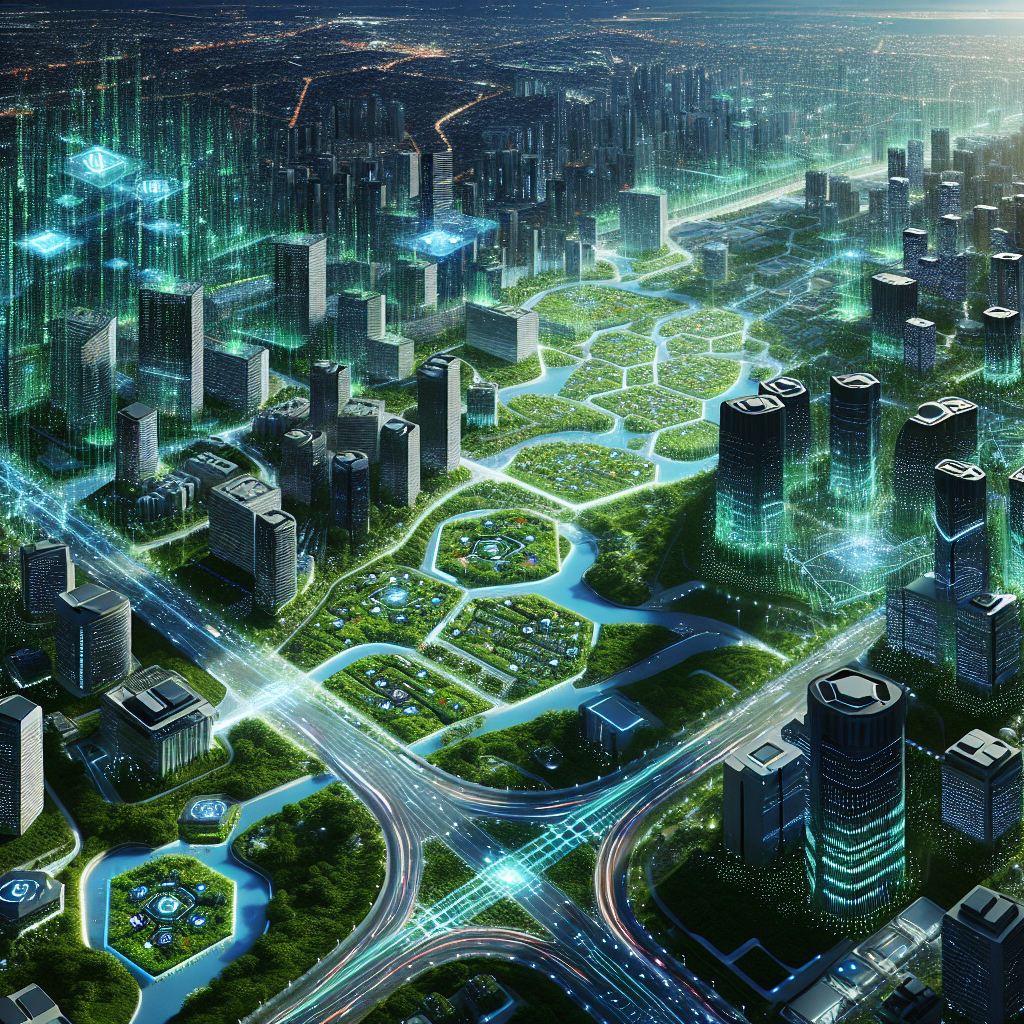
Parametric design, once confined to avant-garde façades and fluid pavilions, has evolved into a methodology for urban-scale computation. The same logic that allows architects to model a twisting tower can now orchestrate a city’s transportation grid or green infrastructure. In cities like Singapore and Helsinki, algorithmic models are already used to optimize traffic flow, predict energy demand, and design equitable public spaces.
Consider the work of Carlo Ratti and the MIT Senseable City Lab, where urban data is visualized as a dynamic ecosystem. Their projects reveal how real-time information — from smartphone GPS to air quality sensors — can inform adaptive planning. In these cities, traffic lights learn from congestion patterns, waste collection routes evolve daily, and building façades respond to weather conditions. The city becomes a responsive organism, its metabolism guided by algorithms.
Such ideas echo the principles explored in AI in architecture, where machine learning assists in form-finding and material optimization. Yet, algorithmic urbanism extends this intelligence to the civic scale, where code shapes not only structures but societies.
Data as the New Concrete
In the 20th century, concrete was the defining material of modernity. In the 21st, it is data. Every movement, transaction, and environmental fluctuation becomes a building block for urban design. Cities like Barcelona and Seoul are pioneering open-data platforms that feed directly into planning software, allowing citizens, developers, and policymakers to co-create urban futures.
These systems are not purely technical. They carry profound aesthetic and ethical implications. The algorithmic city is both beautifully efficient and potentially opaque. Who owns the data that shapes our streets? Who decides the parameters of optimization — carbon neutrality, profit, or social equity? The philosopher Shoshana Zuboff warns of “surveillance capitalism,” where data becomes a tool of control rather than empowerment. In algorithmic urbanism, transparency is as vital as efficiency.
Some architects are responding by embedding ethical frameworks into their digital workflows. Projects like the Climate Change Catalyst initiative advocate for algorithmic accountability — ensuring that the same tools optimizing energy use also promote inclusivity and environmental justice.
Case Studies: Cities Designed by Code
1. Sidewalk Toronto — The now-defunct project by Sidewalk Labs, a subsidiary of Alphabet, remains a cautionary tale. It proposed a “smart neighborhood” built from the ground up with sensors, data-driven zoning, and modular timber construction. The vision promised efficiency and sustainability but faltered under public scrutiny over data privacy. The lesson: a city’s intelligence must be matched by its transparency.
2. Songdo, South Korea — Often cited as the world’s first fully planned smart city, Songdo integrates sensors into nearly every aspect of urban life — from waste management to traffic control. Its digital backbone allows real-time adjustments to energy and mobility systems, embodying the algorithmic ideal. Yet, critics argue that its perfection feels sterile, lacking the organic chaos that gives cities soul.
3. The Line, Saudi Arabia — A 170-kilometer linear city designed as a zero-carbon utopia, The Line epitomizes algorithmic urbanism’s ambition. Its form — a narrow, mirrored corridor housing nine million residents — is generated through advanced simulation models optimizing for density, mobility, and climate control. Whether it becomes a viable model or a monumental experiment remains to be seen, but its algorithmic genesis is undeniable.
Human-Centered Algorithms
For all its computational prowess, algorithmic urbanism must remain human at its core. Cities are not spreadsheets; they are emotional landscapes. The challenge lies in designing algorithms that understand human behavior — not just efficiency metrics. This is where cognitive architecture and emotional design intersect with data science.
Recent research from the MIT Media Lab explores how algorithms can interpret emotional responses to space, using biometric data to adjust lighting, acoustics, or spatial density. Imagine a plaza that brightens as people gather, or a residential block that subtly adjusts its ventilation based on collective comfort levels. These are not speculative fantasies but emerging realities in the field of responsive design.
Algorithmic urbanism, when ethically deployed, can amplify the human experience rather than diminish it. It can design cities that breathe with us — optimizing not only for movement and energy but for well-being, inclusivity, and beauty.
The Aesthetics of the Computed City
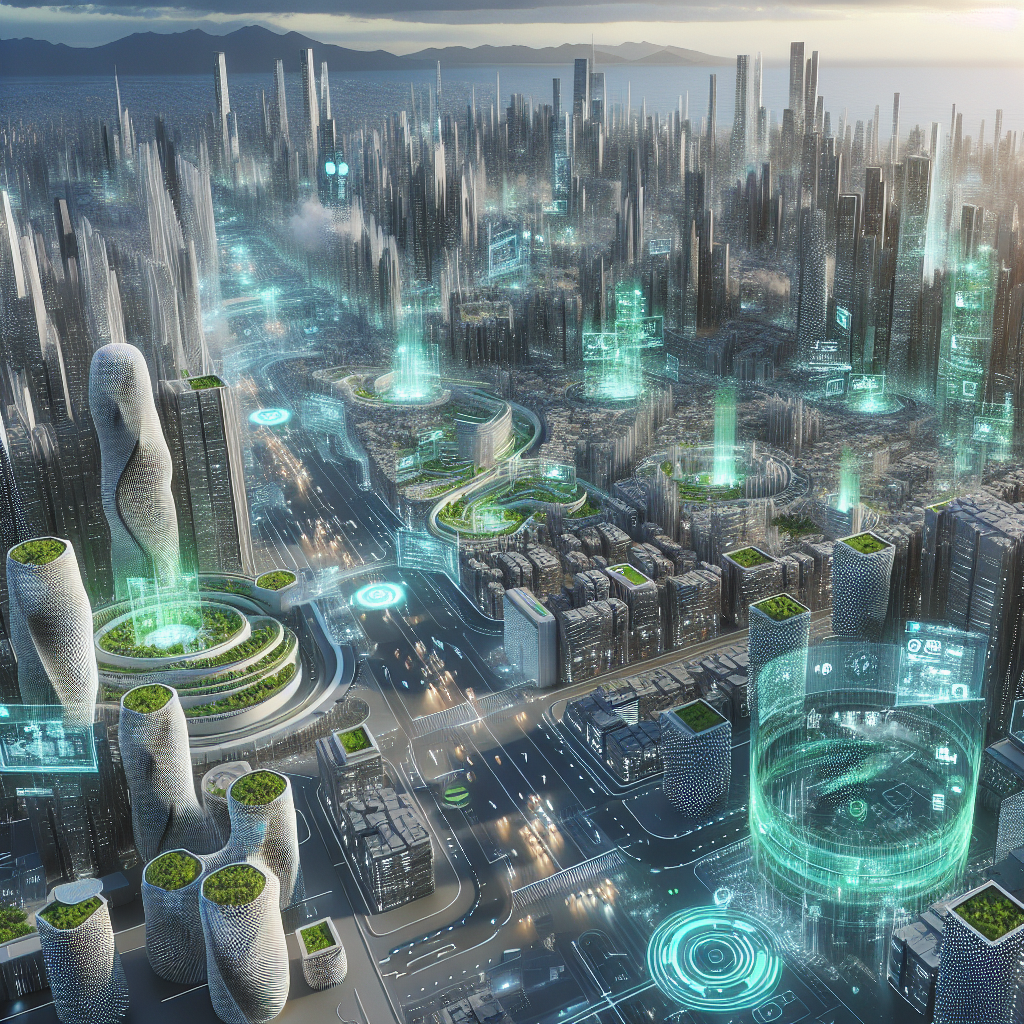
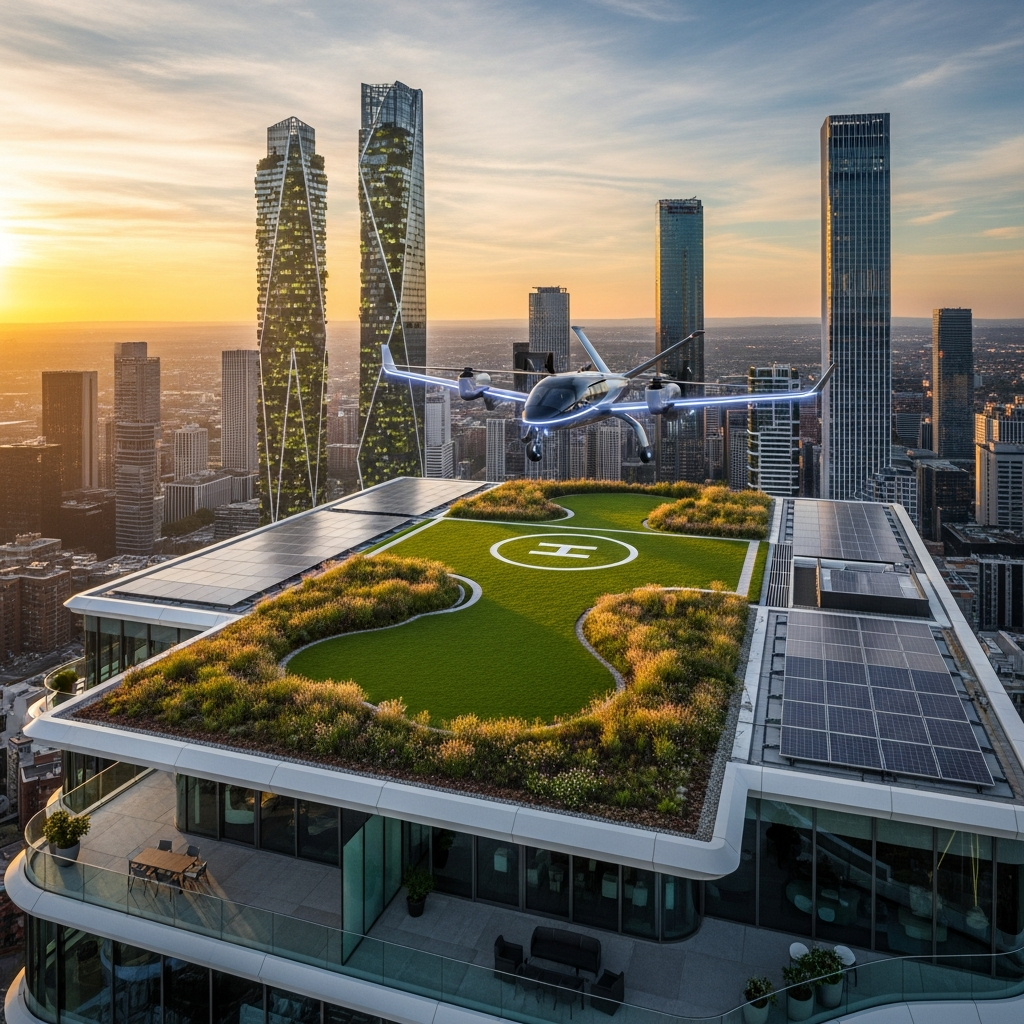
Visually, algorithmic cities differ from their predecessors. Their skylines are less about monumental silhouettes and more about adaptive morphologies. Buildings curve to capture wind flows, façades ripple in response to sunlight, and green corridors weave through districts based on biodiversity algorithms. The result is an urban fabric that feels alive — a choreography of data and design.
Architectural firms like BIG, Zaha Hadid Architects, and Foster + Partners are increasingly integrating algorithmic modeling into their masterplans. Their projects reveal a new aesthetic language: one of fluid geometries, fractal repetition, and emergent order. These forms are not imposed but discovered through computation — the digital equivalent of organic growth.
In this sense, algorithmic urbanism resonates with the principles of biophilic design, where natural systems inspire architectural logic. The algorithm becomes a digital analog of evolution, iterating toward balance and resilience.
Beyond the Algorithm: The Future of Urban Intelligence
As cities become more data-driven, the role of the architect and planner is evolving. No longer the sole author of urban form, they become curators of systems — orchestrating interactions between human intention and machine intelligence. The future city will not be designed once but will continuously redesign itself, guided by feedback loops and real-time analytics.
Yet, the ultimate question remains: can code truly understand the poetry of urban life? The laughter spilling from a café terrace, the serendipity of a street musician, the patina of time on stone — these are the textures that make cities human. Algorithmic urbanism must learn to leave room for imperfection, for the unplanned and the unpredictable. As