
AD loft synergy: bridging Scandinavian lines with organic textures
AD Loft Synergy: Bridging Scandinavian Lines with Organic Textures
In the evolving landscape of contemporary interior design, the AD loft has emerged as a new archetype—an architectural language that fuses Scandinavian minimalism with organic materiality. This aesthetic, born from the tension between precision and imperfection, redefines urban living through a tactile, human-centered approach. The synergy between clean Nordic lines and raw, nature-inspired textures is not merely a stylistic gesture; it is a cultural response to the digital age’s sensory fatigue.
The Essence of Scandinavian Lines
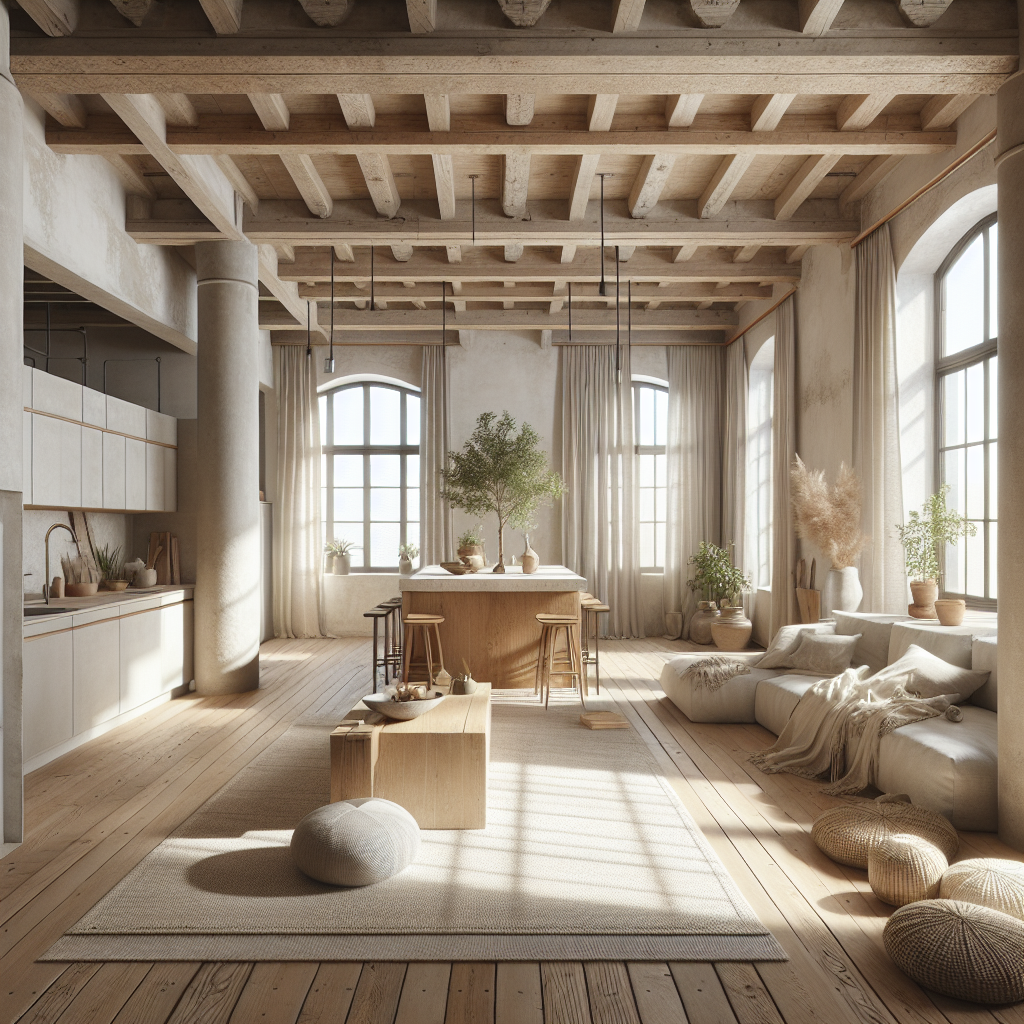
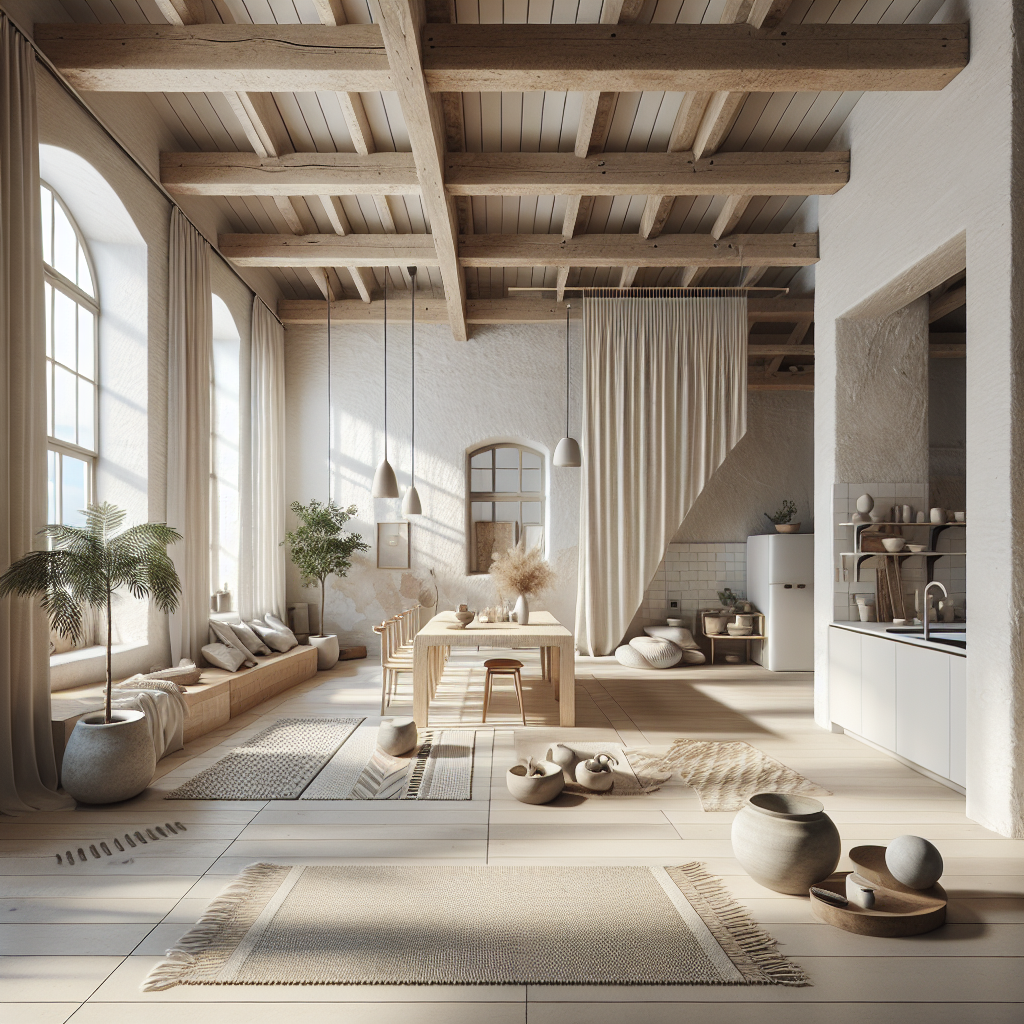
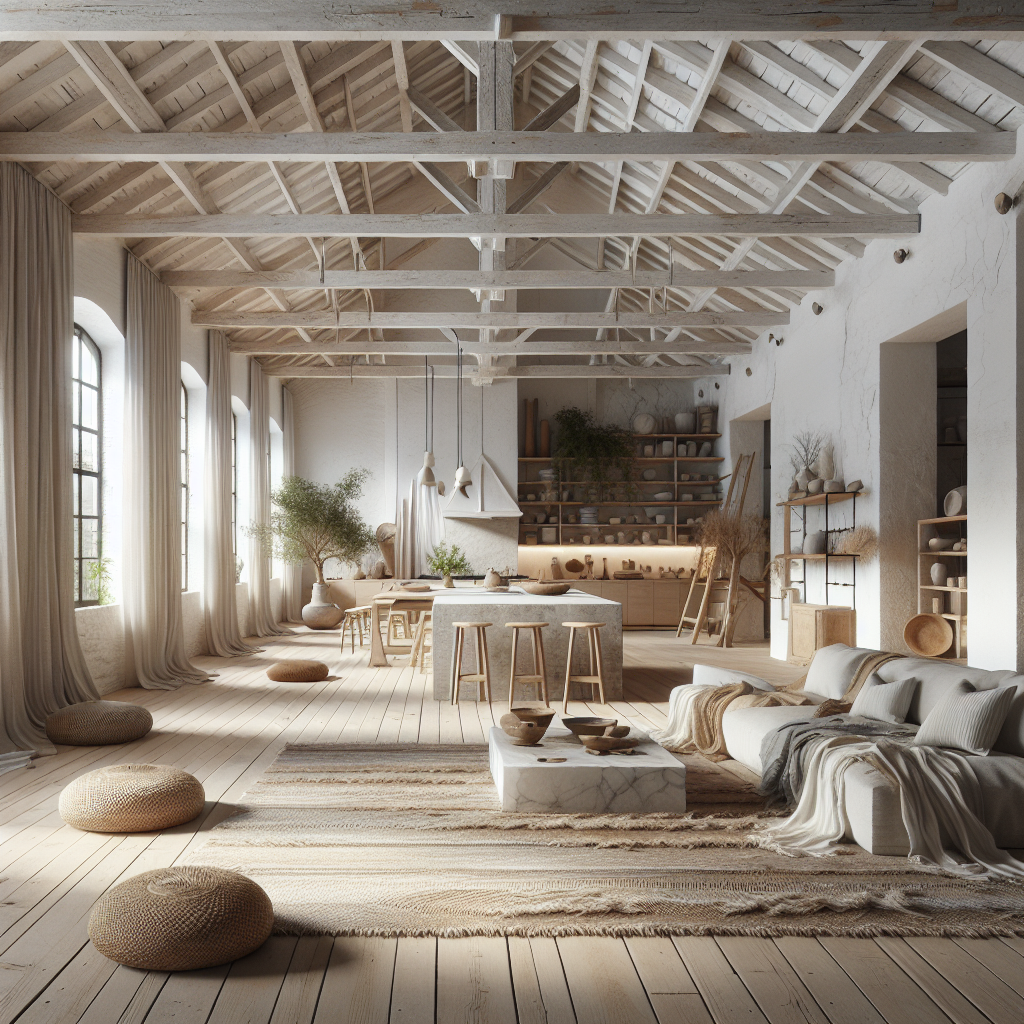
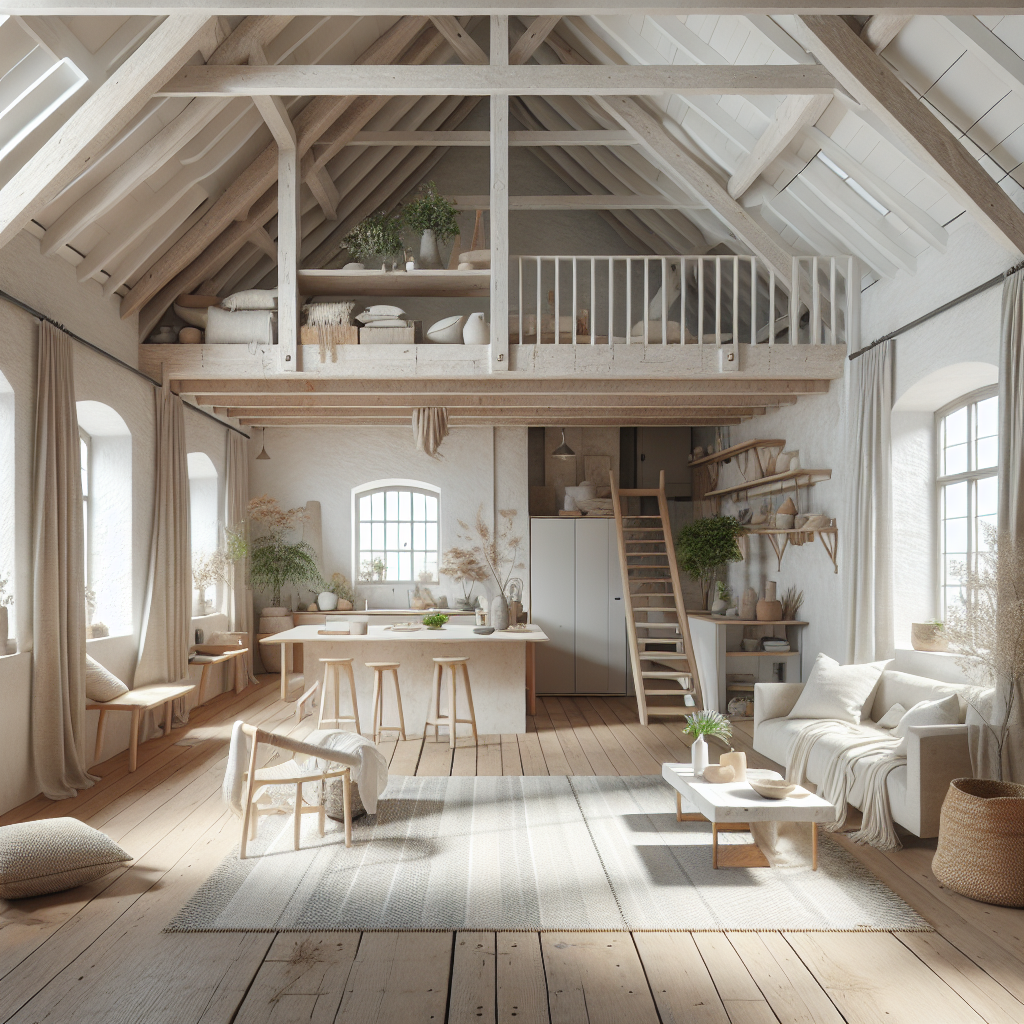
Scandinavian design, rooted in the principles of functionalism and democratic beauty, has long celebrated simplicity, light, and craftsmanship. Its enduring appeal lies in its restraint: a neutral palette, linear geometry, and a reverence for natural light. In the context of the AD loft, these elements are distilled into architectural purity—expansive white walls, exposed timber beams, and large, unadorned windows that frame the city as a living artwork.
The Scandinavian ethos of “lagom”—the idea of balance and moderation—translates seamlessly into loft architecture. Spaces are open yet intimate, structured yet flexible. Designers such as Norm Architects and Note Design Studio have championed this equilibrium, crafting interiors that feel both rational and soulful. Their work demonstrates how spatial clarity can coexist with emotional warmth, a concept that resonates deeply with the contemporary urban dweller seeking calm amid chaos.
Organic Textures: The Counterpoint of Nature
Where Scandinavian design provides order, organic textures introduce narrative. Clay-plastered walls, handwoven textiles, and untreated oak floors inject a sense of tactility and imperfection into the loft’s linear framework. This interplay of contrasts—smooth and rough, matte and luminous—creates a sensory dialogue that invites touch and reflection.
The rise of biophilic design has further amplified this trend. Studies have shown that integrating natural materials and patterns into interiors can reduce stress and enhance cognitive function. Within the AD loft, this manifests as sculptural wooden partitions, stone countertops with visible grain, and furniture upholstered in wool or linen. These elements transform the loft from a mere living space into a multisensory environment that nurtures well-being.
Architectural firms like Studioilse and Frama Copenhagen exemplify this philosophy. Their projects often juxtapose the austerity of Nordic geometry with the sensuality of organic matter—creating interiors that feel grounded, authentic, and profoundly human.
Material Synergy: Where Craft Meets Innovation
The true sophistication of the AD loft lies in its material synergy. Designers are increasingly experimenting with hybrid materials that blur the line between the natural and the engineered. Reclaimed wood, polished concrete, and limewash finishes coexist harmoniously, producing spaces that are both sustainable and visually rich.
In recent years, the use of mass timber and cross-laminated wood has gained traction in urban loft conversions, reflecting a broader movement toward low-carbon architecture. This approach not only aligns with the Scandinavian commitment to sustainability but also enhances the tactile depth of interiors. Surfaces breathe, age, and evolve—mirroring the organic cycles of nature.
Even metals and glass, traditionally associated with industrial lofts, are being reinterpreted through a softer lens. Brushed brass fixtures, oxidized steel panels, and frosted glass partitions add a subtle patina that complements the raw tactility of natural materials. The result is a layered aesthetic—neither rustic nor purely modern, but something in between: refined imperfection.
Spatial Fluidity and Emotional Resonance
The AD loft is not defined by square footage but by spatial fluidity. Open-plan layouts encourage movement and adaptability, while zones are delineated through shifts in texture rather than walls. A polished concrete floor might transition into a woven jute rug, signaling a change in function and mood. Light plays a pivotal role, filtering through linen drapes and reflecting off limewashed surfaces to create a soft, ever-changing atmosphere.
This approach echoes the concept of wabi-sabi—the Japanese aesthetic of beauty in imperfection—which has found a quiet resonance in Nordic design philosophy. The AD loft becomes a living organism, evolving with its inhabitants. Every scratch on a wooden countertop, every uneven plaster stroke tells a story of use and time.
Designers are also embracing the emotional dimension of space. The tactile quality of materials fosters a sense of intimacy, while the openness of the layout encourages connection. This duality—between solitude and sociability—reflects the modern condition of urban life, where home serves as both sanctuary and stage.
Case Study: The Copenhagen Loft by Norm Architects
A compelling example of this synergy can be found in Norm Architects’ Copenhagen loft renovation. The project transforms a former industrial warehouse into a serene dwelling that balances Scandinavian minimalism with organic tactility. The palette is subdued—chalky whites, muted greys, and honey-toned woods—while the textures are richly varied. A rough stone kitchen island anchors the space, contrasting with the smooth plaster walls and soft linen drapery.
Natural light floods the interior through oversized windows, accentuating the interplay of materials. Every element, from the hand-turned oak stools to the brushed metal fixtures, is designed to age gracefully. The result is a space that feels both timeless and deeply personal—a testament to the power of restraint and material honesty.
Urban Context and the Future of Loft Living
The AD loft is more than an aesthetic; it is a response to the evolving dynamics of urban living. As cities densify and digital interfaces dominate daily life, the demand for sensory authenticity grows. Designers are reimagining lofts not as cold industrial shells but as biophilic sanctuaries—spaces that reconnect inhabitants with the rhythms of nature.
This movement aligns with the broader trajectory of sustainable design explored in works like zero-waste architecture and biodegradable construction. The AD loft embodies these principles through its emphasis on longevity, adaptability, and material integrity. It rejects disposable trends in favor of enduring craftsmanship and ecological mindfulness.
According to the World Green Building Council, buildings account for nearly 40% of global carbon emissions. The AD loft’s integration of sustainable materials and passive design strategies—such as natural ventilation, daylight optimization, and thermal mass—positions it as a model for future urban housing typologies.
The Aesthetic of Calm: A New Luxury
In an era of visual overload, the new luxury is calm. The AD loft offers precisely that—a sanctuary of clarity and texture, where design serves as a form of mindfulness. Its aesthetic is not about opulence but about presence: the grain of wood under the fingertips, the coolness of stone beneath bare feet, the gentle diffusion of morning light across a linen curtain.
This sensory minimalism resonates with a generation of designers and homeowners seeking meaning beyond surface beauty. It represents a shift from consumption to contemplation, from decoration to experience. The AD loft, in its synergy of Scandinavian lines and organic textures, stands as a manifesto for a more grounded, humane approach to design—one that honors both the intellect and the senses.
Ultimately, the AD loft is not a style but a state of mind: a dialogue between geometry and nature, precision and imperfection, silence and substance. It is where the rigor of Scandinavian design meets the poetry of the organic world—and where the future of interior architecture quietly unfolds.