
#REF!
Invisible Residential Helipads: The Private Transport of the Future Requires Adapted Architecture
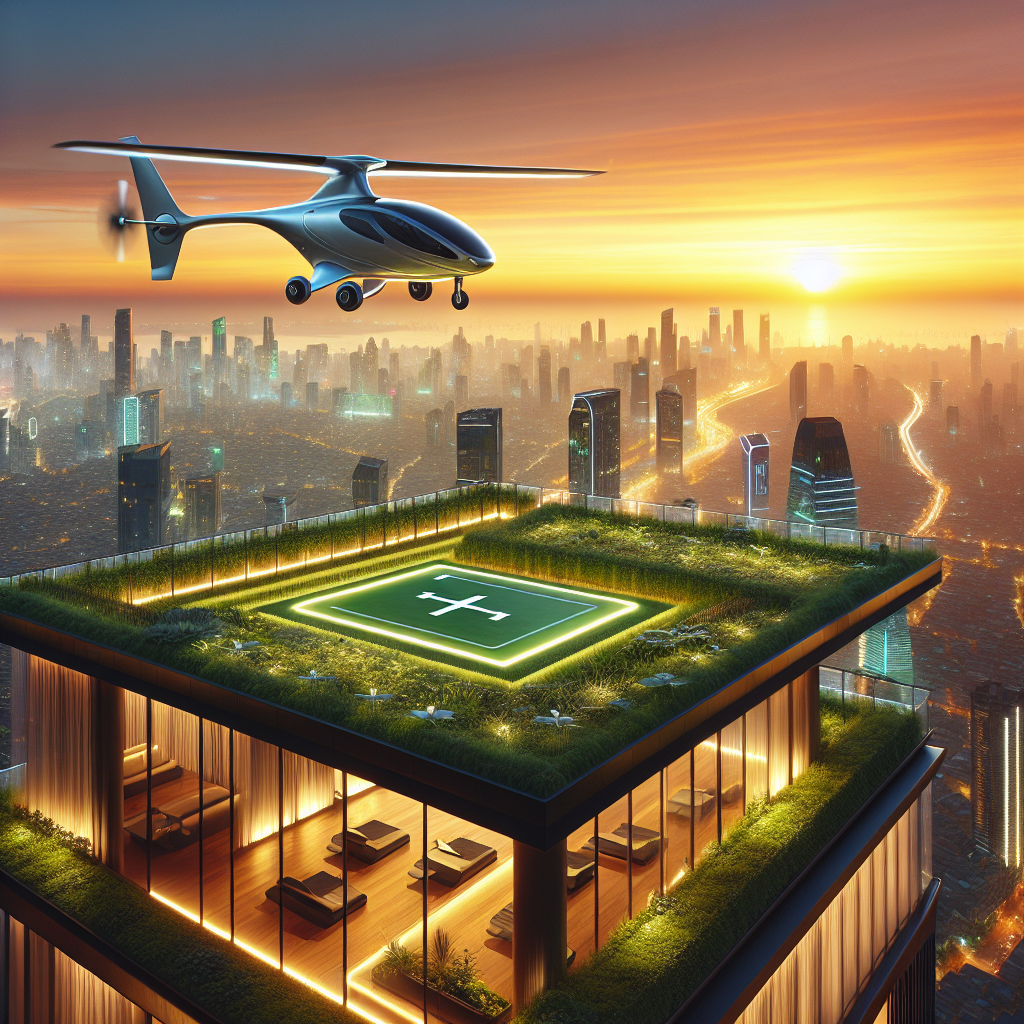
In the quiet hum above tomorrow’s cities, a new layer of mobility is taking shape. Private aerial transport—once the realm of science fiction and corporate futurism—is becoming a tangible reality. As electric vertical take-off and landing (eVTOL) vehicles prepare to enter the mainstream, architects and urban planners are rethinking the very fabric of residential design. The next frontier? Invisible helipads—integrated, aesthetic, and silent landing zones woven into the rooftops of private homes and high-rise residences.
The Sky as the New Driveway
For decades, the driveway symbolized status and convenience. In the near future, that symbol may shift skyward. The integration of personal aerial mobility into domestic architecture demands more than a landing pad—it requires a redefinition of how buildings engage with airspace. Invisible helipads, camouflaged within green roofs or retractable terraces, represent a new typology of luxury infrastructure: discreet, efficient, and seamlessly embedded into the architectural narrative.
According to the Boston Society of Architects, the challenge lies in harmonizing aeronautical engineering with urban form. Noise mitigation, structural reinforcement, and energy distribution systems must coexist with the aesthetics of contemporary living. The result is an architectural hybrid—part helipad, part garden, part energy node.
Designing for the Vertical Commute
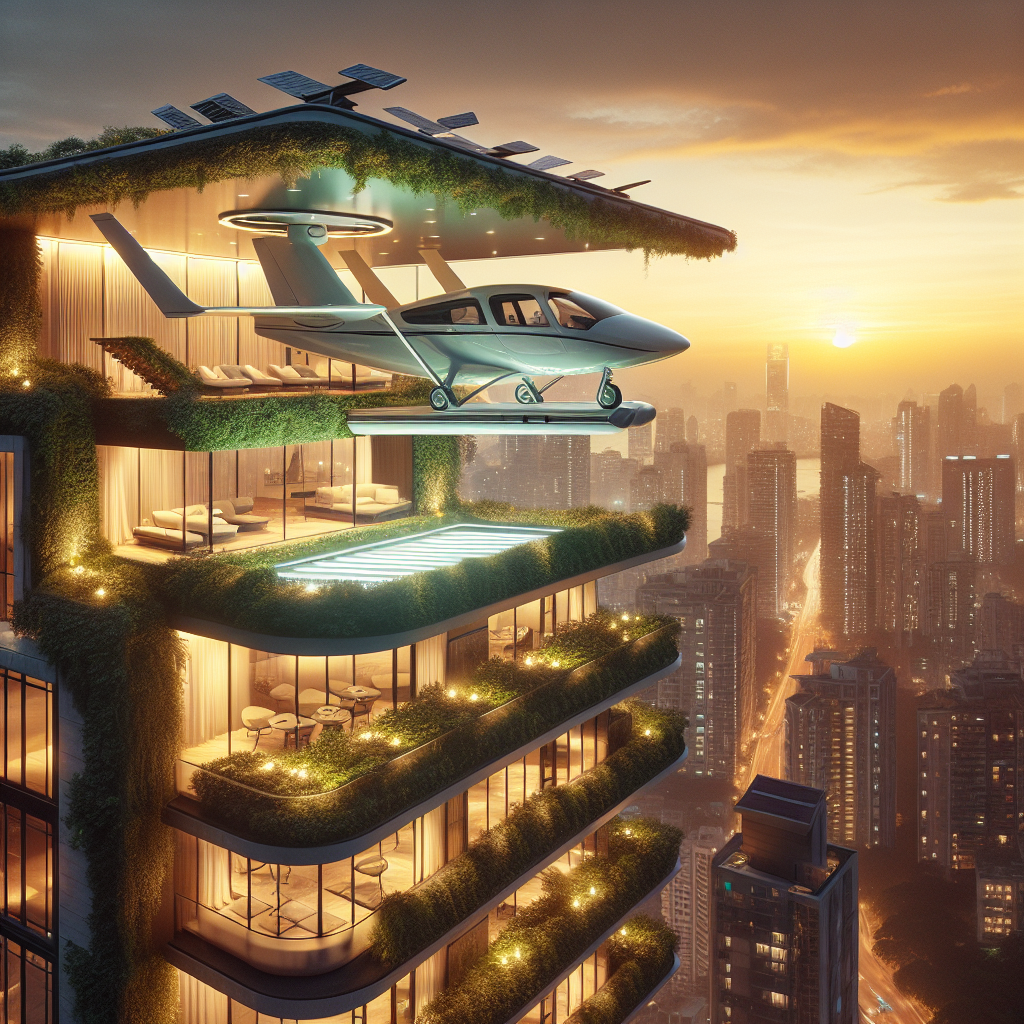
Invisible helipads are not simply functional appendages; they are design statements. The landing surfaces often double as solar arrays or kinetic façades, blending sustainability with mobility. In projects across Los Angeles, Dubai, and Singapore, architects are embedding eVTOL-ready zones into penthouse terraces, using adaptive materials that conceal landing mechanisms when not in use. These surfaces retract, fold, or slide—maintaining the purity of the design while offering instant readiness for flight.
As with timber skyscrapers redefining structural possibilities, invisible helipads demand innovation in material science. Lightweight composites, vibration-dampening membranes, and heat-resistant ceramics are being tested to ensure safety and comfort. The architectural conversation is shifting from “Can we build it?” to “How do we make it beautiful?”
From Blade Runner to Reality
The cinematic imagination has long flirted with the concept of vertical mobility. In Blade Runner 2049’s dystopian cityscapes, flying vehicles define the skyline’s rhythm. Today, that vision is being reinterpreted through the lens of sustainability and discretion. The future city will not be loud or chaotic—it will be orchestrated, silent, and efficient. Invisible helipads, by their very nature, align with this ethos of subtle futurism.
According to research from the Journal of Architecture, the integration of aerial mobility into residential zones could reduce urban congestion by up to 30% in high-density areas by 2035. However, this transition demands a radical rethinking of zoning laws, air traffic management, and rooftop design codes.
Urban Air Mobility Meets Sustainable Architecture
As cities race toward net-zero goals, the intersection of aerial transport and sustainable design becomes critical. Invisible helipads can be integrated with renewable energy systems, transforming rooftops into multifunctional ecosystems. Solar panels, rainwater harvesting systems, and biophilic installations coexist with landing mechanisms, creating a holistic approach to urban living.
This aligns with the growing movement toward net-zero architecture, where every design element contributes to environmental performance. The invisible helipad becomes not just a symbol of luxury, but of responsibility—a testament to how innovation can coexist with ecological mindfulness.
Material Innovation and Structural Integration
Designing a helipad that disappears into a roofscape requires precision engineering. Materials must withstand the dynamic loads of takeoff and landing while maintaining visual continuity. Some firms are experimenting with self-healing concrete, inspired by studies from the Institution of Civil Engineers, to ensure long-term durability. Others are developing modular systems that can be retrofitted onto existing structures, democratizing access to aerial mobility.
In luxury developments, invisible helipads are being paired with automated guidance systems that sync with smart home technology. The resident’s vehicle communicates directly with the building’s sensors, ensuring safe landings even in adverse weather. It’s an architectural choreography of light, motion, and precision.
Regulation, Privacy, and the Ethics of Airspace
Yet, the ascent of private aerial transport raises complex questions. Who owns the air above your home? How do cities manage privacy, noise, and safety when the sky becomes a shared thoroughfare? These questions echo the early debates around drones and autonomous vehicles. Architects and policymakers must collaborate to ensure that invisible helipads enhance, rather than disrupt, urban life.
Urban planners are already studying parallels with autonomous vehicle integration. Just as self-driving cars required adaptive street design, eVTOLs will demand adaptive rooftops. The invisible helipad thus becomes a symbol of this new adaptability—a design element that anticipates technological evolution rather than reacting to it.
The Aesthetic of Disappearance
Perhaps the most compelling aspect of invisible helipads is their aesthetic restraint. Unlike traditional helipads, which impose themselves on the skyline, these new iterations dissolve into the architecture. They celebrate invisibility as a design virtue. In an era obsessed with visibility and spectacle, the power to disappear—to integrate technology so seamlessly that it becomes imperceptible—represents the ultimate sophistication.
In this sense, invisible helipads embody the same design philosophy that drives minimalist interiors and hidden smart systems. They are the architectural equivalent of silence: a quiet luxury that speaks volumes about the future of living.
Conclusion: The Sky Is the New Ground
Invisible residential helipads are more than an architectural curiosity—they are a blueprint for how design adapts to new modes of movement. As private aerial transport transitions from prototype to daily reality, our homes will evolve into vertical gateways. The roof, once a passive surface, becomes an active interface between earth and sky.
In the coming decade, the invisible helipad will stand as a symbol of progress—an emblem of how architecture can gracefully absorb technology without surrendering its soul. The sky, once unreachable, is becoming domestic territory. And architecture, as always, is rising to meet it.
{
  "seo_title": "Invisible Residential Helipads",
  "meta_description": "Explore how invisible residential helipads redefine architecture and private transport for the future of urban living.",
  "excerpt": "What happens when rooftops become runways? Invisible residential helipads are reshaping architecture and redefining private transport for the future.",
  "focus_keyphrase": "invisible residential helipads"
}
AI Image Prompts
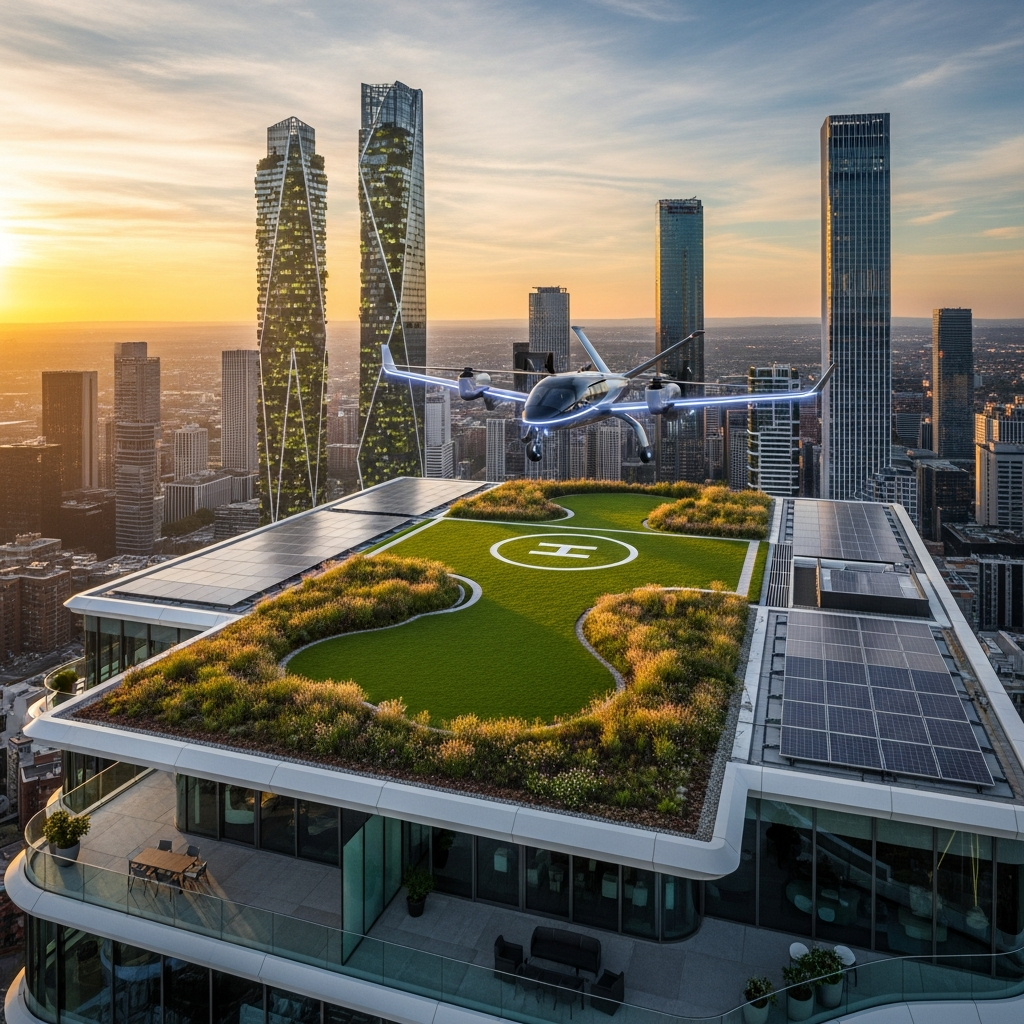
- Prompt: A photorealistic image of a luxury penthouse rooftop with an invisible helipad integrated into a green roof, captured at sunset with an eVTOL descending, shot on a Hasselblad H6D. Alt text: Luxury rooftop with invisible helipad and eVTOL landing at sunset. Caption: The future of private mobility blends seamlessly into the skyline.
- Prompt: A minimalist villa with a retractable helipad disguised as a terrace pool cover, surrounded by Mediterranean vegetation, captured in golden hour light. Alt text: Villa with retractable invisible helipad integrated into terrace design. Caption: Invisible infrastructure meets Mediterranean serenity.
- Prompt: A high-rise residential tower in Singapore featuring solar-integrated invisible helipads, photographed from a drone perspective at dawn. Alt text: Solar-integrated invisible helipads on high-rise tower rooftops. Caption: Sustainability and flight converge above the city.
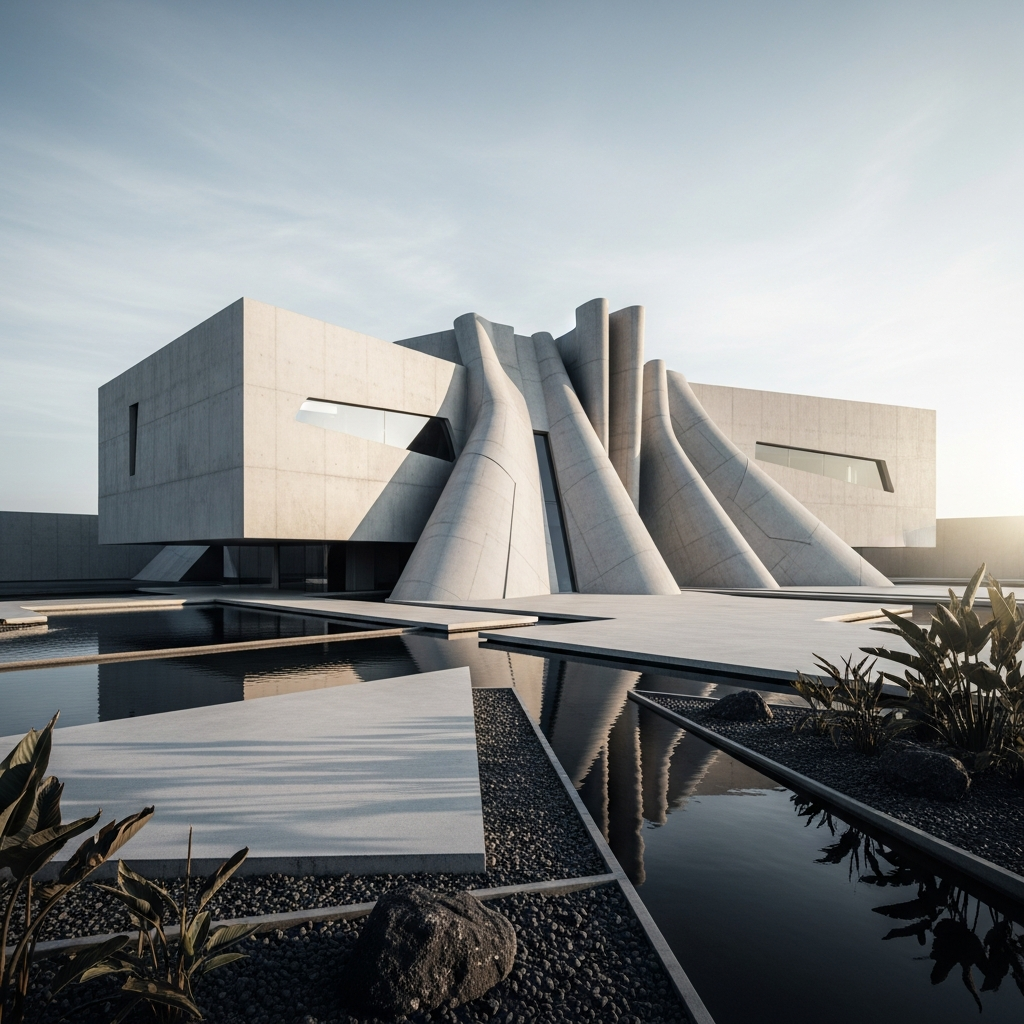
- Prompt: A futuristic architectural rendering of a smart home with a hidden helipad under a kinetic glass roof, surrounded by lush greenery. Alt text: Smart home with hidden helipad beneath kinetic glass roof. Caption: A vision of invisible luxury: technology that disappears into design.