Reactive Algae Facades: AI-Designed Buildings That Change Color with the Weather
Imagine a city where buildings breathe, shimmer, and subtly shift hues with the rhythm of the sky. This is not a scene from speculative fiction but a tangible architectural frontier emerging across experimental labs and urban testbeds worldwide. Reactive algae facades—living, AI-managed skins that respond to weather and light—are redefining how architecture interacts with its environment. These biotechnological surfaces, powered by data and biology, mark a profound step toward buildings that are not merely sustainable but symbiotic.
The Living Skin of the City
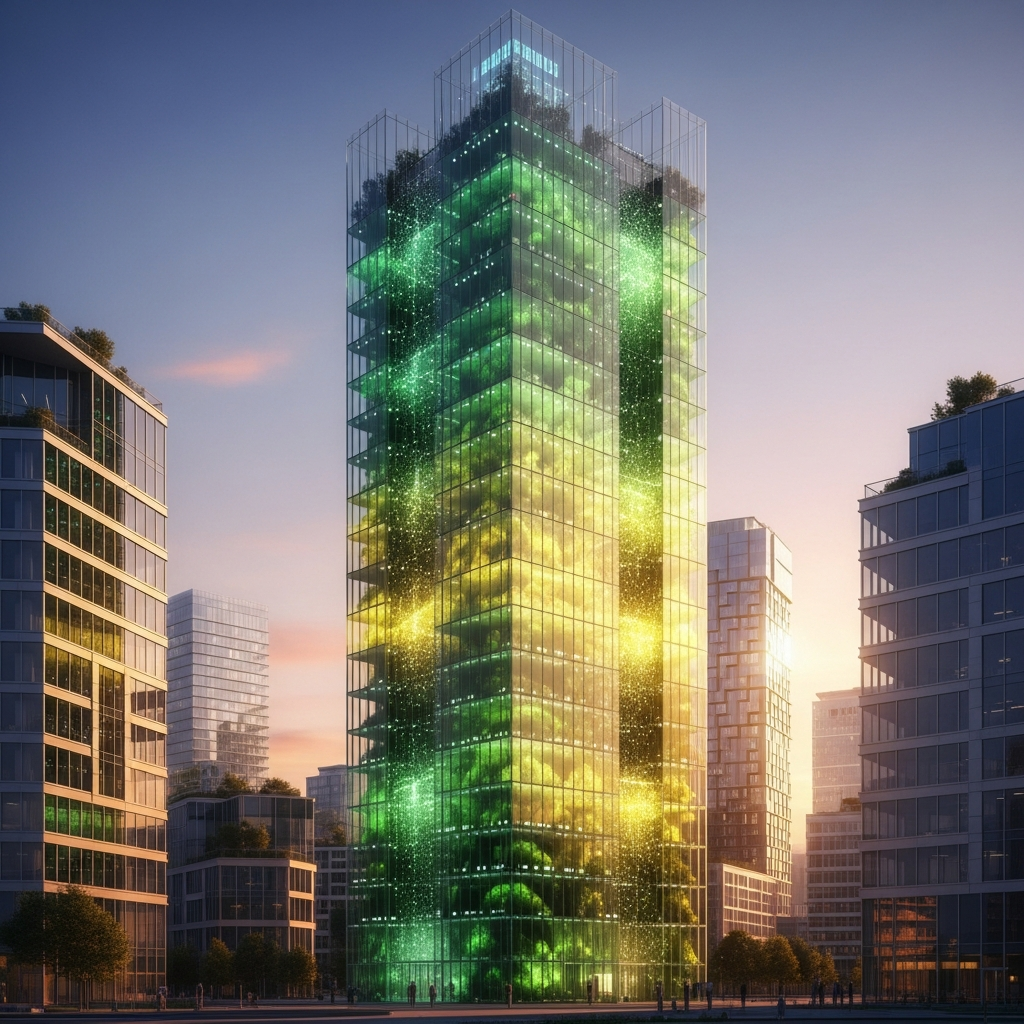
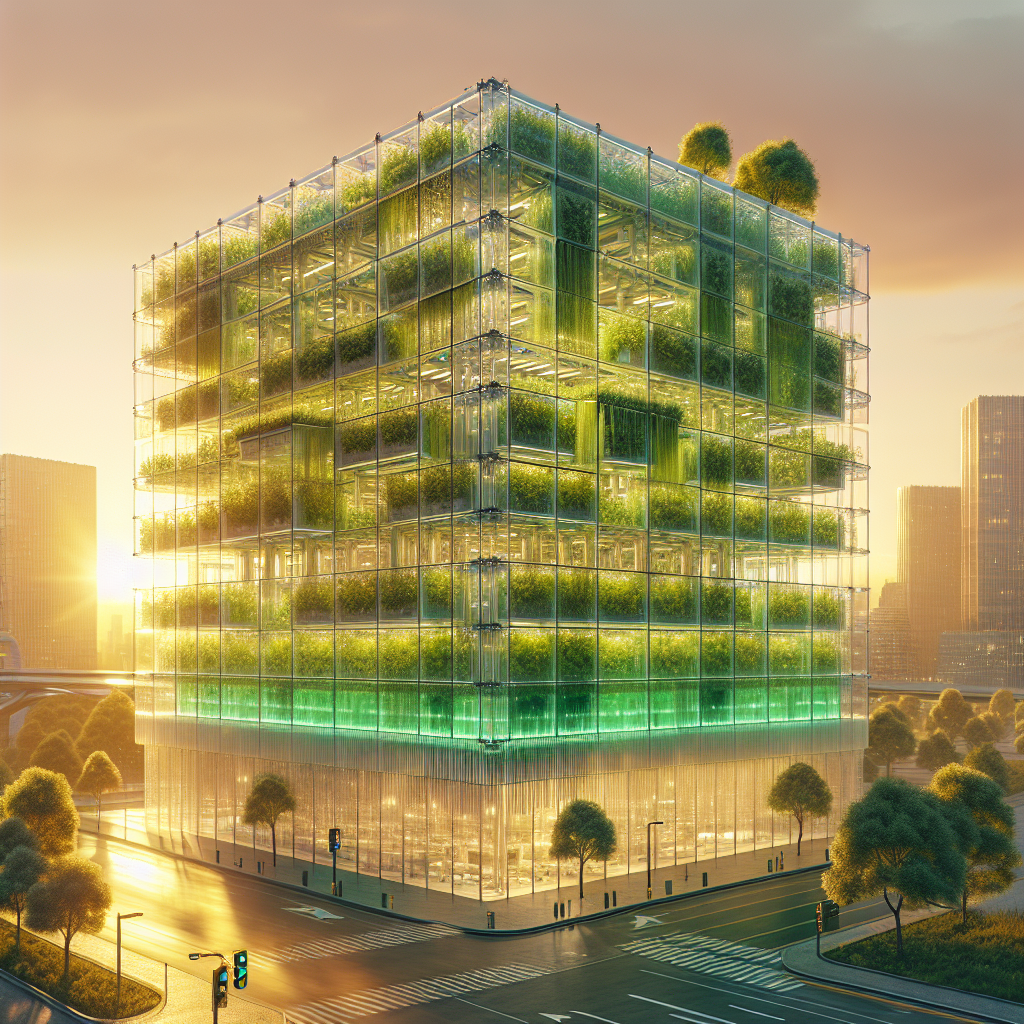
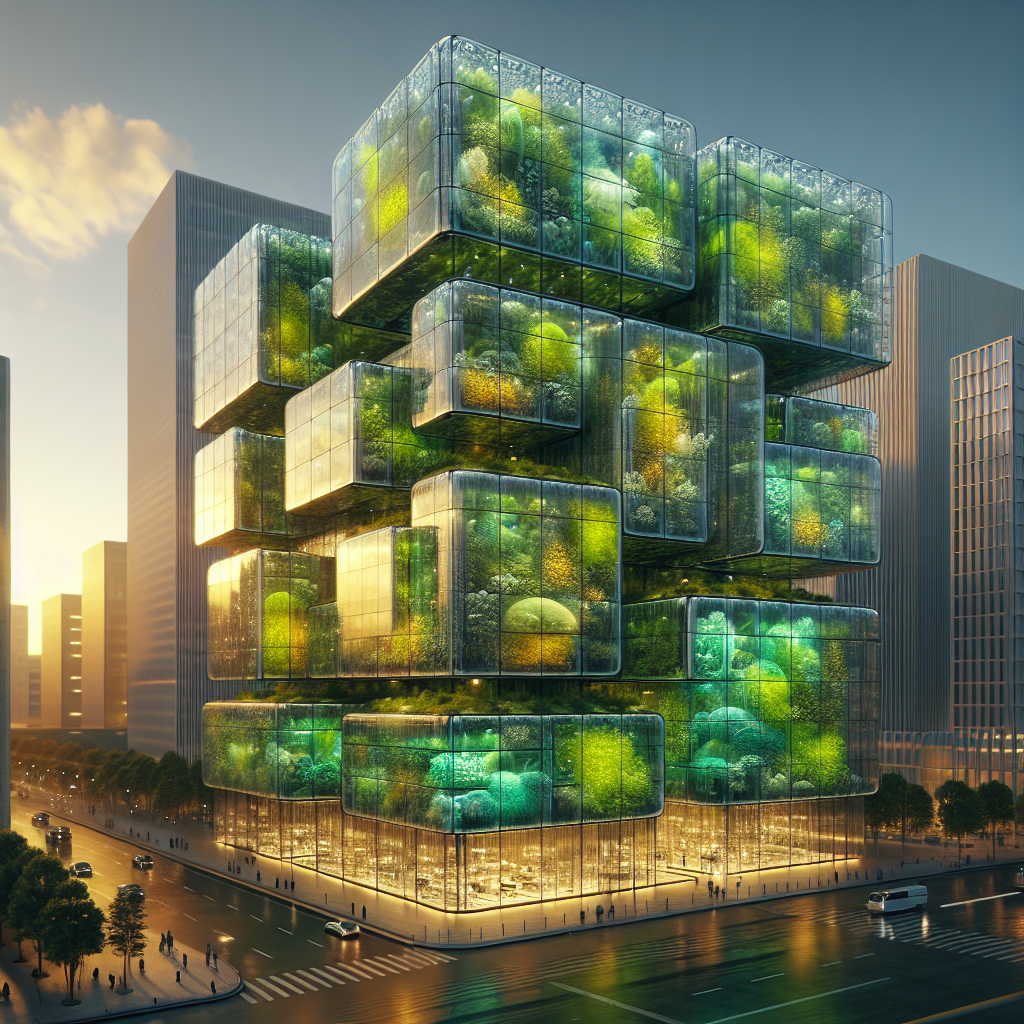
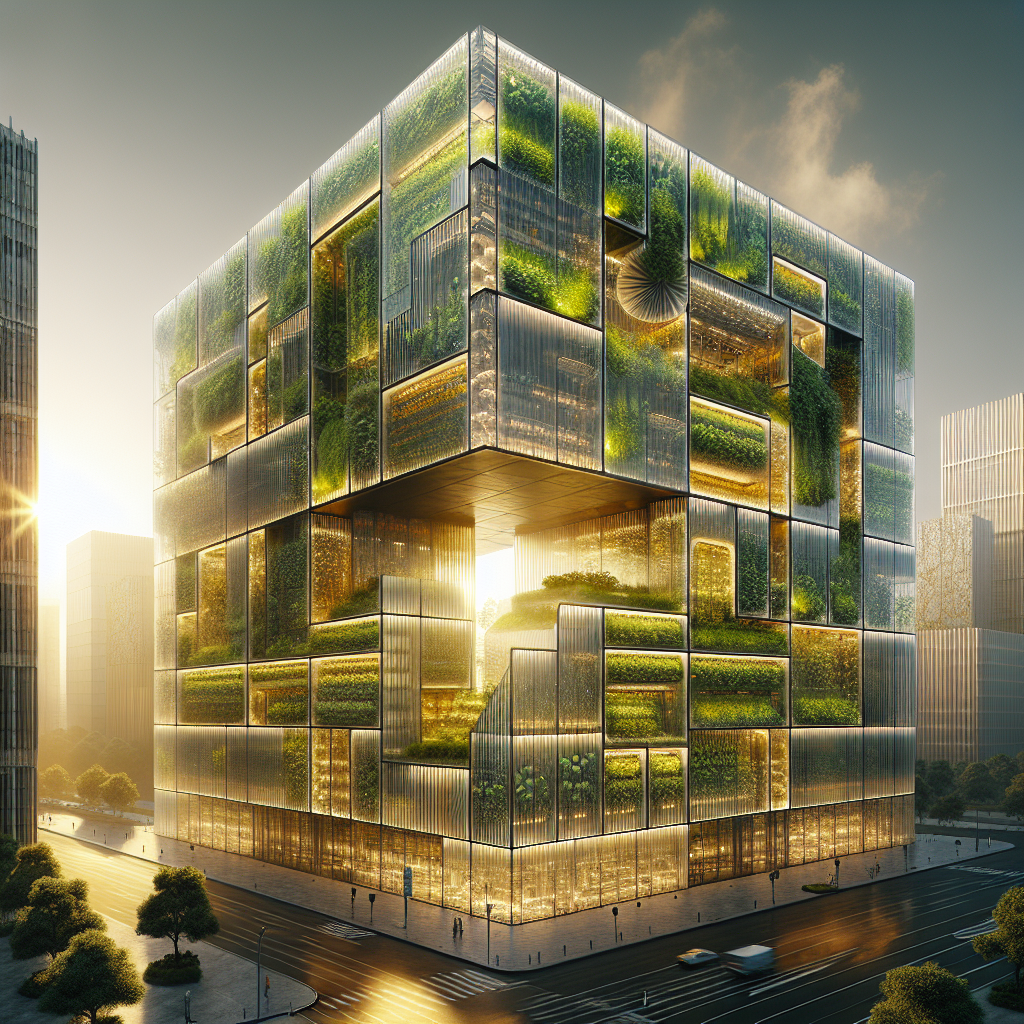
At the heart of this innovation lies a deceptively simple organism: microalgae. These photosynthetic microorganisms, long studied for their ability to capture carbon dioxide and produce oxygen, are now being cultivated within transparent facade panels. When integrated into architectural envelopes, they act as both biofilters and dynamic aesthetic elements. The result is a living facade that changes color as the algae’s density and pigmentation fluctuate in response to sunlight, temperature, and humidity.
AI systems continuously monitor environmental conditions, adjusting nutrient flow and light exposure to optimize both energy efficiency and visual expression. On overcast days, the panels may appear a muted jade; under bright sun, they bloom into iridescent emerald or even amber tones. This responsive chromatic play not only delights the eye but also signals real-time ecological processes—a visual dialogue between architecture and atmosphere.
AI as the New Gardener
In this new paradigm, artificial intelligence assumes the role of an invisible caretaker. Algorithms trained on climatic data predict shifts in weather patterns and adjust the biological parameters of the facade accordingly. The building becomes a responsive organism, its skin adapting to protect interiors from heat or cold while maintaining optimal conditions for the algae within.
This approach aligns with broader trends in AI-driven architecture, where computational systems not only design but also maintain structures post-construction. The integration of living materials introduces an additional layer of complexity—one that blurs the line between digital automation and biological evolution.
Color as Climate Indicator
Reactive algae facades are more than ornamental. Their shifting hues can serve as intuitive environmental indicators. Researchers at the Royal Institute of British Architects have noted that such bioresponsive systems could help urban dwellers visualize microclimatic changes in real time. A sudden shift from green to golden tones might signal a drop in humidity; a deepening of color could indicate rising CO₂ absorption rates.
In this sense, the building becomes a civic instrument—a public display of ecological intelligence. This concept resonates with the philosophy of biophilic design, which seeks to reconnect humans with natural processes through architecture. Here, nature is not simply referenced; it is embedded, cultivated, and allowed to evolve visibly.
Material Intelligence and the Path to Net Zero
Beyond aesthetics, the environmental performance of algae facades is compelling. Each square meter of algae culture can absorb as much carbon dioxide as a mature tree. When scaled across entire buildings, the impact becomes significant—transforming skyscrapers into vertical carbon sinks. The biomass produced can even be harvested for biofuel or fertilizer, creating a closed-loop system that embodies the principles of circular design.
This aligns with the ambitions outlined in net-zero architecture, where every material and process contributes to a regenerative ecological balance. In reactive algae facades, AI ensures that the biological system remains stable and efficient, minimizing human intervention while maximizing environmental benefit.
From Prototype to Urban Integration
Several pioneering projects have already demonstrated the feasibility of this approach. The BIQ House in Hamburg, completed in collaboration with Arup and Splitterwerk, remains a seminal example. Its photobioreactor panels generate both shade and energy, producing measurable reductions in carbon emissions. More recent prototypes, such as those developed by the Materials Today Institute, integrate machine learning to fine-tune the algae’s growth cycles for optimal performance.
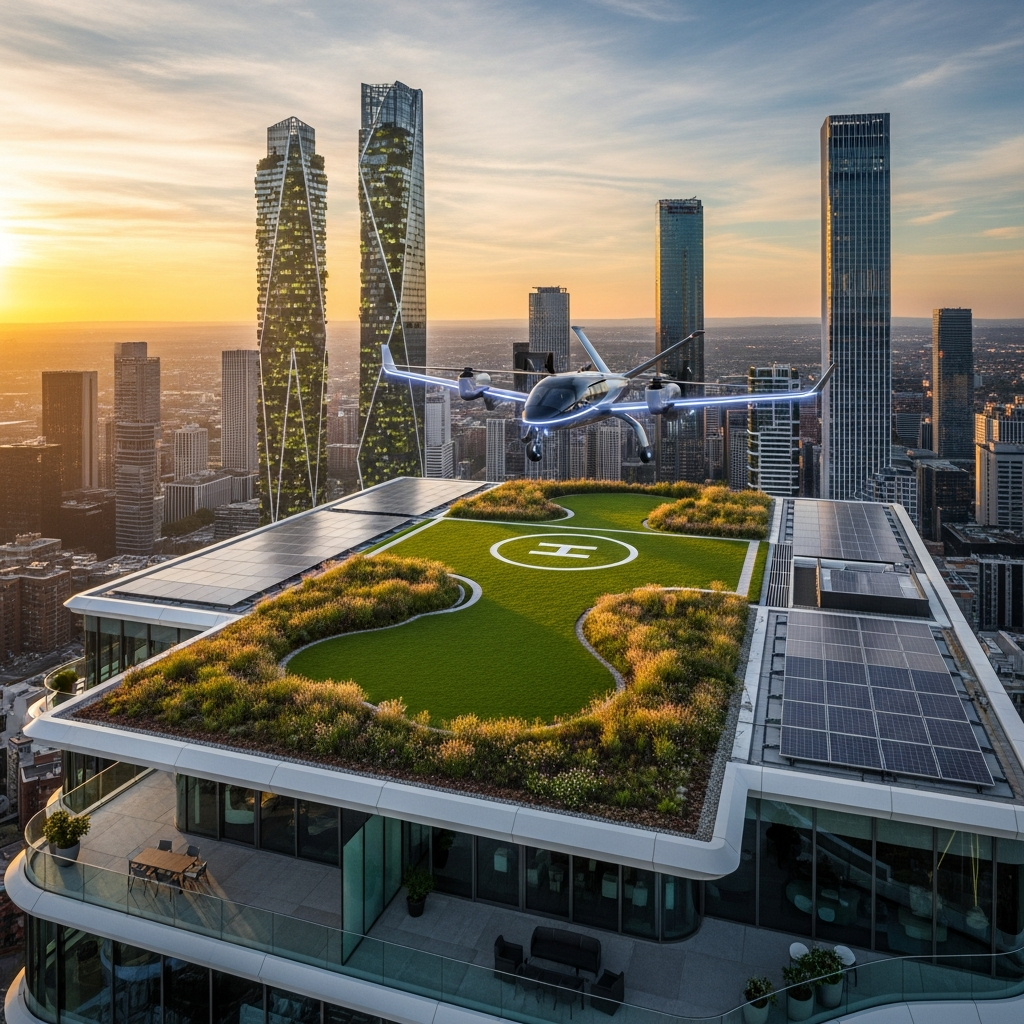
In dense urban contexts, these systems could transform the visual and environmental character of entire districts. Imagine a skyline that subtly ripples with chromatic life, where each building contributes to the city’s air purification and thermal regulation. Such visions echo the speculative urbanism explored in cinematic architecture—yet here, the fantasy is rooted in measurable science.
Challenges and Ethical Dimensions
Despite their promise, reactive algae facades raise complex questions. How do we maintain living materials at scale? What are the ethical implications of delegating biological management to AI systems? Researchers at the Renewable and Sustainable Energy Reviews journal caution that while the technology is ecologically sound, its maintenance requires careful calibration to prevent overgrowth or contamination.
Moreover, the aesthetic unpredictability of living systems challenges conventional notions of architectural control. Designers must learn to embrace variability, allowing buildings to age, mutate, and even decay gracefully. This acceptance of impermanence recalls the wabi-sabi philosophy—an acknowledgment that beauty lies in transformation.
The Future Palette of Urban Life
As climate-responsive design evolves, reactive algae facades may become part of a broader ecosystem of adaptive materials. Future cities could integrate them alongside kinetic shading systems, solar membranes, and breathable composites. Together, these technologies would create environments that sense, think, and respond—a choreography of architecture and atmosphere.
In this vision, color becomes not a superficial choice but a living metric of sustainability. The green shimmer of a facade might tell us that the city is breathing well; a pale tone might whisper of drought. Buildings cease to be static monuments and instead become participants in the planet’s metabolic cycle—a poetic, data-driven harmony between life and structure.
Conclusion: Toward a Symbiotic Aesthetic
Reactive algae facades represent more than a technological novelty. They embody a philosophical shift—from architecture as object to architecture as organism. In an era defined by environmental urgency, such living systems offer a blueprint for coexistence. They remind us that intelligence in design need not be artificial alone; it can also be biological, luminous, and profoundly human in its empathy for the world it inhabits.
{
  "seo_title": "Reactive Algae Facades: AI-Designed Buildings",
  "meta_description": "Explore how reactive algae facades use AI to create buildings that change color with the weather, blending sustainability and design innovation.",
  "excerpt": "Could the future of architecture be alive? Reactive algae facades merge AI and biology to create color-shifting, carbon-absorbing buildings that breathe with the weather.",
  "focus_keyphrase": "reactive algae facades"
}
AI Image Prompts
Prompt: Photorealistic image of a futuristic office building with a reactive algae facade shimmering in green and gold hues under changing sunlight, captured on a Hasselblad H6D at golden hour. Alt text: AI-designed building with reactive algae facade changing color with sunlight. Caption: The living facade of tomorrow—architecture that breathes and glows with the weather.
Prompt: Close-up of algae-filled glass panels on a modern high-rise, with visible microbubbles and subtle color gradients, shot on a Hasselblad X2D in macro mode. Alt text: Detail of algae-filled bioreactor panels on sustainable building. Caption: A microscopic world made visible—microalgae transforming facades into living ecosystems.
Prompt: Aerial view of a sustainable urban district featuring multiple AI-managed algae-clad buildings reflecting sunset tones, photographed with a Hasselblad drone camera. Alt text: Aerial cityscape with reactive algae buildings glowing at sunset. Caption: A city that breathes: AI-managed facades creating a living urban fabric.
Prompt: Interior shot showing filtered green light through algae panels, casting organic shadows across minimalist furniture, captured on a Hasselblad X1D. Alt text: Interior illuminated by green light from algae facade panels. Caption: Inside the living building—sunlight refracted through a biological lens.
To provide the best experiences, we use technologies like cookies to store and/or access device information. Consenting to these technologies will allow us to process data such as browsing behavior or unique IDs on this site. Not consenting or withdrawing consent, may adversely affect certain features and functions.
Functional
Always active
The technical storage or access is strictly necessary for the legitimate purpose of enabling the use of a specific service explicitly requested by the subscriber or user, or for the sole purpose of carrying out the transmission of a communication over an electronic communications network.
Preferences
The technical storage or access is necessary for the legitimate purpose of storing preferences that are not requested by the subscriber or user.
Statistics
The technical storage or access that is used exclusively for statistical purposes.The technical storage or access that is used exclusively for anonymous statistical purposes. Without a subpoena, voluntary compliance on the part of your Internet Service Provider, or additional records from a third party, information stored or retrieved for this purpose alone cannot usually be used to identify you.
Marketing
The technical storage or access is required to create user profiles to send advertising, or to track the user on a website or across several websites for similar marketing purposes.