
#REF!
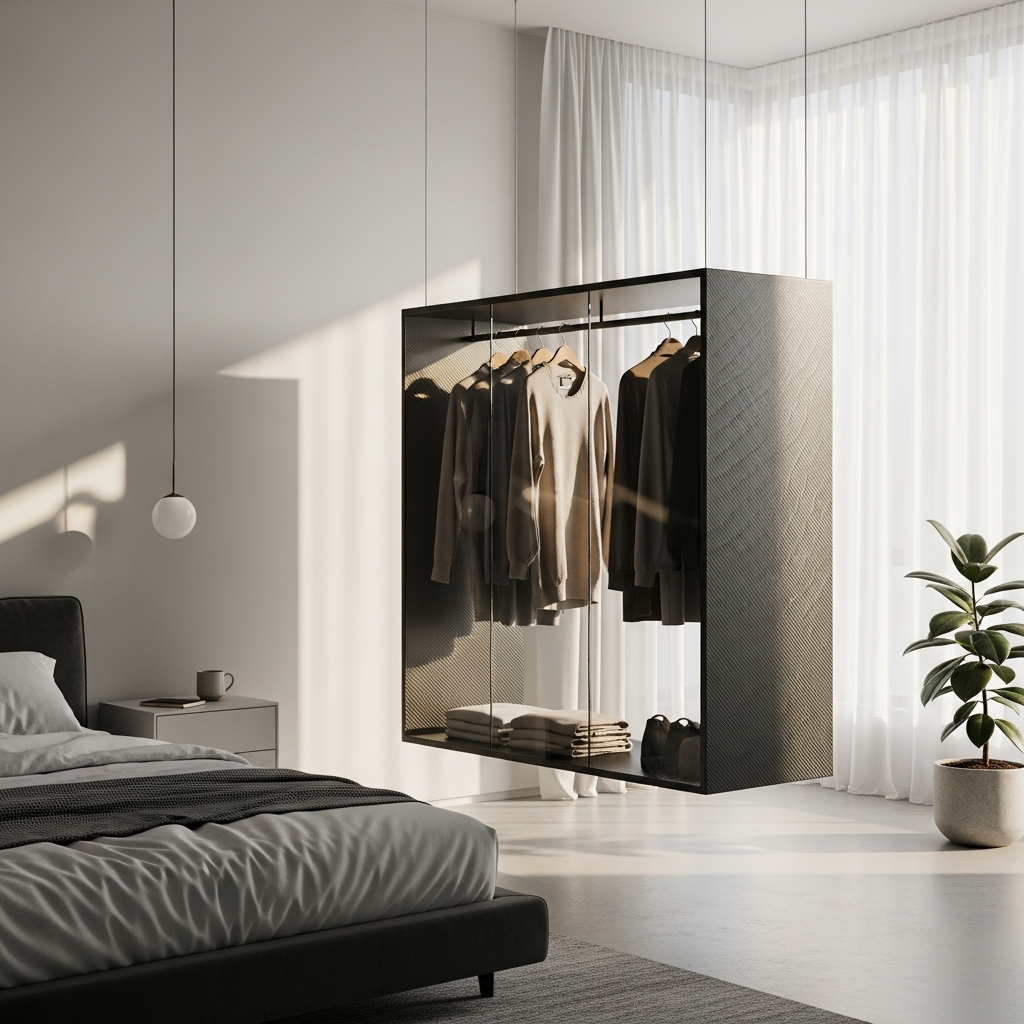
The End of Classic Wardrobes: Suspended Storage Systems Imagined by AI
For over a century, the wardrobe has stood as a symbol of domestic order—a vertical monolith of privacy and personal style. Yet, as homes become smaller, smarter, and more fluid, the traditional wardrobe is being reimagined. Enter the era of suspended storage systems: weightless, modular, and often designed with the assistance of artificial intelligence. These systems are not merely furniture; they are spatial strategies, hovering between architecture and automation.
From Furniture to Infrastructure
In the contemporary home, the line between architecture and furniture is dissolving. Walls now slide, ceilings conceal lighting grids, and storage systems float mid-air. Suspended wardrobes—anchored to ceilings or structural beams—embody this shift. They liberate the floor, creating a sense of openness and fluidity that resonates with the minimalist aesthetic of the 2020s. According to the ArchDaily design index, ceiling-mounted storage has surged in popularity across compact urban apartments, particularly in Tokyo, Milan, and Copenhagen.
Artificial intelligence plays a pivotal role in this evolution. Algorithms trained on spatial efficiency and user behavior are generating designs that anticipate movement patterns, lighting conditions, and even emotional responses. This echoes the broader movement toward AI in architecture, where machine learning informs not only structure but also atmosphere. The result is storage that feels alive—responsive to both the user and the room.
The Aesthetic of Lightness
Suspended storage systems redefine the visual language of interiors. Where once wardrobes were heavy, opaque, and static, these new iterations appear to float. Materials such as carbon fiber, tempered glass, and aluminum honeycomb panels allow for strength without mass. Some designers are experimenting with translucent textiles and recycled composites, inspired by the principles of reclaimed materials and circular design.
In a sense, these systems are the architectural equivalent of haute couture—tailored, dynamic, and deeply personal. They adapt to ceiling heights, morph around lighting fixtures, and integrate seamlessly with smart home ecosystems. The International Journal of Interior Architecture notes that suspended systems can reduce visual clutter by up to 40%, enhancing the perception of space and calm—a principle closely aligned with the philosophy of biophilic design.
AI as the New Artisan
Artificial intelligence is no longer confined to the digital realm; it is shaping tangible, tactile realities. Designers are using generative algorithms to produce suspended storage systems that balance weight distribution, optimize ergonomics, and even simulate airflow. The result is a choreography of function and form that would be impossible through manual drafting alone.
At the Massachusetts Institute of Technology’s Architecture Department, researchers are exploring “parametric suspension”—AI-generated frameworks that adjust their tension based on load and environmental factors. These systems behave almost organically, tightening when filled, relaxing when empty. It’s a poetic inversion of gravity, a redefinition of how we occupy space.
Material Intelligence and Sustainability
Suspended storage systems also respond to the urgent demand for sustainability. By minimizing the need for floor-based structures, they reduce material consumption and simplify disassembly for recycling. Some prototypes employ biodegradable polymers or tension cables made from mycelium-based fibers—materials that align with the principles of Materials Today’s research into bio-based composites.
Moreover, these systems encourage behavioral sustainability. When storage is visible and elevated, users tend to own less, choosing intentionality over accumulation. The “floating wardrobe” becomes a psychological prompt toward minimalism, echoing the same ethos that drives the zero-waste and circular economy movements in design.
Spatial Psychology: The Floating Effect
Beyond aesthetics and sustainability, suspended storage influences how we feel in a space. The absence of heavy furniture creates a sense of levity and freedom. In small apartments, this can transform the atmosphere entirely—turning cramped rooms into open sanctuaries. According to a 2025 study by the American Institute of Architects, suspended systems contribute to improved spatial perception and even reduce stress levels by enhancing visual flow.
Designers are also experimenting with lighting integration. LED strips embedded within suspension cables or panels create ambient illumination that shifts throughout the day. Some systems are responsive—brightening as a user approaches, dimming when they leave. This fusion of function and emotion marks a new era of responsive design, where storage becomes an experience rather than a static necessity.
Case Studies: The New Domestic Landscape
In Milan, Studio Altra’s “Levità” wardrobe system uses carbon-fiber rods and magnetic suspension to create a hovering closet that rotates gently when touched. In Tokyo, architect Yuki Sato’s “AirFrame” integrates AI-driven load sensors that redistribute weight automatically. Meanwhile, Scandinavian studios are exploring modular hanging rails that can be reconfigured seasonally, aligning with the rhythms of life rather than resisting them.
These innovations mirror the broader transformation of domestic design. As seen in the rise of space-saving furniture, the home is no longer a static container but a living organism—adaptive, efficient, and expressive. Suspended storage systems are the latest manifestation of this shift, blending technology, craft, and psychology into a single, elegant gesture.
The Future of Suspension
Looking ahead, the convergence of AI, robotics, and material science will likely make suspended systems even more intelligent. Imagine wardrobes that descend at a voice command, self-adjust to humidity, or reconfigure themselves when you move apartments. The wardrobe, once a symbol of permanence, is becoming an emblem of adaptability.
In this new domestic paradigm, gravity is no longer a constraint but a collaborator. The suspended wardrobe—part sculpture, part infrastructure—embodies the essence of contemporary design: light, intelligent, and profoundly human.
{
  "seo_title": "The End of Classic Wardrobes",
  "meta_description": "Explore how AI redefines wardrobes with suspended storage systems that blend design, technology, and sustainability.",
  "excerpt": "Could the wardrobe as we know it disappear? Suspended storage systems imagined by AI are transforming how we inhabit and perceive domestic space.",
  "focus_keyphrase": "suspended storage systems"
}
AI Image Prompts
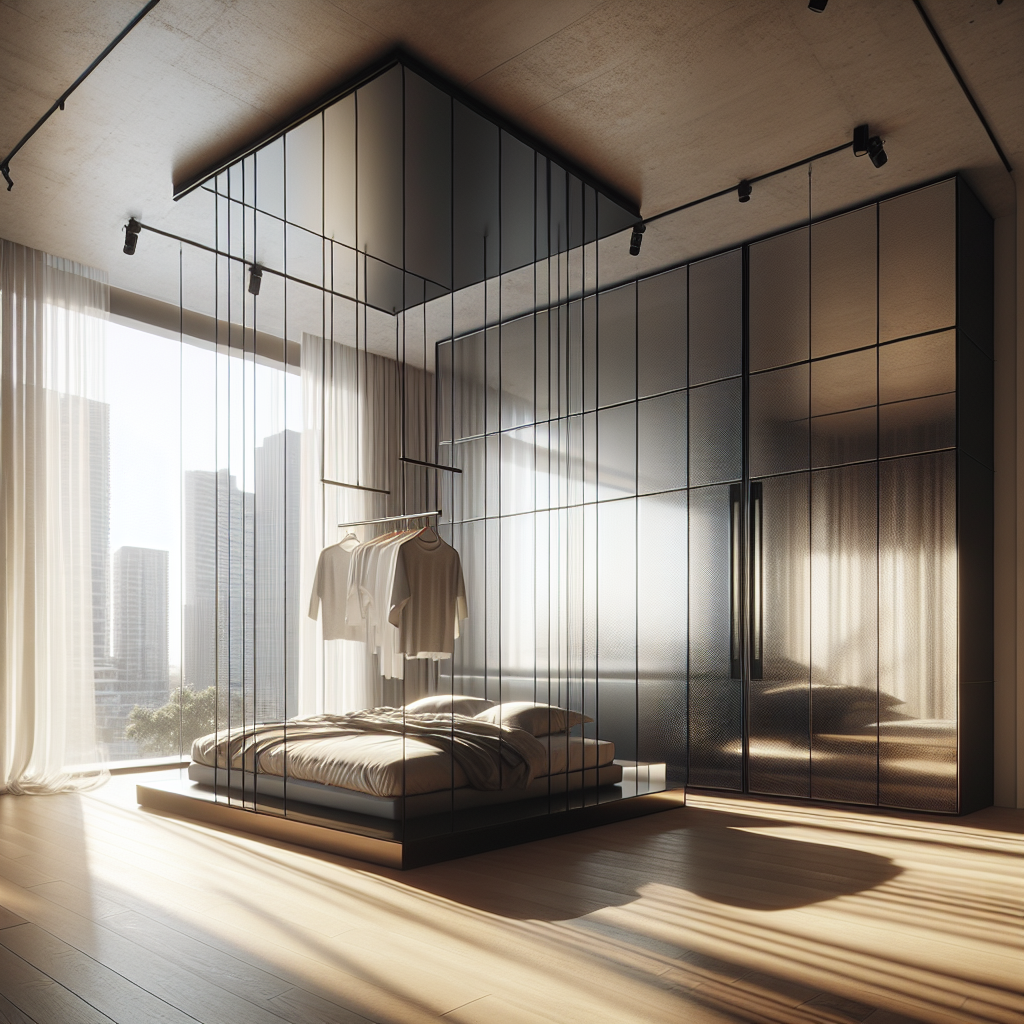
- Prompt: Photorealistic image of a minimalist bedroom featuring a suspended wardrobe system made of carbon fiber and glass, shot on a Hasselblad H6D with natural morning light filtering through sheer curtains.
Alt text: Floating carbon fiber wardrobe in minimalist bedroom.
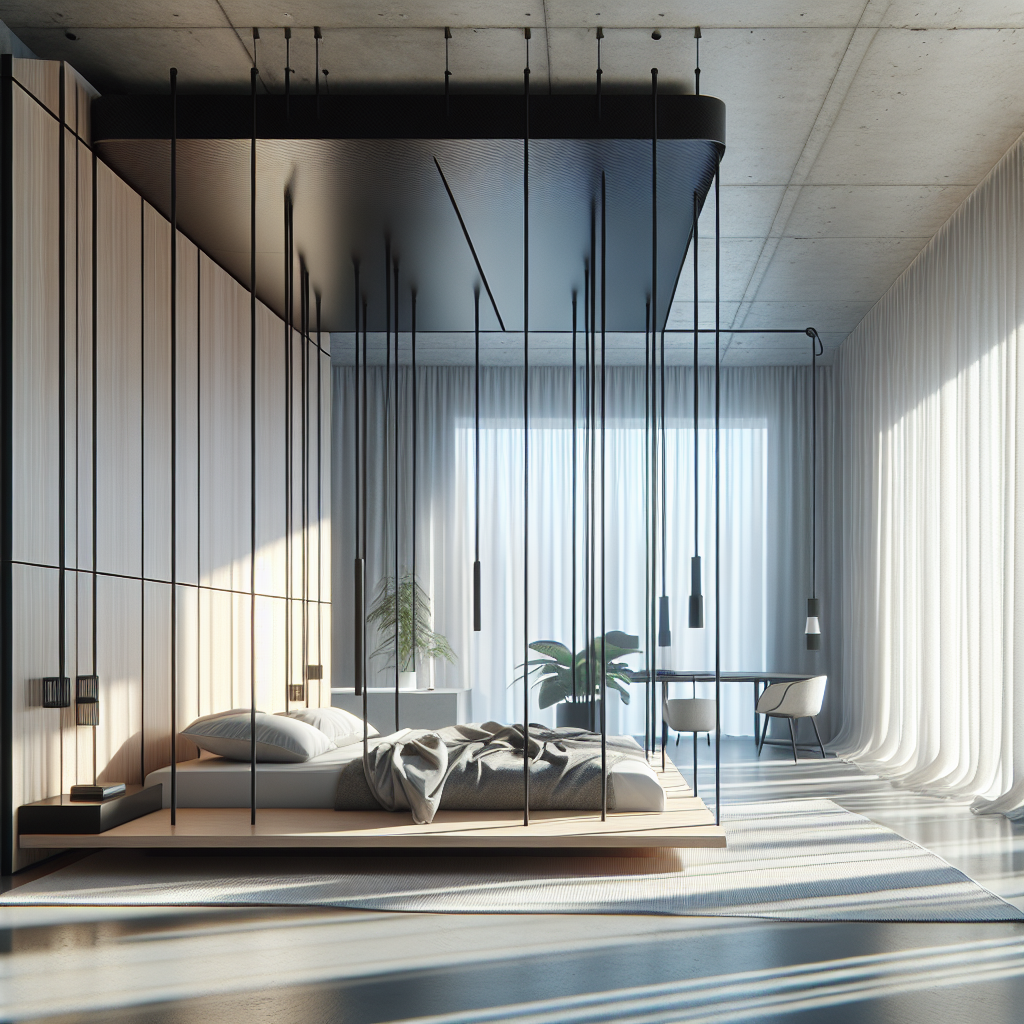
Caption: A suspended wardrobe transforms the bedroom into a serene, gravity-defying retreat. - Prompt: Modern apartment interior with AI-designed hanging storage modules, matte aluminum finish, and integrated LED lighting, captured in a wide-angle Hasselblad shot.
Alt text: AI-designed suspended storage with integrated lighting.
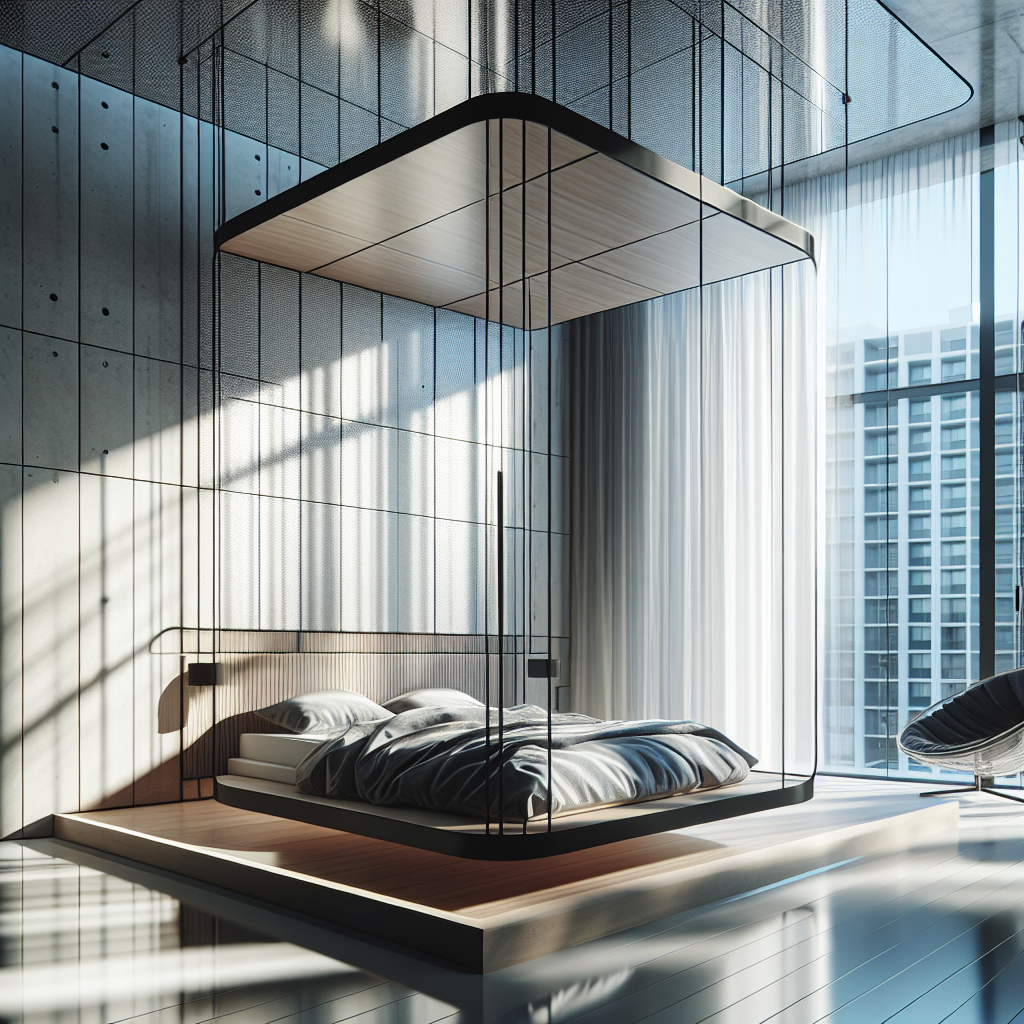
Caption: Intelligent lighting and modular suspension redefine the boundaries of modern living. - Prompt: Scandinavian-inspired living space with translucent textile storage panels suspended from the ceiling, photographed on a Hasselblad X2D under soft daylight.
Alt text: Translucent textile suspended storage in Scandinavian interior.
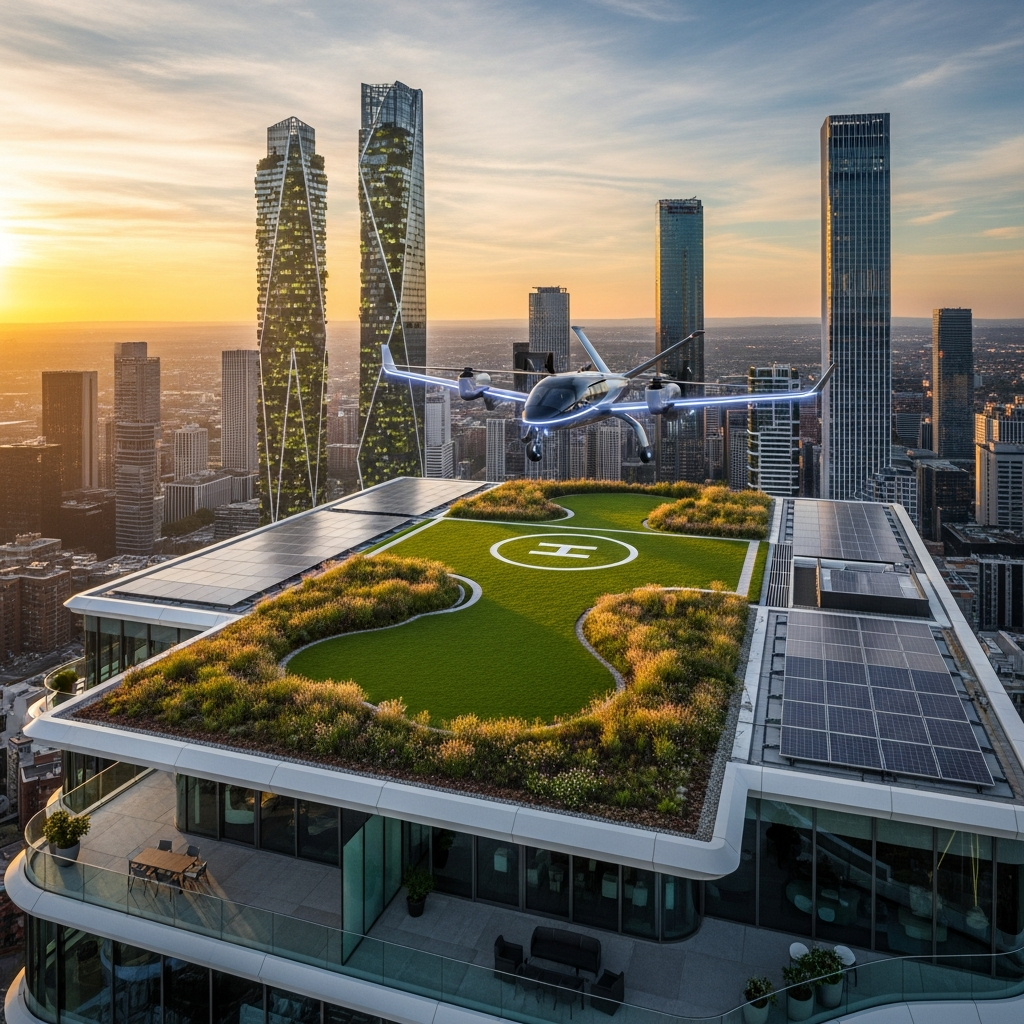
Caption: Ethereal materials and minimal geometry bring lightness to everyday storage. - Prompt: Futuristic AI-generated wardrobe concept with mycelium-based tension cables and responsive lighting, shot on a Hasselblad in high-resolution studio lighting.
Alt text: AI-generated suspended wardrobe with mycelium cables.
Caption: Bio-based materials and AI algorithms converge in a vision of sustainable elegance.
Social Media Strategy
Main Post Caption:
What if your wardrobe could float? Discover how AI is reimagining storage as sculpture. The future of interiors is suspended—literally. Explore the full story on Mainifesto.com.
Call to Action: Tap the link in bio to see how design is defying gravity.
Hashtags:
#AIDesign #SuspendedStorage #InteriorInnovation #SmartLiving #DesignFuture #MinimalistHome #SustainableDesign #AI