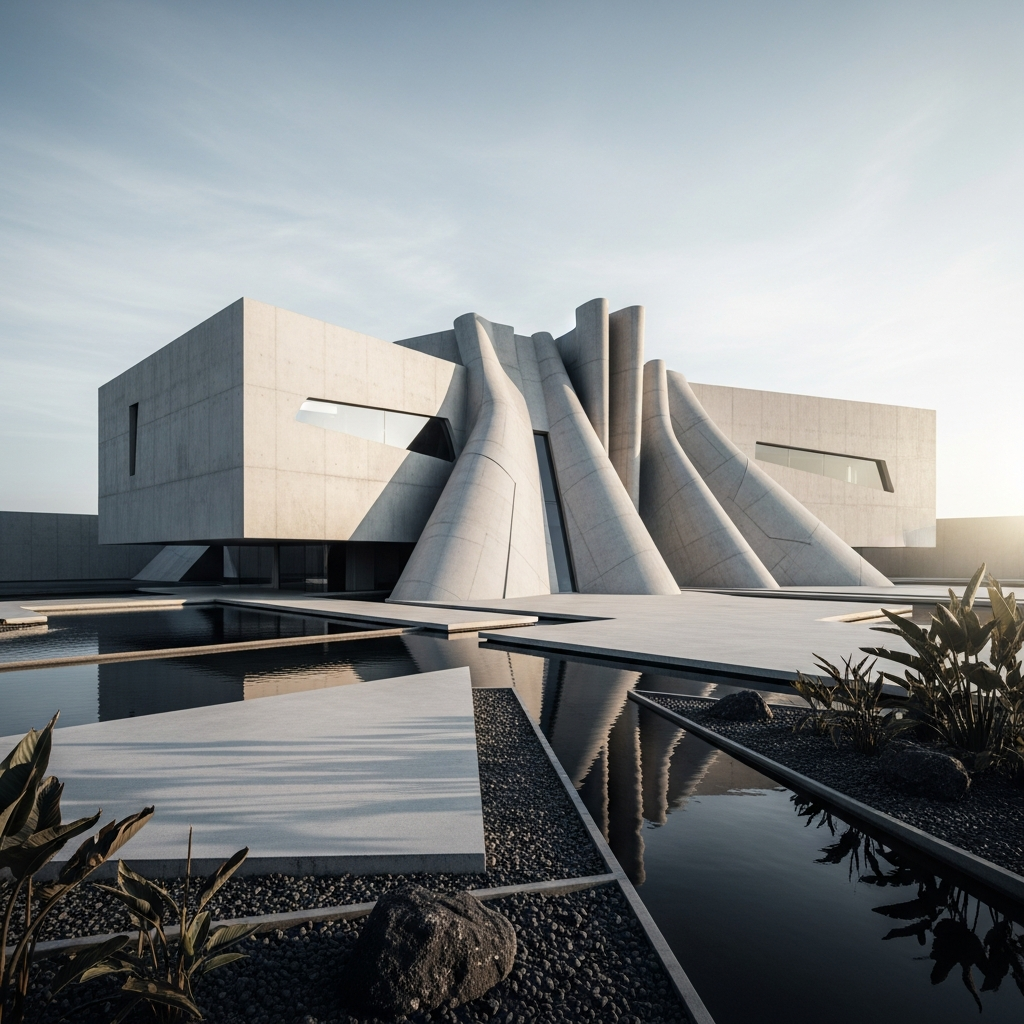

The Breathing Building: Facades That Filter Air Like Real Forests
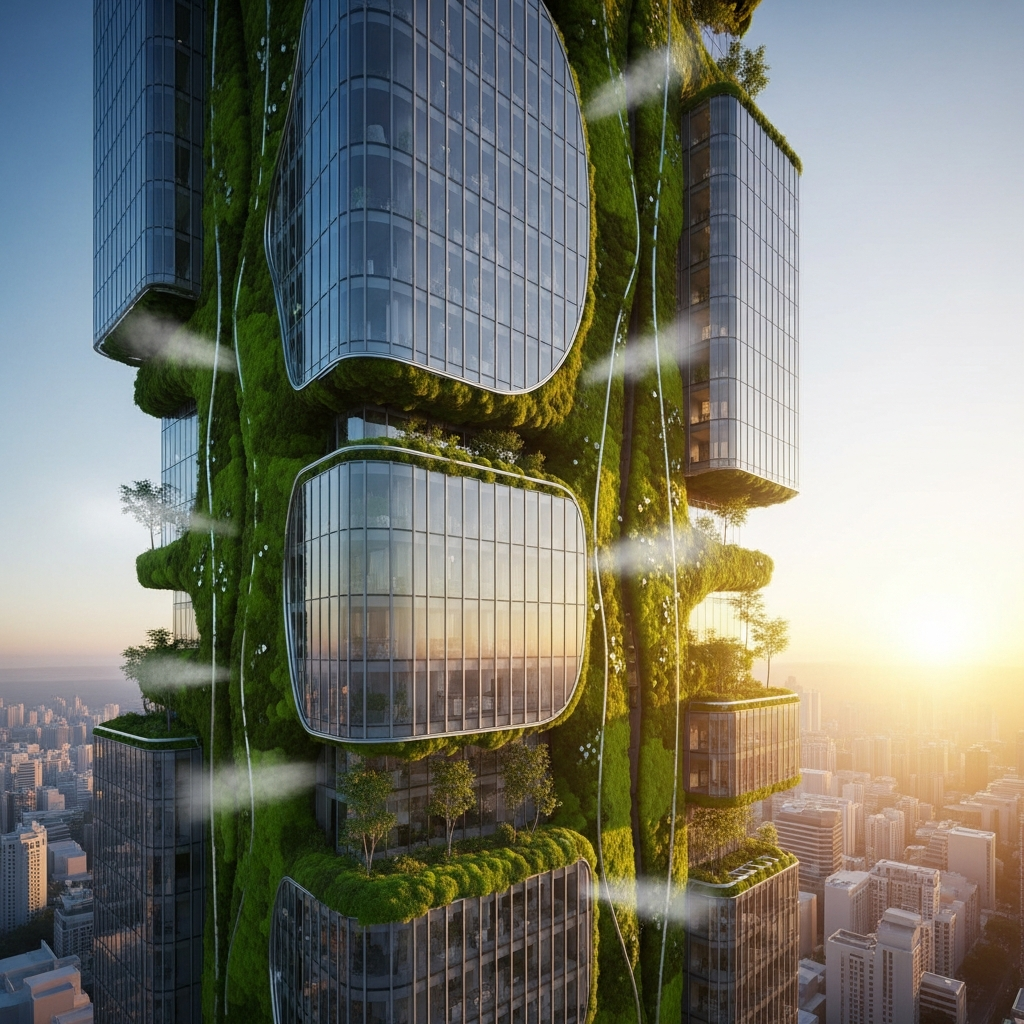
The Breathing Building: Facades That Filter Air Like Real Forests
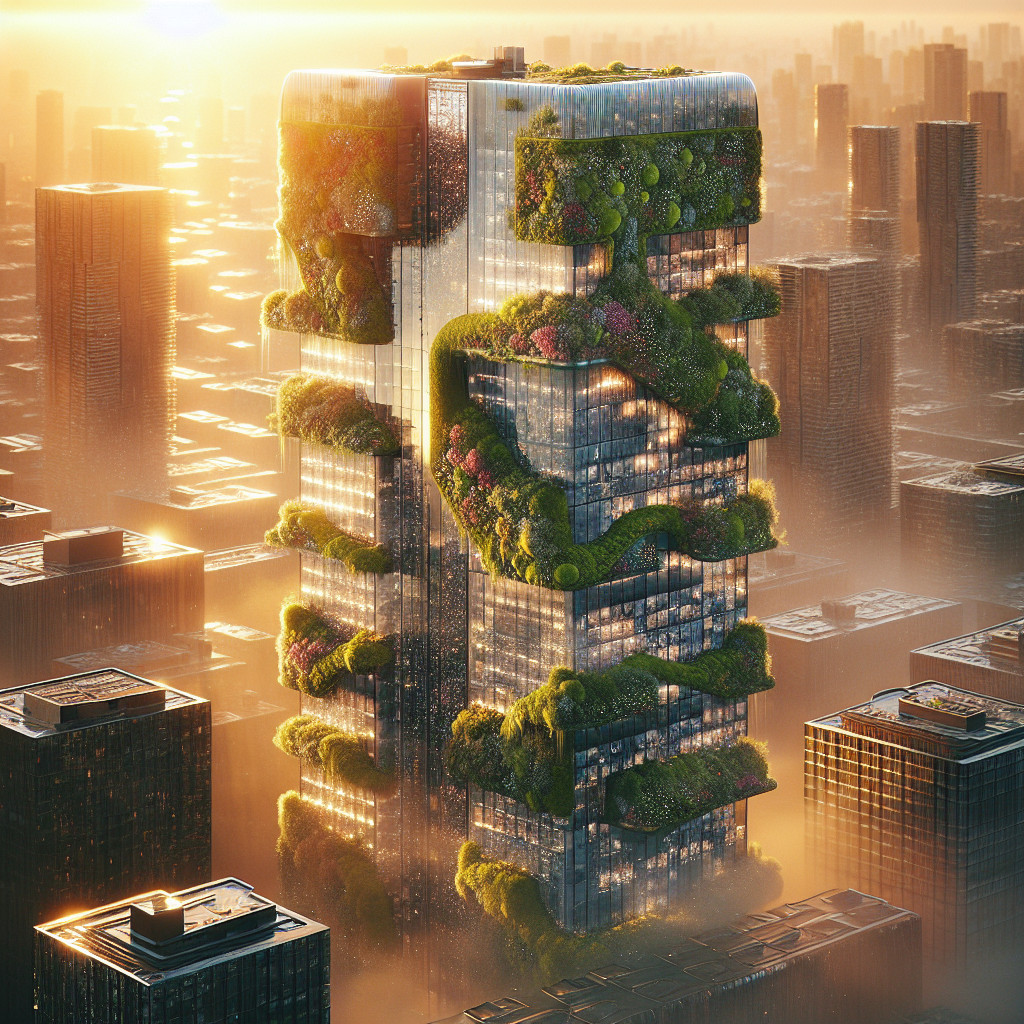
In the heart of our increasingly urbanized world, a quiet revolution is taking place—one that blurs the line between architecture and ecology. The “breathing building” is no longer a poetic metaphor but a tangible, functioning reality. These structures inhale pollution and exhale clean air, mimicking the natural filtration systems of forests. Their façades—alive with bioengineered mosses, algae panels, and reactive membranes—are redefining what it means for architecture to coexist with the environment.
From Static Walls to Living Skins
For centuries, façades were the static faces of buildings—ornamental, protective, and inert. Today, they are dynamic systems, engineered to interact with their surroundings. Architects and scientists are collaborating to create surfaces that actively filter particulates, absorb carbon dioxide, and release oxygen. This new generation of façades, inspired by biomimicry in design, takes cues from the respiratory systems of plants and the self-regulating properties of ecosystems.
At the core of these innovations lies material intelligence. Researchers at the Architects’ Journal have reported that bio-reactive panels, made from microalgae suspended in transparent glass modules, can capture up to 2 kilograms of CO₂ per square meter annually. Meanwhile, hydrogel-infused membranes developed by the Fraunhofer Institute in Germany can absorb humidity and release it as cool air, creating microclimates that reduce the need for mechanical ventilation.
Architecture as an Ecological Machine
“Buildings are no longer passive consumers of energy—they are becoming active participants in urban metabolism,” says Dr. Elena Ruiz, an environmental engineer at ETH Zurich. Her team’s latest prototype, a mixed-use tower in Basel, features a façade embedded with living microalgae that not only filters air but also produces biomass for renewable energy. The building functions as a closed-loop system, where architecture, biology, and technology converge.
This shift aligns with the broader movement toward biodegradable architecture and regenerative design. Rather than merely reducing harm, these projects aim to restore ecological balance. The façade becomes a breathing interface—a mediator between the built and the natural world.
Urban Forests in Vertical Form
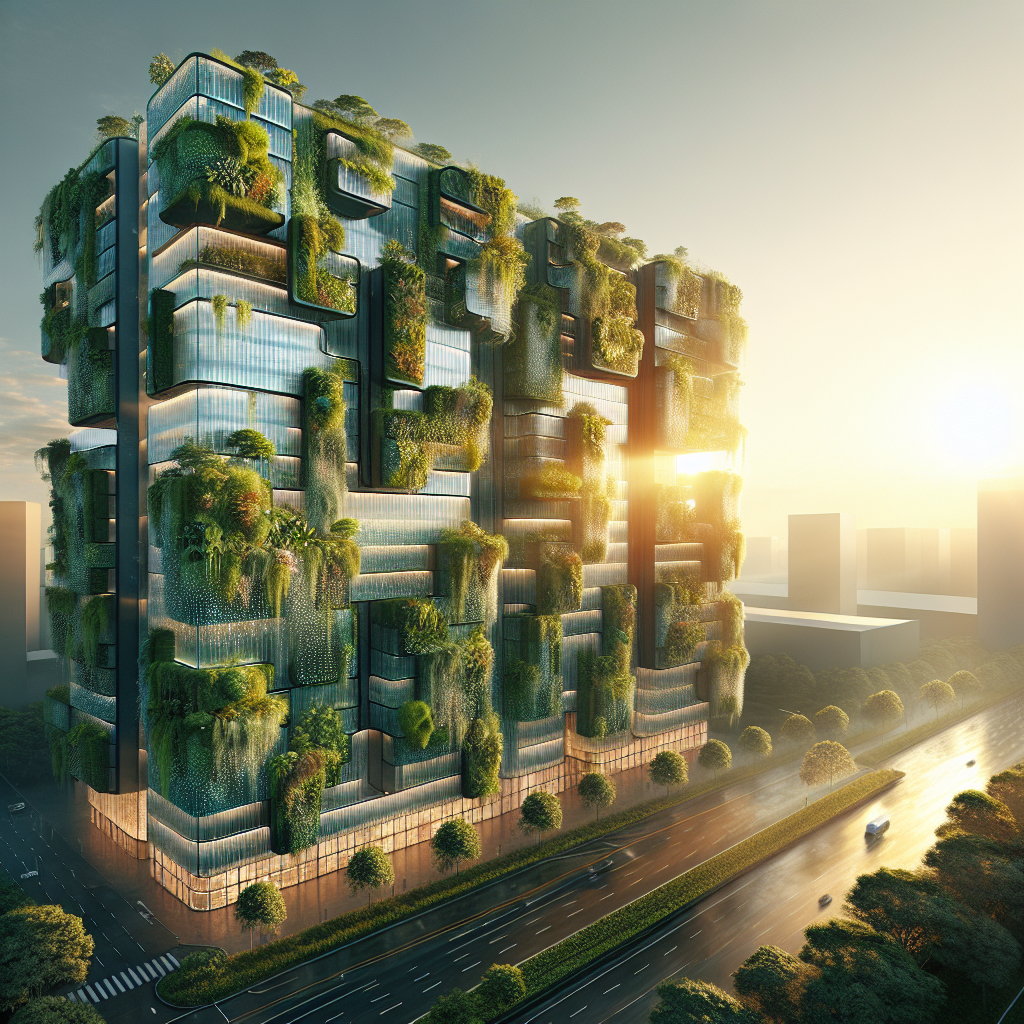
Nowhere is this philosophy more visible than in the proliferation of vertical forests. Stefano Boeri’s Bosco Verticale in Milan, completed in 2014, set a precedent for integrating vegetation into high-rise design. Yet the next generation of “breathing buildings” goes beyond aesthetics. In Singapore, the Oasia Hotel Downtown’s red aluminum mesh façade supports over 21 species of climbing plants, creating a living ecosystem that cools the building naturally and provides habitat for birds and insects.
According to the Council on Tall Buildings and Urban Habitat, integrating vegetation into façades can reduce surface temperatures by up to 10°C, significantly lowering urban heat island effects. This data underscores the potential of bioactive architecture to transform not just individual buildings but entire cityscapes.
Material Alchemy: The Science Behind the Breath
The technological underpinnings of these façades are as fascinating as their visual impact. Photocatalytic coatings, for instance, use titanium dioxide to break down pollutants when exposed to sunlight—a process known as photocatalysis. The Torre de Especialidades in Mexico City employs this technology, neutralizing the equivalent of 1,000 cars’ worth of emissions daily. Similarly, research published in the Building and Environment Journal reveals that biofilms of cyanobacteria can be integrated into porous ceramics, allowing façades to “breathe” and self-clean over time.
Meanwhile, architects are experimenting with responsive materials that adapt to environmental conditions. Thermochromic surfaces shift color based on temperature, while shape-memory alloys adjust shading and ventilation dynamically. These innovations echo the adaptive intelligence of natural systems—a theme explored in responsive design across multiple disciplines.
Challenges: Maintenance, Aesthetics, and Urban Integration
Despite their promise, breathing façades face practical challenges. Maintaining living materials in polluted or arid environments requires careful calibration of irrigation, nutrient delivery, and sunlight exposure. Architects must also reconcile the tension between organic irregularity and the clean geometries of modernist design. Yet this very tension—between control and growth—may define the next aesthetic frontier in architecture.
As cities like Tokyo, Paris, and Toronto pilot bioactive façades, urban planners are rethinking zoning laws and maintenance frameworks to accommodate living architecture. The result is a paradigm shift: buildings are no longer isolated entities but contributors to a shared ecological network.
Designing for Breathability: The Future of Urban Life
In the context of climate adaptation, the breathing building represents more than a technological novelty—it is a necessity. With air pollution claiming millions of lives annually, integrating air-filtration systems into architecture could become as standard as insulation or plumbing. This approach resonates with the principles of green architecture, which advocates for symbiosis rather than separation between humans and nature.
Architectural studios such as EcoLogic and BioUrban are already developing modular façade systems that can retrofit existing buildings, turning them into air-purifying structures. Their prototypes, tested in Mexico City and Seoul, demonstrate measurable reductions in nitrogen oxides and particulate matter. The implications are profound: entire neighborhoods could one day function as collective lungs for their cities.
Breathing Cities: A Vision for 2030
Imagine walking through a metropolis where every building contributes to cleaner air, where façades shimmer with living textures, and where the scent of chlorophyll replaces the tang of exhaust. This is not utopian fantasy—it is a plausible trajectory grounded in material science, biotechnology, and design innovation. The breathing building is both a technological marvel and a philosophical statement: that architecture, at its best, should not merely shelter life but sustain it.
As the world confronts the intertwined crises of climate change and urban pollution, the question is no longer whether buildings can breathe—but how soon they all will.
{
  "seo_title": "The Breathing Building Revolution",
  "meta_description": "Discover how breathing building facades filter air like forests, merging architecture and ecology for a sustainable future.",
  "excerpt": "Could our cities one day breathe like forests? Discover how living facades are transforming architecture into an ecological force.",
  "focus_keyphrase": "breathing building facades"
}
AI Image Prompts
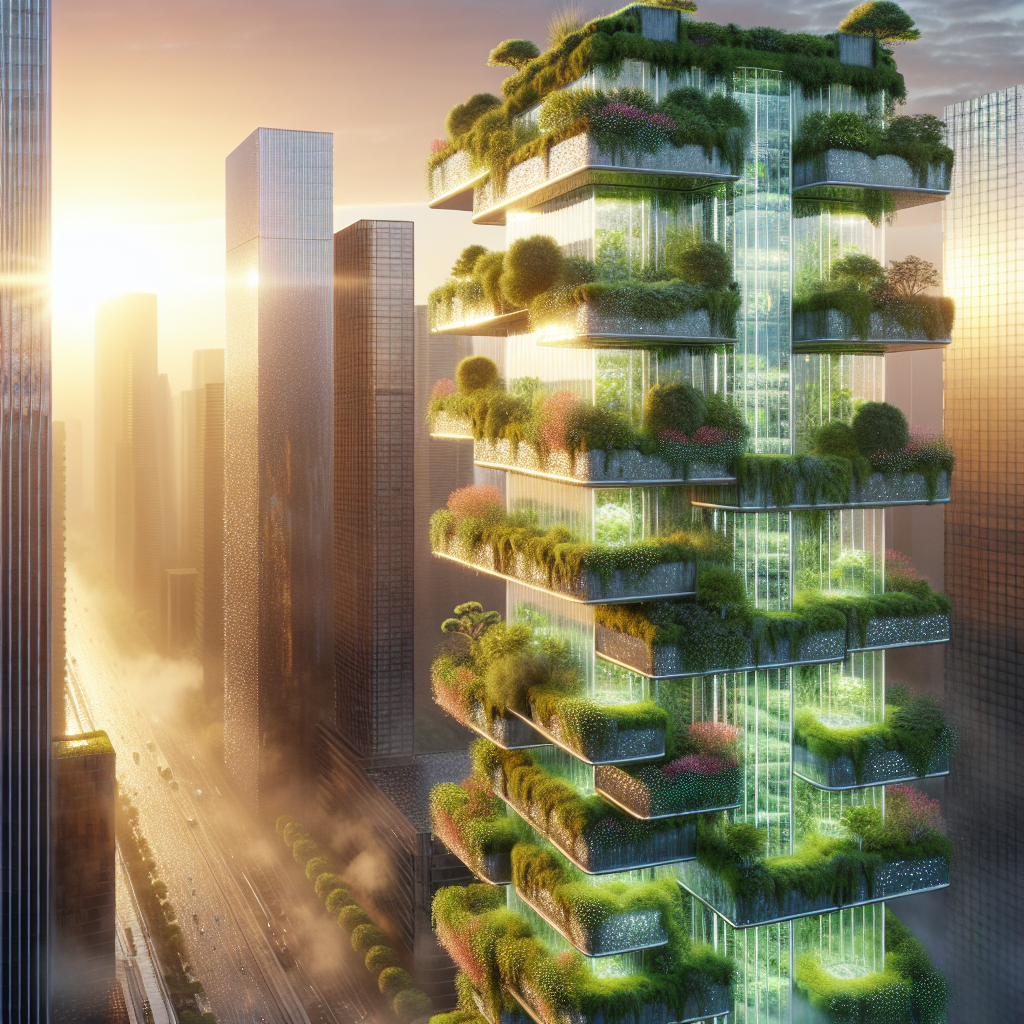
- Image Prompt 1: A photorealistic image of a futuristic skyscraper with a living green façade composed of moss, algae panels, and transparent glass modules, captured on a Hasselblad H6D at sunrise with soft golden light reflecting off dew-covered leaves.
Alt text: “Living skyscraper with bioactive façade filtering urban air.”
Caption: “A new generation of buildings that inhale pollution and exhale oxygen.” - Image Prompt 2: A close-up macro shot of a bio-reactive panel with visible microalgae cells illuminated by natural sunlight, showcasing intricate cellular structures and condensation droplets.
Alt text: “Microalgae bio-reactive panel used in breathing building façades.”
Caption: “Microalgae panels transform sunlight and CO₂ into clean air and energy.” - Image Prompt 3: A city street in Singapore lined with mid-rise buildings covered in vertical gardens and living façades, photographed mid-day with pedestrians and cyclists in frame.
Alt text: “Urban street with vertical gardens and air-filtering façades.”
Caption: “Breathing architecture reshapes urban life, one façade at a time.” - Image Prompt 4: A nighttime shot of a bioluminescent façade glowing softly with embedded algae, reflecting in a nearby water feature, taken with a Hasselblad X2D under low-light conditions.
Alt text: “Bioluminescent building façade glowing at night.”
Caption: “Where architecture meets biology—living walls that illuminate and purify.”
Social Media Strategy
Instagram Main Post
Caption: “What if your building could breathe? 🌿 Discover the rise of ‘breathing façades’