Neolithic Luxury: High-Tech Homes That Look Like Ancient Caves
Neolithic Luxury: High-Tech Homes That Look Like Ancient Caves
In 2026, luxury architecture is rediscovering its primal roots. Across the world, architects are crafting homes that appear to have been carved from the earth itself—massive, sculptural dwellings that merge cutting-edge technology with the raw, tactile intimacy of prehistoric caves. This aesthetic, often called “Neolithic Luxury,” represents a profound shift in how we define comfort, sustainability, and connection to place. These homes are not nostalgic retreats; they are technologically advanced sanctuaries where AI-driven systems hum quietly beneath surfaces of stone, clay, and lime.
The Allure of the Primitive
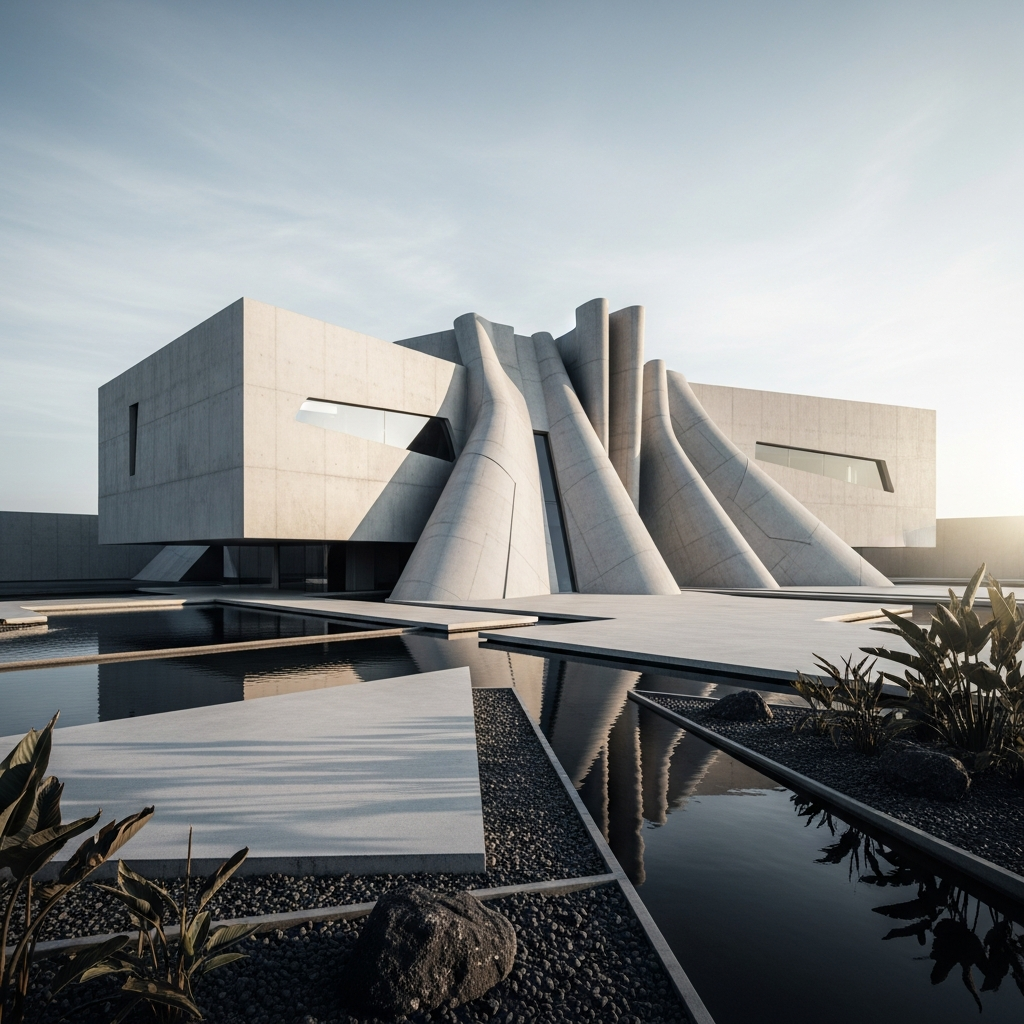
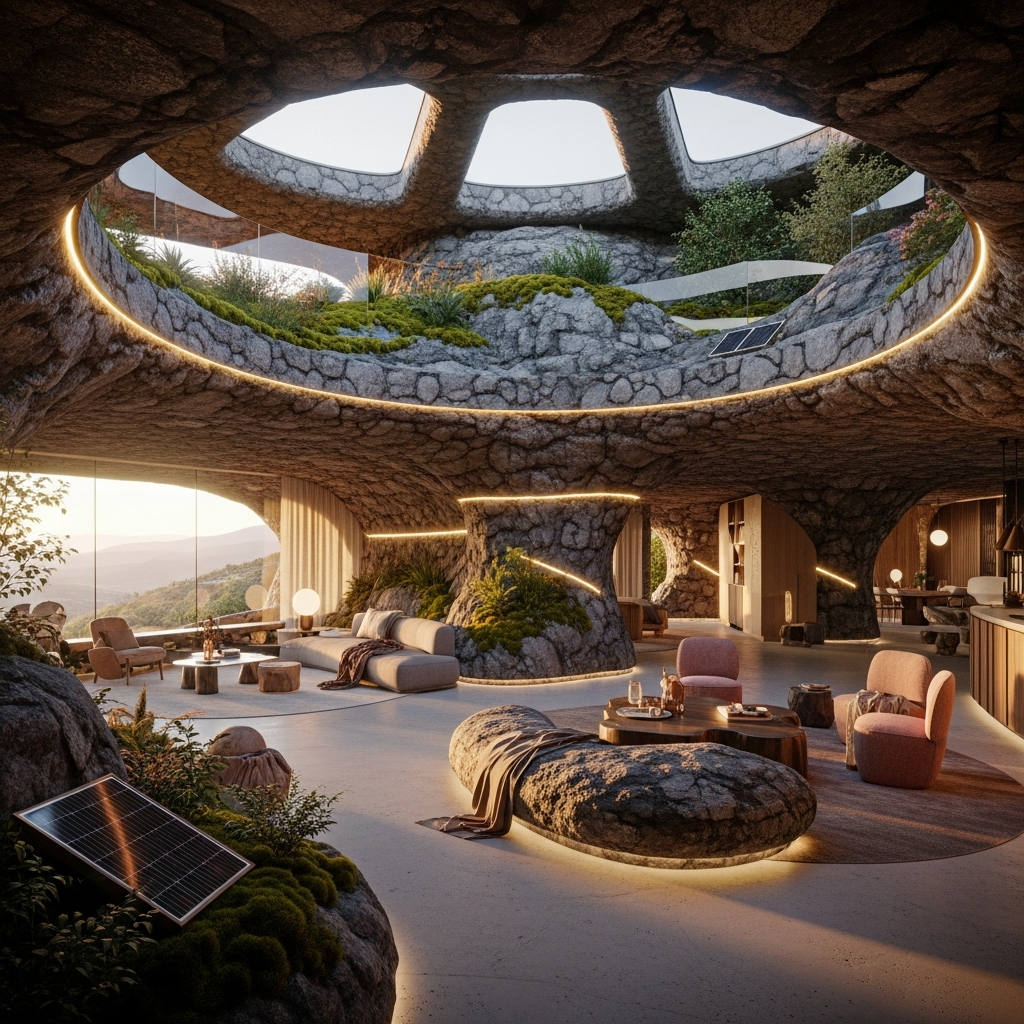
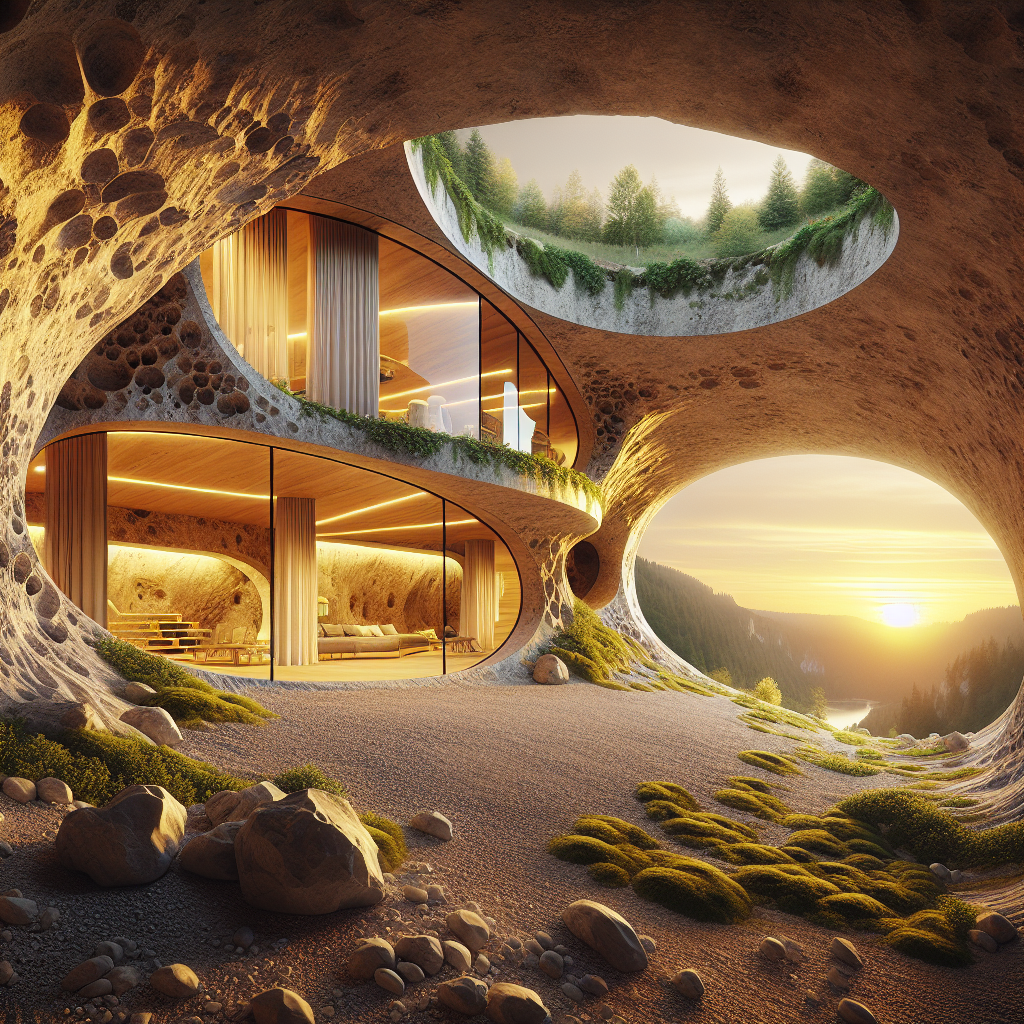
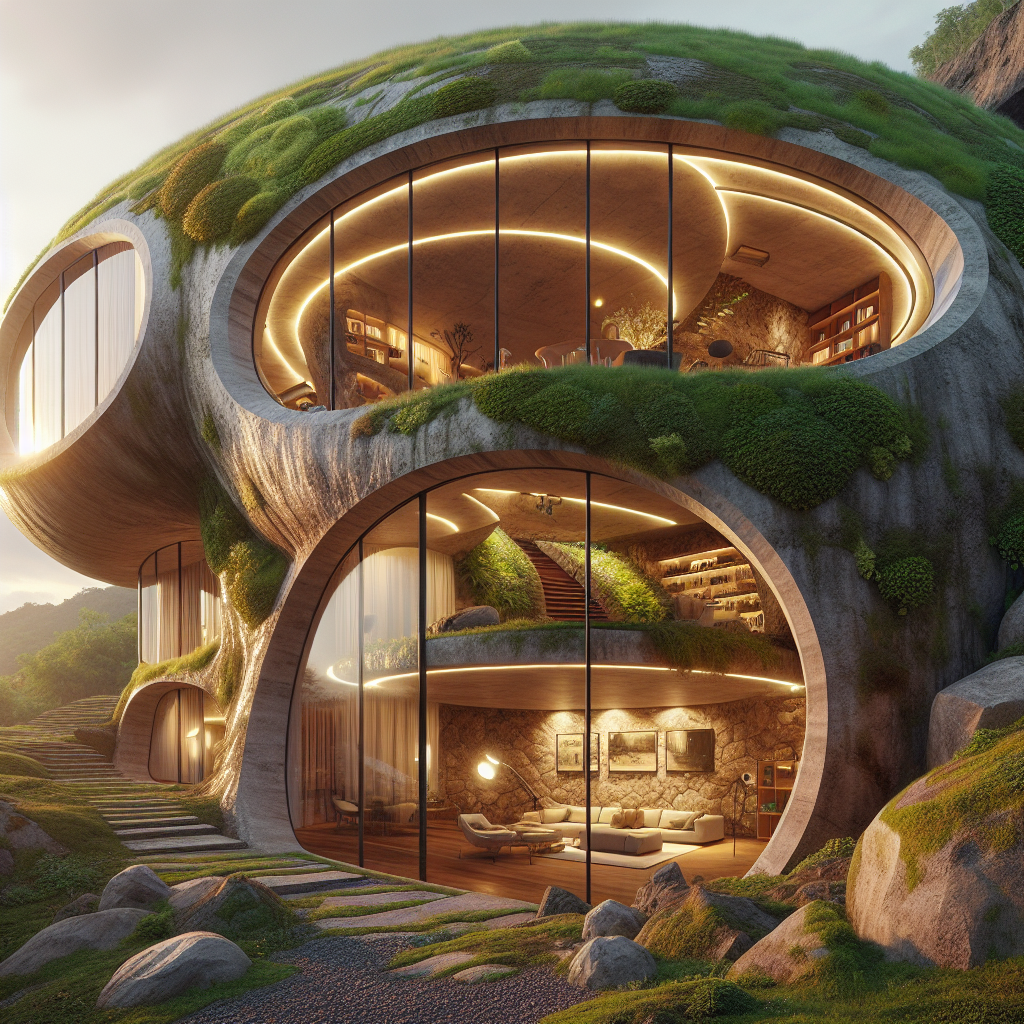
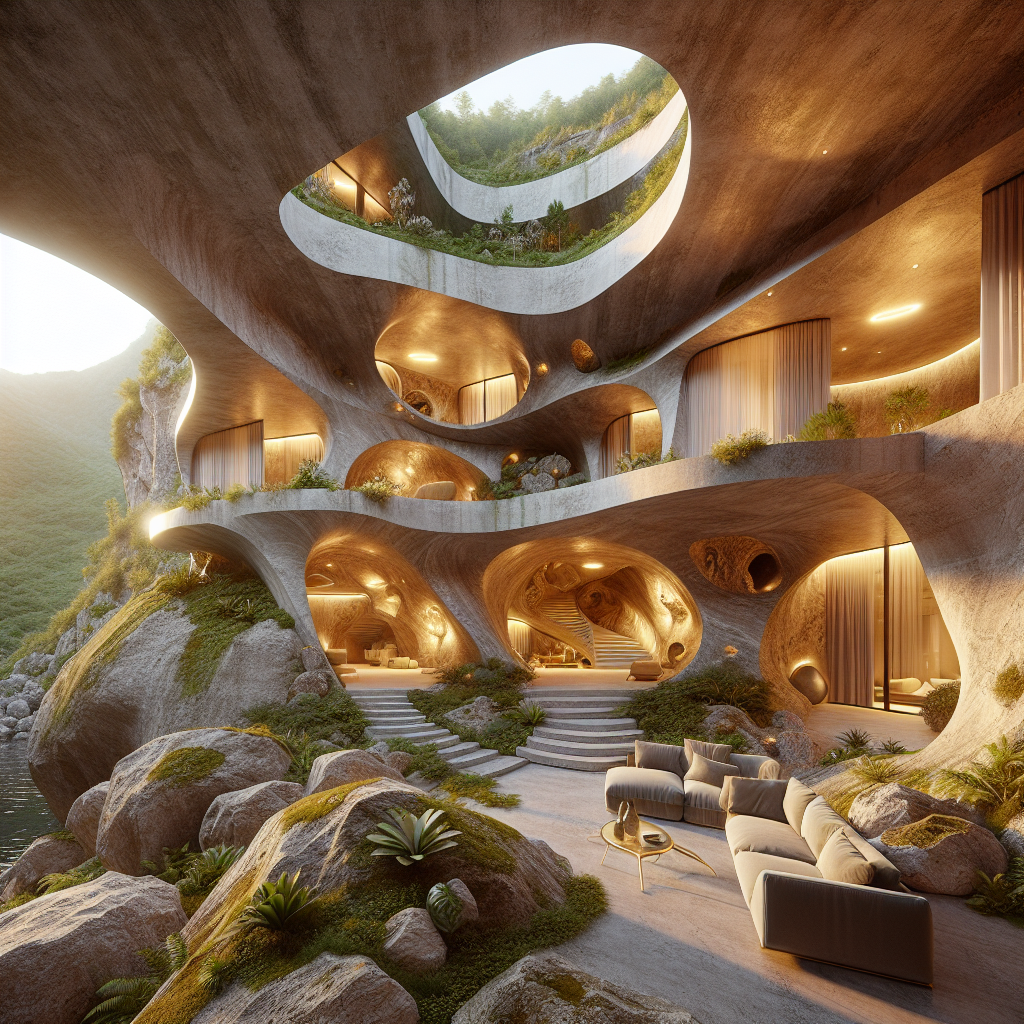
At first glance, these homes seem to reject modernity. Their silhouettes are soft and irregular, their walls undulate like wind-sculpted cliffs, and their interiors glow with filtered daylight that feels almost sacred. Yet behind this ancient façade lies a sophisticated infrastructure of sensors, smart climate control, and renewable energy systems. The contrast is deliberate: a tactile exterior that soothes the senses, concealing a digital nervous system that anticipates human needs.
Architects are taking cues from ancient vernacular structures—Berber ksars, Cappadocian cave dwellings, and the subterranean houses of Matmata—but they are reinterpreting them through the lens of modern material science. According to a 2025 report by the Architectural Review, the global appetite for earth-integrated homes has grown by 40% in the past three years, driven by both ecological concerns and a yearning for psychological refuge from overstimulated urban life.
Technology Beneath the Stone
These “digital caverns” are powered by discreet systems that make them among the most energy-efficient residences ever built. AI-driven ventilation mimics the natural airflows of ancient cave systems, maintaining stable temperatures year-round. Walls embedded with phase-change materials absorb and release heat, reducing reliance on mechanical cooling. Solar panels are often hidden on the periphery, their energy stored in compact battery walls integrated into the structure’s core.
Projects like the “Lith House” in Santorini or the “Subterra Villa” in Utah exemplify this balance. Their exteriors blend into the landscape, but inside, they feature smart lighting systems that adjust color temperature based on circadian rhythms, and biometric entry systems that recognize residents by gait and heartbeat. It’s a vision of domestic life where the ancient and the algorithmic coexist seamlessly.
This philosophy resonates with the broader movement toward biophilic design, which emphasizes the integration of natural forms and materials into built environments to enhance human well-being. In Neolithic Luxury homes, biophilia takes on a visceral dimension—walls feel alive, surfaces breathe, and spaces evoke the protective intimacy of a womb.
Material Authenticity in the Digital Age
Material selection is central to this aesthetic. Rammed earth, hempcrete, and lime plaster are favored for their texture and thermal properties. Some architects are experimenting with robotic carving of local stone, creating surfaces that appear hand-shaped yet are executed with millimeter precision. Others are exploring sand-printing technology to produce complex organic forms that echo geological erosion.
“We’re not trying to imitate the past,” says architect Lina Rojas, whose firm recently completed a subterranean residence in Chile’s Atacama Desert. “We’re reactivating ancient intelligence through modern tools. The cave was humanity’s first climate-responsive structure. We’re simply refining that logic with data.”
Indeed, the Materials Today journal recently highlighted how advances in geopolymers and bio-based composites are enabling structures that behave like living organisms—absorbing moisture, filtering air, and even self-healing minor cracks. The result is a home that doesn’t just shelter its inhabitants but interacts with its environment in symbiotic ways.
Psychological Shelter in an Overconnected World
Beyond their ecological and technological sophistication, these homes respond to a deeper cultural need: the desire for sanctuary. In an era defined by hyperconnectivity and constant visual noise, the cave-like interior offers a counterpoint—a place of sensory reduction and introspection. The acoustics are soft, the light is indirect, and the materials invite touch. It’s architecture as therapy.
This sensorial calm aligns with the growing movement toward “slow living” and mindful design. As explored in ancient desert architecture, spatial simplicity and material honesty can profoundly influence mental well-being. Neolithic Luxury extends that principle into the digital era, creating homes that feel timeless yet are entirely of their time.
From Earth to Algorithm: The Future of Organic Architecture
Neolithic Luxury is part of a broader architectural evolution that blurs the boundaries between natural and artificial intelligence. The same algorithms that optimize airflow and light distribution are now being used to “grow” structural forms through generative design. These processes mimic geological formation, producing architecture that seems to have emerged organically from the terrain.
According to the ArchDaily 2025 sustainability report, architects are increasingly using parametric modeling to simulate erosion, sedimentation, and tectonic folding—turning natural processes into design strategies. The result is a new architectural language: soft, continuous, and deeply rooted in the earth’s memory.
In this sense, Neolithic Luxury represents more than a style—it’s a philosophy of reconnection. It acknowledges that progress doesn’t always mean reaching higher or building shinier; sometimes it means digging deeper, both literally and metaphorically. As climate change accelerates and urban overstimulation intensifies, the cave—once a symbol of survival—has become a symbol of renewal.
Luxury Reimagined: Silence, Texture, and Time
In these homes, luxury is not defined by opulence but by the quality of silence, the softness of light, and the authenticity of materials. The tactile roughness of stone replaces polished marble; the scent of clay replaces synthetic finishes. Every surface tells a story of geological time, grounding inhabitants in a continuum that stretches back millennia.
It’s a quiet revolution in design thinking—one that challenges the dominance of glass and steel with a return to elemental honesty. As seen in projects inspired by biodegradable architecture, the future of luxury may lie not in permanence but in harmony with the cycles of decay and renewal.
Neolithic Luxury is, ultimately, an architecture of empathy. It listens to the land, learns from the past, and anticipates the future. In doing so, it offers a vision of home that feels both ancient and astonishingly new—a place where technology serves humanity not by dazzling it, but by disappearing into the earth.
{
  "seo_title": "Neolithic Luxury: High-Tech Cave Homes",
  "meta_description": "Explore Neolithic Luxury—high-tech homes that look like ancient caves, blending sustainability, technology, and primal design.",
  "excerpt": "Could the future of luxury living lie underground? Discover how Neolithic Luxury homes blend ancient cave aesthetics with cutting-edge technology.",
  "focus_keyphrase": "Neolithic Luxury"
}
AI Image Prompts
- Prompt: Photorealistic image of a luxury subterranean home carved into a rocky hillside, featuring curved stone walls, skylights, and integrated greenery, shot on a Hasselblad H6D in golden hour light.
Alt text: High-tech cave home with organic stone architecture and natural lighting.
Caption: A seamless blend of technology and terrain—luxury carved from the earth itself. - Prompt: Interior of a modern cave-inspired living room with rammed earth walls, recessed smart lighting, and minimalist furniture, captured in soft daylight on a Hasselblad X2D.
Alt text: Modern cave-inspired living room with earthy textures and smart lighting.
Caption: The tactile warmth of ancient materials meets the intelligence of modern systems. - Prompt: Aerial view of a desert landscape dotted with partially buried luxury villas featuring solar roofs and green courtyards, photographed mid-morning on a Hasselblad drone camera.
Alt text: Sustainable desert villas blending into natural topography.
Caption: Architecture that disappears into the landscape—sustainability as serenity. - Prompt: Nighttime exterior of a cave-like home illuminated by subtle LED contours, surrounded by native vegetation, captured on a Hasselblad H6D with long exposure.
 ×
×❮ ❯