
Sleep Sanctuaries: Bedrooms Engineered for the Perfect REM Cycle
Sleep Sanctuaries: Bedrooms Engineered for the Perfect REM Cycle
In an age where the line between work and rest blurs under the glow of screens, the bedroom has evolved from a mere sleeping chamber into a laboratory of restoration. The contemporary sleep sanctuary is not simply a space to close one’s eyes—it is a carefully engineered environment where architecture, neuroscience, and material innovation converge to optimize the REM cycle. As designers and architects increasingly collaborate with sleep scientists, the modern bedroom is being reimagined as a holistic ecosystem of light, temperature, acoustics, and tactile harmony.
The Science of Sleep Meets Spatial Design
Sleep architecture—the biological rhythm of our nightly cycles—has become a design blueprint in itself. According to the Sleep Foundation, the average adult spends roughly one-third of life asleep, yet most bedrooms remain ill-equipped to support the body’s circadian needs. Architects are now treating sleep as a physiological process that can be spatially supported through design interventions: soundproofing that mimics the hush of nature, light systems that simulate dawn, and materials that regulate humidity and temperature.
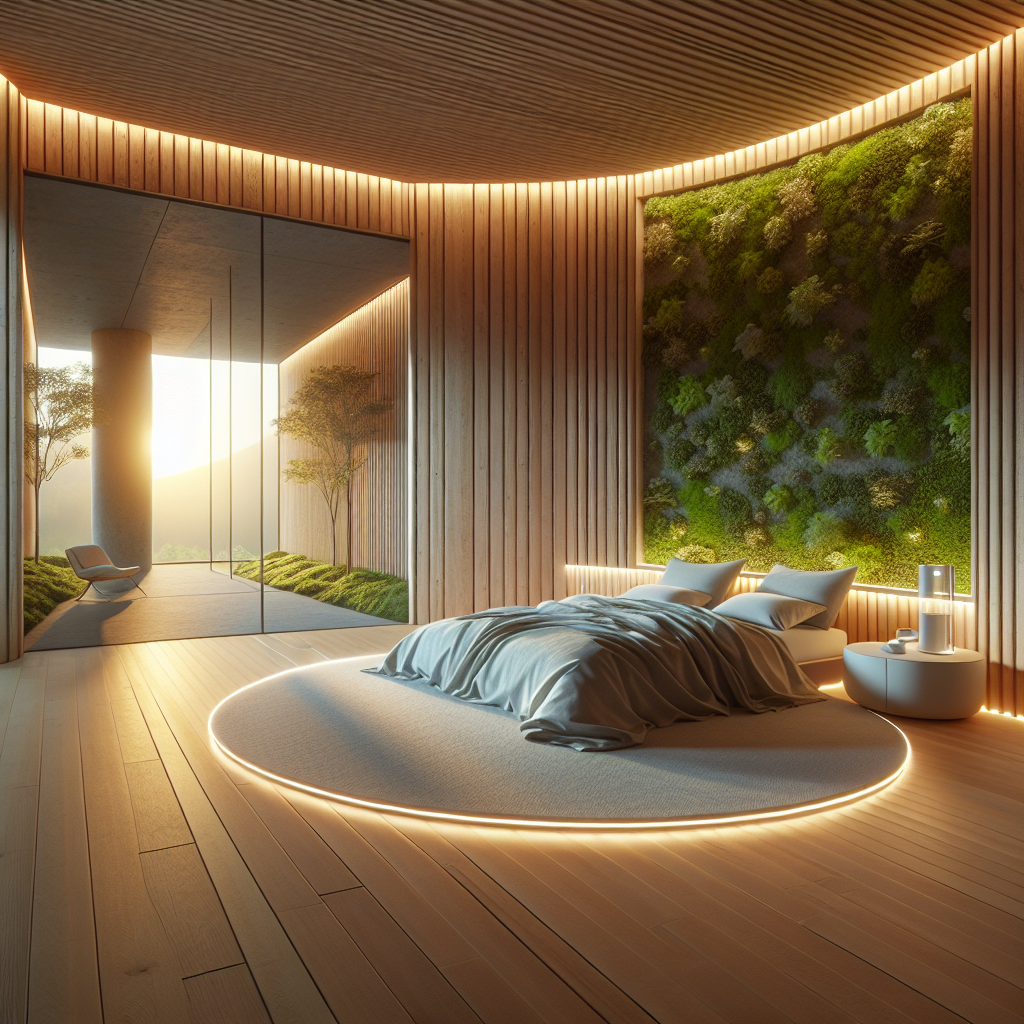
Projects inspired by biophilic design principles have proven particularly effective. Integrating natural materials such as untreated wood, linen, and clay plasters helps stabilize indoor climates while fostering psychological calm. Studies from the American Institute of Architects suggest that sensory balance—achieved through tactile surfaces and natural ventilation—can reduce sleep latency by up to 30%. In this new paradigm, the bedroom becomes a living organism, attuned to its occupant’s biorhythms.
Lighting: The Architecture of Circadian Harmony
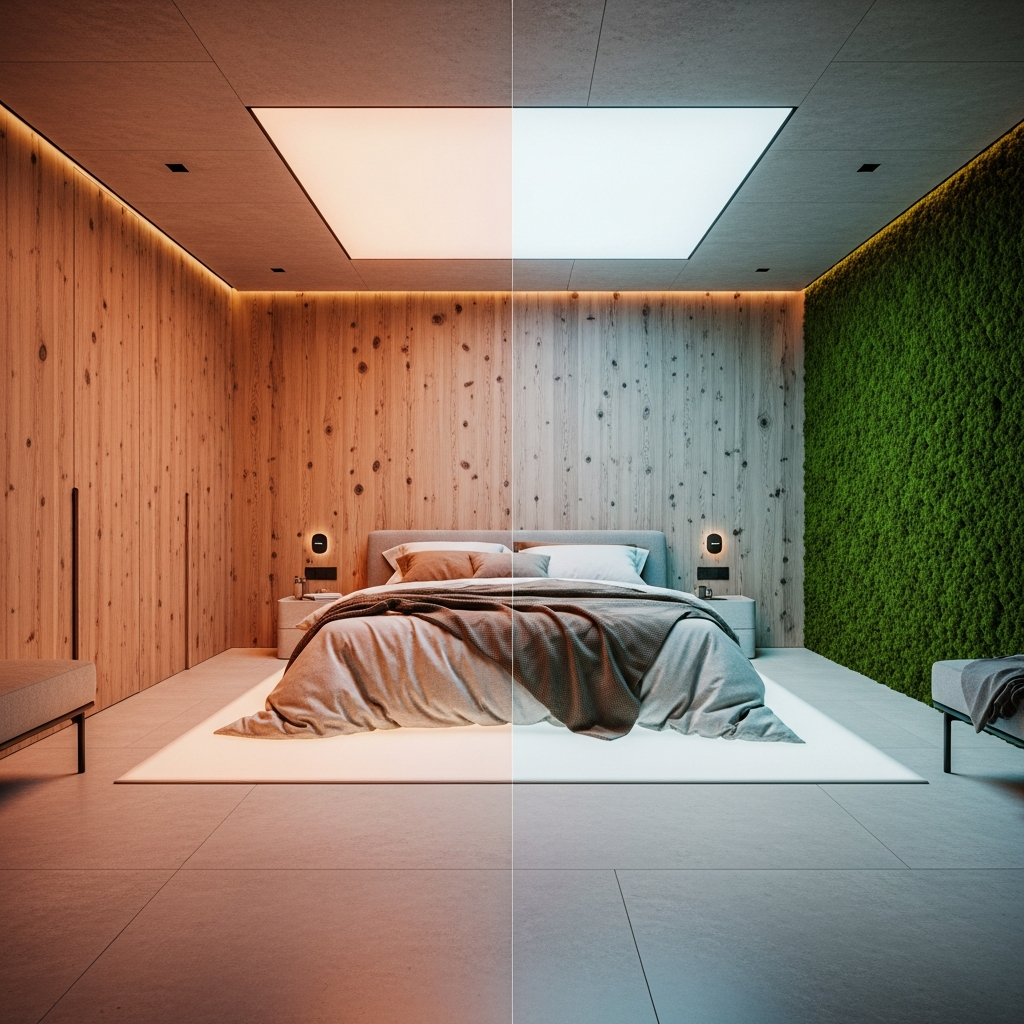
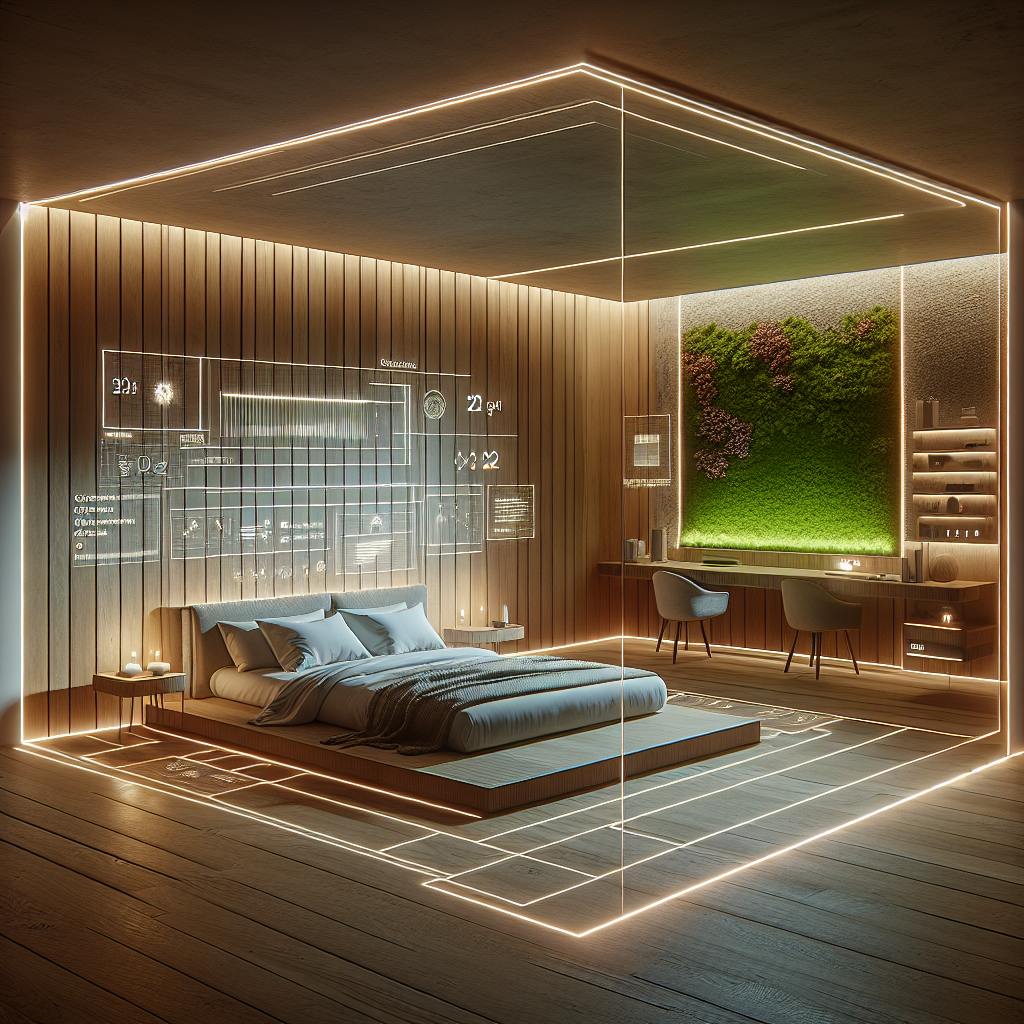
Lighting remains the most potent tool in sleep-oriented design. The traditional bedside lamp has evolved into a dynamic system that adjusts hue and intensity throughout the day. Smart circadian lighting, informed by research from the Illuminating Engineering Society, transitions from cool daylight tones in the morning to warm amber glows at night, guiding melatonin production naturally. Some designers are even embedding fiber-optic constellations into ceilings, offering a subtle nocturnal rhythm that encourages REM stability without stimulating wakefulness.
In a similar spirit, innovations in smart home automation now allow lighting to sync with wearable sleep trackers. When heart rate variability signals deep sleep, lights dim further, curtains close automatically, and ambient soundscapes adjust to the user’s sleep stage. The bedroom, once static, becomes responsive—a living interface between human physiology and architecture.
Material Alchemy: Textures That Breathe
Material selection plays a silent yet profound role in sleep quality. Textiles woven from eucalyptus fibers, hemp, or organic cotton provide natural thermoregulation, while mineral-based paints absorb volatile compounds, ensuring cleaner air. Acoustic panels clad in wool felt or cork dampen external noise without erasing the subtle ambient hums that the brain associates with safety.
In high-end projects, architects are exploring hybrid materials that merge comfort with sustainability. Timber, long valued for its warmth, is being reintroduced through engineered cross-laminated panels, echoing the innovations seen in timber-based architectural revolutions. These materials not only insulate thermally but also emit a faint, organic scent that contributes to relaxation—a sensory detail often overlooked in conventional interiors.
Soundscapes and Silence
Silence, paradoxically, is not the absence of sound but the presence of control. Acoustic design for sleep sanctuaries focuses on crafting a sonic envelope that shields the sleeper from abrupt disturbances while maintaining a low-frequency hum conducive to deep rest. Architects are experimenting with “sonic architecture”—curved walls, upholstered alcoves, and hidden bass traps—to create rooms that feel acoustically cocooned.
In some urban projects, designers integrate white noise systems or bioacoustic recordings—gentle rainfall, distant waves, or forest murmurs—directly into the room’s infrastructure. This approach mirrors the immersive principles explored in virtual reality design environments, where sensory modulation is key to emotional response. The result is a space that doesn’t just mute the city but replaces it with a curated auditory landscape of calm.
Temperature, Airflow, and the Subtle Art of Comfort
Temperature regulation remains one of the most underestimated factors in sleep design. Research from the National Library of Medicine underscores that the ideal sleep temperature hovers around 18°C (64°F). Architects are now embedding radiant cooling floors, passive ventilation shafts, and humidity-balancing plasters into bedroom architecture. The aim is to maintain microclimatic stability without mechanical noise or drafts.
In some cases, the entire room becomes a thermal organism. Phase-change materials—substances that absorb and release heat as they shift between solid and liquid states—are being integrated into wall panels and bedding systems. This quiet technology ensures that temperature fluctuations remain imperceptible, sustaining uninterrupted REM cycles.
Technology with Restraint
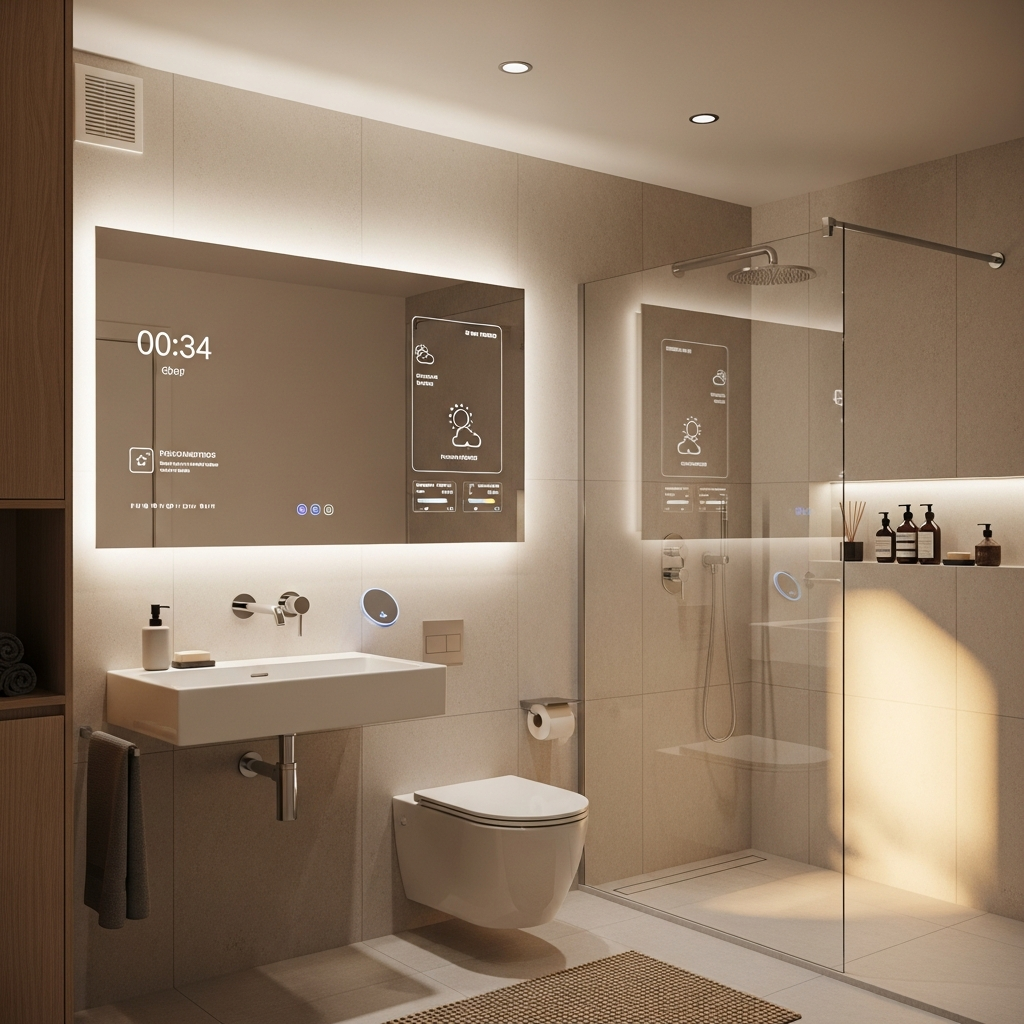
Ironically, the pursuit of better sleep through technology often leads to overstimulation. The most successful designs adopt a philosophy of “invisible tech”—devices that serve without demanding attention. Hidden sensors monitor air quality and adjust ventilation, while embedded LED strips glow subtly beneath furniture edges, guiding nocturnal movement without glare. The goal is to create a technologically advanced environment that feels entirely analog to the user.
Some architects are borrowing cues from net-zero design strategies, applying them at the micro scale of the bedroom. Energy-efficient materials, solar-powered blackout systems, and modular construction methods align the personal act of rest with the global imperative of sustainability. The bedroom thus becomes both a personal refuge and a statement of ecological responsibility.
The Aesthetics of Rest
Beyond science and systems, the visual language of the sleep sanctuary matters deeply. The palette tends toward muted earth tones—ochres, soft greys, and desaturated blues—that soothe the visual cortex. Furniture lines are rounded, avoiding sharp edges that the subconscious may perceive as threats. Art is minimal, often abstract, allowing the mind to drift rather than fixate.
Designers increasingly speak of “visual silence”—a concept that parallels the Japanese notion of ma, or the beauty of empty space. This restraint fosters a psychological openness that invites rest. In this sense, the perfect bedroom is not filled but edited, not decorated but distilled.
Conclusion: The Bedroom as a Biosphere
The 21st-century bedroom is no longer a passive backdrop for sleep—it is an active participant in human well-being. As we move deeper into an era of sensory design and responsive architecture, the sleep sanctuary stands as a model for how built environments can nurture biological processes rather than disrupt them. The future of rest lies not in luxury, but in alignment—with nature, with technology, and with the rhythms of the human body itself.
{
  "seo_title": "Sleep Sanctuaries for the Perfect REM Cycle",
  "meta_description": "Explore how design and technology create sleep sanctuaries engineered for the perfect REM cycle and restorative rest.",
  "excerpt": "Can design truly enhance the way we sleep? Discover how architects are engineering bedrooms that synchronize with the body’s natural REM cycle.",
  "focus_keyphrase": "sleep sanctuaries"
}
AI Image Prompts
- Prompt: Photorealistic image of a minimalist bedroom with warm ambient lighting, natural linen bedding, and timber walls, shot on a Hasselblad H6D with soft morning light filtering through sheer curtains.
Alt text: Minimalist timber bedroom designed for optimal sleep with natural light and organic materials.
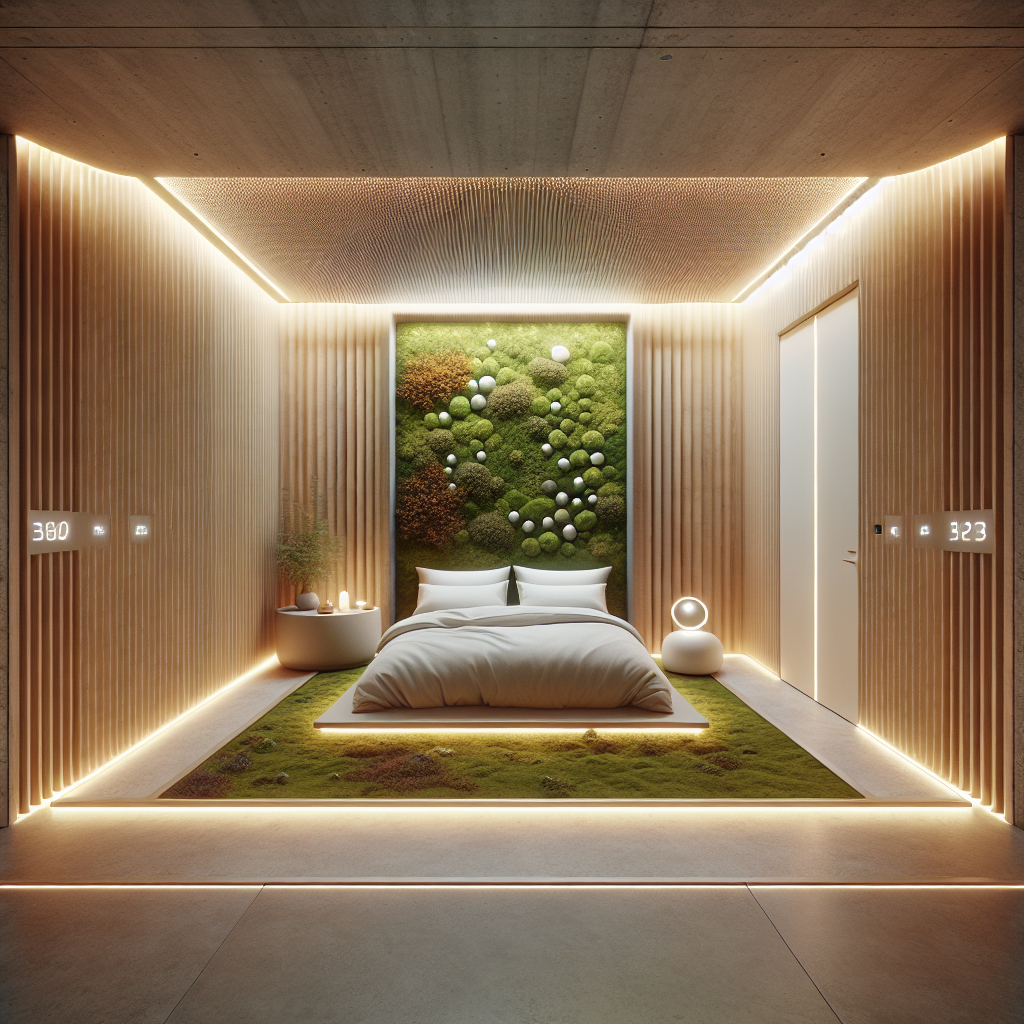
Caption: A serene blend of light and texture—this sleep sanctuary embodies the balance between warmth and minimalism. - Prompt: High-resolution image of a biophilic bedroom featuring an indoor moss wall, stone flooring, and diffused skylight illumination, captured on a Hasselblad X2D 100C.
Alt text: Biophilic bedroom with moss wall and natural stone flooring promoting relaxation.
Caption: Nature’s embrace—biophilic design transforms the bedroom into a living organism of calm. - Prompt: Photorealistic shot of a smart bedroom interior with adaptive lighting, hidden speakers, and seamless
 ×
×❮ ❯