
Moss & Marble: The ‘Ruins Reimagined’ Trend Taking Over Interiors
Moss & Marble: The ‘Ruins Reimagined’ Trend Taking Over Interiors
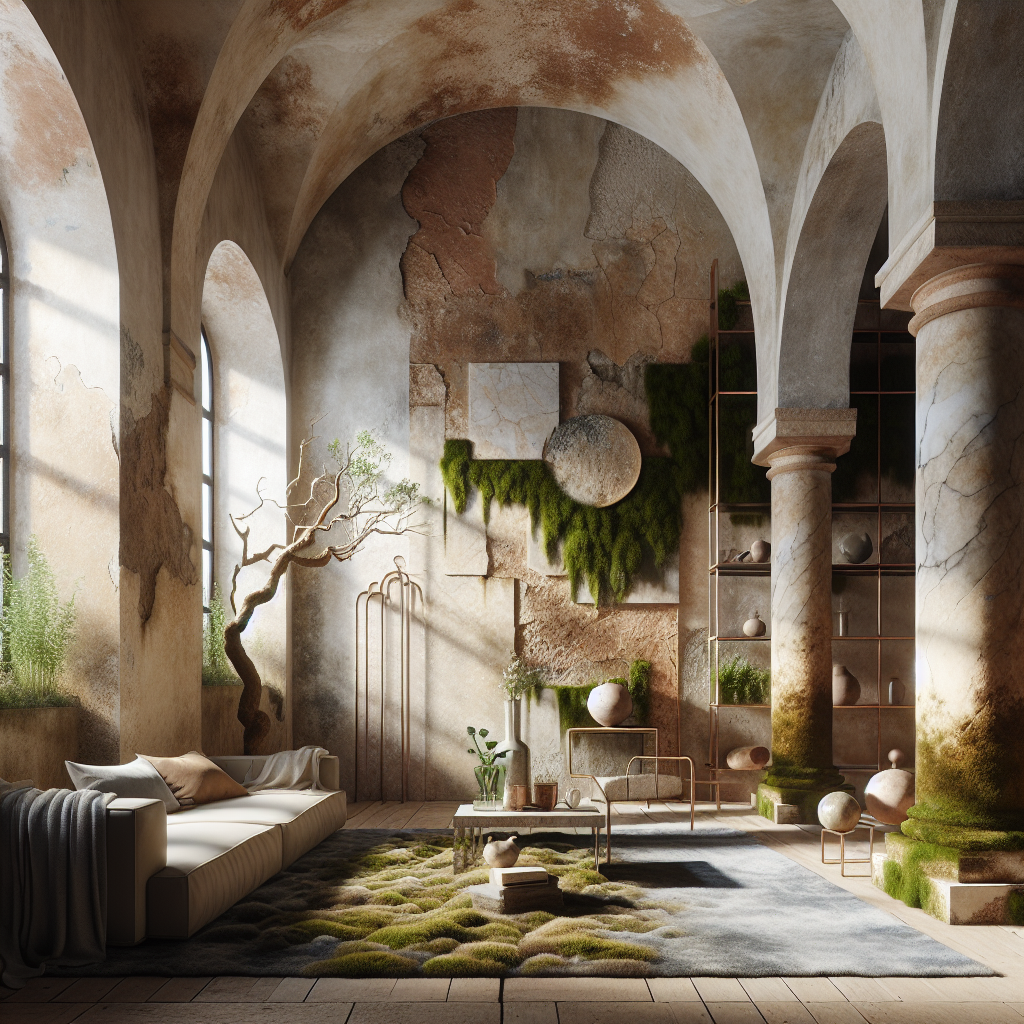
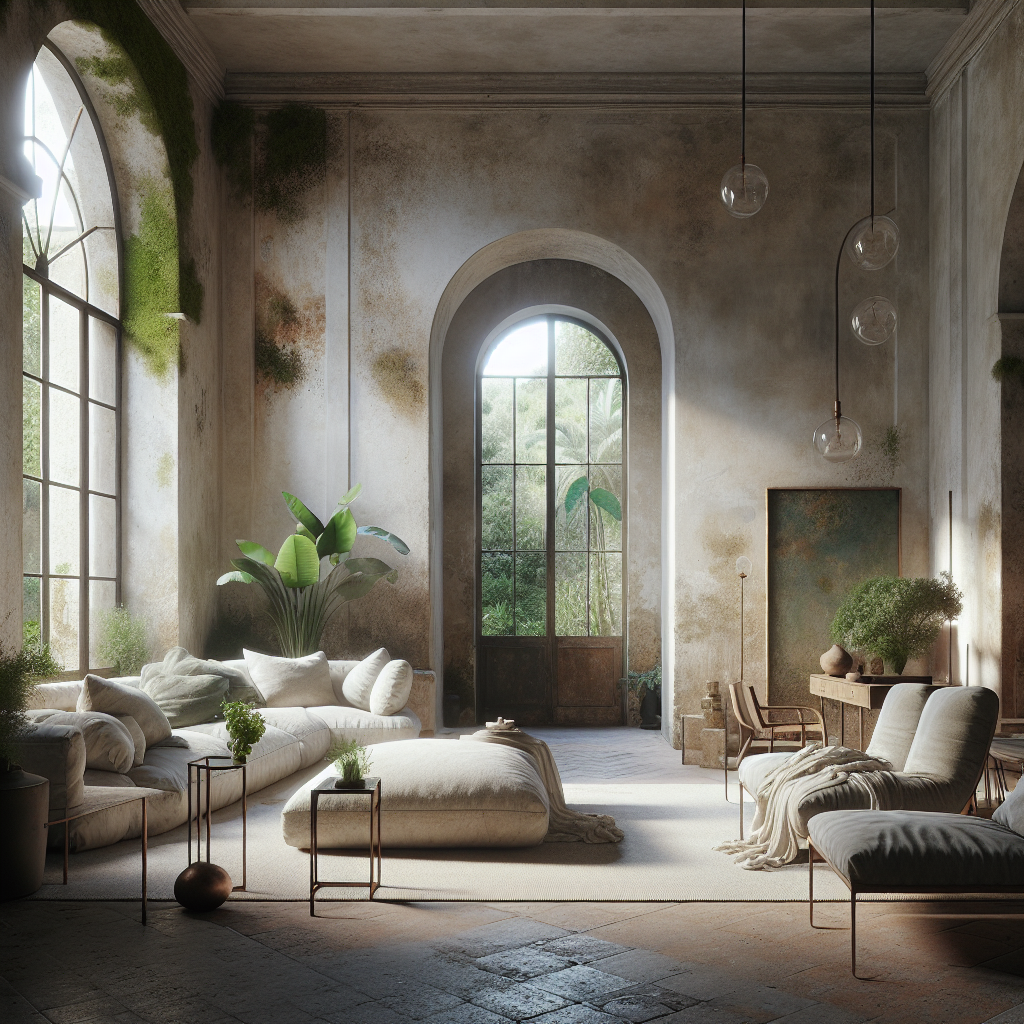
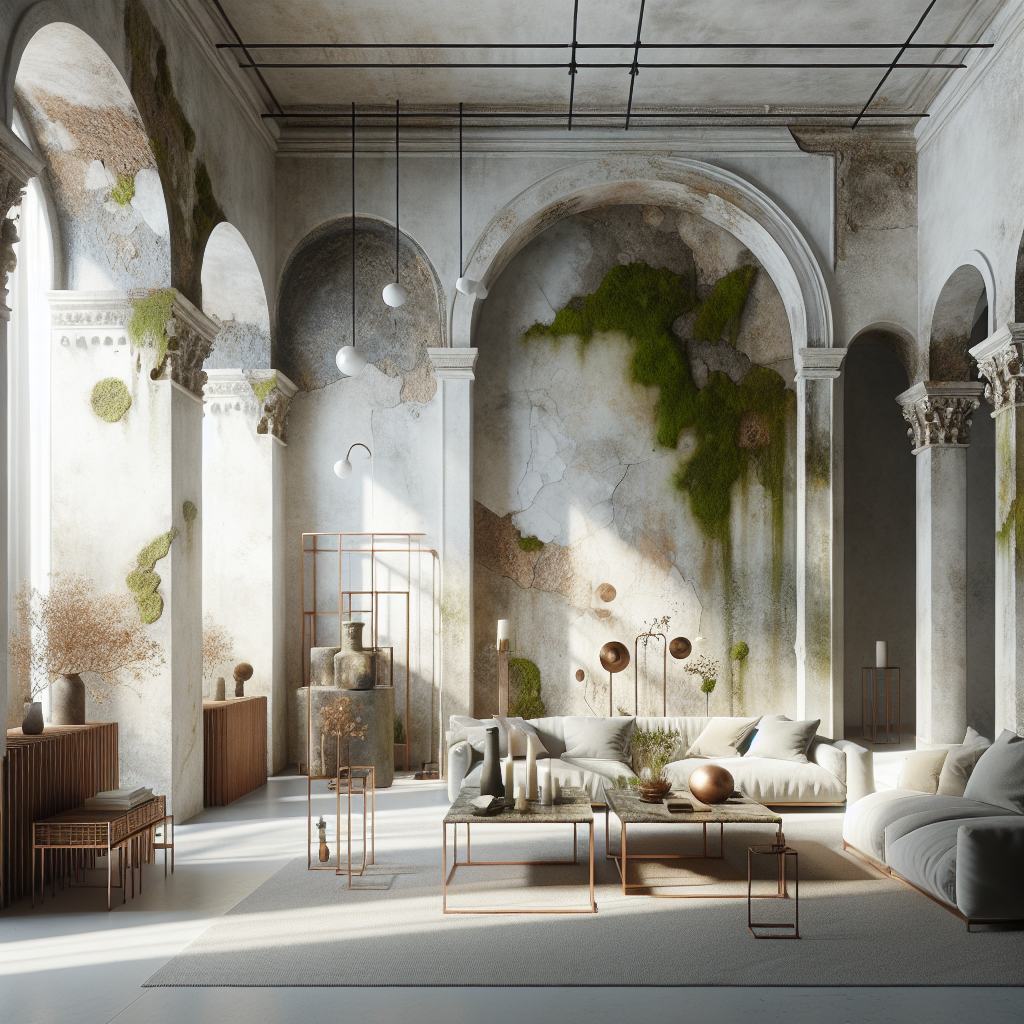
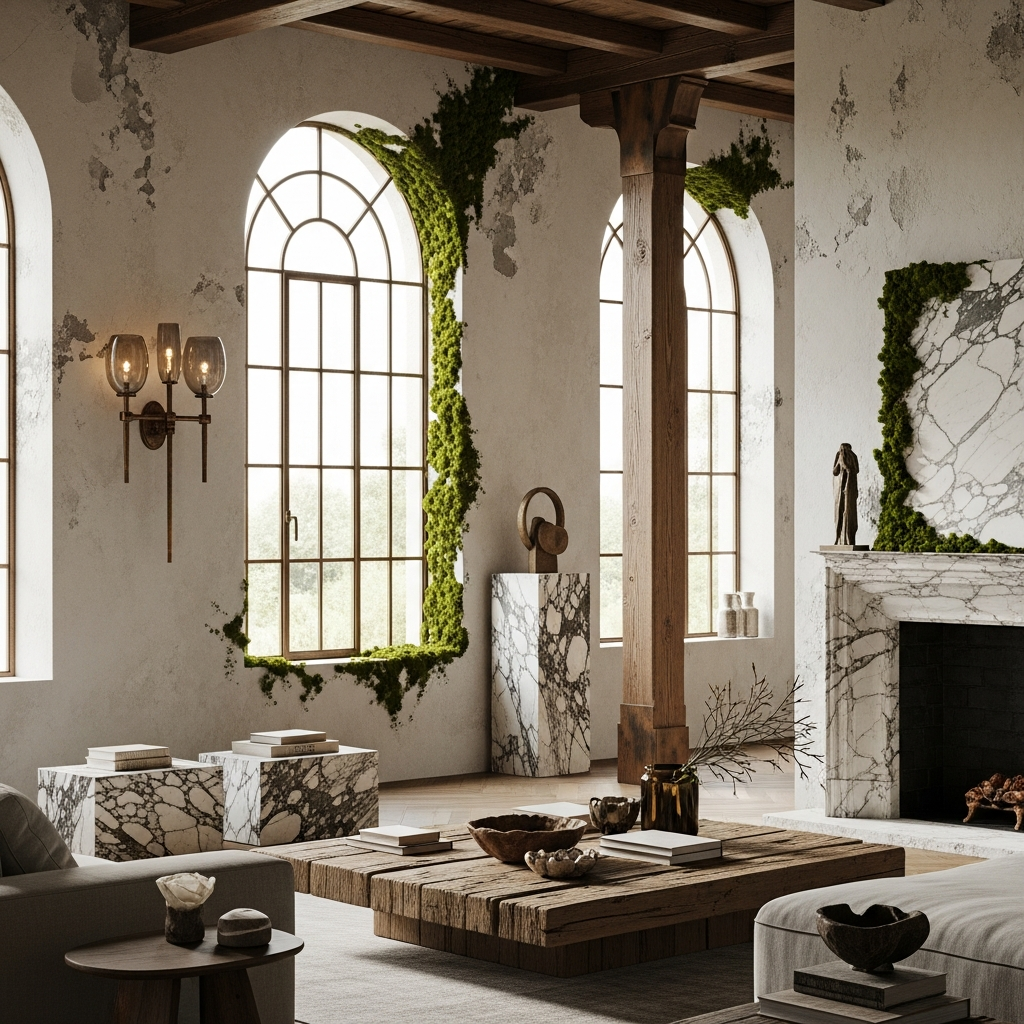
In the evolving landscape of interior design, a new aesthetic has emerged that bridges decay and renewal, memory and modernity. Dubbed “Ruins Reimagined”, this movement celebrates the poetry of imperfection — the dialogue between nature’s quiet reclamation and architecture’s enduring form. Think moss creeping across marble, oxidized bronze beside soft linen, and walls that appear as if unearthed from a forgotten villa. It’s not nostalgia; it’s narrative design — a storytelling of materials, time, and touch.
The Allure of Decay
At its core, the Ruins Reimagined trend challenges the sterile perfectionism that dominated interiors through the 2010s. Instead, it embraces the patina of life — the stains, cracks, and weathering that tell stories of endurance. Designers are increasingly inspired by the visual tension between organic growth and human craft. Moss, lichen, and aged stone have become design protagonists, transforming interiors into living, breathing ecosystems.
This aesthetic is not about neglect but about curated erosion. It draws on the Japanese philosophy of wabi-sabi — beauty in imperfection — yet situates it within a distinctly European romanticism. The result is an atmosphere that feels both ancient and avant-garde, like a contemporary Pompeii.
Material Alchemy: From Marble to Moss
Marble, once a symbol of pristine luxury, is being reinterpreted through a lens of organic decay. Designers are experimenting with acid-washed finishes, fragmented slabs, and moss-inlaid joints. In Milan and Copenhagen, boutique studios are embedding living moss into terrazzo floors and wall panels, creating microclimates that blur the boundary between architecture and botany.
According to research from the Architectural Digest, biophilic materials like moss not only enhance visual texture but also improve indoor air quality and acoustics. This echoes findings from the biophilic design movement, which underscores the psychological benefits of integrating nature into built environments. In Ruins Reimagined interiors, this connection is more visceral — nature doesn’t just decorate; it infiltrates.
Designers as Archaeologists
Today’s designers are becoming archaeologists of atmosphere. They excavate the emotional residue of spaces, layering materials that evoke time’s passage. Limewash walls, chipped plaster, and oxidized metals are intentionally left raw. The aesthetic invites touch — a rare quality in an age of digital minimalism.
Studios like Studio Drift and Formafantasma are leading this exploration, merging natural processes with technological precision. Their work recalls the speculative urban decay of films like Blade Runner 2049, where architecture becomes a living organism. This cinematic parallel aligns with Mainifesto’s exploration of futuristic city design — both trends imagine a world where time and technology coalesce into new aesthetic forms.
Spaces That Breathe
In practice, Ruins Reimagined interiors often feature layered textures: rough plaster walls juxtaposed with polished marble tables, or reclaimed timber beams paired with sculptural concrete. The effect is immersive — a tactile experience that engages the senses. It’s a quiet rebellion against the algorithmic precision of contemporary design tools.
Architectural firms are experimenting with self-sustaining ecosystems within interiors. Moss walls regulate humidity; stone retains temperature; reclaimed metals oxidize naturally, creating evolving patinas. These principles resonate with the ethos of reclaimed materials and circular design, where beauty emerges from the lifecycle of matter rather than its newness.
From Cathedrals to Condos
The Ruins Reimagined aesthetic borrows from the grandeur of ancient architecture — Roman baths, Gothic cathedrals, and weathered cloisters — yet translates these references into contemporary urban living. In Paris and Berlin, residential projects are incorporating exposed stone vaults and aged lime plasters to evoke a sense of permanence. The approach aligns with adaptive reuse principles championed by the Royal Institute of British Architects (RIBA), emphasizing sustainability through preservation rather than demolition.
Even furniture design is participating in this revival. Tables appear as if carved from ruins, lighting fixtures mimic corroded bronze, and textiles are dyed in mineral hues — ochre, slate, and verdigris. The tactile richness of these elements invites a slower, more mindful interaction with space.
Emotional Sustainability
Beyond aesthetics, Ruins Reimagined embodies a form of emotional sustainability. In a world of constant renovation and digital transience, interiors that age gracefully offer psychological grounding. They remind us that impermanence can be beautiful — that wear is not loss but memory.
This sentiment parallels the philosophy behind biodegradable architecture, where materials are designed to return to the earth. Both movements advocate for design that participates in natural cycles rather than resisting them. The moss-covered marble countertop becomes a metaphor for coexistence — human craft and nature’s persistence in quiet dialogue.
The Future of Ruins
As the line between interior and exterior continues to blur, the Ruins Reimagined trend is poised to evolve. Expect to see more experimentation with living materials — algae-based coatings, self-healing concrete, and responsive biopolymers that change with humidity. According to the Material District, innovations in bio-based composites are making it possible to design interiors that literally grow and adapt over time.
Ultimately, this movement is less about style and more about sensibility. It invites us to live within spaces that acknowledge entropy, to find beauty in what fades, and to design not for eternity but for evolution. In the moss and marble of tomorrow’s interiors, the ruins of the past are not forgotten — they are reborn.
###ARTICLE_END### { “seo_title”: “Moss & Marble: The Ruins Reimagined Trend”, “meta_description”: “Explore the Ruins Reimagined trend in interior design blending moss, marble, and time-worn textures for emotionally sustainable spaces.”, “excerpt”: “The Ruins Reimagined trend transforms interiors into poetic landscapes where moss meets marble and decay becomes design.”, “focus_keyphrase”: “Ruins Reimagined” } — **AI Image Prompts** 1. **Prompt:** Photorealistic interior of a modern living room featuring moss-covered marble walls, diffused natural light, and reclaimed wood furniture, shot on a Hasselblad H6D. **Alt text:** Moss-covered marble interior with reclaimed wood furniture. **Caption:** A serene living space where nature’s quiet persistence meets crafted permanence. 2. **Prompt:** Close-up of oxidized bronze lighting fixture above a cracked marble countertop with subtle moss growth, shot on a Hasselblad X2D. **Alt text:** Oxidized bronze light over moss-inlaid marble countertop. **Caption:** The beauty of corrosion — where metal, stone, and life intertwine. 3. **Prompt:** Abandoned villa-inspired bathroom with limewashed walls, moss between tiles, and soft daylight filtering through arched windows, captured on a Hasselblad H5D. **Alt text:** Limewashed bathroom with moss details and arched windows. **Caption:** Echoes of antiquity — a modern bath space shaped by time’s gentle hand. 4. **Prompt:** Contemporary dining area with fragmented marble table, living moss centerpiece, and concrete textures, photographed on a Hasselblad X1D II. **Alt text:** Dining room with fragmented marble table and moss centerpiece. **Caption:** Dining amid the ruins — a table that celebrates imperfection and renewal. — **Instagram Strategy** **Main Post Caption:** What if your home could age beautifully? 🌿✨ The *Ruins Reimagined* trend invites nature back indoors — moss creeping across marble, patina replacing polish. Discover how designers are turning decay into poetry. 👉 Read the full story on Mainifesto.com and explore the future of emotional sustainability in design. **Hashtags:** #RuinsReimagined #InteriorDesignTrends #MossAndMarble #BiophilicDesign #SustainableInteriors #WabiSabiStyle #MaterialAlchemy #DesignInnovation #ArchitecturalAesthetics #TimelessDesign #AdaptiveReuse