
Fluffy Concrete: Why Soft Brutalism is Still the King of 2026 Design
Fluffy Concrete: Why Soft Brutalism is Still the King of 2026 Design
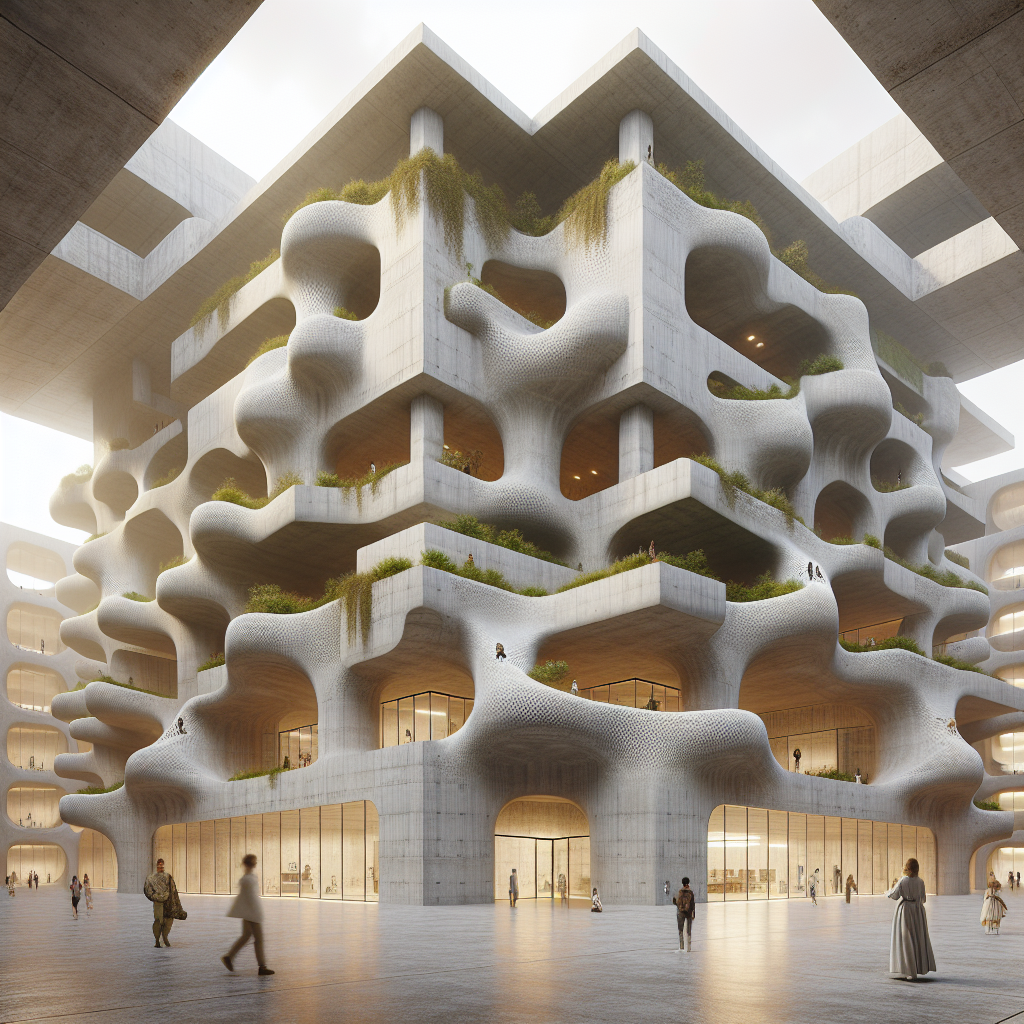
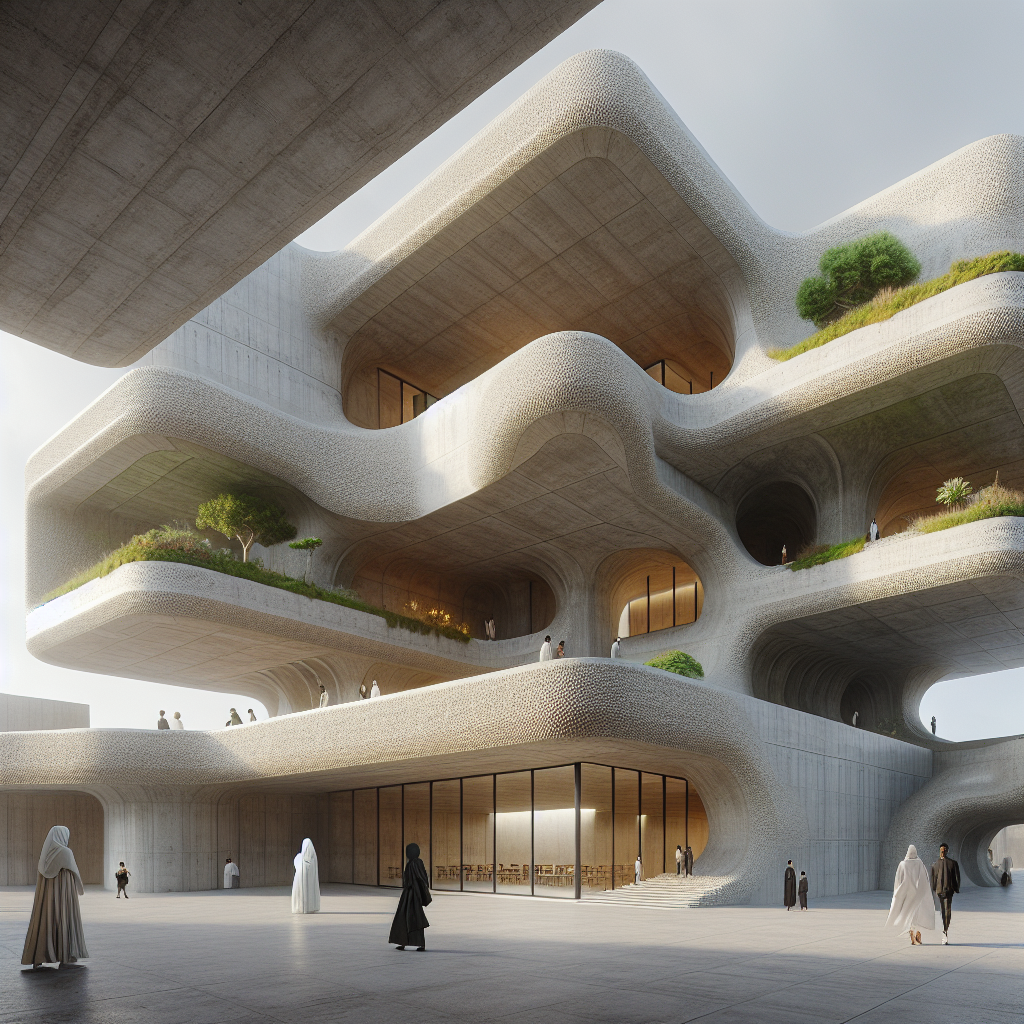
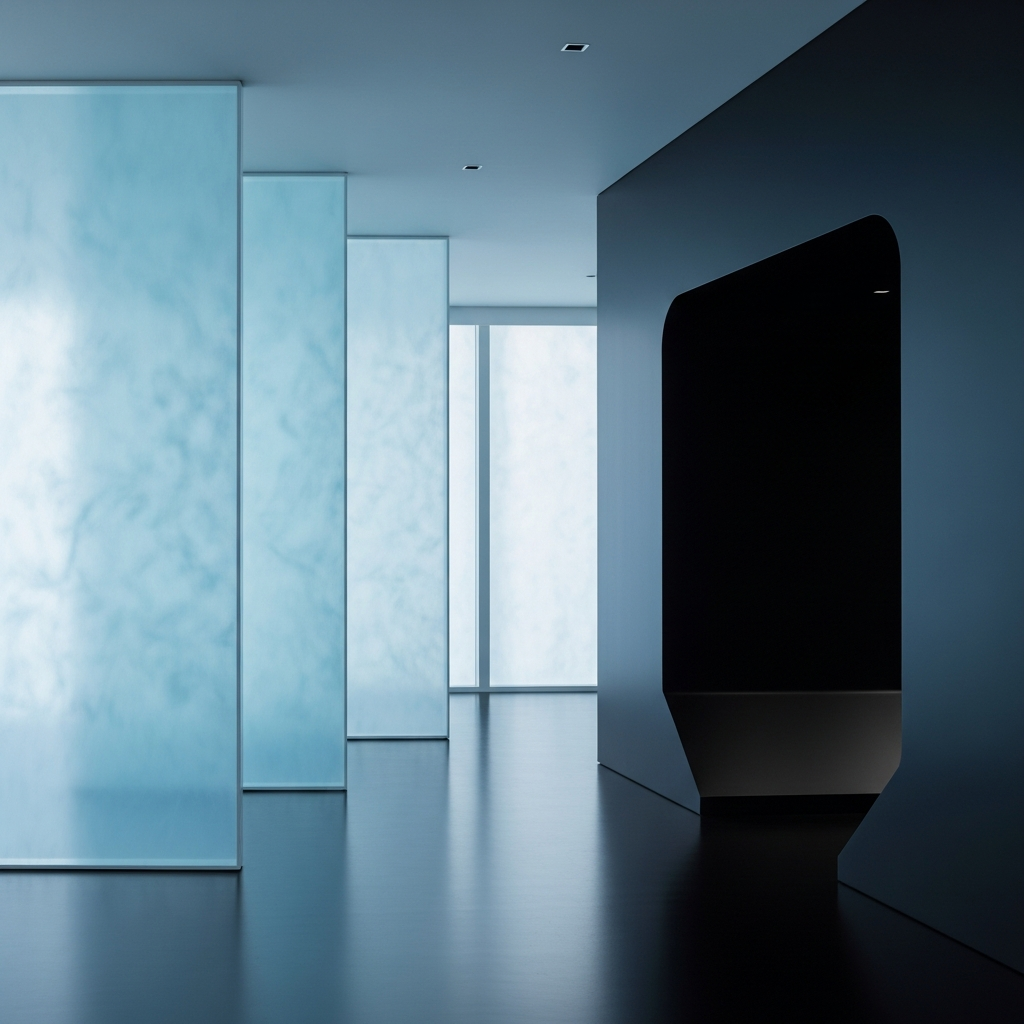
In 2026, the architectural world finds itself in a paradoxical embrace: a return to the unapologetic mass of Brutalism, softened by the warmth of texture, tactility, and human-centered design. This hybrid movement—known as Soft Brutalism—has transcended its niche revival status to become the defining aesthetic of the decade. It’s a philosophy that tempers concrete’s cold authority with plush materials, diffused light, and biophilic sensitivity. The result is a built environment that feels both monumental and mercifully humane.
The Evolution of Brutalism’s Reputation
Once derided as austere and oppressive, Brutalism has undergone a profound reappraisal. Its geometric honesty and structural candor have found new relevance in an era obsessed with authenticity. But the Brutalism of 2026 is not the same as the béton brut of the 1960s. Today’s architects reinterpret its principles through a lens of comfort and sustainability. They preserve the rawness of exposed materials while integrating warmth through texture, color, and light.
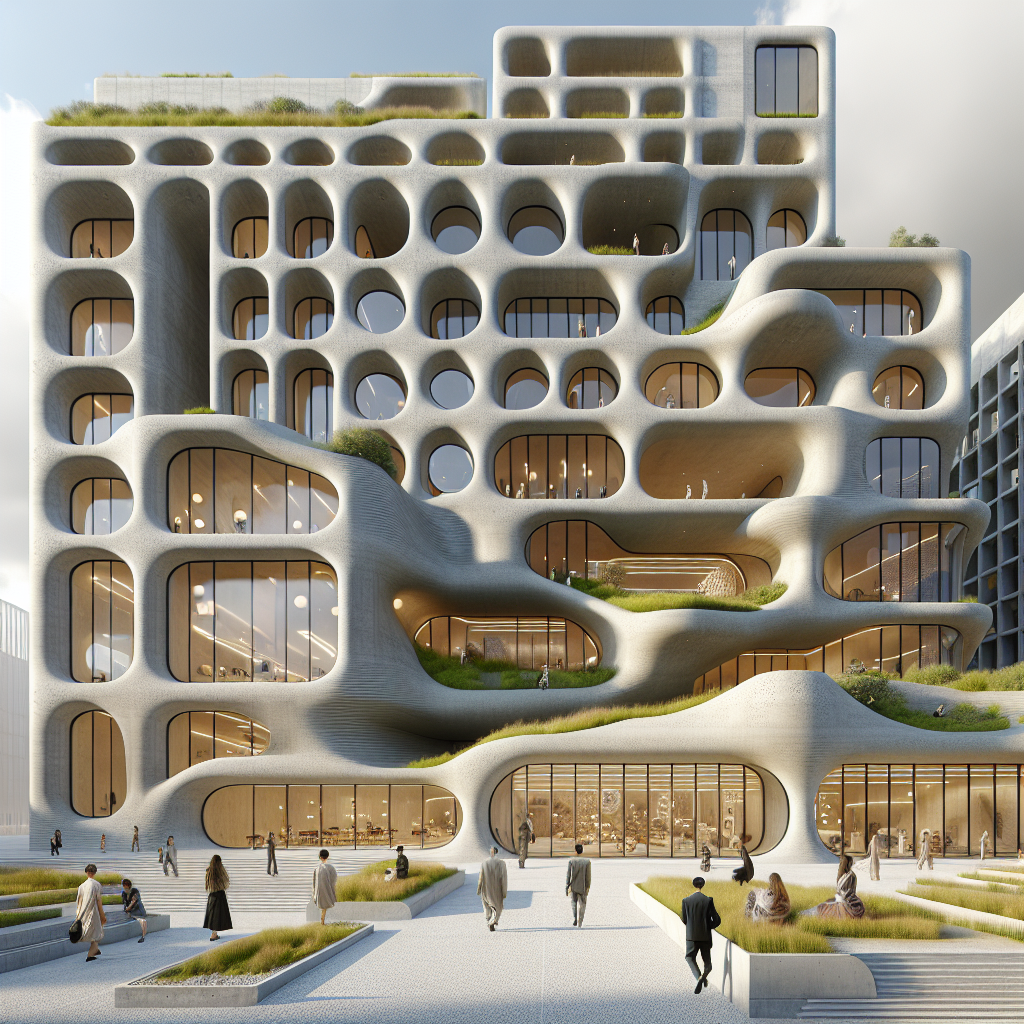
Projects such as the reimagined civic centers in Rotterdam and São Paulo showcase this duality. Concrete façades are no longer left to weather into gray anonymity; instead, they are treated with mineral pigments, soft matte finishes, and embedded textiles that absorb sound and diffuse light. The effect is tactile—almost tender. It’s Brutalism, but with empathy.
Material Alchemy: From Cold to Comfort
Soft Brutalism’s power lies in its material experimentation. Architects are exploring new composites that maintain the strength of concrete while introducing visual and sensory softness. Self-healing concretes, such as those studied by the Institution of Civil Engineers, are being combined with recycled fibers and biopolymers to create surfaces that breathe and flex. These innovations align with the movement’s ethical imperative: to build sustainably without compromising emotional resonance.
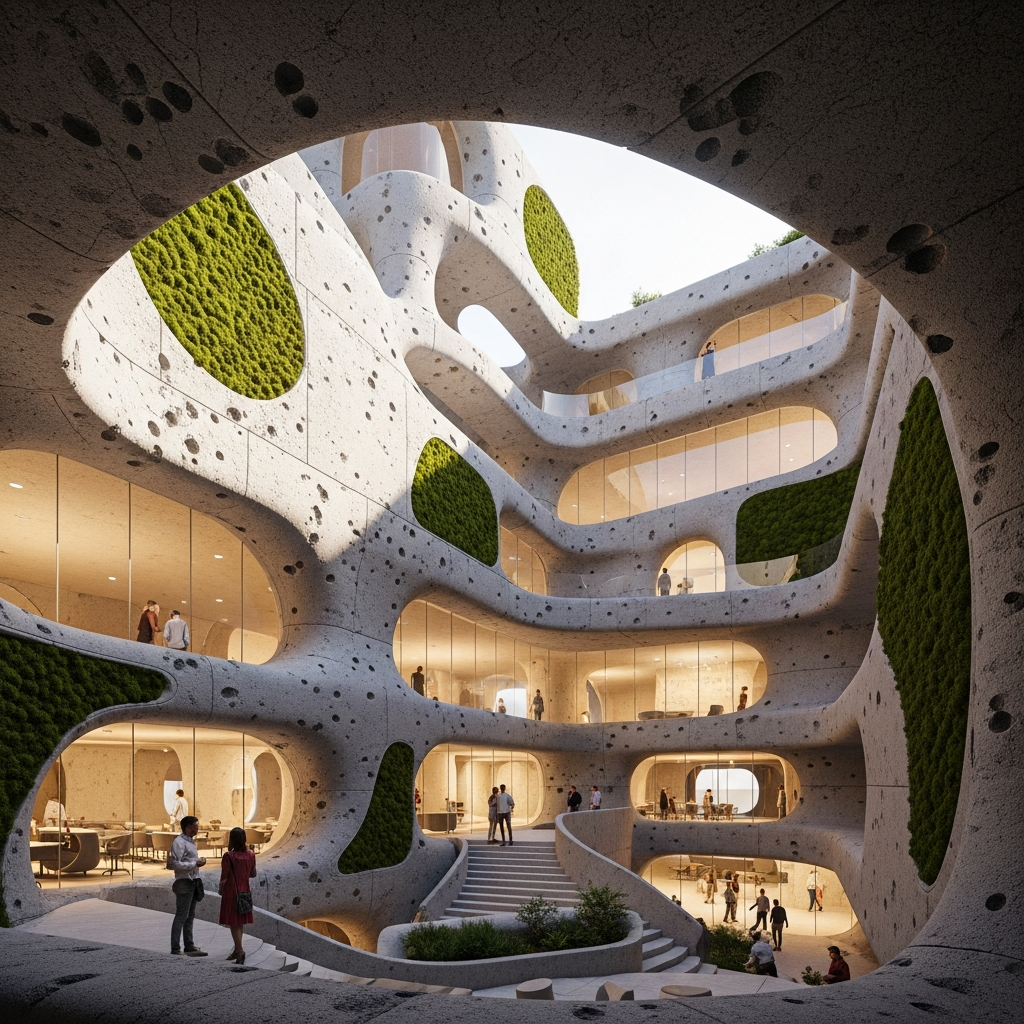
Designers are also taking cues from nature. The integration of moss walls, living façades, and porous aggregates echoes the principles of biophilic design, creating a sensory counterpoint to the monolithic forms. This fusion of biology and Brutalism redefines what concrete can mean—it’s no longer a symbol of permanence alone, but of coexistence.
Soft Brutalism in the Domestic Realm
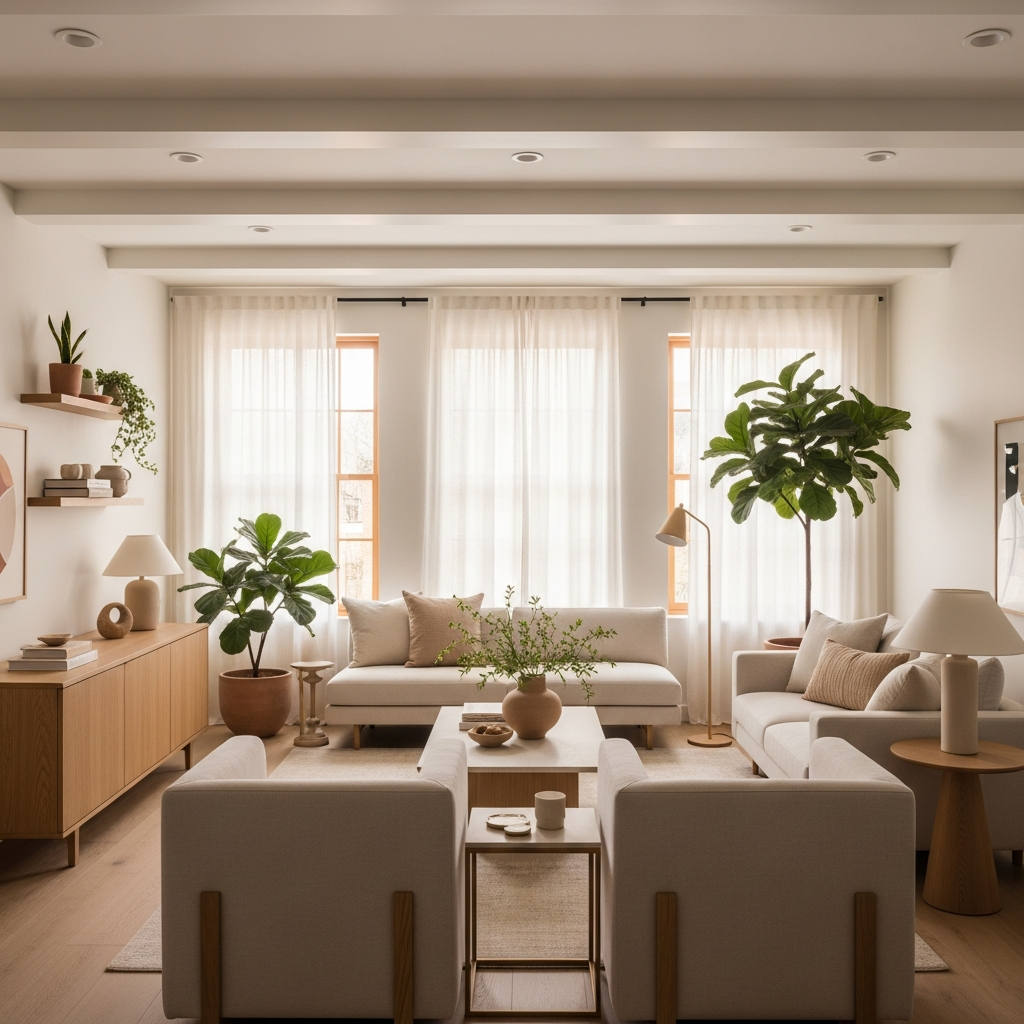
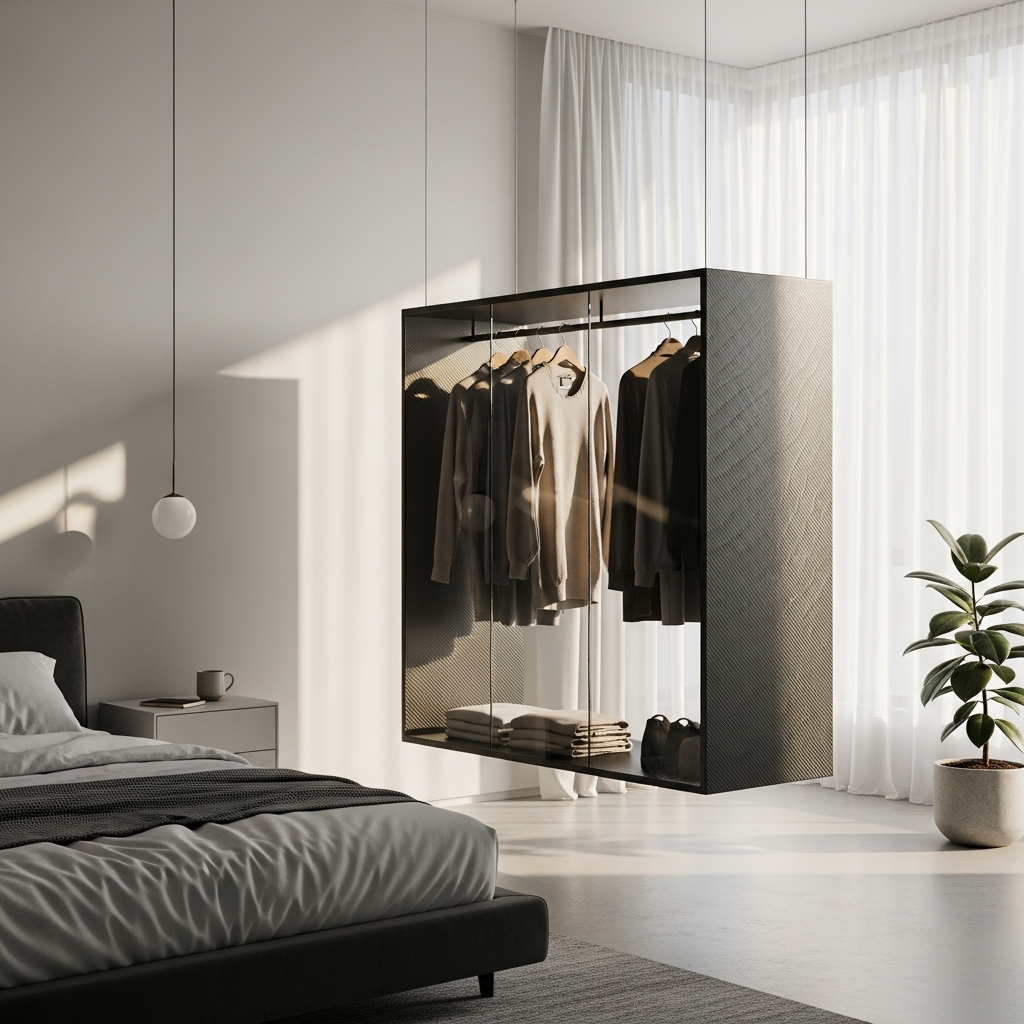
Perhaps the most striking evolution of Soft Brutalism is its migration into domestic interiors. Once reserved for civic or institutional architecture, the aesthetic now informs homes, cafés, and even boutique hotels. The key lies in juxtaposition: rough concrete walls meet velvet upholstery; steel frames cradle linen drapery; terrazzo floors are softened by wool rugs. These contrasts humanize the monumental, transforming mass into intimacy.
Designers are increasingly using digital fabrication to achieve this balance. As explored in digital fabrication research, 3D printing allows for intricate surface textures that mimic fabric folds or organic erosion patterns. The result is a new kind of ornamentation—one that emerges from the process itself rather than being applied superficially.
The Psychological Comfort of Weight
In an age of virtual experiences and lightweight materials, the psychological appeal of solidity has grown stronger. Soft Brutalism responds to this craving for grounding. The mass of concrete offers a sense of permanence, while its softened surfaces and muted palettes evoke calm. According to studies by the Royal Institute of British Architects, environments that balance heaviness with tactile comfort can reduce stress and enhance focus. This may explain why Soft Brutalist interiors are increasingly favored in wellness spaces and co-working hubs.
It’s a design language that speaks to our collective fatigue with digital overstimulation. The thick walls, deep shadows, and quiet acoustics of Soft Brutalist spaces act as a sensory refuge—a place where one can feel anchored in the physical world again.
Soft Brutalism and Sustainability
Beyond aesthetics, Soft Brutalism’s endurance lies in its ecological pragmatism. Concrete, long criticized for its carbon footprint, is being reimagined through circular design principles. The rise of zero-waste architecture and low-carbon cement technologies has allowed designers to reconcile Brutalism’s material honesty with environmental responsibility. Reclaimed aggregates, bio-based binders, and adaptive reuse strategies are now standard practice in major projects across Europe and Asia.
Moreover, the movement’s aesthetic resilience—its ability to age gracefully—aligns with the slow design ethos. A Soft Brutalist building doesn’t demand constant renovation; it matures. Its surfaces patinate, its imperfections become character. In a world chasing novelty, this durability feels radical.
From Civic Pride to Cultural Symbol
Soft Brutalism has also become a cultural symbol of resilience. Cities like Tokyo, Berlin, and London are restoring mid-century Brutalist landmarks with a newfound sensitivity, layering them with greenery, textiles, and public art. The result is a dialogue between eras—a reminder that progress need not erase the past. As seen in the adaptive reuse of structures such as the Barbican and Habitat 67, the aesthetic’s endurance lies in its adaptability.
Even speculative projects, like those inspired by futuristic city design, borrow from Soft Brutalism’s visual vocabulary. The cinematic interplay of light and shadow, the layering of industrial and organic forms, continues to influence architects envisioning post-carbon urbanism.
The Future of “Fluffy Concrete”
As we move deeper into the decade, Soft Brutalism’s influence shows no sign of waning. Its paradoxical charm—massive yet gentle, raw yet refined—embodies the contradictions of contemporary life. Architects are experimenting with “fluffy concrete,” a term coined to describe lightweight, aerated composites that retain the tactile richness of traditional concrete while drastically reducing weight and emissions. Research published by the Materials Today journal highlights the potential of these materials to redefine structural efficiency and thermal comfort.
In this sense, Soft Brutalism is not merely a style—it’s a manifesto for balance. It invites us to inhabit spaces that are both grounded and gracious, monumental yet mindful. In a world of fleeting digital experiences, its enduring solidity feels almost utopian.
Conclusion: The Reign of Soft Strength
“Fluffy Concrete” is more than a clever phrase—it encapsulates the architectural mood of 2026. The movement’s success lies in its ability to reconcile opposites: strength with softness, utility with emotion, permanence with adaptability. As the built environment continues to evolve under the pressures of climate change and urban density, Soft Brutalism stands as a reminder that beauty can emerge from restraint, and comfort from concrete.
In the end, perhaps the most radical thing about Soft Brutalism is not its form, but its feeling. It proves that architecture can be both tough and tender—and that, in 2026, is precisely what the world needs.
###ARTICLE_END### { “seo_title”: “Fluffy Concrete: Soft Brutalism in 2026”, “meta_description”: “Explore why Soft Brutalism, or ‘Fluffy Concrete,’ defines 2026 design with tactile materials, sustainability, and emotional architecture.”, “excerpt”: “Soft Brutalism blends the strength of concrete with the warmth of texture and sustainability, redefining modern architecture in 2026.”, “focus_keyphrase”: “Soft Brutalism” } **AI Image Prompts** 1. **Prompt:** Photorealistic image of a modern Soft Brutalist apartment interior with smooth concrete walls, plush beige furniture, and diffused sunlight filtering through linen curtains. Shot on a Hasselblad H6D with natural daylight balance. **Alt text:** Soft Brutalist apartment interior with tactile concrete and warm textures. **Caption:** A serene Soft Brutalist living space where concrete meets comfort. 2. **Prompt:** Exterior of a civic building showcasing Soft Brutalism—textured concrete façade with integrated greenery and large glass apertures. Photographed at dusk on a Hasselblad X2D. **Alt text:** Soft Brutalist civic building with green façade and concrete texture. **Caption:** Public architecture softened by nature—Soft Brutalism’s civic evolution. 3. **Prompt:** Detail shot of “fluffy concrete” texture—lightweight aerated concrete with embedded natural fibers, photographed under soft studio lighting. **Alt text:** Close-up of aerated “fluffy concrete” texture with fiber inclusions