
Self-Healing Materials in Architecture: Science Fiction or Near Future?
Self-Healing Materials in Architecture: Science Fiction or Near Future?
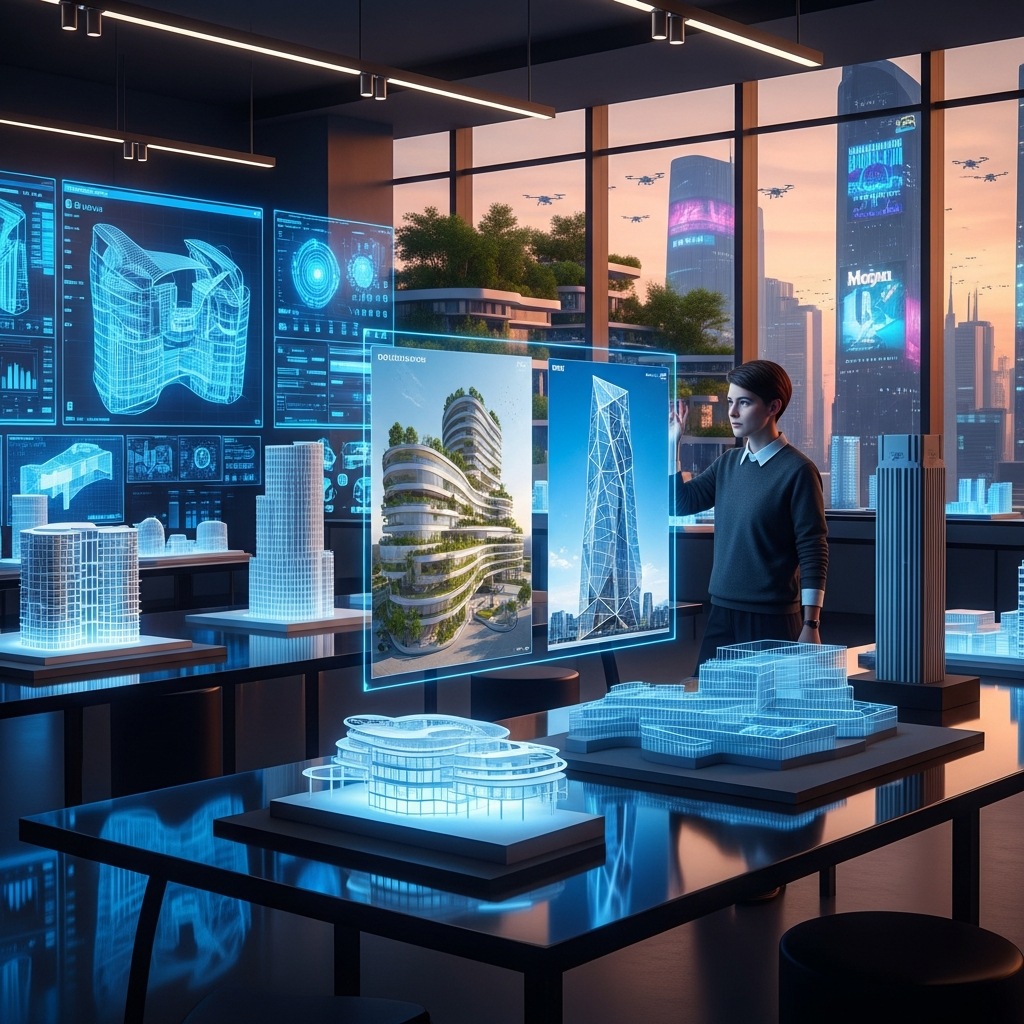
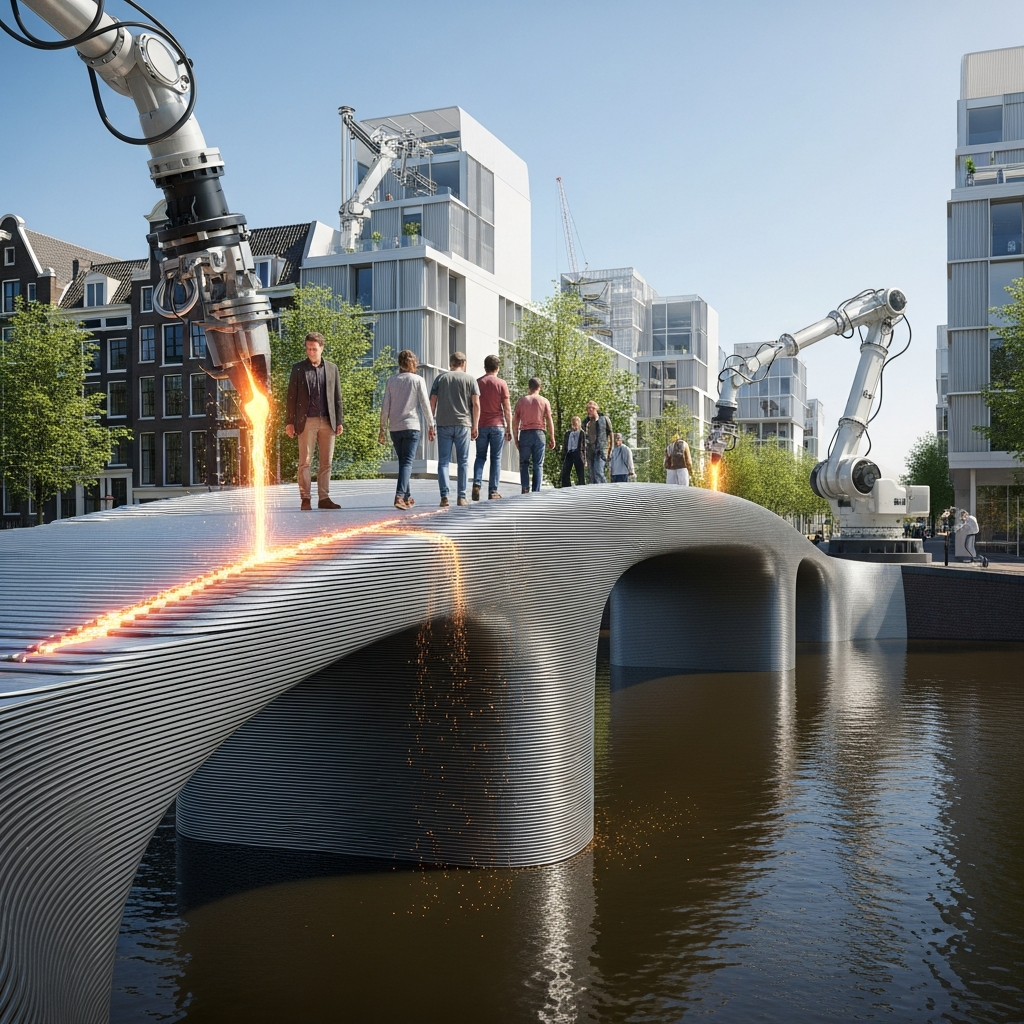
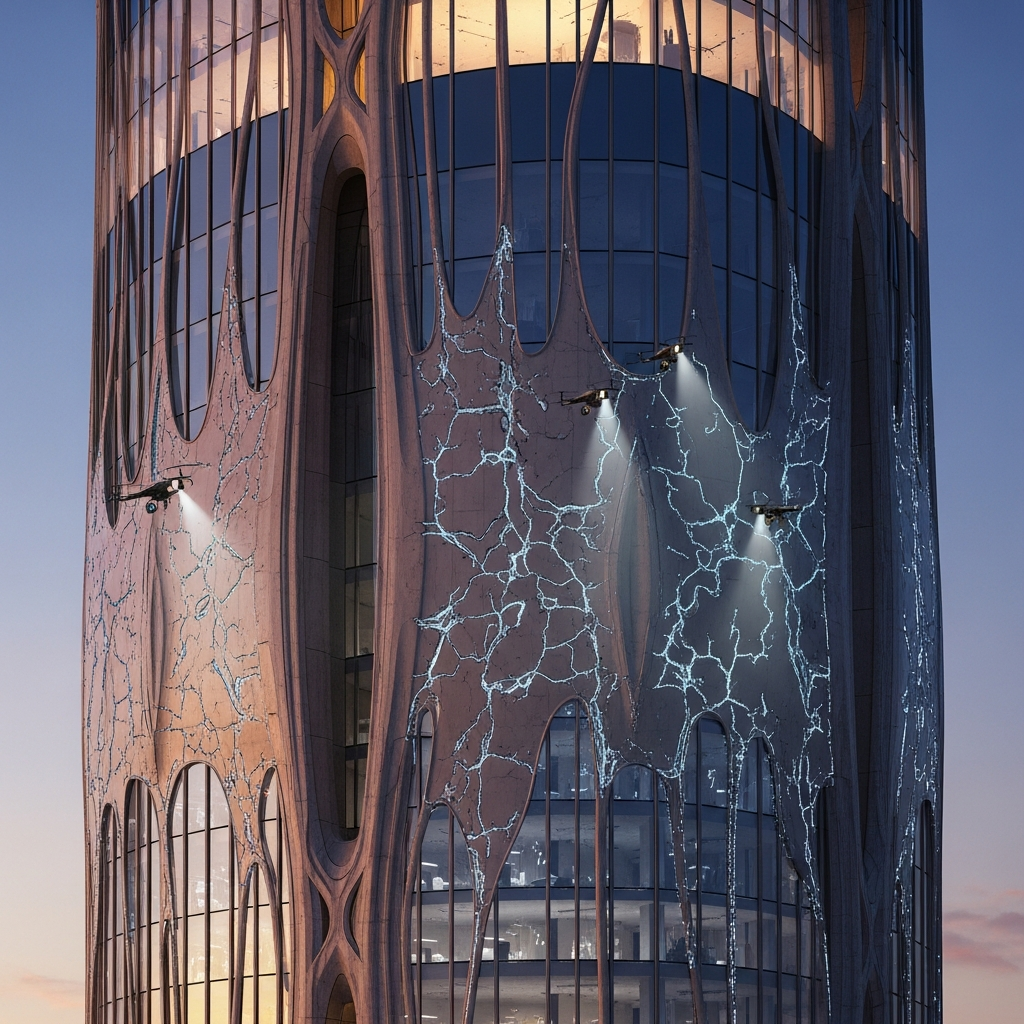
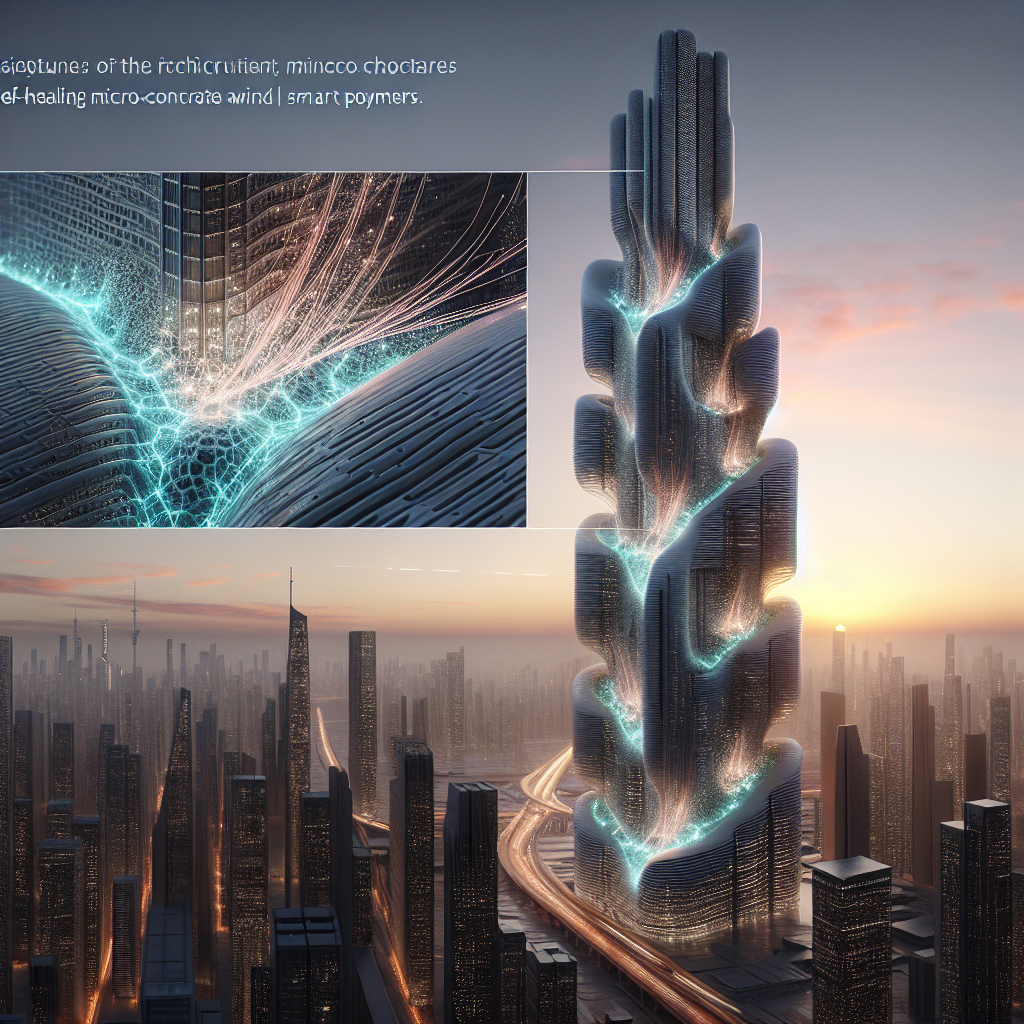
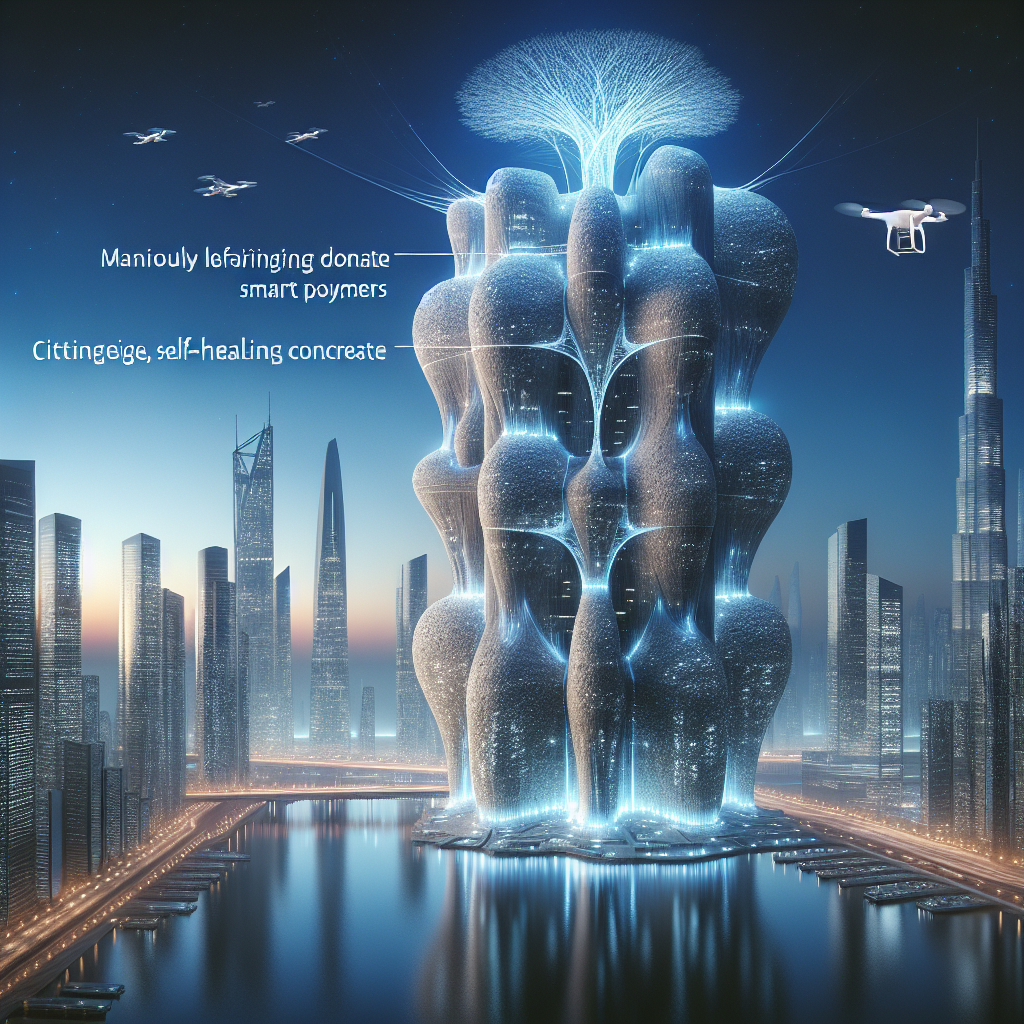
Imagine a skyscraper that repairs its own cracks after an earthquake, or a façade that seals micro-fissures overnight, restoring its smooth surface by morning. What once belonged to the realm of speculative fiction is now edging closer to architectural reality. Self-healing materials—substances capable of autonomously repairing damage—are poised to redefine how we build, maintain, and inhabit our environments. For architects, designers, and developers striving toward sustainability and resilience, this emerging field represents not just a technological leap, but a philosophical one: a shift from static structures to living systems.
The Science Behind Self-Healing Materials
At its core, the concept of self-healing materials draws inspiration from biomimicry—the design philosophy that emulates nature’s processes. Just as human skin regenerates after injury, or tree bark seals itself after being cut, these materials integrate mechanisms that respond to damage automatically. The science typically involves three primary strategies: microencapsulation, vascular networks, and biological agents.
In microencapsulation, tiny capsules filled with healing agents—such as polymers or adhesives—are embedded within the material. When cracks form, the capsules rupture, releasing their contents to fill and solidify the gap. Vascular systems mimic the body’s circulatory network, channeling healing fluids through microscopic tubes. Biological self-healing, perhaps the most intriguing, employs living organisms such as bacteria that precipitate minerals to mend cracks, particularly in concrete. This last approach has already seen promising real-world applications, particularly in infrastructure projects across Europe and Asia.
Concrete That Heals Itself
Concrete, the most widely used building material on Earth, is also one of the most vulnerable to cracking. Traditional repair methods are costly, labor-intensive, and environmentally taxing. Enter self-healing concrete—a material infused with dormant bacterial spores and nutrients. When water seeps into a crack, the bacteria awaken and produce limestone, effectively sealing the fissure. This process not only restores structural integrity but also extends the lifespan of the building by decades.
Research led by Delft University of Technology in the Netherlands has demonstrated that such bio-concrete can heal cracks up to 0.8 millimeters wide. In 2025, several pilot projects in the Netherlands and the UK began integrating this technology into bridges and parking structures, signaling a turning point for sustainable infrastructure. As one might expect, the cost remains higher than traditional concrete, but the long-term savings in maintenance and environmental impact are compelling.
For a deeper exploration of how materials science is transforming the built environment, see this feature on self-healing concrete—a testament to how biology and architecture are converging in unprecedented ways.
Beyond Concrete: Polymers, Coatings, and Smart Surfaces
While concrete dominates the conversation, the potential of self-healing materials extends far beyond structural applications. Polymers and coatings capable of repairing scratches or abrasions are already being tested for façades, flooring, and furniture. These materials rely on reversible chemical bonds that can “reknit” when exposed to heat, light, or even ambient air. Imagine a high-gloss marble-like countertop that erases its own blemishes, or a metallic façade that renews its luster after a sandstorm.
In the automotive industry, self-healing paints have already entered commercial use—a trend that parallels the rise of retro-futuristic vehicles blending classic aesthetics with advanced materials. Translating this innovation into architecture could revolutionize maintenance practices, particularly for high-traffic public spaces and luxury interiors where visual perfection is paramount.
Living Architecture: When Buildings Behave Like Organisms
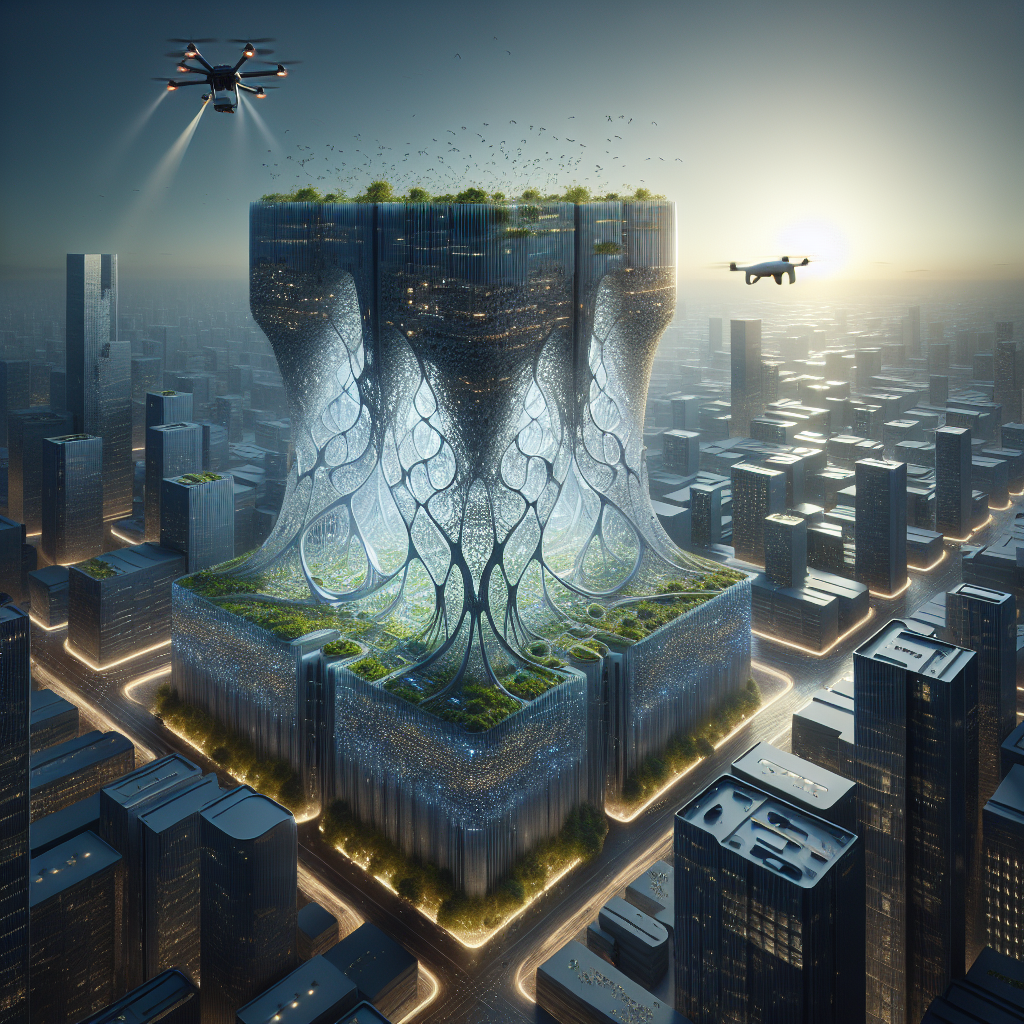
The integration of self-healing materials aligns with a broader movement toward biophilic design and living architecture. As designers increasingly seek to create structures that adapt, breathe, and evolve, the line between the built and the biological continues to blur. This evolution echoes the futuristic visions seen in films like *Blade Runner 2049*, where architecture becomes a responsive ecosystem—an idea explored in depth in this analysis of technology’s impact on urban design.
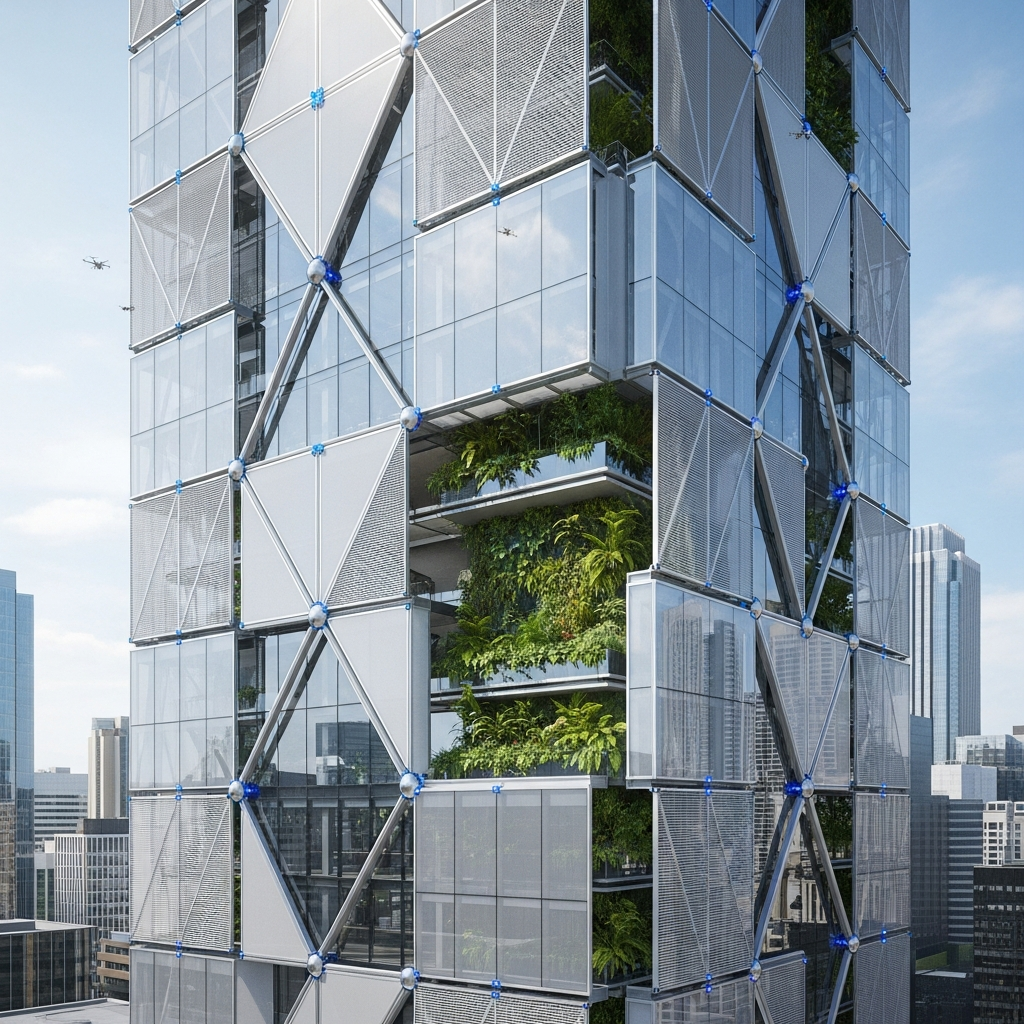
In practice, this could mean façades that self-regulate temperature by expanding or contracting micro-layers, or interiors that heal scuffs and scratches without human intervention. Such systems would dramatically reduce the need for maintenance, lowering operational costs and environmental footprints while enhancing user experience. For architects, the creative implications are profound: materials become collaborators rather than mere components.
Challenges and Limitations
Despite the promise, several challenges stand between self-healing materials and mainstream adoption. Cost remains a significant barrier, particularly for large-scale projects. The integration of biological agents also raises questions about durability, safety, and long-term performance under varying environmental conditions. Moreover, the architectural industry—often cautious in adopting untested materials—requires extensive validation, standardization, and regulatory approval before such innovations can be deployed widely.
There’s also the question of aesthetics. While the idea of self-repairing surfaces is alluring, architects must consider how these materials age, patinate, and interact with light over time. The tactile and visual qualities of materials—central to architectural expression—cannot be compromised for functionality alone. As seen in the rise of timber skyscrapers, material innovation succeeds only when it resonates emotionally as well as technically.
Environmental and Economic Implications
From a sustainability perspective, the implications are transformative. According to the United Nations Environment Programme, the construction sector accounts for nearly 40% of global carbon emissions. Extending the lifespan of materials through self-healing mechanisms could significantly reduce waste, energy consumption, and resource extraction. A 2024 study by the European Construction Technology Platform estimated that self-healing concrete alone could cut maintenance-related emissions by up to 30% over a building’s lifecycle.
Economically, the shift toward self-healing materials aligns with the growing emphasis on circular economy principles. By designing buildings that repair themselves rather than requiring replacement, architects can redefine the metrics of durability and value. The result is a new paradigm of regenerative architecture—one that not only sustains but actively restores.
From Laboratory to Landscape
Across the globe, experimental projects are already testing the boundaries of this technology. In Singapore, a pilot housing complex integrates self-healing façade panels that use humidity-sensitive polymers to seal micro-cracks. In Japan, research teams are developing asphalt capable of regenerating under heat, potentially revolutionizing road maintenance. Meanwhile, in Europe, self-healing coatings are being applied to heritage restoration projects, ensuring longevity without compromising authenticity.
These developments suggest that self-healing materials are not a distant dream but an imminent reality. As costs decrease and production scales up, their integration into mainstream architecture seems inevitable. The first generation of self-healing buildings may emerge within the next decade—structures that quietly, invisibly, and continuously maintain themselves.
The Future of Architectural Resilience
In an era defined by climate volatility and resource scarcity, resilience has become the new luxury. Self-healing materials embody this ethos, offering a vision of architecture that is both intelligent and enduring. They invite us to imagine cities that mend themselves after storms, façades that adapt to pollution, and interiors that preserve their beauty through time.
As the boundaries between science, design, and ecology dissolve, architecture stands on the cusp of a new material revolution. The question is no longer whether self-healing materials will transform the built environment—but how soon we will begin to live within structures that, quite literally, take care of themselves.
For architects and designers, the message is clear: the future of building lies not in permanence, but in regeneration. What was once science fiction is now becoming the blueprint for a self-sustaining world.
Keywords: self-healing materials, self-healing concrete, sustainable architecture, biomimicry, regenerative design, smart materials, architectural innovation
Published on 01/27/2026
Get the Mainifesto weekly — curated design debates, speculative ideas and the week's best articles every Saturday.