
Responsive Lighting Systems: How Smart Lights Improve Human Wellness
Responsive Lighting Systems: How Smart Lights Improve Human Wellness
In the evolving dialogue between architecture, technology, and human experience, responsive lighting systems have emerged as one of the most transformative design tools of the decade. No longer confined to the binary of on and off, light has become a living, adaptive element—an intelligent medium that reads, reacts, and restores. As architects and designers increasingly recognize the physiological and psychological influence of light, the integration of smart lighting systems into spatial design has become both a technological and ethical imperative. The result is a new paradigm: spaces that not only illuminate but also heal, energize, and align with the body’s natural rhythms.
The Science of Light and Human Wellness
Light is more than a visual necessity—it is a biological regulator. The circadian rhythm, our internal clock that governs sleep, mood, and metabolism, is profoundly influenced by light exposure. Research from the Harvard Medical School has shown that artificial lighting misaligned with natural daylight cycles can disrupt melatonin production, leading to fatigue, anxiety, and even metabolic disorders. Conversely, exposure to light that mimics the sun’s spectral composition throughout the day enhances alertness, cognitive performance, and emotional balance.
Responsive lighting systems—powered by sensors, algorithms, and data analytics—are designed to address this very challenge. By dynamically adjusting color temperature, intensity, and direction, these systems synchronize interior environments with the body’s natural needs. Morning light can be cool and invigorating; evening light, warm and restorative. This human-centric approach to illumination, often referred to as circadian lighting design, is redefining wellness architecture across workplaces, hospitality, and residential spaces.
From Static to Sentient: The Evolution of Smart Lighting
The journey from static lighting to responsive ecosystems parallels the broader evolution of smart home technology. Early automation systems relied on pre-set schedules and manual programming. Today’s intelligent lighting networks employ machine learning and Internet of Things (IoT) connectivity to interpret real-time data—occupancy, daylight levels, temperature, and even emotional cues. The result is a seamless interplay between architecture and behavior.
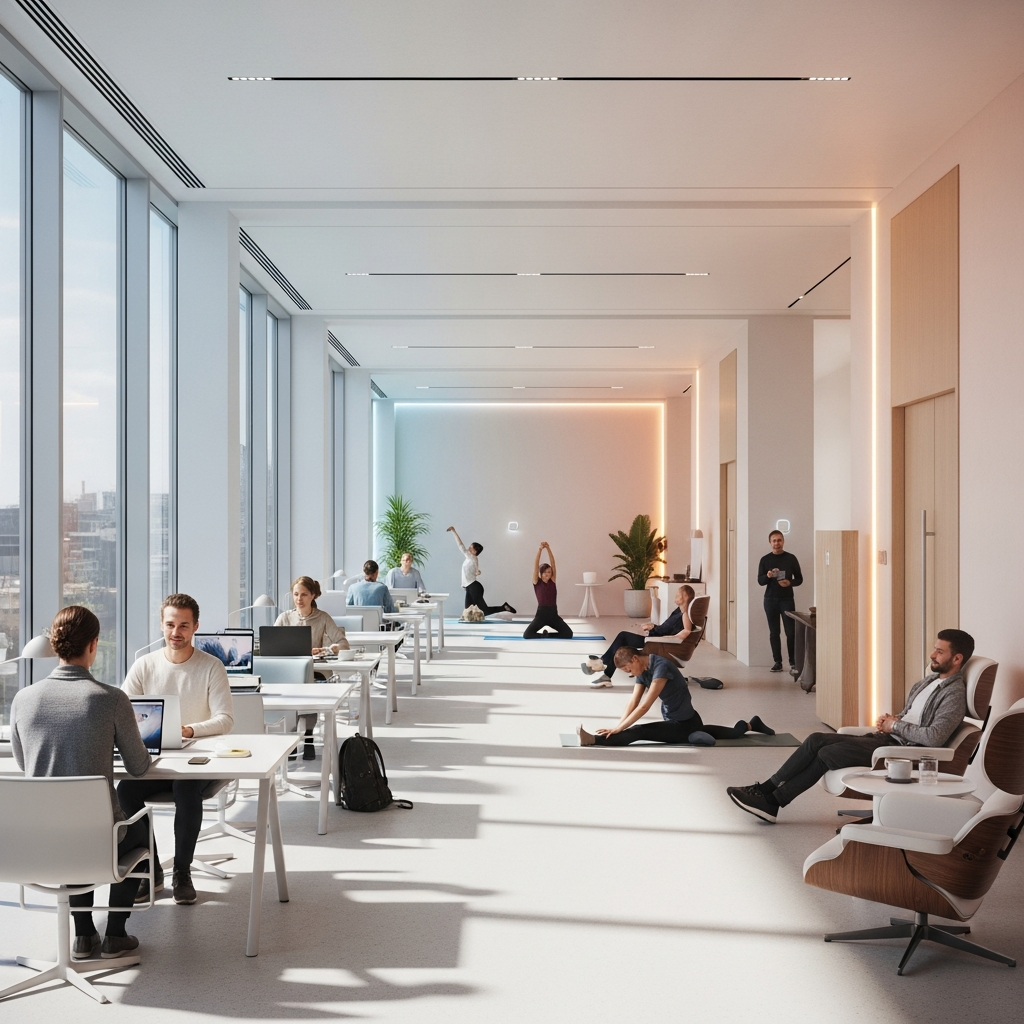
In contemporary office environments, for instance, sensors detect the number of occupants and adjust illumination accordingly, ensuring optimal brightness without energy waste. In wellness-oriented homes, smart lights integrate with wearable devices to monitor sleep cycles and adjust bedroom lighting to promote deeper rest. The sophistication of these systems lies not in their complexity, but in their subtlety: they respond without demanding attention, creating a sense of effortless harmony between user and environment.
Designing with Light: Architecture as a Living Interface
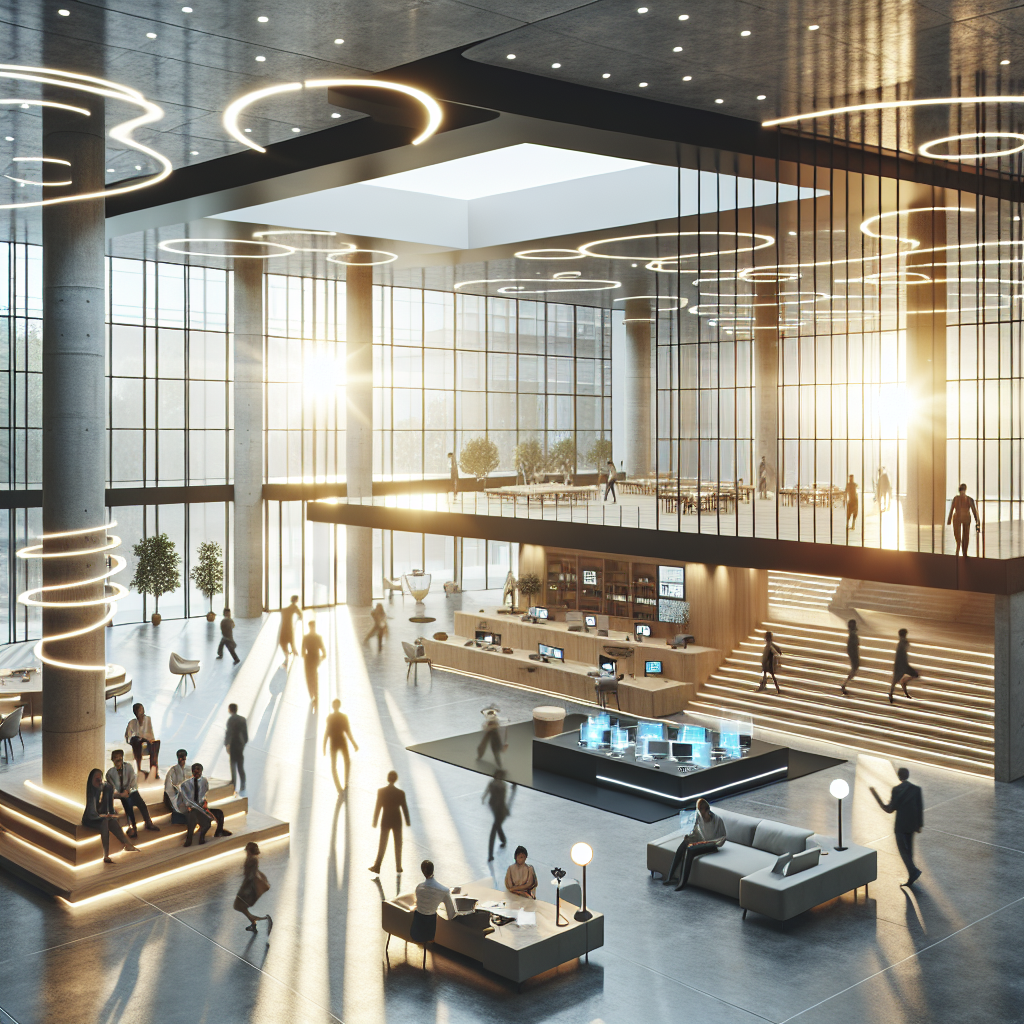
For architects and interior designers, the rise of responsive lighting introduces a new creative language. Light becomes a material—malleable, programmable, and expressive. In the atrium of a biophilic office, for example, sunlight filters through kinetic louvers that shift throughout the day, casting dynamic patterns across timber surfaces. The effect is both poetic and physiological, evoking the rhythms of nature within a controlled environment. This approach resonates with the principles of biophilic design, where natural cues are embedded into built spaces to enhance well-being.
In residential architecture, designers are experimenting with tunable white lighting—fixtures capable of shifting from crisp daylight tones to soft amber hues. Imagine a minimalist apartment in Copenhagen: linear LED strips embedded in ceiling coves gradually transition from cool blue-white at dawn to golden warmth at dusk, mirroring the Nordic sky. The result is an interior that breathes with its inhabitants, aligning light with life.
Case Studies: Wellness by Design
One of the most compelling examples of responsive lighting in practice is the Edge in Amsterdam, often cited as one of the world’s smartest buildings. Its lighting system, developed by Philips (now Signify), uses a network of sensors embedded in LED fixtures to adjust illumination based on occupancy and daylight availability. Employees can personalize their lighting through a smartphone app, optimizing comfort and productivity. The building’s energy consumption is reduced by over 70%, demonstrating that wellness and sustainability can coexist seamlessly.
In the hospitality sector, wellness resorts are embracing circadian lighting to enhance guest experience. At the Six Senses Spa in Portugal, dynamic lighting sequences simulate sunrise and sunset, supporting natural sleep cycles for travelers crossing time zones. The interplay of light and architecture transforms the spa into a restorative cocoon—proof that lighting can be both a design statement and a therapeutic instrument.
Meanwhile, in healthcare environments, responsive lighting is being deployed to reduce patient stress and accelerate recovery. Studies published in the Journal of Environmental Psychology indicate that patients exposed to adaptive lighting experience lower cortisol levels and improved mood stability. Hospitals are increasingly designing wards with tunable LEDs that mimic daylight transitions, fostering circadian alignment even in windowless spaces.
Integrating Technology and Aesthetics
For the design community, the challenge lies in merging technological intelligence with aesthetic integrity. Responsive lighting must not only perform but also inspire. The most successful projects integrate smart systems invisibly—concealed within architectural details, embedded in textured walls, or diffused through sculptural luminaires. This philosophy echoes the ethos of responsive design, where adaptability is woven into the very fabric of the built environment.
Architectural lighting designers are increasingly collaborating with neuroscientists and software engineers to craft multisensory experiences. In high-end retail, lighting algorithms adjust hue and intensity to complement product colors and influence consumer behavior. In museums, light sequences guide visitors intuitively through exhibitions, creating emotional narratives that unfold through illumination. The fusion of art, science, and code is redefining what it means to design atmospheres rather than merely spaces.
Wellness, Sustainability, and the Future of Illumination
As cities move toward net-zero design goals, responsive lighting systems play a crucial role in reducing energy consumption while enhancing human wellness. LED technology, already vastly more efficient than traditional lighting, becomes exponentially more sustainable when paired with adaptive controls. According to the International Energy Agency, smart lighting could cut global electricity use for illumination by nearly 40% by 2030.
Beyond efficiency, the next frontier lies in emotional intelligence. Emerging systems are beginning to interpret biometric data—heart rate, facial expression, even voice tone—to tailor lighting to emotional states. Imagine a living room that softens its glow during moments of stress or a workspace that brightens subtly to counter afternoon fatigue. This convergence of neuroscience and design signals a profound shift: from lighting that reacts to lighting that empathizes.
Light as a Medium of Care
In the end, responsive lighting is not merely about technology—it is about empathy. It acknowledges that human wellness is shaped by the environments we inhabit and that design has the power to nurture as much as to impress. As architects and designers continue to explore this luminous frontier, light becomes a medium of care, an invisible architecture that supports the rhythms of body and mind.
From the softly glowing corridors of a wellness retreat to the subtly shifting hues of a home office, responsive lighting reminds us that design’s ultimate purpose is not only to shape space but to enhance life within it. The future of architecture, it seems, will be illuminated not by static brilliance, but by light that listens.
For further reading on how technology is reshaping our built environments, explore our features on AI in architecture and smart home innovation.
Get the Mainifesto weekly — curated design debates, speculative ideas and the week's best articles every Saturday.