
Carbon-Positive Buildings: Creating More Energy Than They Consume
Carbon-Positive Buildings: Creating More Energy Than They Consume
In the evolving narrative of sustainable architecture, the conversation has shifted from reducing harm to actively generating benefit. Carbon-positive buildings—structures that produce more energy than they consume—represent the most ambitious frontier in the built environment’s response to climate change. They are not merely sustainable; they are regenerative, designed to give back more than they take. For architects, designers, and developers, this paradigm signals a profound transformation in how we conceive, construct, and inhabit space.
The Evolution Beyond Net Zero
For over a decade, the net-zero energy building has been the gold standard of sustainable design. These structures balance energy consumption with renewable energy generation, achieving equilibrium. Yet equilibrium, as many in the field now argue, is not enough. The built environment contributes nearly 40% of global carbon emissions, according to the Intergovernmental Panel on Climate Change. To counteract this, architects are embracing a new goal: buildings that operate as carbon sinks, offsetting emissions not only from their own operation but also from the wider grid and community.
“Carbon-positive architecture is about moving from neutrality to generosity,” explains Australian architect Caroline Pidcock, a leading advocate for regenerative design. “It’s about creating buildings that actively heal ecosystems and communities.”
Designing for Energy Surplus
At the heart of carbon-positive design lies a synergy between advanced technology and bioclimatic intelligence. The approach integrates renewable energy systems—solar, wind, geothermal—with passive design strategies that reduce demand in the first place. High-performance façades, operable shading, and natural ventilation work in concert with smart energy management systems to ensure every watt is optimized.
Take the Powerhouse Brattørkaia in Trondheim, Norway, often cited as the world’s northernmost energy-positive building. Designed by Snøhetta, it produces twice as much energy as it consumes annually. Its sharply angled roof, clad in photovoltaic panels, captures low-angle sunlight reflected off the fjord, while its interior is sculpted to maximize daylight penetration. The building’s surplus energy powers nearby electric buses and neighboring buildings—an elegant demonstration of architecture as infrastructure.
This principle of surplus generation is echoed in projects like the One Planet Living communities in the UK and the Pixel Building in Melbourne, which combine on-site renewables with innovative materials and water recycling systems. The goal is not just self-sufficiency but contribution—an ethos that redefines the architect’s role from designer of objects to steward of systems.
Material Matters: Building with Carbon in Mind
Energy generation is only part of the equation. To be truly carbon-positive, a building must also address its embodied carbon—the emissions associated with material extraction, manufacturing, and construction. Here, the material palette becomes a tool for carbon sequestration. Timber, hempcrete, mycelium composites, and recycled steel are increasingly favored for their ability to store or offset carbon over their lifecycle.
The rise of mass timber construction exemplifies this shift. Engineered wood not only replaces carbon-intensive concrete and steel but also locks atmospheric carbon within its cellular structure. In a carbon-positive framework, materials are selected not merely for performance or aesthetics but for their capacity to participate in a planetary metabolism.
Emerging research in carbon sequestration technologies suggests that future façades could even capture CO₂ directly from the air. Experimental coatings and bio-reactive panels are being tested to turn building envelopes into living filters—architecture that breathes, cleans, and regenerates.
Integrating Nature and Technology
Carbon-positive design extends beyond energy and materials to embrace ecological integration. The philosophy resonates deeply with biophilic design principles, which emphasize the human and environmental benefits of connecting built spaces with nature. Green roofs, vertical gardens, and water-harvesting systems are not decorative gestures but functional ecosystems that sequester carbon, purify air, and support biodiversity.
Consider the Parkroyal Collection Pickering in Singapore—a lush, terraced hotel where cascading greenery offsets much of the building’s operational carbon footprint. The design merges landscape and architecture into a single, self-sustaining organism. This fusion of ecology and engineering defines the next generation of regenerative buildings, where technology amplifies natural processes rather than replacing them.
Urban Impact: From Individual Buildings to Positive Districts
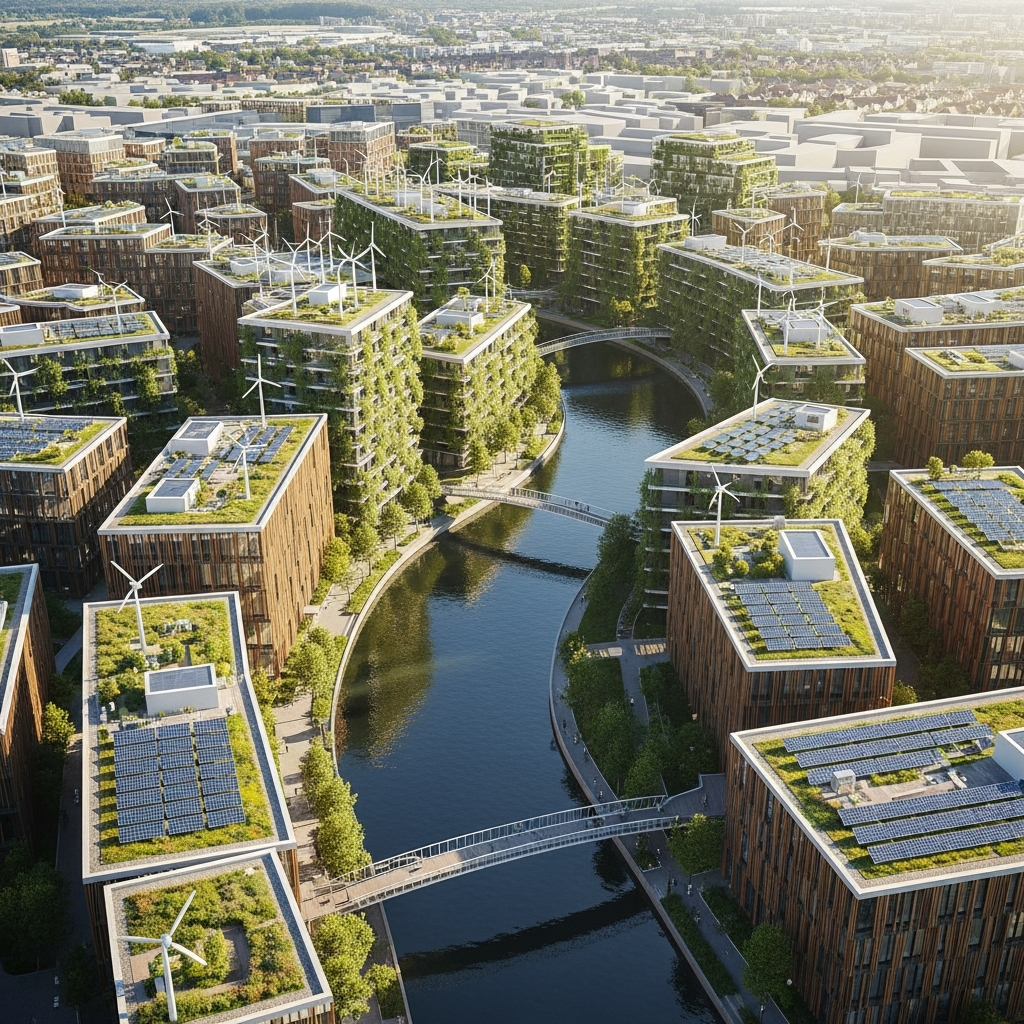
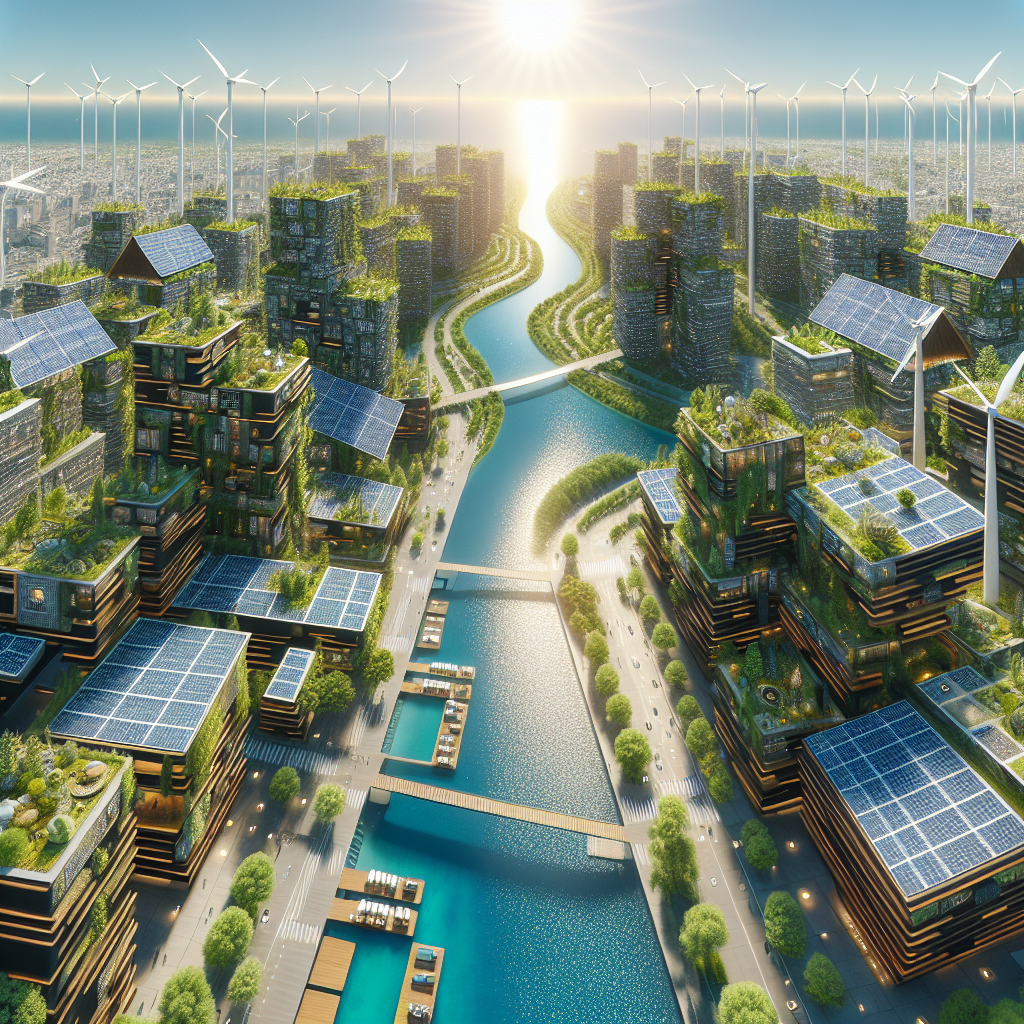
While individual carbon-positive buildings are impressive, their real potential lies in networked systems. Urban planners are beginning to envision carbon-positive districts—neighborhoods where buildings share energy, water, and waste resources through decentralized microgrids. These clusters operate as self-balancing ecosystems, exporting clean energy and absorbing carbon collectively.
Projects like the Hammarby Sjöstad district in Stockholm and the BedZED development in London demonstrate the viability of such integrated systems. As digital infrastructure evolves, smart grids and AI-driven analytics will allow entire urban areas to optimize their energy flows dynamically, much like living organisms adjusting to environmental stimuli. This vision aligns with the ideas explored in net-zero design strategies but pushes them toward a more proactive, restorative model.
Challenges and Opportunities Ahead
Despite the optimism, achieving carbon positivity at scale remains complex. The initial costs of renewable infrastructure, the variability of local energy grids, and the need for new regulatory frameworks all present obstacles. Yet the momentum is undeniable. Governments are introducing incentives for energy-positive developments, and investors increasingly view regenerative design as both ethical and economically sound.
Equally important is the cultural shift within the design community. Architects are reimagining their practice not as the creation of static monuments but as the orchestration of dynamic systems. The building becomes a participant in a larger ecological narrative—responsive, adaptive, and generous.
The Aesthetic of Regeneration
Beyond performance metrics, carbon-positive architecture is shaping a new aesthetic language. These buildings often express their energy systems visibly—solar panels integrated into façades, wind turbines sculpting skylines, rainwater channels tracing façades like veins. The result is a poetics of function, where sustainability becomes an integral part of visual identity rather than an invisible layer of technology.
In interiors, this ethos translates into tactile authenticity: exposed timber beams, natural finishes, and daylight-rich spaces that evoke warmth and transparency. The aesthetic of regeneration is one of honesty—materials that age gracefully, systems that reveal their workings, and spaces that invite occupants to participate in environmental stewardship.
Looking Forward: Architecture as a Climate Solution
As the climate crisis intensifies, the architectural profession faces both a moral imperative and a creative opportunity. Carbon-positive buildings demonstrate that design can be an active force for planetary repair. They embody a shift from sustainability as mitigation to architecture as regeneration—a transformation as philosophical as it is technical.
In the coming years, the most visionary projects will not simply minimize impact but will generate abundance: energy, biodiversity, and human well-being. The built environment, once a symbol of consumption, is poised to become a catalyst for renewal. In this new paradigm, every wall, roof, and window becomes a contributor to a living, breathing network of resilience—an architecture that, quite literally, gives back to the Earth.
For those seeking to explore related innovations in sustainable design, the evolution of circular economy architecture and solar-powered design offers further insight into how the built environment is redefining its relationship with energy, materials, and the planet itself.
Carbon-positive buildings are not a distant ideal—they are the architectural language of a future already under construction.
Published on 01/21/2026

Get the Mainifesto weekly — curated design debates, speculative ideas and the week's best articles every Saturday.