Materializing fractals repeating: detail patterns from micro to macro scale
Materializing Fractals Repeating: Detail Patterns from Micro to Macro Scale
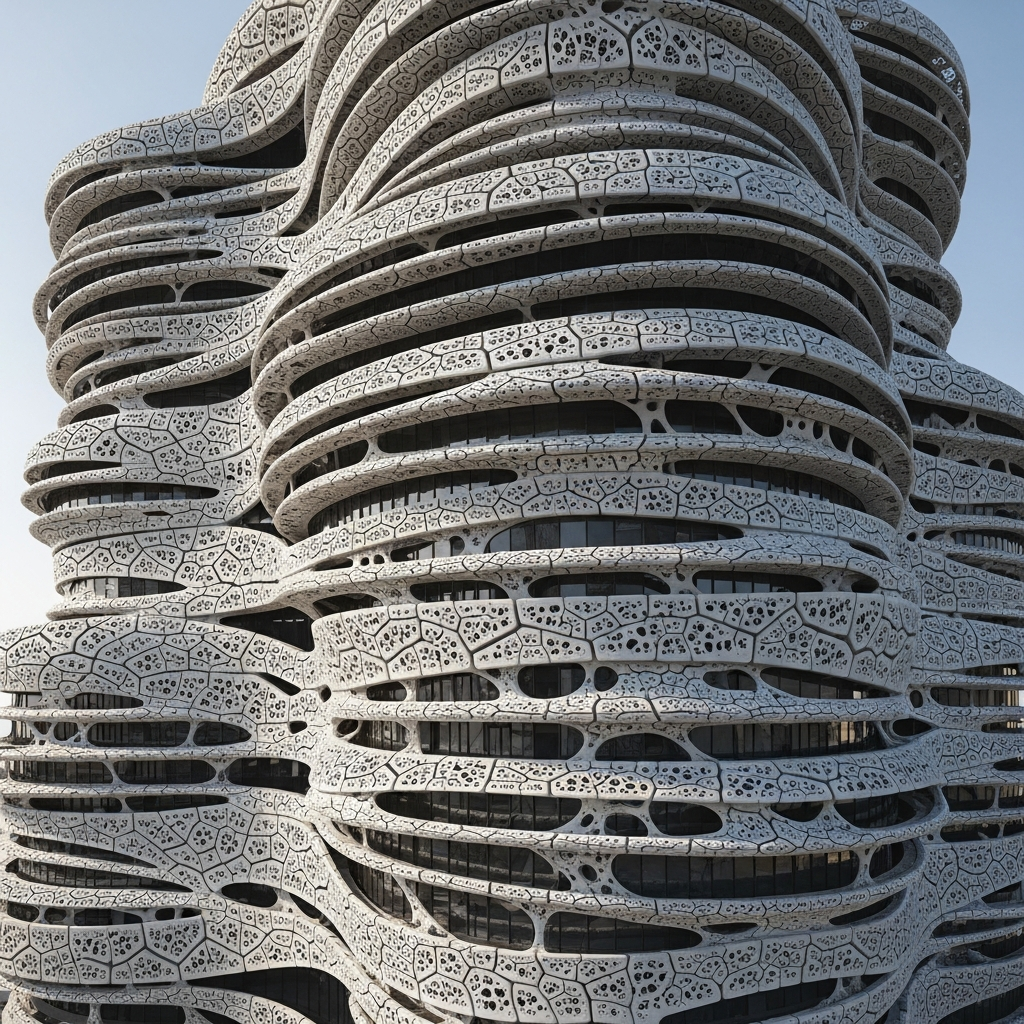
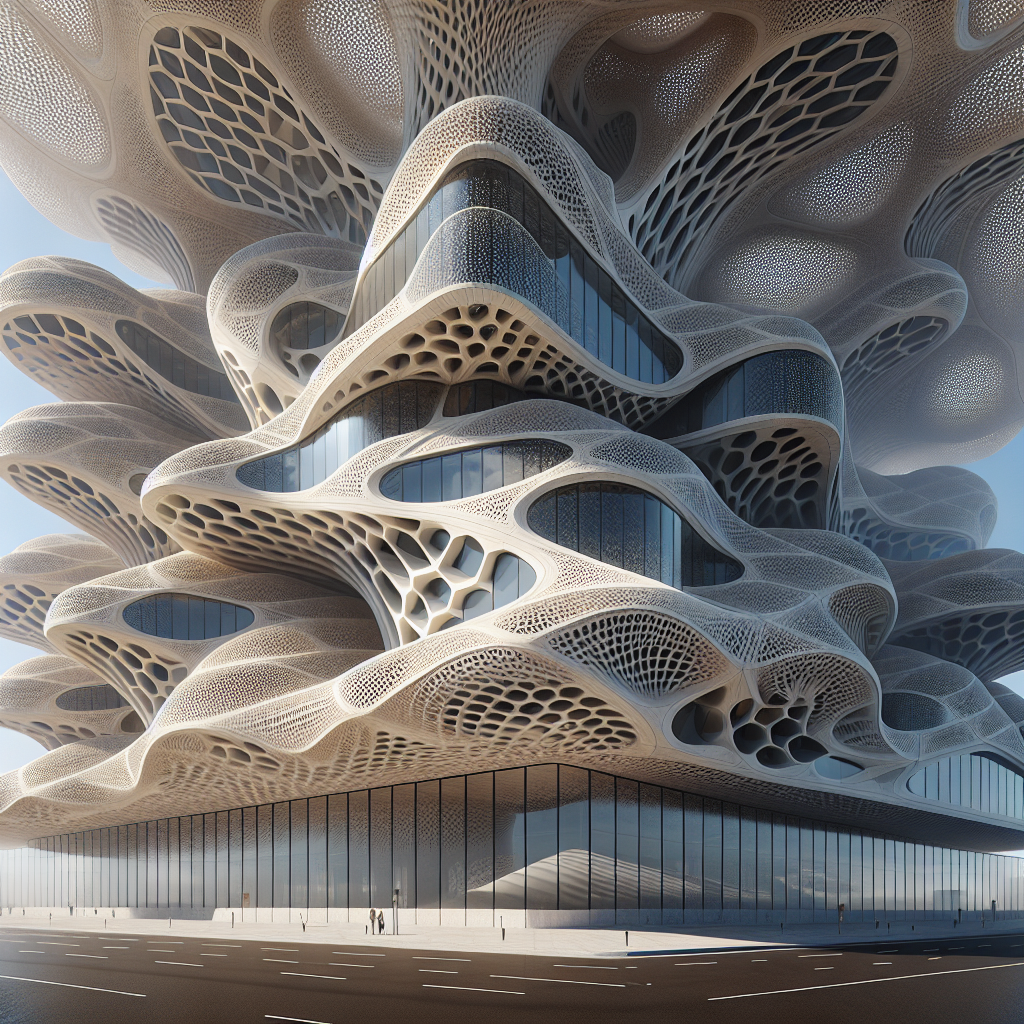
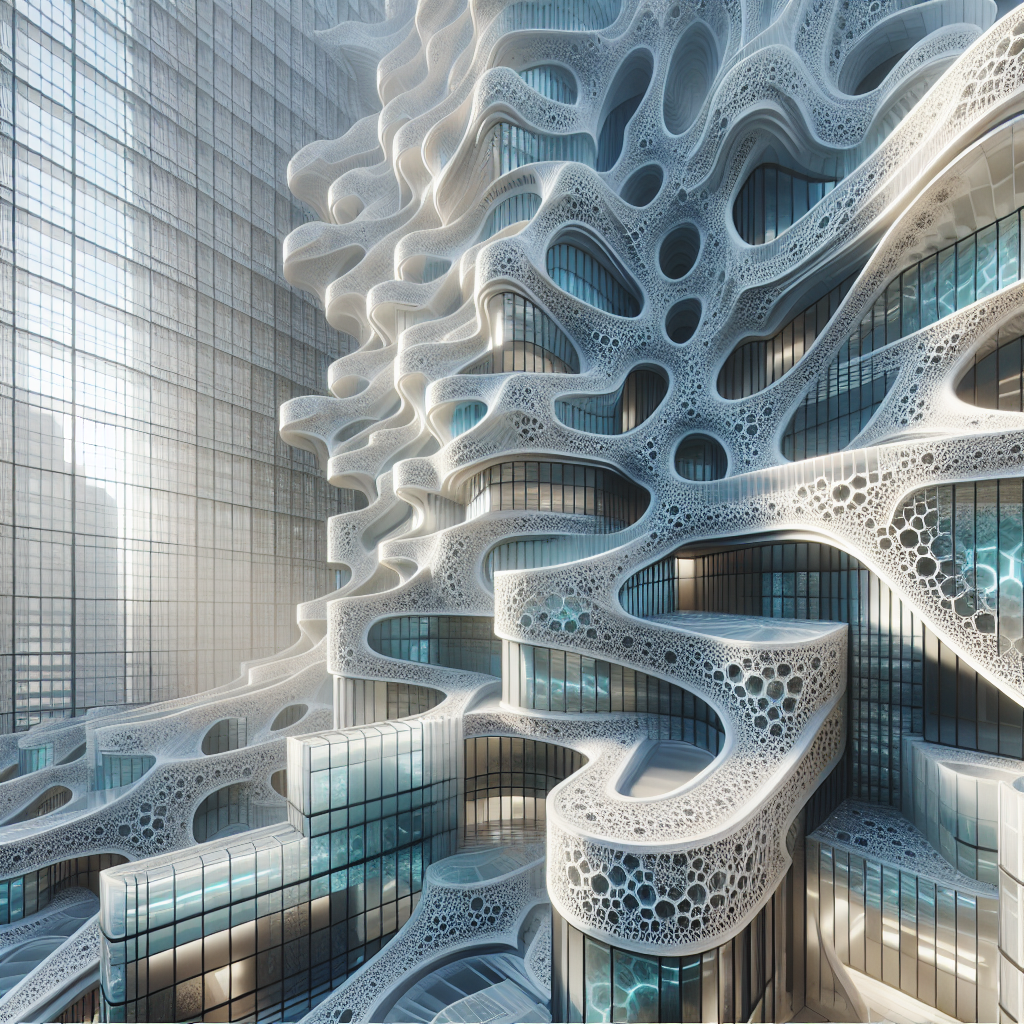
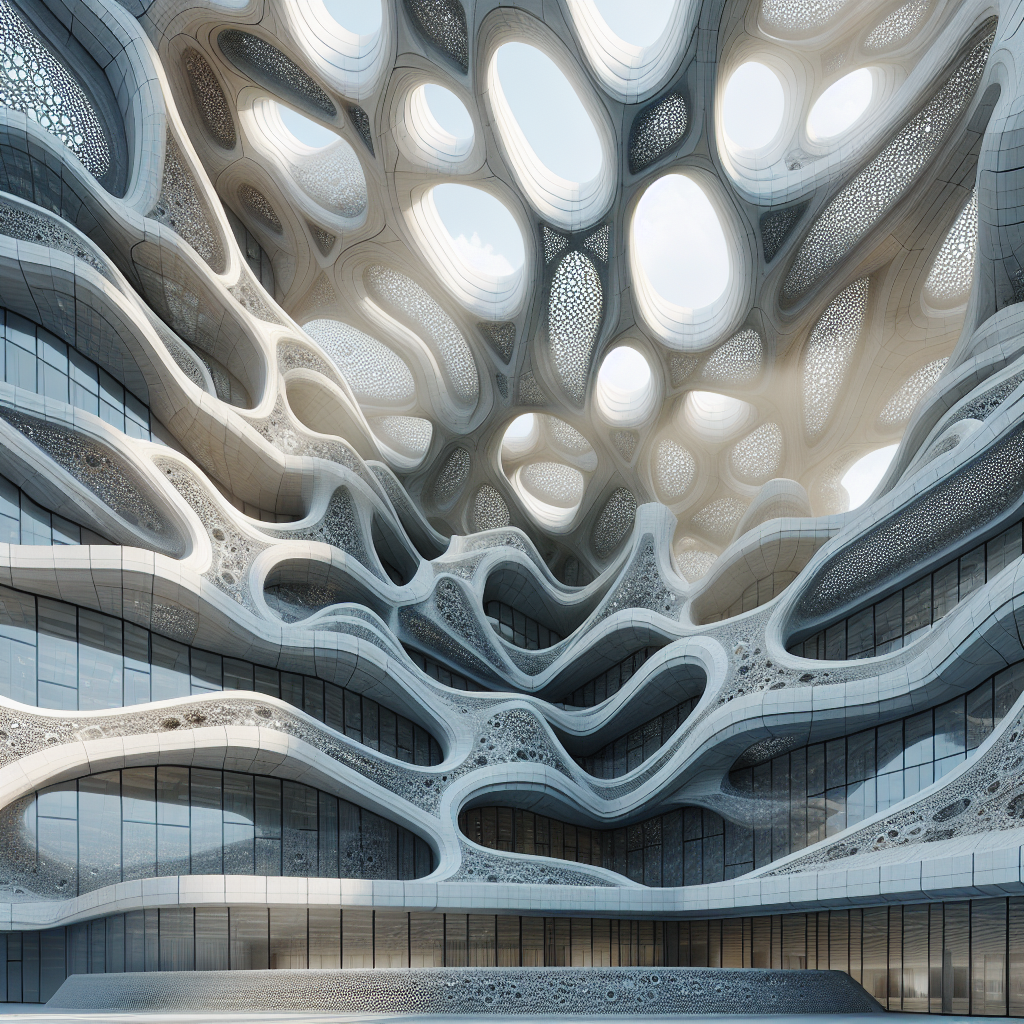
In the contemporary landscape of architecture and design, the fascination with fractals—those infinitely complex, self-repeating patterns found in nature—has evolved from theoretical curiosity to material expression. Once confined to mathematical abstraction, fractal geometry now informs the very skin, structure, and soul of buildings. From the porous façade of a museum to the tessellated surface of a chair, designers are translating recursive logic into tangible form, bridging the gap between micro detail and macro composition. The result is a new aesthetic language—one that merges digital precision with organic rhythm, technology with nature, and chaos with order.
The Fractal Mindset: Nature’s Blueprint for Design
Fractals are more than visual motifs; they are organizational systems that govern the structure of natural phenomena—from the branching of trees and the veins of leaves to the formation of coastlines and snowflakes. The term itself, coined by mathematician Benoît Mandelbrot in the 1970s, describes shapes that exhibit self-similarity across scales. In architecture, this principle translates into designs where the smallest detail echoes the whole—an idea that resonates deeply with both sustainability and sensory coherence.
This recursive approach aligns with the growing interest in biophilic design, which seeks to reconnect built environments with natural systems. Fractal patterns, when applied thoughtfully, can evoke calmness and cognitive ease. Studies published in the *Journal of Environmental Psychology* have shown that exposure to fractal geometries—whether in art, textiles, or architecture—reduces stress and enhances focus. The eye, it seems, finds comfort in repetition that feels alive.
From Algorithm to Artifact: The Digital Renaissance of Fractals
The digital revolution has redefined how designers interpret and construct fractal forms. Through parametric design and computational modeling, architects can now simulate natural growth patterns and translate them into structural systems. Software such as Grasshopper and Rhino enable the manipulation of recursive algorithms, generating patterns that evolve organically yet remain mathematically precise.
Take, for instance, the Al Bahr Towers in Abu Dhabi by Aedas Architects. Their dynamic façade features a mashrabiya-inspired shading system composed of geometric modules that open and close in response to sunlight. The design’s fractal logic allows for both functional adaptability and aesthetic unity. Similarly, the Harbin Opera House by MAD Architects uses flowing, self-referential curves that mimic snowdrifts—each surface folding into the next, echoing the recursive layering of natural landscapes.
This algorithmic craftsmanship represents a shift from designing static forms to orchestrating processes of formation. As seen in sand-printing technology and 3D fabrication, materials themselves can now embody fractal repetition, with microstructures engineered for strength, flexibility, or light diffusion. The boundary between design and biology is dissolving, giving rise to what some theorists call “digital biomimicry.”
Materializing Complexity: Fractals in Surface and Structure
To materialize fractals is to choreograph complexity. In architecture, this often manifests through layered façades, porous membranes, and nested geometries that create visual depth and environmental performance. The façade of the Institut du Monde Arabe in Paris, designed by Jean Nouvel, remains a seminal example: its kinetic apertures, inspired by Islamic latticework, operate as a fractal field of light modulation. Decades later, similar principles are reinterpreted through digital fabrication and responsive materials.
In interiors, fractal repetition finds expression in acoustic panels, lighting arrays, and modular furniture. Designers are increasingly using fractal tessellations to control sound diffusion or to guide circulation through subtle visual cues. The emerging field of responsive design integrates sensors and kinetic systems that echo natural feedback loops—spaces that “breathe” and “adapt” like living organisms.
Material innovation plays a pivotal role in this evolution. Advances in biodegradable architecture and bio-based composites allow fractal structures to emerge from sustainable sources—mycelium, bamboo, or recycled cellulose—each material possessing its own self-similar grain. The tactile experience of these materials reinforces the fractal principle: the closer one looks, the more detail unfolds.
Micro to Macro: The Continuum of Scale
What distinguishes fractal-informed design is its seamless continuity across scales. The same pattern logic that defines a door handle might inform the building’s skyline silhouette. This coherence, often achieved through algorithmic control, creates a sense of visual harmony and structural efficiency. The micro becomes a mirror of the macro.
In the work of architects like Zaha Hadid and Patrik Schumacher, this philosophy manifests as fluid morphologies—buildings that appear to grow rather than be assembled. Their designs often employ recursive subdivision, where each curve and contour echoes the larger form. Similarly, in the interiors of Yabu Pushelberg’s installations, fractal lighting and reflective surfaces create immersive environments that shift perception with every step, much like the Miles Collection at Euroluce 2023.
At the urban scale, fractal thinking informs the layout of entire neighborhoods. The concept of fractal cities—where street networks and green corridors replicate natural branching systems—offers a sustainable alternative to rigid zoning. Such designs optimize airflow, daylight, and social connectivity, proving that fractal logic is not merely aesthetic but profoundly ecological.
Fractals and the Human Sensorium
Beyond visual intrigue, fractal repetition engages the body and mind. Neuroscientific research suggests that humans are inherently attuned to fractal patterns, as they mirror the complexity of our natural environment. This explains why spaces infused with fractal geometry often feel intuitively balanced. The human sensorium responds positively to the rhythm of repetition-with-variation—a principle that can transform sterile environments into restorative ones.
In this sense, fractal design intersects with the growing discourse on well-being in architecture. Just as biophilic elements improve air quality and emotional health, fractal aesthetics contribute to psychological comfort. The interplay of shadow, reflection, and scale activates curiosity while maintaining coherence. It’s a visual music that resonates across dimensions.
Future Trajectories: Toward a Fractal Ecology of Design
As the industry moves toward circular economy principles and regenerative design, fractal logic offers a powerful framework for rethinking material cycles and spatial hierarchies. By designing systems that repeat and adapt, architects can create buildings that evolve rather than expire. The future of sustainable architecture may well depend on this recursive intelligence—where every component, from façade panels to urban grids, participates in a larger ecological pattern.
Emerging technologies such as generative design and AI-driven modeling are amplifying this potential. Algorithms can now learn from natural fractals—coral reefs, leaf venation, or snowflakes—and generate structures optimized for energy flow, thermal comfort, and material efficiency. The result is not imitation but collaboration with nature’s own design code.
In this new paradigm, the architect becomes less a composer of static forms and more a curator of evolving systems. The building, in turn, becomes a living organism—its surfaces breathing, its patterns shifting, its materials regenerating. The repetition of fractals, once a mathematical curiosity, now defines a philosophy of resilience and renewal.
Repetition as Revelation
To materialize fractals is to embrace the poetry of repetition. It is an act of design that transcends ornamentation, revealing the hidden logic of the world around us. Whether carved into stone, printed in sand, or encoded in glass, fractal patterns remind us that architecture is not merely about constructing space
Get the Mainifesto weekly — curated design debates, speculative ideas and the week's best articles every Saturday.