
Inflatable labyrinths for: children’s play safe buoyant exploration
Inflatable Labyrinths for Children’s Play: Safe, Buoyant Exploration in the Age of Soft Architecture
In an era where architecture increasingly embraces adaptability, sensory engagement, and emotional intelligence, inflatable labyrinths are emerging as a poetic intersection between design innovation and childhood wonder. These ephemeral, air-filled structures—part sculpture, part playground—invite children to explore spatial complexity in an environment that is both physically safe and visually enchanting. Beyond their playful appeal, they represent a new typology of soft architecture: spaces that breathe, flex, and respond to human interaction.
The Rise of Soft, Safe Play Architecture
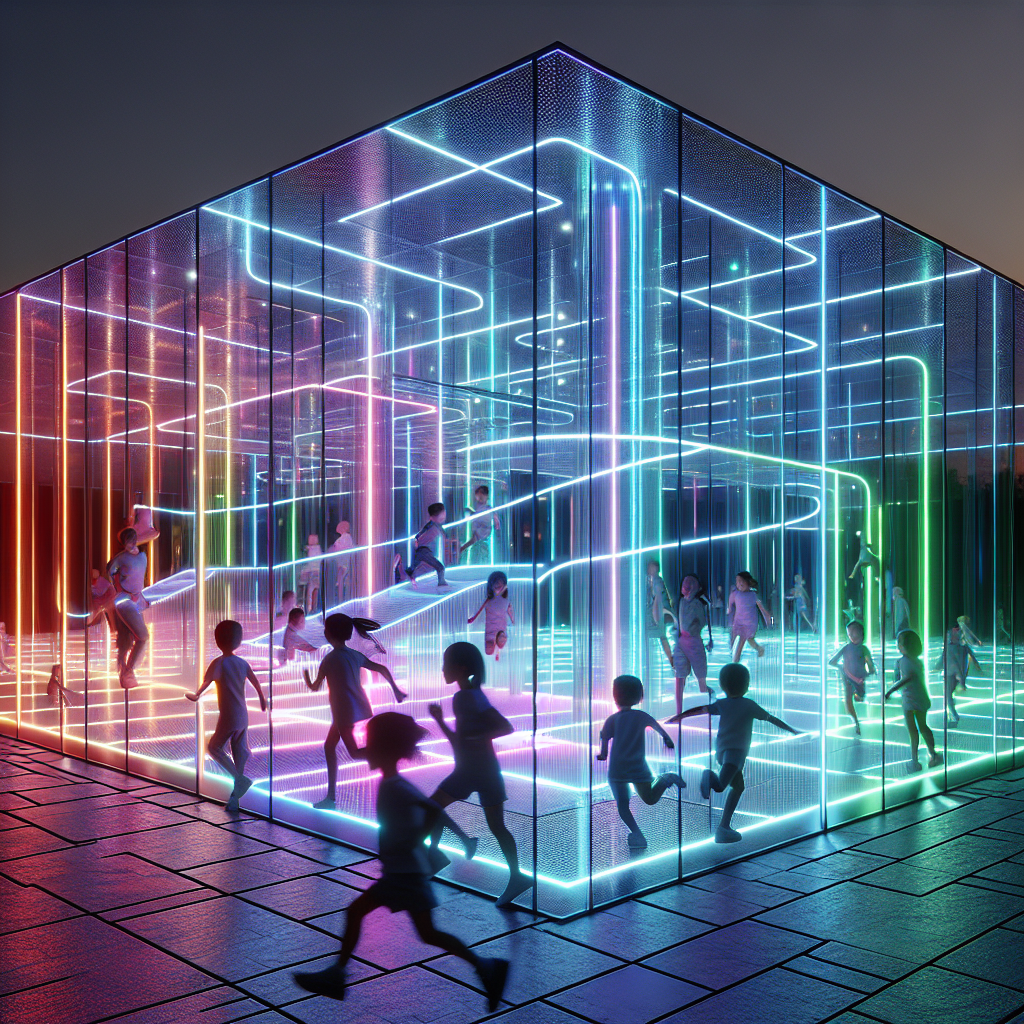
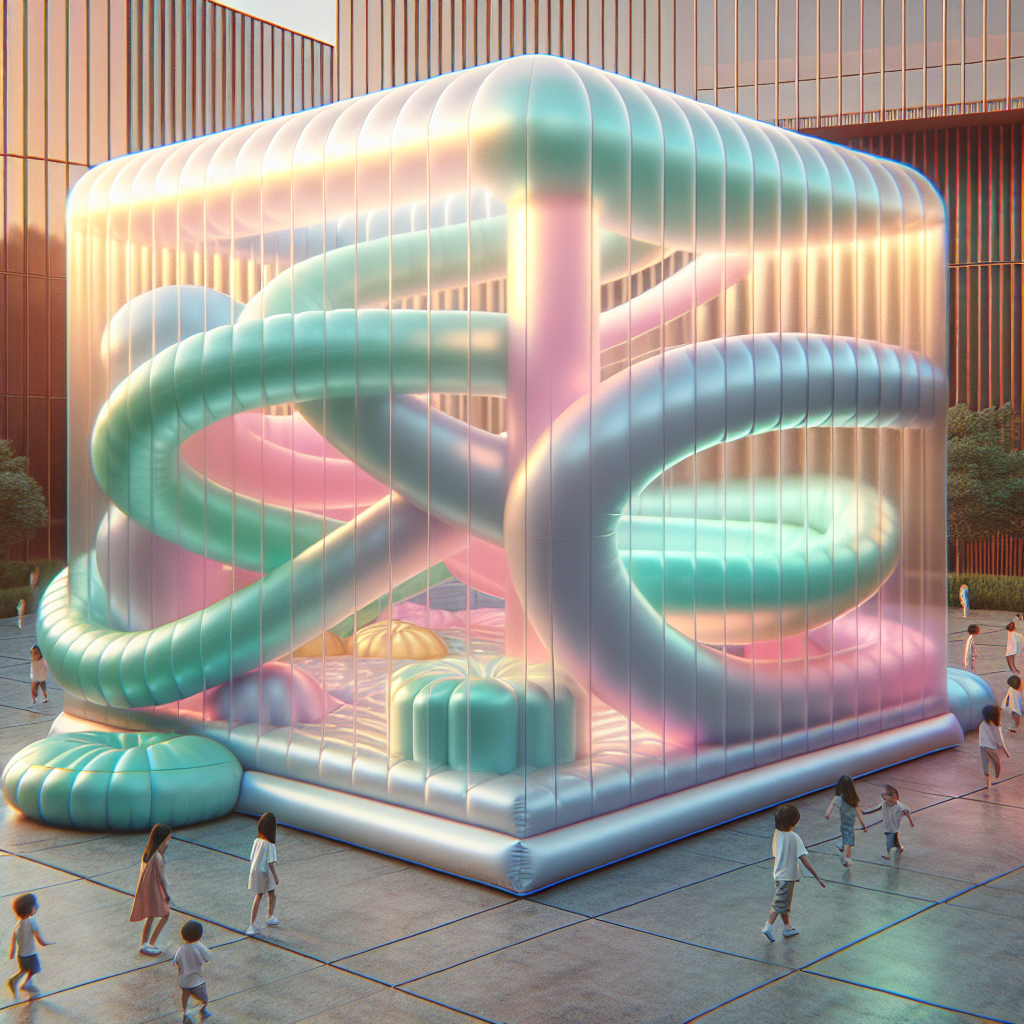
Traditional playgrounds, with their rigid metal frames and predictable layouts, are being reimagined through the lens of tactile exploration and sensorial design. Inflatable labyrinths, constructed from advanced TPU-coated fabrics and reinforced seams, offer a buoyant alternative to static play structures. They merge the aesthetics of art installations with the safety of cushioned environments, creating zones where children can run, tumble, and navigate without the sharp edges or hard surfaces typical of conventional play spaces.
Architects and designers are increasingly recognizing the value of inclusive playgrounds that cater to diverse physical and cognitive abilities. Inflatable labyrinths, with their malleable walls and sensory-rich surfaces, naturally support this inclusivity. Their flexible geometry adapts to different age groups and abilities, transforming risk into curiosity and movement into learning.
Designing for Buoyancy and Balance
At the heart of the inflatable labyrinth’s appeal lies its buoyant architecture—a system that uses air pressure as both structure and safety mechanism. Unlike traditional frameworks, these labyrinths rely on pneumatic tension to maintain form, allowing them to absorb impact and reconfigure after use. This design principle echoes the philosophy of floating architecture, where adaptability and resilience define the spatial experience.
Designers such as the Spanish collective Plastique Fantastique and the French studio Aerocene have pioneered inflatable environments that blur the boundaries between art, architecture, and performance. Their installations—often translucent, iridescent, and filled with filtered light—transform air into a building material. In children’s play design, this same principle becomes a tool for psychological comfort: the soft resistance of inflated walls creates a sense of security while encouraging free exploration.
Material Innovation and Environmental Responsibility
While inflatables have historically been associated with short-lived entertainment, contemporary design practices are pushing toward sustainable material innovation. Recyclable thermoplastic polyurethane (TPU) and bio-based polymers are replacing PVC, reducing environmental impact while improving durability. Some designers are even experimenting with biodegradable architecture principles, envisioning labyrinths that can decompose naturally after their lifespan.
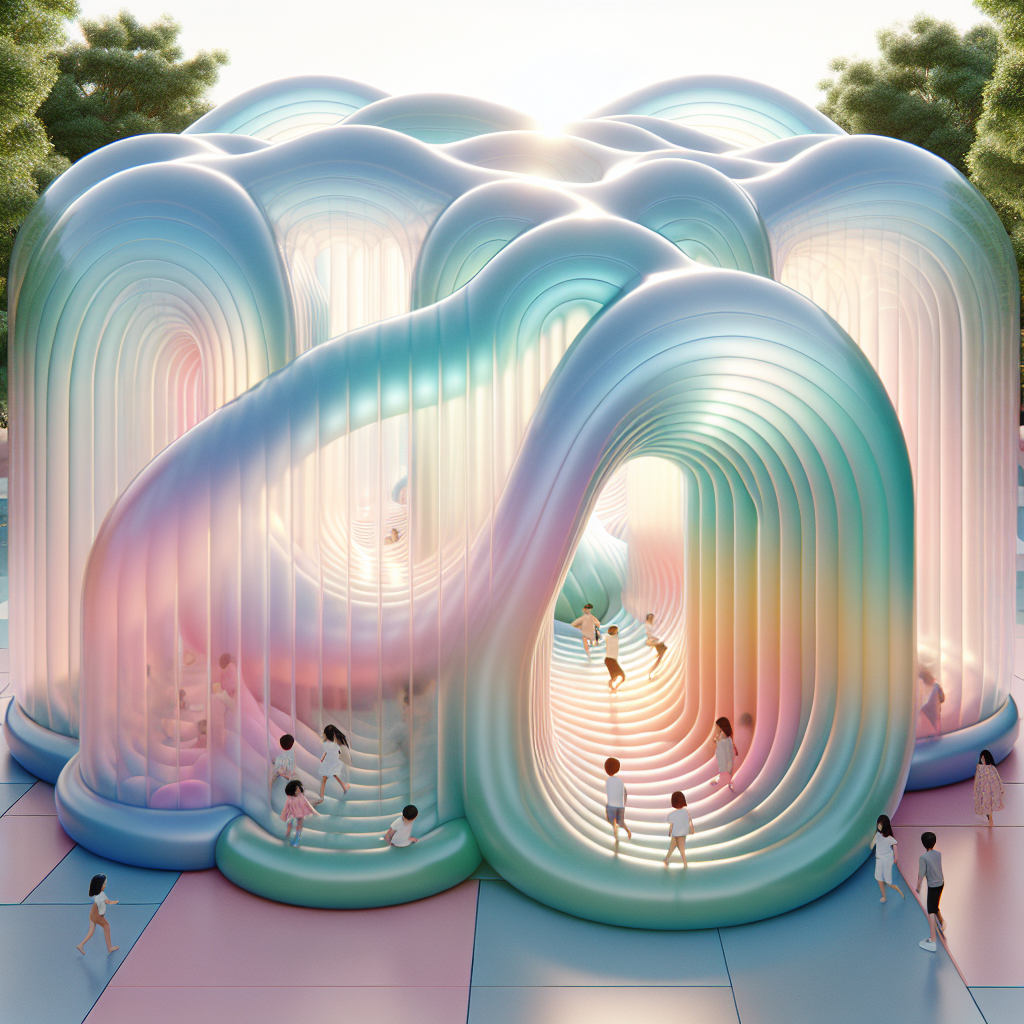
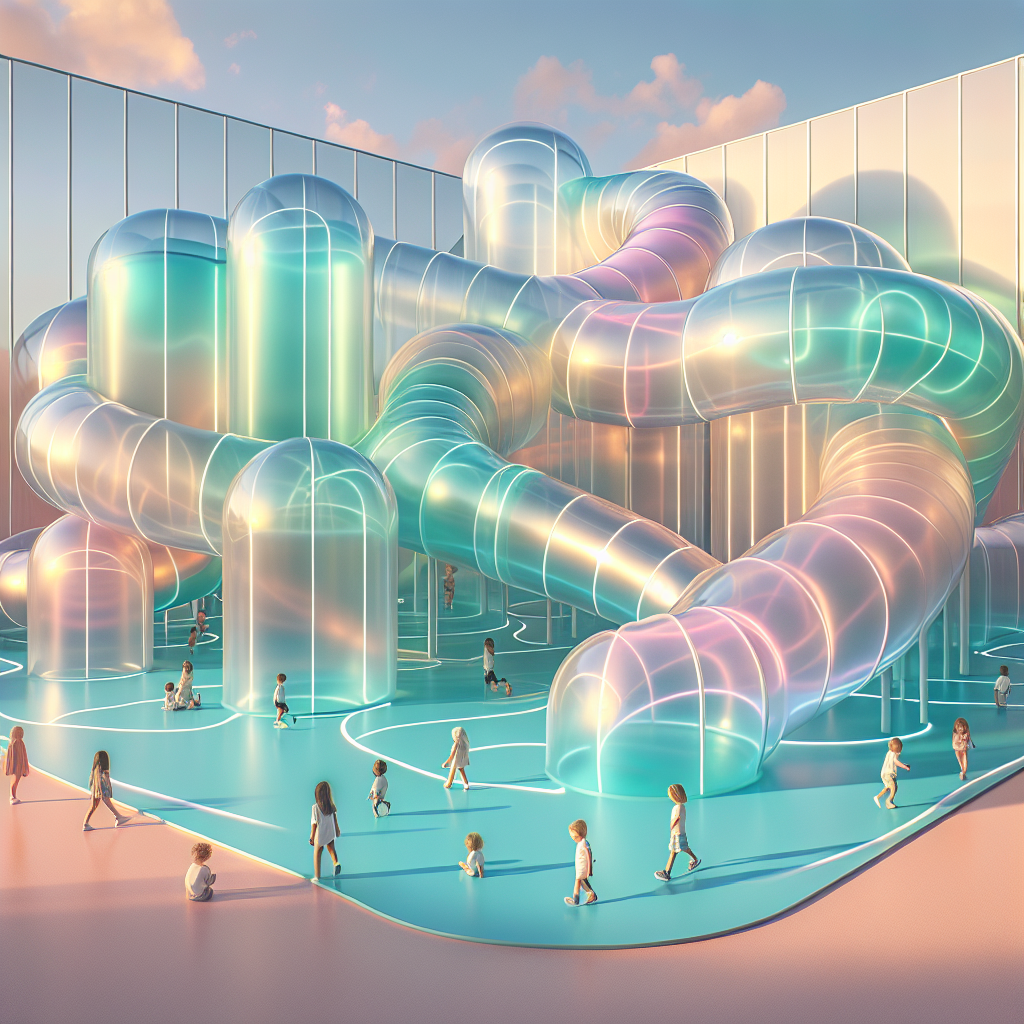
These materials are not only environmentally responsible but also enhance the sensory experience. The tactile softness of TPU, combined with its translucency, allows designers to manipulate light and color in sophisticated ways. Diffused sunlight filters through pastel membranes, casting gradients across the interior—an effect reminiscent of the labyrinthine corridors of contemporary art museums, but reinterpreted for play and imagination.
Spatial Psychology: The Labyrinth as Learning Tool
The labyrinth has long been a symbol of discovery and introspection, from the mythic Cretan maze to the contemplative floor patterns of Gothic cathedrals. In the context of children’s play, the inflatable labyrinth becomes a tool for spatial cognition and emotional development. As children navigate winding corridors and soft cul-de-sacs, they learn to map space, anticipate turns, and develop spatial memory—all within a forgiving, safe environment.
According to studies in environmental psychology, play environments that incorporate complexity and unpredictability stimulate cognitive growth and problem-solving skills. The inflatable labyrinth, with its shifting walls and translucent boundaries, provides precisely this type of controlled unpredictability. It fosters both independence and collaboration, as children must communicate and strategize to find their way through.
Visual Language: Light, Color, and Transparency
Visually, inflatable labyrinths are an architect’s dream canvas. Their translucent skins transform light into a design material, creating immersive atmospheres that shift throughout the day. The interplay of color gradients, shadow, and reflection transforms these spaces into living sculptures. Designers often employ thermochromic or photo-reactive coatings, allowing surfaces to subtly change hue with temperature or sunlight exposure—a concept explored in chromatic illusion design.
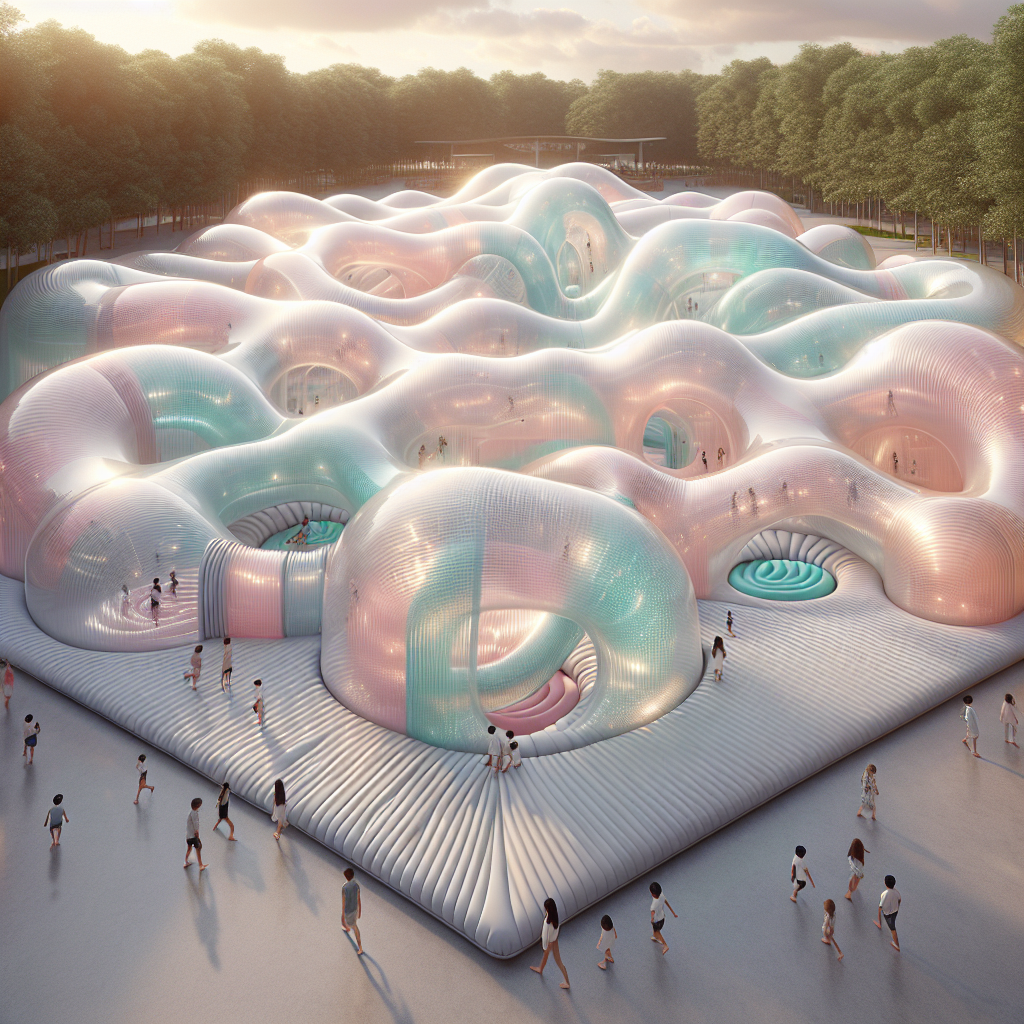
From the outside, these labyrinths resemble luminous bubbles—fragile yet monumental. Inside, they dissolve the boundaries between interior and exterior, encouraging children to perceive architecture as something alive and mutable. The visual softness complements the tactile one, reinforcing the sense of safety and enchantment.
Case Studies: Playful Innovation in Practice
In 2025, the Copenhagen-based studio Airform unveiled “Cloud Maze,” a 600-square-meter inflatable labyrinth installed in a waterfront park. Constructed from recycled TPU panels, the structure featured a modular design that could be deflated and relocated within hours. Its corridors were infused with subtle scents and sound-responsive lighting, creating a multisensory environment that evolved with each visitor’s movement.
Similarly, the Japanese design collective Nendo collaborated with local educators to create “Soft Paths,” a series of smaller inflatable mazes for urban schools. Each installation was designed to fit within a standard gymnasium, offering a safe indoor play environment during colder months. The labyrinths doubled as teaching tools, integrating color-coded zones that corresponded to different learning activities—an elegant example of educational architecture meeting experiential design.
Safety and the Science of Softness
Safety remains central to the success of inflatable labyrinths. Their air-filled chambers act as natural shock absorbers, significantly reducing the risk of injury. Many designs incorporate pressure sensors that automatically adjust internal air levels to maintain structural integrity. The result is a responsive environment that subtly adapts to the density and movement of children inside.
From a psychological standpoint, the softness of the environment encourages risk-taking in a controlled way. Children can climb, fall, and push boundaries without fear—an essential aspect of developmental play. This aligns with the principles of biophilic design, which emphasizes the importance of natural, sensory-rich experiences in fostering well-being and confidence.
Inflatable Futures: The Architecture of Impermanence
Inflatable labyrinths embody a broader cultural shift toward ephemeral architecture—structures designed for temporary existence yet lasting impact. They challenge the notion that permanence equates to value, suggesting instead that architecture can be transient, adaptive, and emotionally resonant. This philosophy resonates with contemporary explorations in interactive installations, where user engagement defines spatial meaning.
As cities seek to create more flexible, sustainable, and inclusive public spaces, inflatable labyrinths offer a compelling model. They can be deployed in parks, waterfronts, or even floating platforms, bringing play and art to unexpected places. Their portability and low environmental footprint make them ideal for urban interventions, festivals, and educational programs alike.
Conclusion: Breathing Life into Play
Inflatable labyrinths are more than whimsical playgrounds—they are a manifesto for a new kind of design thinking. They invite architects to consider air as structure, softness as strength, and play as pedagogy. In doing so, they redefine the relationship between architecture and childhood, transforming the built environment into a living, breathing companion for exploration.
In the gentle inflation and deflation of these buoyant mazes lies a profound architectural truth: that spaces designed to move, flex, and breathe with us may ultimately be the safest, most human environments of all.
Keywords: inflatable labyrinths, soft architecture, children’s play design, buoyant structures, sensory playgrounds, sustainable materials, ephemeral architecture
Published on: 01/12/2026
Get the Mainifesto weekly — curated design debates, speculative ideas and the week's best articles every Saturday.