
Legacy meets laser: contemporary techniques applied to baroque ornamentation
Legacy Meets Laser: Contemporary Techniques Applied to Baroque Ornamentation
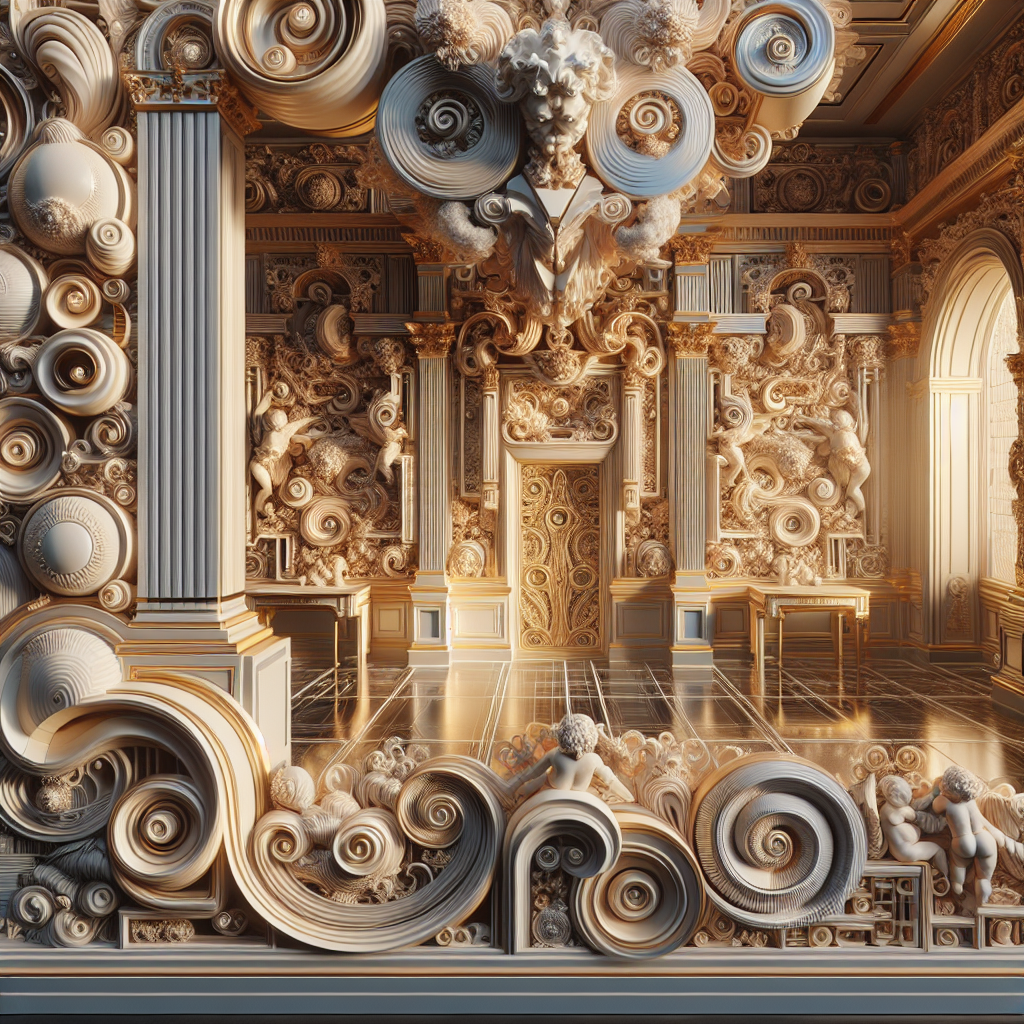
In the ever-evolving landscape of design and architecture, the tension between heritage craftsmanship and digital fabrication has never been more compelling. The ornate splendor of the Baroque period—with its gilded scrolls, voluptuous curves, and theatrical grandeur—once symbolized divine power and artistic mastery. Today, those same motifs are being reinterpreted through the precision of laser cutting, CNC milling, and 3D printing, breathing new life into centuries-old aesthetics. This convergence of legacy and laser represents not a nostalgic revival, but a radical redefinition of ornamentation for the digital age.
The Baroque Blueprint: A Legacy of Excess and Emotion
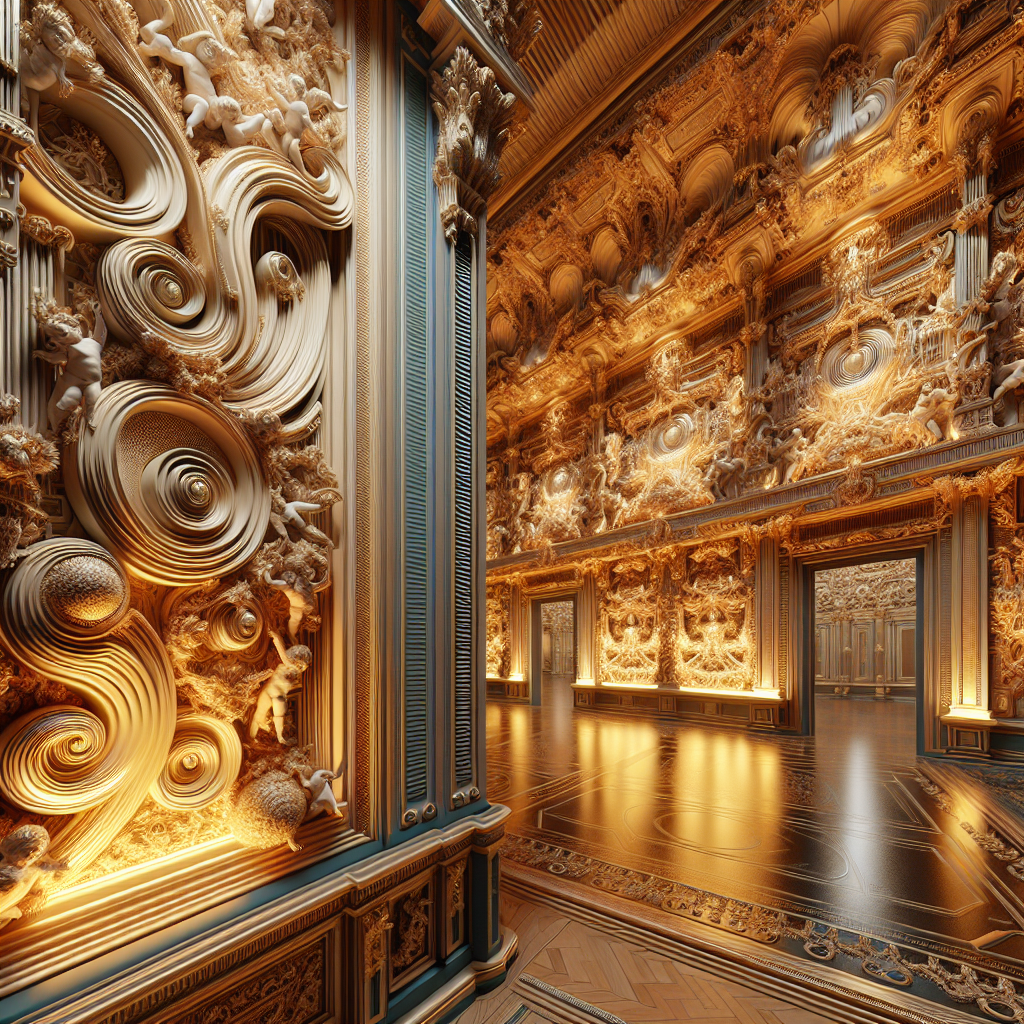
Emerging in 17th-century Europe, Baroque architecture was a sensory experience—an orchestrated play of light, shadow, and ornamentation designed to evoke awe. Think of the Palace of Versailles, where gilded cornices and sculpted cherubs merge into an overwhelming spectacle of opulence. The Baroque was not subtle; it was emotional architecture—architecture that moved. Its vocabulary of volutes, acanthus leaves, and putti was executed by artisans who carved with intuition and reverence for material.
Yet, for all its exuberance, Baroque ornamentation was also about control—every flourish followed a rhythm, every gilded frame a geometric logic. This duality of chaos and order makes it particularly suited to reinterpretation through contemporary digital tools, which excel at translating complex geometries into precise, repeatable forms.
Digital Craftsmanship: From Chisel to Code
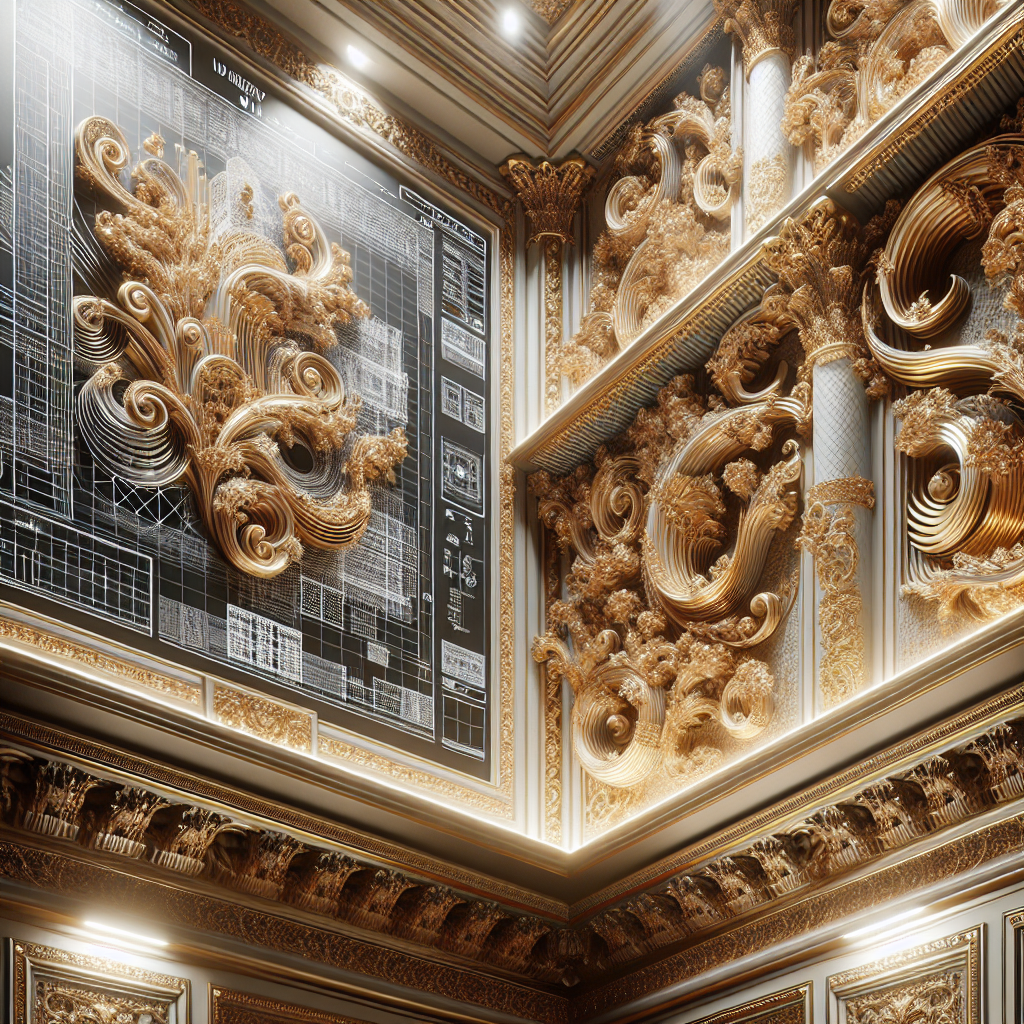
The 21st century has ushered in a new kind of artisan: the digital fabricator. Where the Baroque craftsman relied on chisels and intuition, today’s designer manipulates algorithms and laser beams. Parametric design software allows for the generation of intricate patterns inspired by Baroque motifs, while laser engraving and CNC routing translate these digital drawings into tangible surfaces with micrometric accuracy.
Studios such as Facture Studio in New York and Ornamentum in Vienna are pioneering this synthesis. Their work transforms marble, brass, and wood into digitally reimagined Baroque surfaces—floral arabesques etched by lasers, rococo scrolls reinterpreted in anodized aluminum. The result is a dialogue between past and present: a tactile memory of ornamentation rendered through the cool precision of technology.
This approach aligns with the broader movement toward reviving craftsmanship in modern architecture, where the digital does not replace the hand but extends its reach. As architect and theorist Mario Carpo notes, “The algorithm is the new chisel.” The designer’s role has shifted from maker to conductor—composing data-driven ornamentation that retains the emotional resonance of its historical antecedents.
Laser-Cut Luxury: The New Material Baroque
In contemporary interiors, laser-cut ornamentation is emerging as a hallmark of high-end design. From perforated brass panels in boutique hotels to intricate wooden screens in private residences, the aesthetic language of the Baroque is being distilled into sleek, digitally produced surfaces. These are not replicas but reinterpretations—minimalist yet maximal in spirit.
A striking example is the Casa del Barocco Digitale in Milan, a private residence designed by Italian studio Formafantasma. Here, laser-etched walnut panels reinterpret the exuberant stucco work of Roman palazzi. The walls shimmer with layered depth, their patterns shifting subtly as light moves across them. It’s a contemporary chiaroscuro, achieved not through plaster and pigment but through algorithmic engraving.
This digital Baroque aesthetic resonates with the ongoing fascination for neo-romantic design—a movement that celebrates emotion, ornament, and storytelling in contrast to decades of minimalist restraint. In this context, laser-cut ornamentation becomes both a technical feat and a philosophical statement: a reclaiming of beauty as a legitimate pursuit in modern design.
Parametric Ornamentation: Algorithmic Opulence
The integration of parametric design into ornamental practice has unlocked new possibilities for complexity and customization. By feeding historical motifs into generative algorithms, designers can produce endless variations of Baroque-inspired patterns that respond to context, scale, and material constraints. The result is a form of “living ornamentation”—dynamic, adaptive, and deeply personal.
In the St. Paul’s Digital Chapel project in London, for instance, architects employed parametric modeling to reinterpret traditional ecclesiastical motifs. The chapel’s ceiling, composed of laser-cut aluminum panels, evokes the swirling frescoes of the original Baroque churches but through a language of light perforations and computational rhythm. The effect is both sacred and futuristic—a digital devotion to ornament.
This synthesis of tradition and technology echoes the broader architectural trend toward parametric architecture, where algorithms become tools of expression rather than mere efficiency. In this context, ornamentation is no longer superficial; it is structural, integral, and intelligent.
Material Renaissance: From Marble to Microfiber
Contemporary reinterpretations of Baroque ornamentation also challenge traditional material hierarchies. While 17th-century artisans worked primarily in marble, stucco, and gold leaf, today’s designers experiment with acrylics, composites, and even biodegradable polymers. This material innovation aligns with the sustainability ethos driving modern design, as explored in biodegradable architecture.
Laser engraving on recycled wood or CNC milling on translucent resin panels allows for the creation of luminous, lightweight surfaces that evoke the depth of carved stone without its environmental footprint. The juxtaposition of historical form and futuristic materiality produces a kind of eco-baroque—ornamentation that is both indulgent and responsible.
Moreover, the precision of digital fabrication minimizes waste, aligning ornate design with the principles of the circular economy. In this sense, the revival of ornamentation is not a regression but a progression—an evolution toward sustainable luxury.
Emotional Precision: The Human Touch in the Digital Age
Despite its reliance on technology, the new Baroque remains profoundly human. The emotional charge that defined the original movement persists, now mediated through data and light. Designers speak of “digital tactility”—the way a laser-etched surface can evoke the warmth of hand-carved wood or the drama of gilded plaster.
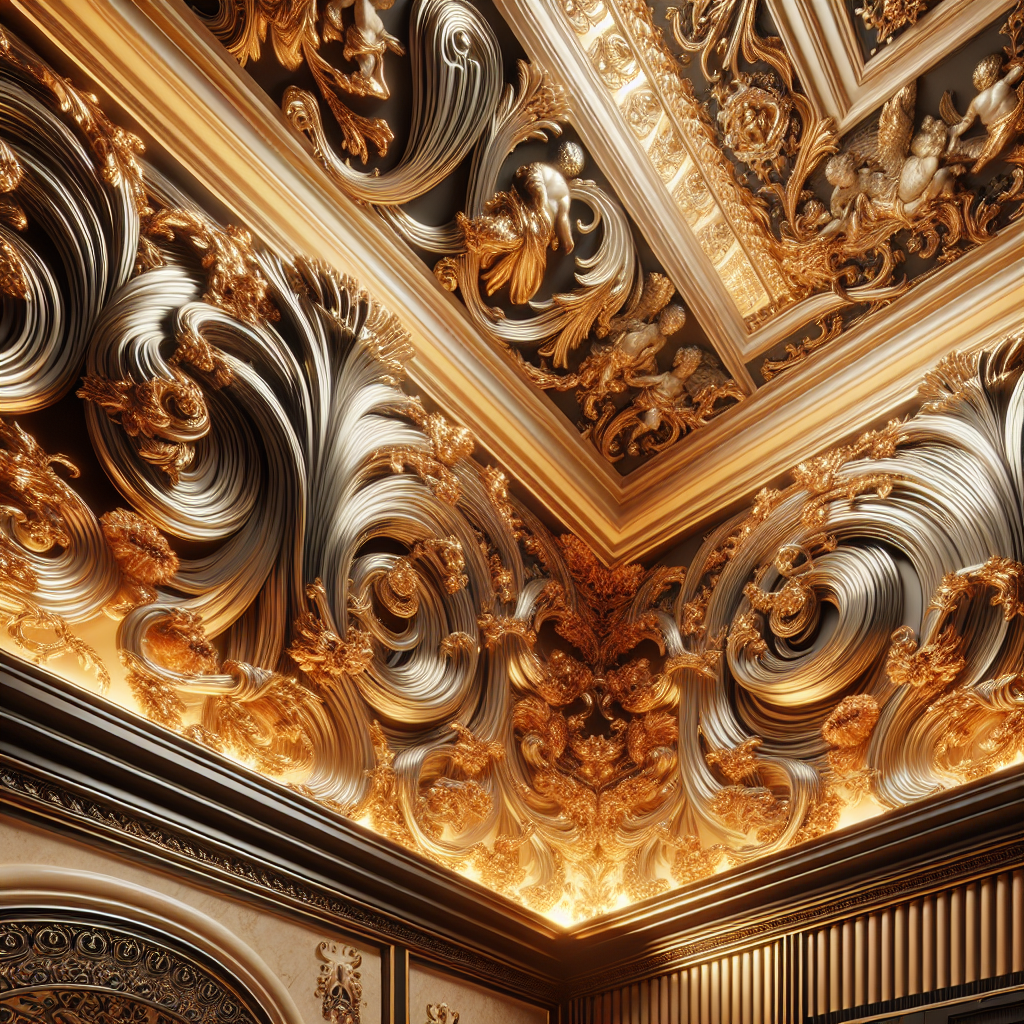
In retail and hospitality spaces, this emotional precision translates into immersive experiences. A laser-cut ceiling might scatter light like a celestial fresco; a CNC-carved wall might invite touch through its rhythmic relief. These gestures reconnect occupants with the sensory richness that modernism once dismissed as decorative excess.
This renewed embrace of ornamentation reflects a cultural shift. As societies move beyond the austerity of minimalism, there is a growing appetite for design that tells stories, celebrates heritage, and engages the senses. The Baroque, reborn through technology, offers precisely that—a language of emotion rendered in code.
Future Directions: Toward a Digital Rococo
As computational tools become more accessible, the line between artisan and algorithm continues to blur. Emerging technologies such as AI-driven generative design and robotic carving are expanding the possibilities of digital ornamentation. Imagine a future where an architect can “train” an algorithm on the stucco patterns of Bernini’s Rome, then adapt them to a carbon-neutral façade in Tokyo.
This fusion of legacy and laser signals a broader paradigm shift in design thinking—one that values complexity, emotion, and craftsmanship in equal measure. The Baroque spirit, once dismissed as anachronistic, is proving to be a fertile ground for innovation. Its revival through digital means is not mere pastiche but a profound act of cultural continuity.
In the interplay of light and code, ornament and algorithm, we find a new architectural poetry—one that honors the past while engraving the future, quite literally, with laser precision.
Keywords: Baroque ornamentation, digital fabrication, laser cutting
Get the Mainifesto weekly — curated design debates, speculative ideas and the week's best articles every Saturday.