
Decorative microgrids decentralized: energy hubs in neighborhoods
Decorative Microgrids Decentralized: Energy Hubs in Neighborhoods
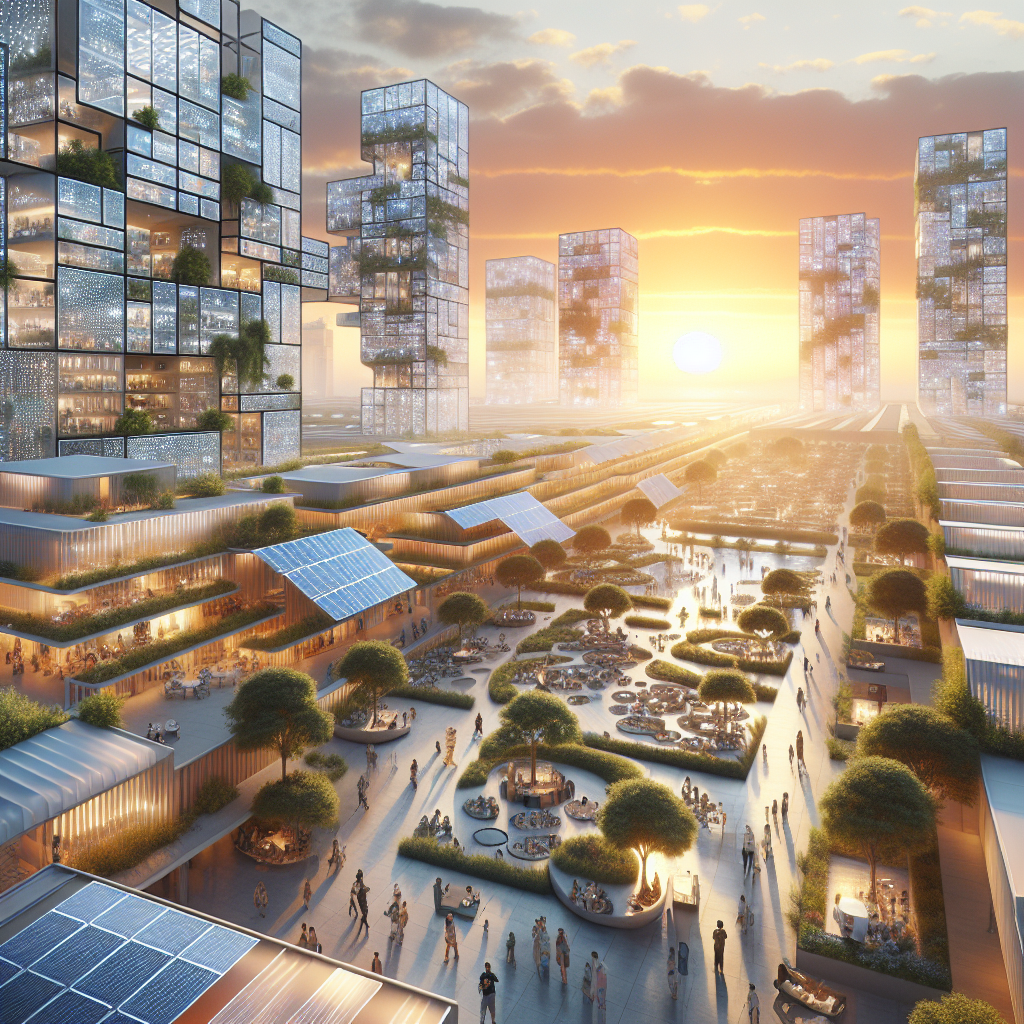
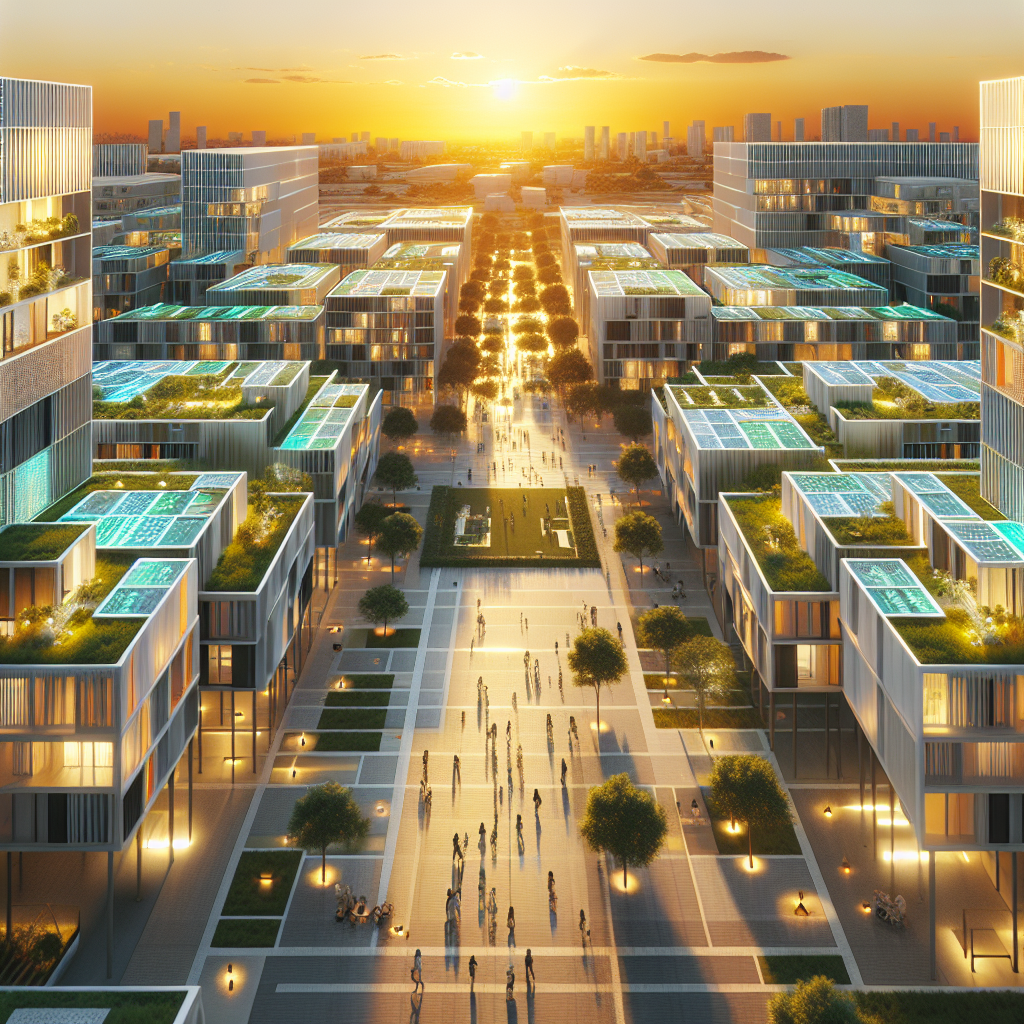
In the quiet hum of a modern neighborhood, a new architectural revolution is unfolding—one that blends energy autonomy with aesthetic sophistication. Decorative microgrids, once the domain of engineers and sustainability experts, are now entering the lexicon of architects and designers. These decentralized energy systems are being reimagined not as industrial backbones, but as community-centric design elements—visually striking, materially expressive, and deeply integrated into the built environment.
The Rise of the Microgrid as an Architectural Typology
A microgrid is a localized energy network capable of operating independently from the main grid. Traditionally, its purpose has been resilience—ensuring power continuity during outages or natural disasters. Yet, as cities pursue net-zero energy goals and architects seek to humanize technology, microgrids are evolving into something more poetic: decorative energy hubs that anchor communities both visually and functionally.
In Copenhagen’s Nordhavn district, solar façades shimmer like kinetic artworks, reflecting the harbor’s changing light. In Tokyo’s Kashiwa-no-ha Smart City, sculptural battery pavilions double as shaded gathering points. These projects signal a shift toward energy aesthetics—where infrastructure becomes part of the architectural narrative rather than hidden behind walls or buried underground.
Designing Energy as Ornament
The idea of decorative microgrids challenges the long-standing dichotomy between utility and beauty. Much like the Arts and Crafts movement redefined craftsmanship in the industrial age, today’s designers are reinterpreting energy systems as tactile, visible, and participatory. Photovoltaic glass, kinetic wind sculptures, and biophilic energy canopies transform once-invisible networks into sensory experiences.
Consider the façade of a community center in Barcelona, where photovoltaic tiles form a mosaic of terracotta and glass, generating power while echoing the city’s Modernista heritage. The patterning of the panels is algorithmically optimized for solar gain, yet their composition reads as a contemporary fresco—a living artwork that breathes with the sun. Such integration recalls the philosophy explored in biophilic design, where natural systems and human environments coalesce to enhance well-being.
Neighborhood Energy Hubs: A New Urban Fabric
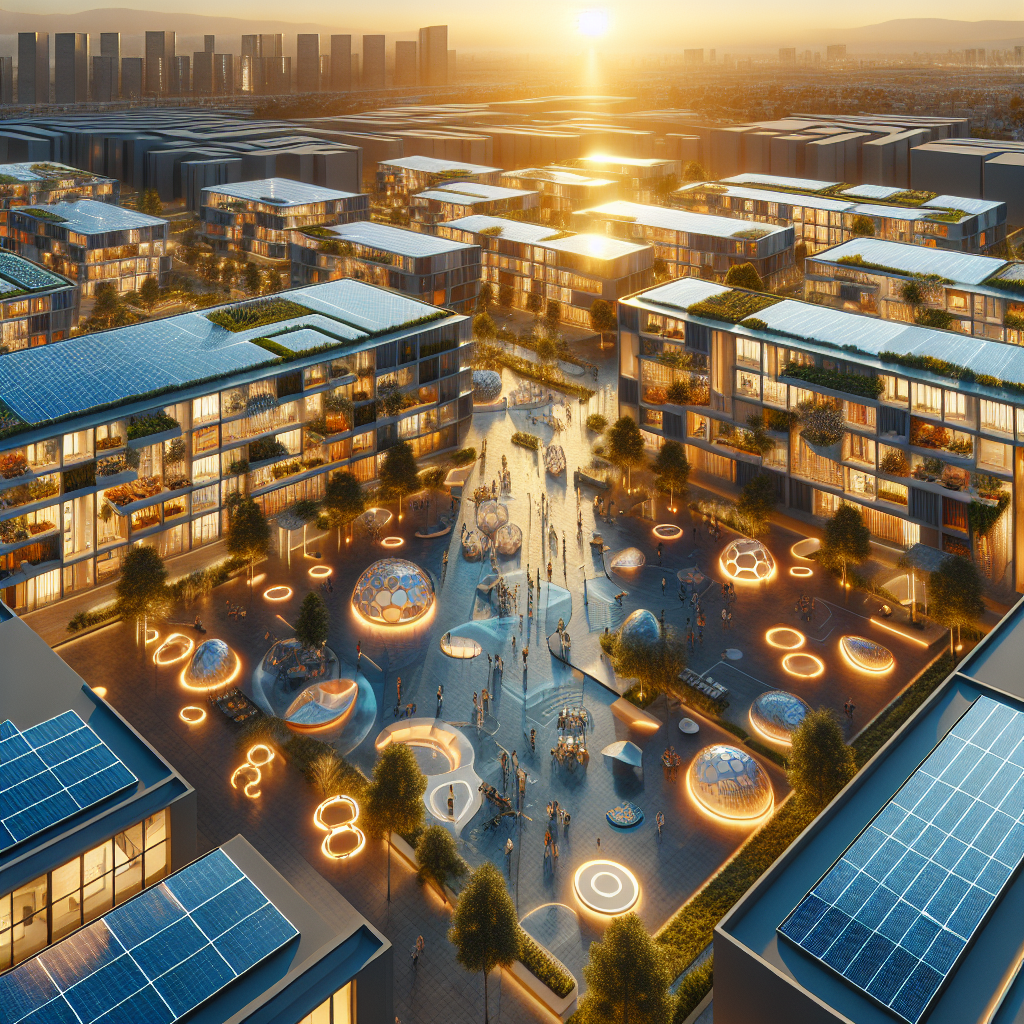
The decentralization of energy is reshaping urban morphology. Instead of a single, monolithic power source, cities are evolving into networks of micro-hubs—each capable of generating, storing, and sharing electricity locally. This distributed model aligns with the principles of smart city design, emphasizing adaptability, resilience, and citizen participation.
Architecturally, these hubs manifest as multi-functional nodes: sculptural solar pergolas in public plazas, battery-integrated street furniture, or community pavilions clad in energy-harvesting materials. In Los Angeles, the “Solar Grove” project by Envision Solar reimagines parking lots as shaded microgrids—each tree-like structure producing clean energy while offering respite from the heat. In Amsterdam, floating neighborhoods are powered by decentralized grids embedded in their pontoon foundations, merging sustainability with poetic urbanism.
This approach echoes the thinking behind community-driven architecture, where design is not imposed but co-created. Decorative microgrids invite residents to engage with energy visually and spatially, transforming consumption into awareness and infrastructure into identity.
Materiality and Aesthetics of Power
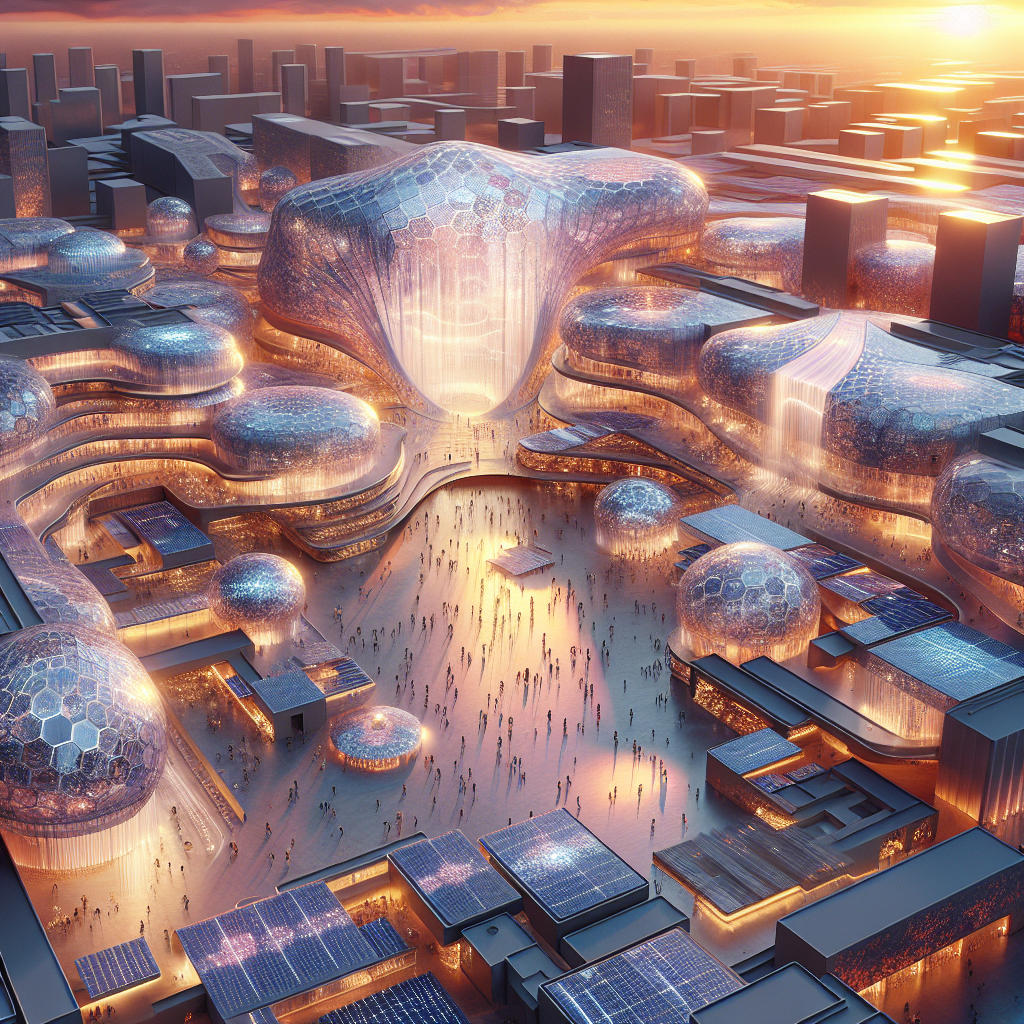
The materials shaping this new typology are as expressive as they are functional. Photovoltaic ceramics now mimic traditional roof tiles, while solar textiles drape over pergolas like luminous veils. Energy-harvesting pavements—made from piezoelectric composites—glow faintly underfoot, converting footsteps into electricity. These innovations not only decentralize energy but also democratize its perception, making sustainability tangible and beautiful.
Designers are increasingly exploring how color, texture, and light can narrate the story of energy. In Milan, a microgrid installation at Porta Romana integrates mirrored panels that shift hue with the sun’s angle, creating a dynamic chromatic rhythm across the day. The effect is reminiscent of the experimental façades discussed in kinetic façade design, where movement and reflection become tools of environmental expression.
Microgrids as Social Catalysts
Beyond their technical prowess, decorative microgrids serve as social condensers. They create new public rituals around energy—charging stations as meeting points, solar pavilions as performance venues, battery walls as digital art canvases. In this sense, they echo the civic ambition of the Bauhaus movement, where form followed not only function but also social purpose.
A recent study by the International Energy Agency (IEA) found that decentralized grids could reduce urban energy losses by up to 15% while improving local resilience. Yet their most profound impact may be cultural: by making energy visible, they foster collective responsibility. In neighborhoods where microgrids are designed as shared assets, residents report higher levels of environmental engagement and trust—an intangible yet invaluable currency in the age of climate uncertainty.
Integrating Decorative Microgrids into Architectural Practice
For architects and designers, the integration of microgrids demands a new interdisciplinary fluency. Electrical engineers, landscape architects, and data scientists now collaborate from the earliest design stages. The goal is not merely to conceal technology but to choreograph it—embedding cables within sculptural forms, conceiving façades as living circuits, and designing interiors that reveal the quiet intelligence of energy flow.
In residential projects, this manifests as energy-responsive interiors. Imagine a living room where light intensity subtly shifts based on battery charge, or a kitchen backsplash made of translucent solar glass that glows when energy production peaks. These poetic gestures align with the ethos of smart home design, where technology enhances daily life through seamless, sensory integration.
Case Study: The Lisbon Energy Courtyard
One of Europe’s most compelling examples is the Lisbon Energy Courtyard, completed in 2025. Designed by the Portuguese studio Atelier da Terra, the project transforms a historic block into a self-sufficient microgrid. Its central courtyard features a sculptural canopy of photovoltaic glass panels arranged in a fractal pattern inspired by cork oak leaves. Beneath it, modular seating conceals battery storage units, while rainwater channels are integrated into the paving.
By day, the canopy filters sunlight into dappled patterns reminiscent of a forest floor; by night, it emits a soft amber glow powered by the day’s harvest. The courtyard supplies 80% of the block’s electricity, but its true achievement lies in its symbolic resonance—energy as both infrastructure and ornament, community and craft.
The Future of Energy-Aware Design
As the global energy transition accelerates, decorative microgrids offer a blueprint for a more resilient and expressive urbanism. They suggest a future where power generation is not hidden but celebrated, where neighborhoods become self-sustaining ecosystems of light, motion, and collaboration. For architects, this represents a profound opportunity: to redefine sustainability not as austerity, but as artistry.
The next frontier lies in hybrid systems—microgrids that combine solar, wind, and bioenergy within architecturally integrated forms. From timber skyscrapers with embedded solar skins to ceramic façades that store heat like living organisms, the palette of possibilities is expanding rapidly. As design and energy intertwine, the built environment itself becomes a living grid—one that powers, inspires, and connects.
In this new paradigm, every building is both a generator and a gesture. The microgrid is no longer a technical accessory but a decorative manifesto—a statement that beauty and sustainability are not parallel pursuits, but the same luminous path forward.
Get the Mainifesto weekly — curated design debates, speculative ideas and the week's best articles every Saturday.