Chromatic illusions in: interior lighting color-shifting LEDs for mood enhancement
Chromatic Illusions in Interior Lighting: Color-Shifting LEDs for Mood Enhancement
In the evolving world of interior architecture, light has transcended its utilitarian role to become a medium of emotion, perception, and identity. The rise of color-shifting LED lighting—a fusion of digital precision and chromatic artistry—has ushered in a new era of chromatic illusions that redefine how we experience space. No longer static, light now breathes, adapts, and reacts, transforming interiors into living canvases that respond to human mood and circadian rhythm. This interplay between color, psychology, and technology is not merely aesthetic; it’s profoundly physiological and deeply architectural.
The Science of Chromatic Perception
Color is not a fixed phenomenon—it’s a perception shaped by light, surface, and context. According to research from the field of color psychology, hues can alter our emotional states and even physiological responses. Warm tones such as amber and coral stimulate energy and sociability, while cooler shades like cyan and indigo induce calm and introspection. When integrated into architectural lighting, these hues become tools for mood enhancement and behavioral modulation.
LED technology, with its capacity for precise wavelength control, has made it possible to fine-tune these effects dynamically. Unlike traditional incandescent or fluorescent sources, LEDs can shift seamlessly across the visible spectrum, creating subtle gradients or dramatic transitions that mimic natural phenomena—sunset dissolving into twilight, or the iridescent shimmer of water under moonlight. This capacity for color metamorphosis has transformed the way designers choreograph spatial atmospheres.
Designing with Chromatic Illusions
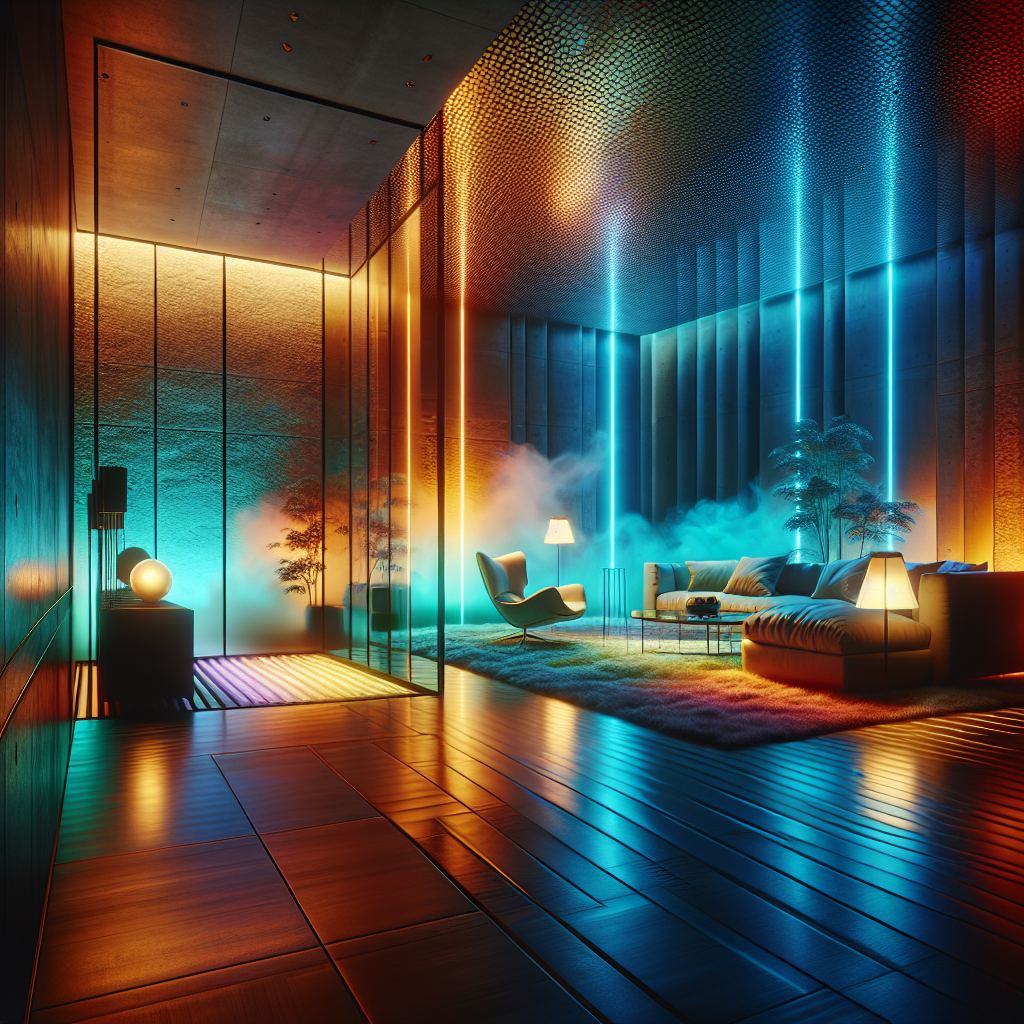
At the heart of chromatic illusion lies the manipulation of perception. By layering light, reflection, and material, designers can make a room appear larger, warmer, or more intimate. The use of RGBW LED systems—which blend red, green, blue, and white diodes—allows for nuanced color mixing that interacts with surface textures and finishes. Matte walls absorb and diffuse, while glossy materials refract and amplify, producing ever-shifting tonal illusions as occupants move through the space.
Consider the recent installations at Milan’s Euroluce, where designers like Yabu Pushelberg explored the emotional resonance of color gradients in glass. Their approach, detailed in this exploration of glass artistry, demonstrates how chromatic transitions can evoke rhythm and harmony within architectural volumes. Similarly, in hospitality design, adaptive lighting schemes now emulate the natural circadian cycle—cool, crisp light energizing morning routines, and warm, amber tones signaling rest and relaxation by evening.
Human-Centric Lighting and Emotional Architecture
The integration of human-centric lighting principles has redefined how architects and interior designers approach well-being. Studies from the circadian rhythm research community reveal that light color and intensity directly influence melatonin production, alertness, and mood. By aligning artificial lighting with natural biological cycles, designers can enhance both comfort and cognitive performance.
In residential environments, this manifests as programmable lighting systems that adjust automatically throughout the day. A living room may glow with a gentle rose hue at dawn, transition to neutral daylight for productivity, and then shift toward deep amber in the evening to promote relaxation. Such lighting ecosystems are increasingly paired with smart home technologies, enabling occupants to curate their emotional environment with a simple voice command or app interface.
Case Studies: Chromatic Storytelling in Space
In the wellness sector, spas and meditation studios have embraced color therapy lighting to enhance sensory immersion. The “Chromatic Calm” project by Studio FormaFantasma in Amsterdam uses programmable LEDs embedded within translucent resin panels to create slow-moving waves of color that mirror breathing rhythms. The result is a space that feels alive—pulsating gently in sync with human presence.
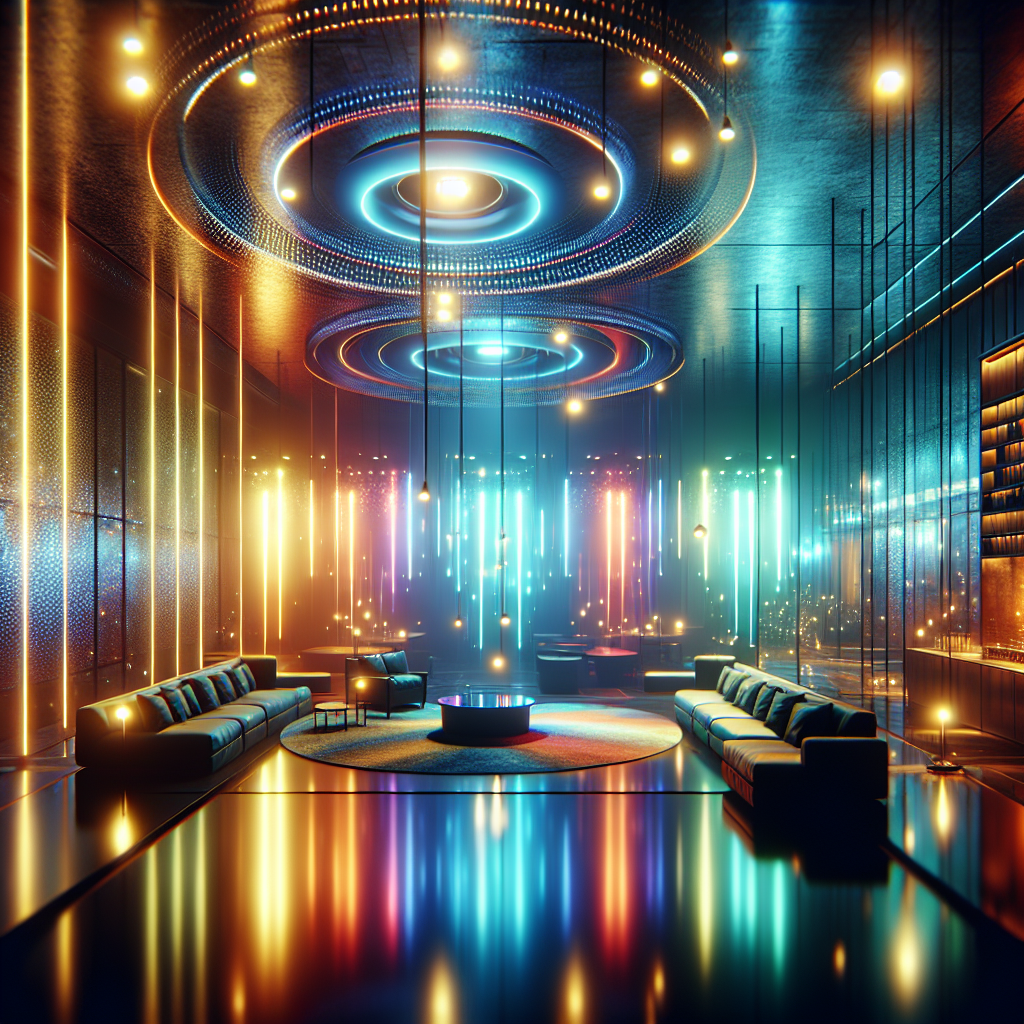
Corporate environments, too, are rethinking illumination as a driver of creativity and focus. A notable example is the headquarters of a Scandinavian tech firm, where color-shifting panels integrated into the ceiling simulate the Northern Lights. Employees report higher engagement and reduced fatigue, echoing findings from the light therapy field that link dynamic illumination to improved mood and productivity.
Retail and exhibition spaces have taken the concept further, using chromatic illusions to shape consumer perception. In luxury boutiques, subtle transitions from cool to warm light guide visitors through product narratives—each hue calibrated to complement material palettes and brand identity. The technique recalls the principles of chromatic harmony in architectural design, where color and light act as silent storytellers.
Material Synergy: When Surfaces Become Light
Modern lighting design is increasingly intertwined with material innovation. Surfaces are no longer passive recipients of light but active participants in its diffusion and transformation. Translucent marbles, dichroic glass, and iridescent coatings refract LED light into layered chromatic fields, producing illusions of depth and movement. Architects are experimenting with color-reactive finishes that alter hue depending on viewing angle, turning walls into kinetic canvases.
In one experimental residence in Tokyo, a combination of color-shifting LEDs and reflective aluminum panels creates the illusion of expanding space. As daylight fades, the interior transitions from a silvery glow to a deep violet ambiance, echoing the concept of mirror play in interior design. The result is an environment that blurs the boundary between physical and perceptual space—a chromatic illusion that evolves with time.
Technology Meets Emotion: The Digital Palette
The sophistication of modern LED systems lies in their programmability. Designers can now choreograph entire lighting “scores,” synchronizing hue transitions with sound, temperature, or even biometric data. In wellness-oriented homes, biosensors detect heart rate and adjust ambient color accordingly—cooling the palette during stress or warming it to encourage calm. This convergence of AI-driven lighting design and emotional analytics represents a new frontier in responsive architecture.
Furthermore, advancements in nanophosphor coatings and quantum-dot LEDs have expanded the color gamut beyond traditional RGB, enabling unprecedented fidelity and subtlety. These innovations allow designers to replicate the nuanced tonalities of natural light—an essential factor in maintaining psychological comfort in windowless or subterranean spaces.
Ethics and Aesthetics: Designing for the Senses
As lighting becomes more immersive and adaptive, questions of sensory ethics arise. How much control should technology exert over human emotion? The answer lies in balance—using chromatic design not as manipulation, but as emotional architecture that enhances well-being and self-awareness. The best projects employ restraint, allowing light to guide rather than dictate experience.
Architects and designers are increasingly viewing light as a form of narrative—a medium through which space communicates. Whether in a minimalist apartment or a monumental public installation, the play of shifting color invites reflection, curiosity, and emotional connection. It transforms interiors into dynamic ecosystems that evolve with their inhabitants, echoing the biophilic principles explored in biophilic design.
The Future of Chromatic Architecture
By 2025, color-shifting LEDs have become a cornerstone of sustainable and experiential design. Their low energy consumption, long lifespan, and adaptability align perfectly with the industry’s push toward net-zero architecture. Yet their true power lies in their capacity to humanize technology—to make digital systems feel organic, empathetic, and alive.
As we continue to blur the boundaries between light, material, and emotion, chromatic illusions remind us that architecture is not static. It is a living dialogue between perception and space, between the tangible and the ephemeral. In this dialogue, light speaks the language of feeling—and LEDs, with their infinite palette, have become its most eloquent voice.
By merging science, art, and emotion, chromatic lighting design is redefining how we inhabit space—illuminating not just our interiors, but our inner worlds.

Get the Mainifesto weekly — curated design debates, speculative ideas and the week's best articles every Saturday.