Immersive color therapy: entire rooms dedicated to a single hue
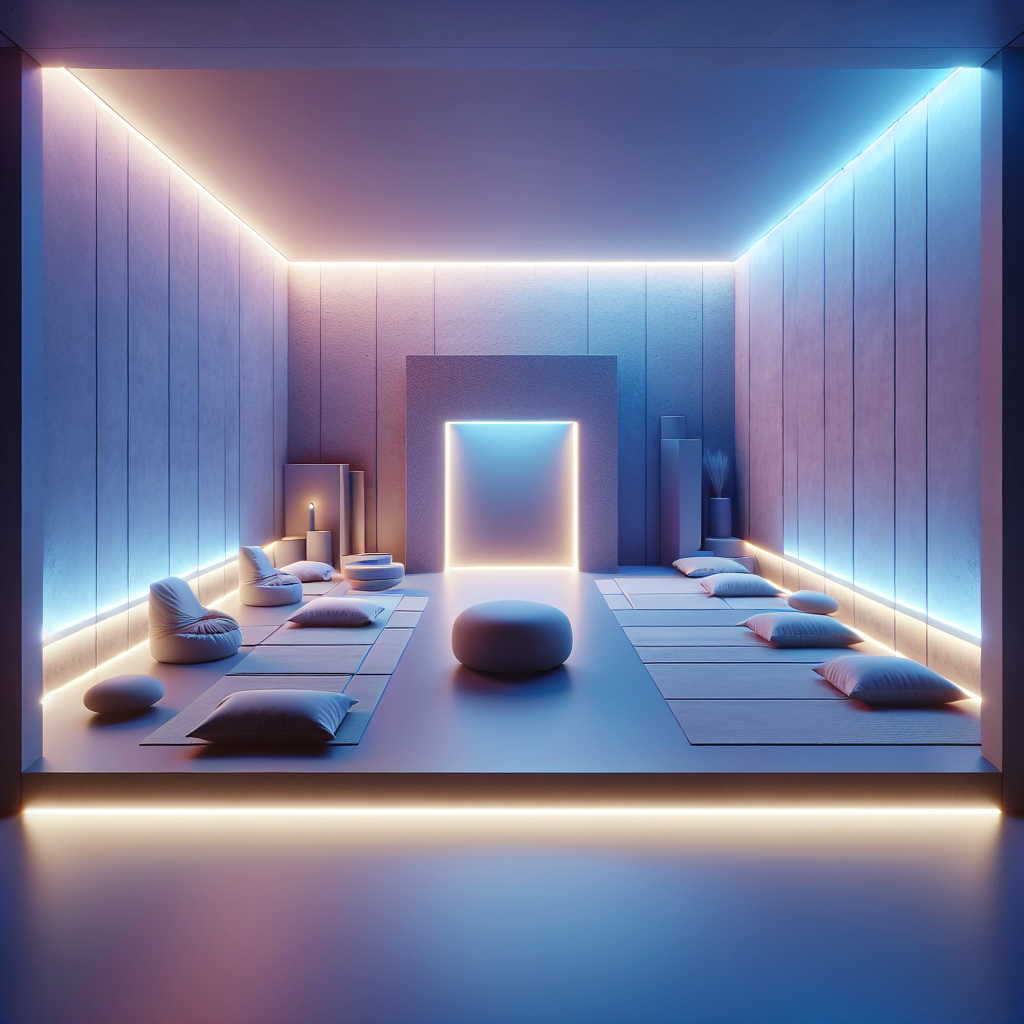
Immersive Color Therapy: Entire Rooms Dedicated to a Single Hue
Color has always been a silent architect of emotion. From the ochre walls of ancient temples to the cobalt-tinted glass of Gothic cathedrals, hue has long shaped how humans experience space. Yet in the 21st century, designers are pushing this relationship further than ever before—crafting immersive color therapy rooms that envelop the body and mind in a single, dominant tone. These monochromatic environments are not mere aesthetic statements; they are sensory experiments that merge psychology, wellness, and spatial design into one chromatic experience.
The Rise of Chromatic Immersion
In recent years, the design world has witnessed a growing fascination with monochromatic interiors—spaces where one color saturates every surface, from ceiling to floor. The trend, once associated with minimalist purity, has evolved into a more experiential form of design therapy. Architects and interior designers are now using color as a tool for emotional calibration, exploring how immersive hues can alter perception, reduce stress, and even influence physiological responses.
According to research published by the American Psychological Association, color exposure can significantly affect mood and cognitive performance. Blue tones are known to lower heart rate and promote calm, while reds can increase energy and alertness. This scientific grounding has inspired a new generation of designers to create spaces that function as emotional sanctuaries—rooms that heal through hue.
Designing with a Single Hue: The Art of Restraint
Designing an entire room around one color demands precision and restraint. The challenge lies in avoiding monotony while maintaining chromatic purity. The most successful examples use variations in texture, light, and material to add depth and nuance. A monochrome red room, for instance, might juxtapose matte clay walls with high-gloss lacquered furniture, creating a tactile dialogue within a single spectrum.
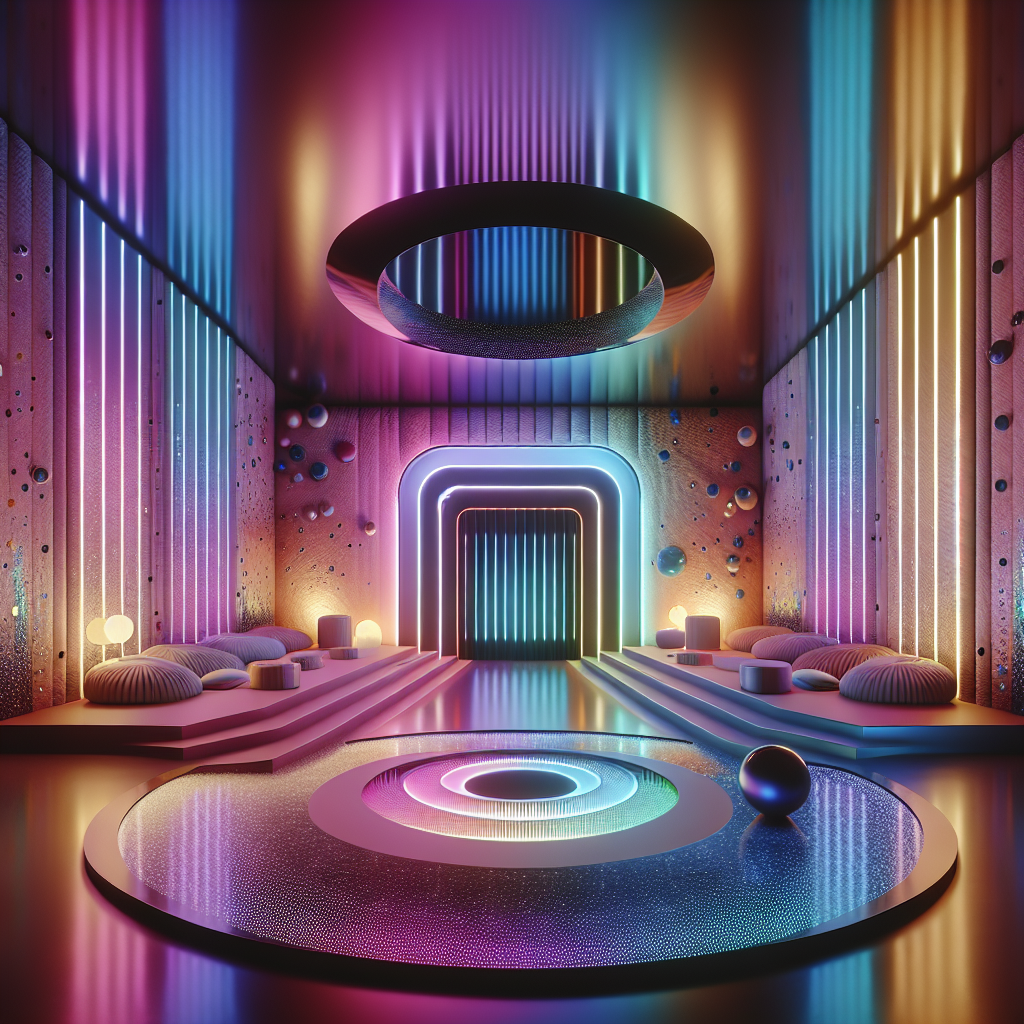
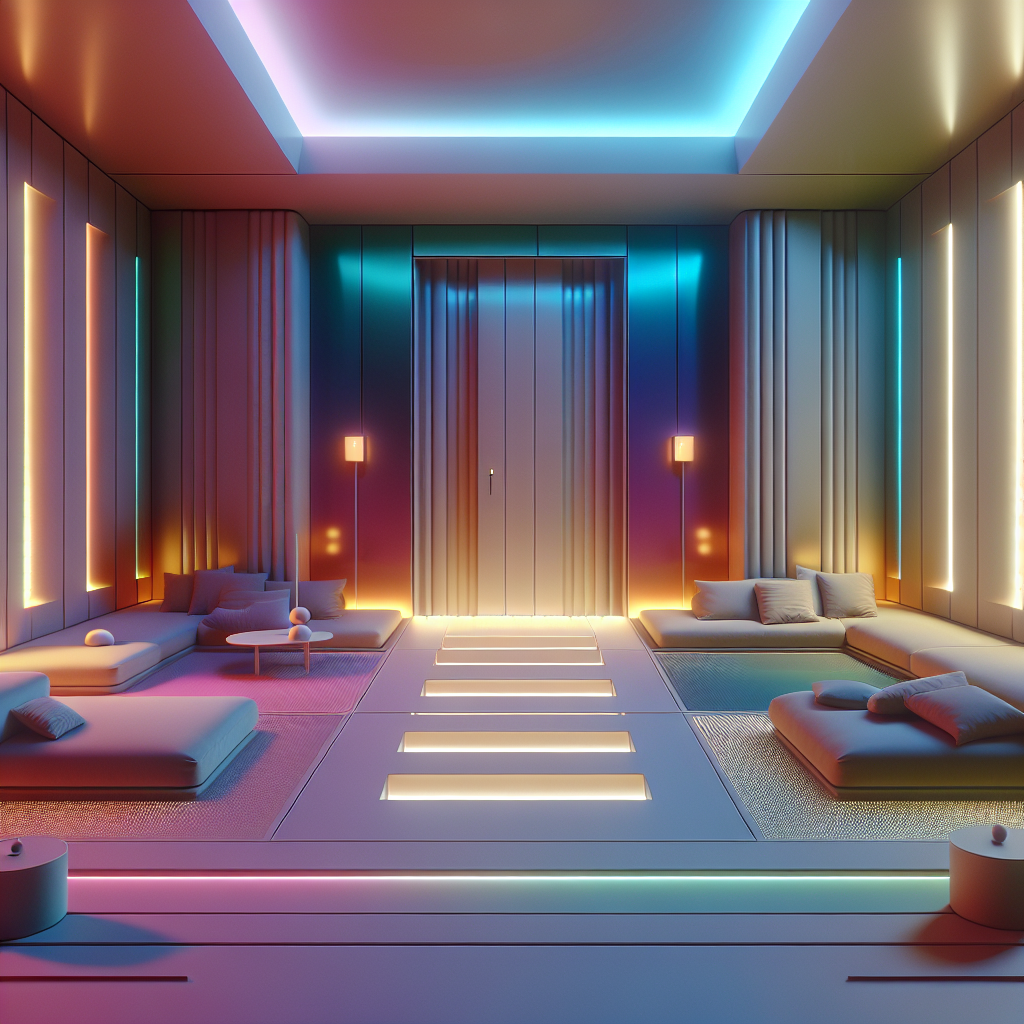
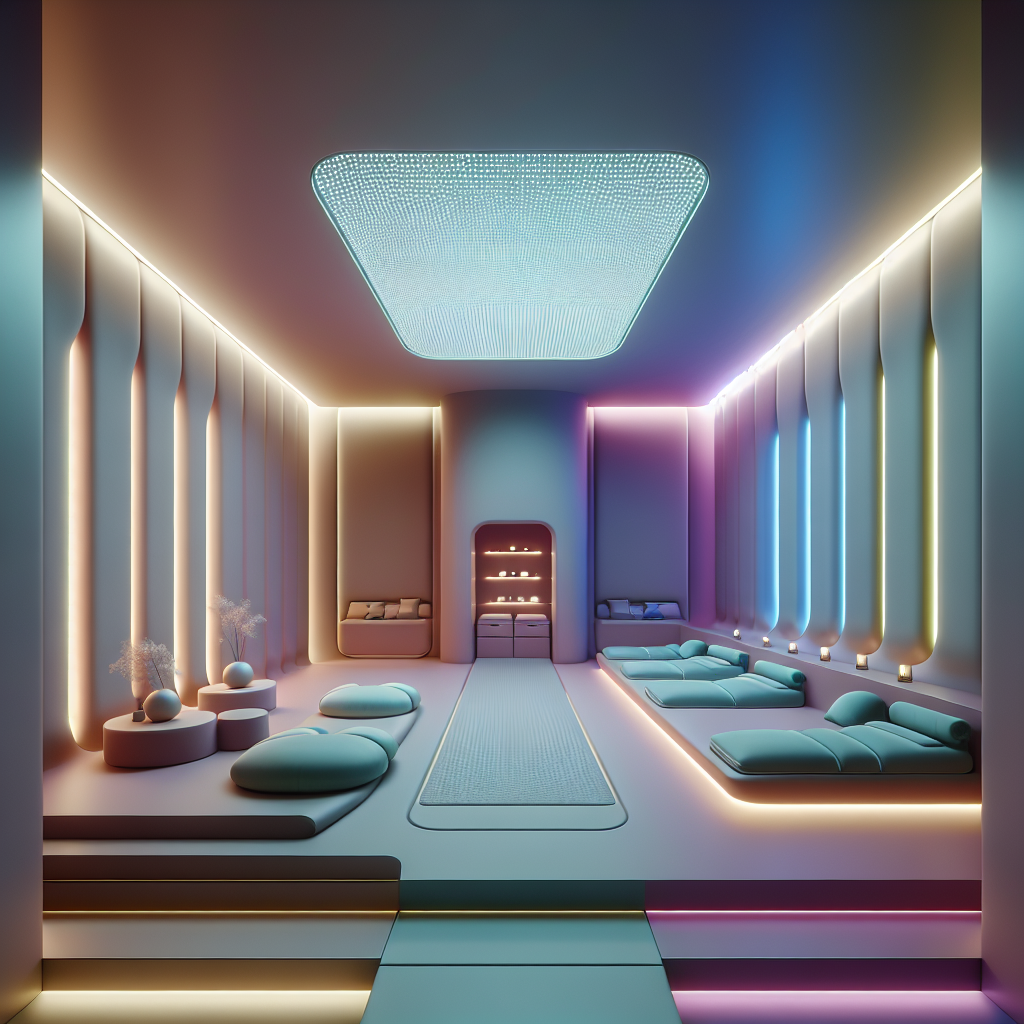
Lighting plays a crucial role. Warm or cool illumination can dramatically shift the perception of a color, altering its emotional temperature. Designers often integrate color-shifting LED systems to allow subtle modulation throughout the day, transforming the space from energizing to meditative. This interplay between light and pigment transforms static interiors into living, breathing environments.
Case Studies: Monochrome as Experience
One of the most striking examples of immersive color therapy can be found in the work of French designer India Mahdavi, whose projects often celebrate saturated palettes as a form of spatial storytelling. Her all-pink interiors for Sketch London became an icon of emotional design—soft, enveloping, and unapologetically sensorial. The space demonstrates how a single hue can evoke nostalgia, comfort, and even whimsy, depending on its intensity and material translation.
In contrast, the Blue Room at the Museum of Contemporary Art Tokyo, designed by architect Ryue Nishizawa, uses a deep ultramarine to induce introspection. The walls, floor, and ceiling are painted in the same tone, while concealed lighting creates a floating effect that blurs spatial boundaries. Visitors describe the sensation as “submersion”—a meditative state akin to floating underwater.
These projects echo the psychological theories of Goethe and Kandinsky, who both explored the emotional resonance of color. In contemporary practice, designers are translating these abstract ideas into physical, inhabitable realities.
Wellness and the Science of Color Therapy
Color therapy, or chromotherapy, has roots in ancient Egyptian and Ayurvedic traditions, where colored light was believed to restore balance to the body’s energy fields. Today, the concept has been reinterpreted through the lens of neuroscience and environmental psychology. A 2023 study by the International Journal of Architectural Research found that exposure to consistent color environments can measurably affect cortisol levels and perceived stress.
Incorporating these findings, wellness-oriented architecture is increasingly embracing color as a therapeutic medium. From spas to corporate wellness rooms, designers are crafting immersive environments that align with the body’s circadian rhythms. A recent example is the “Amber Cocoon” project in Copenhagen—a meditation pod bathed entirely in amber light, designed to promote melatonin production and aid sleep recovery.
This approach resonates with the principles of biophilic design, which emphasizes the connection between human health and environmental stimuli. While biophilia often relies on natural materials and greenery, immersive color therapy channels the same restorative potential through chromatic saturation.
Materiality and Technology: Expanding the Palette
Advancements in materials and lighting technology have expanded the possibilities of single-hue design. Pigmented resins, reflective coatings, and translucent composites allow designers to manipulate how color interacts with light and shadow. Some studios are experimenting with thermochromic surfaces that shift tone in response to temperature, or iridescent finishes that subtly morph as the viewer moves through the space.
Digital fabrication has also enabled unprecedented precision in color application. Architects can now simulate the psychological impact of hue through virtual modeling tools, a technique reminiscent of the visualization technologies explored in virtual reality in architecture. These tools allow clients to “feel” a color before it is physically applied, bridging the gap between perception and design intent.
Monochrome in the Cultural Imagination
The allure of the single-color room extends beyond wellness into the realm of cultural symbolism. In art and fashion, monochrome has long represented purity, focus, and intensity. In architecture, it evokes a sense of totality—a world distilled to its emotional essence. The resurgence of this aesthetic in contemporary interiors parallels the broader movement toward monochrome minimalism, where color becomes both concept and content.
Designers are increasingly using these spaces as tools for narrative expression. A crimson reading room might evoke passion and intellect; a celadon meditation chamber might suggest serenity and renewal. Each hue becomes a language, a way of communicating emotion without words. In a world saturated with visual noise, the single-hue room offers clarity—a retreat into focused perception.
Future Directions: The Chromatic Frontier
As sustainability and sensory wellness continue to shape the future of design, immersive color therapy stands at a compelling intersection of art, science, and emotion. The next frontier lies in responsive environments—spaces that adapt their color based on biometric feedback. Imagine a living room that shifts from cool blues to warm ambers as your heart rate slows, or a workspace that brightens its tones to counteract afternoon fatigue.
These innovations align with the growing movement toward human-centered architecture, where design responds dynamically to the body’s needs. In this context, color is no longer a static finish but an active participant in the spatial experience—a living medium that shapes how we feel, think, and heal.
Ultimately, immersive color therapy invites us to reconsider the emotional potential of design. It reminds us that architecture is not only about form and function but also about feeling—the subtle, invisible currents that flow between space and psyche. In the right hue, a room can become more than a place; it can become a state of mind.
Get the Mainifesto weekly — curated design debates, speculative ideas and the week's best articles every Saturday.