
Raw textures and reclaimed wood: sculptural seating for calm living
Raw Textures and Reclaimed Wood: Sculptural Seating for Calm Living
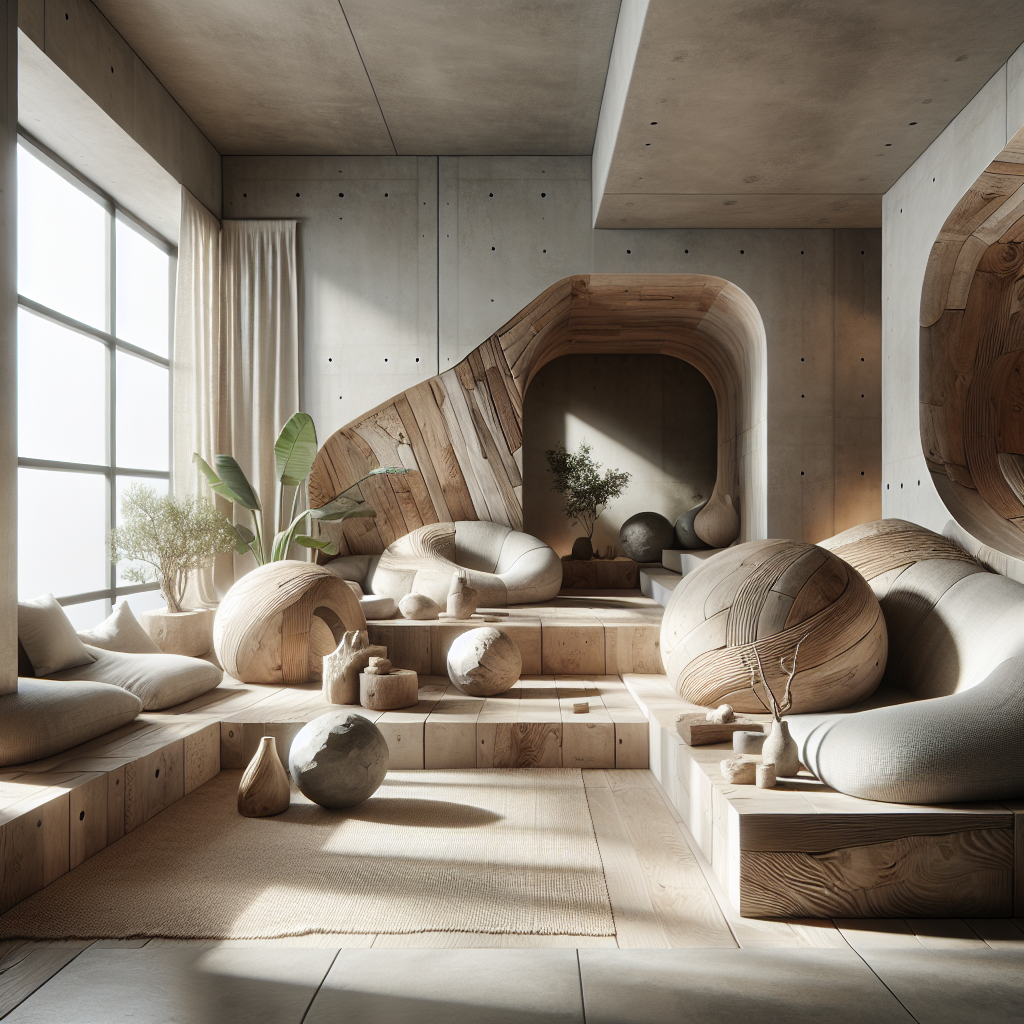
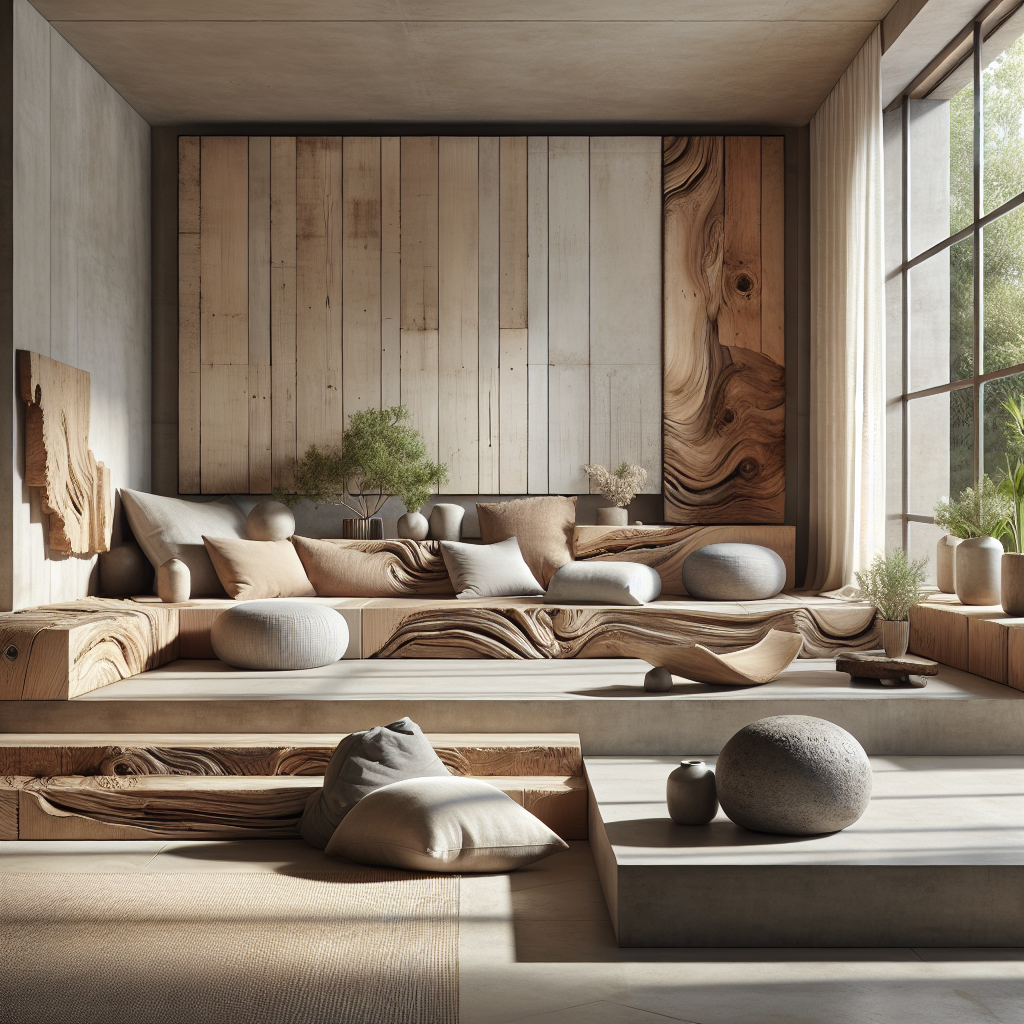
In an era defined by overstimulation and digital noise, the tactile allure of raw textures and reclaimed wood has emerged as a quiet rebellion. Across the design world, sculptural seating crafted from salvaged timber and organic materials is reshaping interiors into sanctuaries of calm. These pieces are not mere furniture—they are meditative forms that reconnect inhabitants with nature’s imperfections, celebrating material honesty and the poetry of timeworn surfaces.
The Rise of Material Authenticity
Over the past decade, the design community has witnessed a decisive shift toward material authenticity. Designers and architects are increasingly embracing the tactile and visual irregularities of natural materials, a movement that resonates with the Japanese philosophy of wabi-sabi—the beauty of imperfection and impermanence. This aesthetic, once confined to niche artisans, now defines global design fairs from Milan to Tokyo.
In sculptural seating, this ethos manifests through the use of reclaimed wood—oak beams from deconstructed barns, driftwood collected from coastal shores, or industrial offcuts transformed into one-of-a-kind forms. The resulting pieces exude a tactile depth that machine-perfect materials cannot replicate. Each knot, crack, and grain tells a story, inviting touch and contemplation.
As seen in the growing popularity of reclaimed materials across architecture and product design, this approach aligns with a broader cultural yearning for sustainability and emotional connection. It is not nostalgia, but a redefinition of luxury—one rooted in authenticity and restraint.
Reclaimed Wood as Sculpture
Contemporary furniture designers are treating wood not as a surface finish but as a sculptural medium. In the hands of masters like Fernando Mastrangelo or Faye Toogood, seating becomes an exploration of mass, balance, and tactility. These works often blur the line between art and function, merging the precision of industrial design with the unpredictability of organic form.
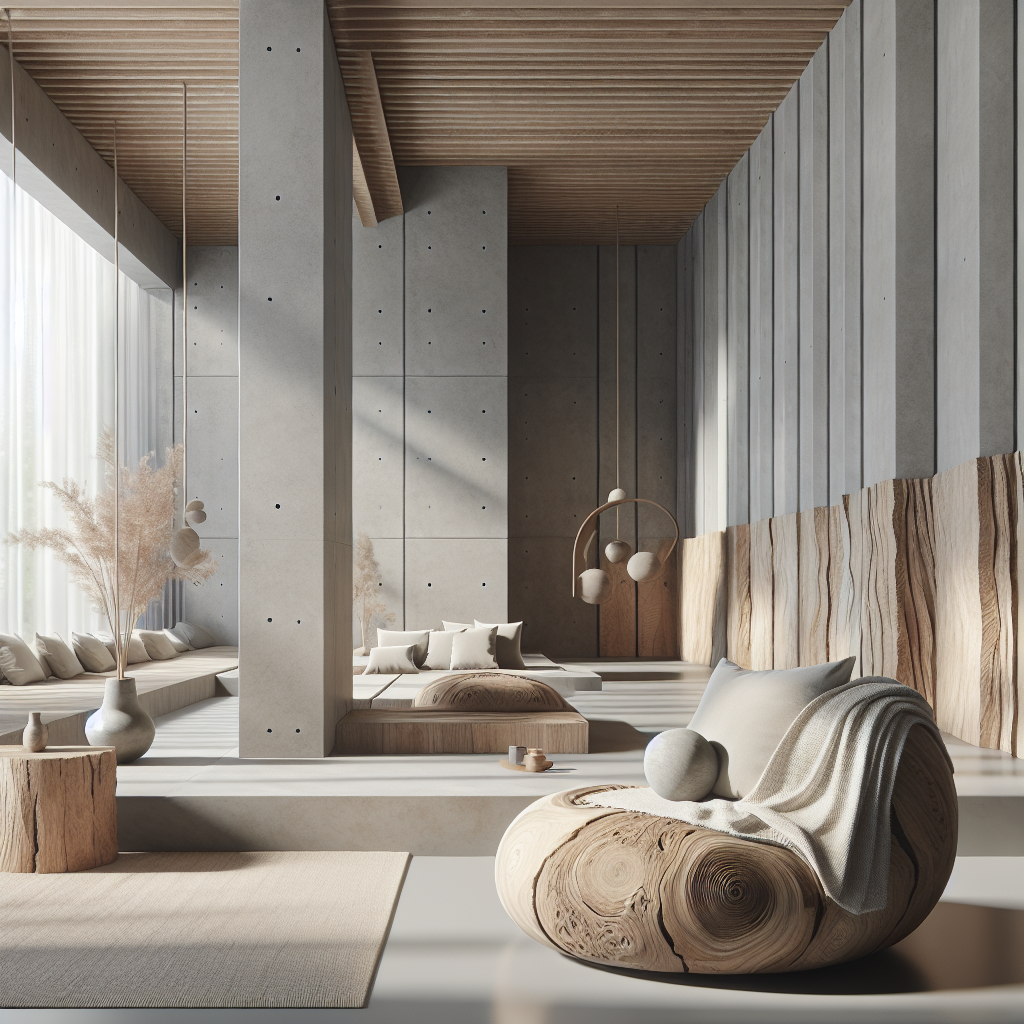
In many ways, this evolution mirrors the architectural trend toward timber innovation. Just as cross-laminated timber (CLT) has redefined high-rise construction, reclaimed wood is reimagining domestic furniture. Designers are experimenting with hybrid compositions—combining rough-hewn planks with cast concrete or brushed metal—to achieve visual tension and material dialogue.
Consider the sculptural benches by British designer Max Lamb, carved directly from solid trunks using chainsaws. Their monumental presence and raw tactility evoke ancient monoliths, grounding modern interiors in a primal materiality. Similarly, the French studio Atelier Baptiste & Jaïna crafts seating from reclaimed oak beams, leaving tool marks visible as an intentional record of process. The result is both contemporary and timeless—a physical meditation on craft and decay.
Calm Living: The Emotional Dimension of Texture
Texture, as a sensory language, profoundly influences our psychological state. Studies in environmental psychology reveal that tactile engagement with natural materials can reduce stress and enhance well-being. The rise of biophilic design underscores this connection, positioning organic surfaces as catalysts for emotional calm.
In the context of seating, raw textures invite slowness. The rough grain of reclaimed wood contrasts with the smoothness of modern finishes, creating a dialogue between the hand and the material. This sensory interplay fosters mindfulness—each encounter with the surface becomes a subtle reminder of nature’s resilience and imperfection.
Designers are increasingly integrating these principles into residential and hospitality projects. In boutique hotels and wellness retreats, sculptural wooden seating is often placed in transitional zones—lobbies, courtyards, or reading nooks—where guests can pause and reconnect. The furniture becomes a tactile anchor, grounding the spatial experience in serenity.
Craft, Sustainability, and the Circular Narrative
The embrace of reclaimed wood also reflects a broader commitment to the circular economy. As the design industry grapples with the environmental impact of mass production, artisans and manufacturers are turning to upcycling and material recovery as creative opportunities rather than constraints. According to the Ellen MacArthur Foundation, circular design could reduce global material waste by up to 80% by 2030 if widely adopted.
Furniture studios such as Mater in Copenhagen and Piet Hein Eek in the Netherlands have pioneered this approach, transforming discarded timber into collectible design. Their pieces demonstrate that sustainability need not compromise aesthetics; rather, it can amplify narrative depth. The imperfections of reclaimed wood—its weathered patina, its irregular edges—become intrinsic to the design language.
This philosophy aligns with the growing movement toward zero-waste design, where every offcut and fragment is reimagined as potential. In sculptural seating, this manifests through modular construction, joinery innovation, and the celebration of repair. A cracked beam is not discarded but stitched with brass or resin, transforming damage into ornament.
From Atelier to Interior: Integrating Sculptural Seating
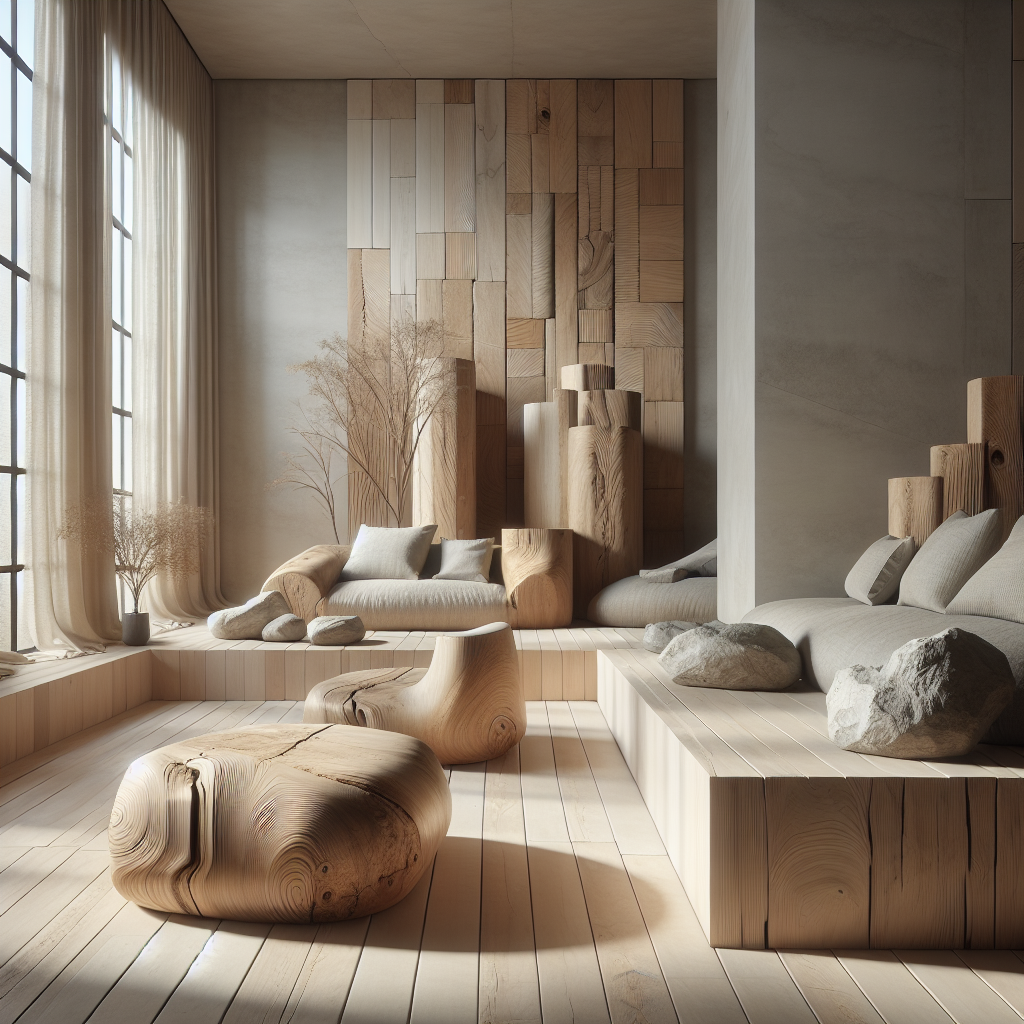
Integrating sculptural seating into contemporary interiors requires sensitivity to proportion, light, and spatial rhythm. These pieces often command attention, functioning as focal points within minimalist compositions. When paired with muted palettes—stone greys, clay whites, and linen beiges—the warmth of reclaimed wood introduces a human softness that balances architectural austerity.
In urban apartments, a single monolithic stool can serve as both art object and functional seat. In larger spaces, designers are curating clusters of varied forms—smoothly sanded blocks juxtaposed with raw-edged slabs—to evoke the spontaneity of natural landscapes. The interplay of shadow and grain under diffused light creates a meditative visual cadence, transforming living rooms into quiet galleries.
Architectural studios such as Norm Architects and Studio KO have mastered this dialogue between raw materiality and spatial calm. Their interiors often feature sculptural wooden furniture that appears to emerge organically from the architecture itself, reinforcing a sense of continuity between structure and object.
The Future of Calm Living
As global design continues to pivot toward sustainability and sensory well-being, the role of tactile, reclaimed materials will only deepen. The next frontier lies in hybrid craftsmanship—where digital fabrication meets traditional joinery, and reclaimed wood is paired with bio-based resins or natural fibers. This synthesis not only extends the lifespan of materials but also redefines what it means to live calmly in a technologically accelerated world.
Ultimately, sculptural seating made from raw textures and reclaimed wood is more than a design trend—it is a philosophy of living. It invites us to slow down, to touch, to feel, and to remember that true luxury resides not in perfection, but in presence. In the quiet grain of an old beam lies a story of endurance, patience, and renewal—a story that continues to shape the future of calm living.
For further exploration of tactile design and sensory environments, readers may enjoy this in-depth analysis of texture in interior design.
Keywords: raw textures, reclaimed wood, sculptural seating, calm living, sustainable furniture, material authenticity, biophilic design, circular economy, tactile interiors, sustainable design trends.
Get the Mainifesto weekly — curated design debates, speculative ideas and the week's best articles every Saturday.