
Seaside geometry wave-inspired: forms in contemporary beach houses
Seaside Geometry: Wave-Inspired Forms in Contemporary Beach Houses
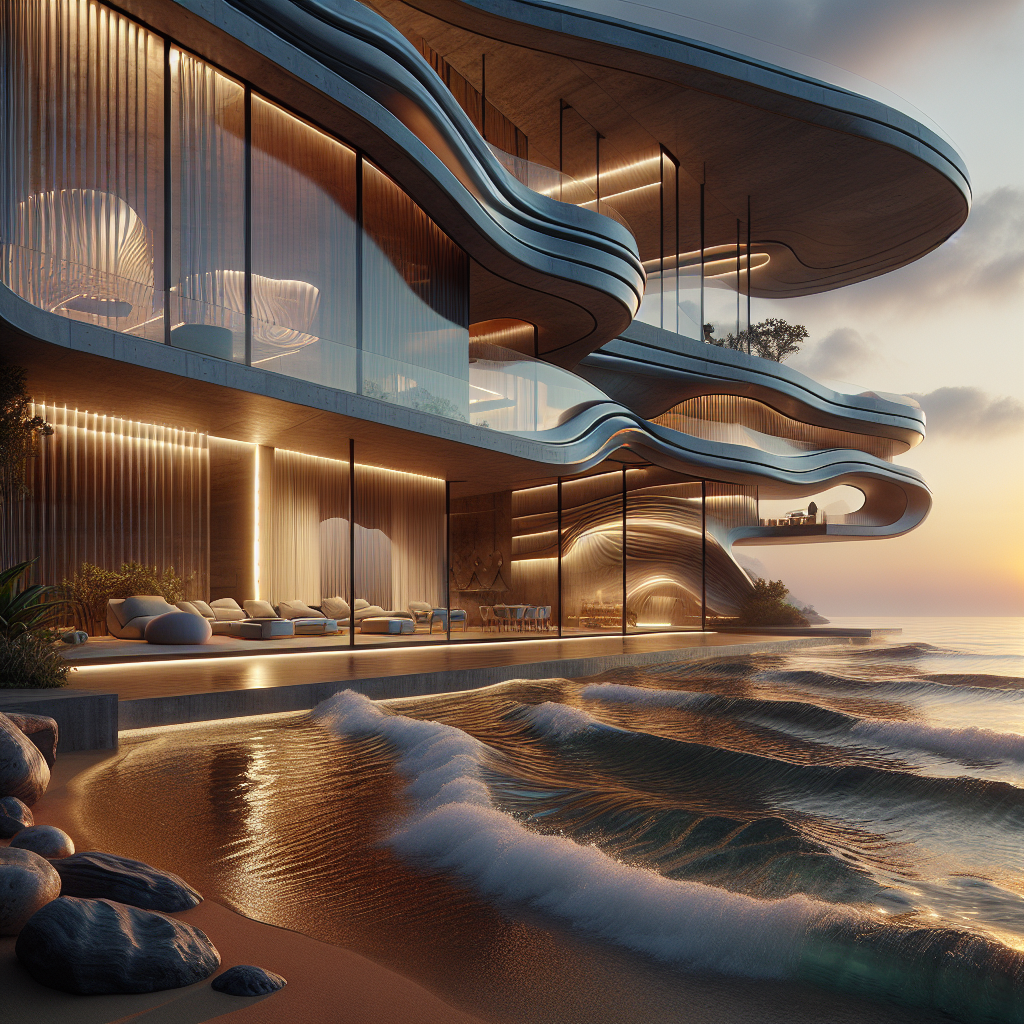
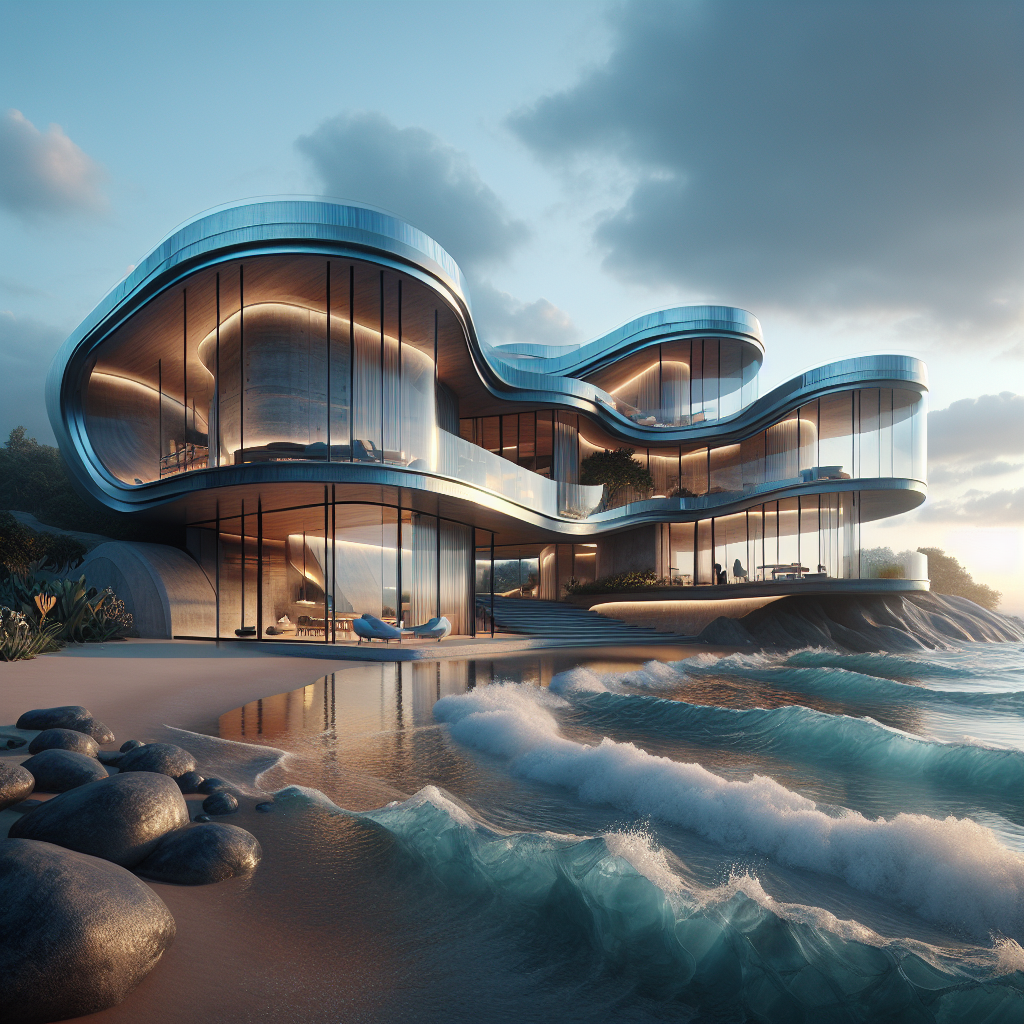
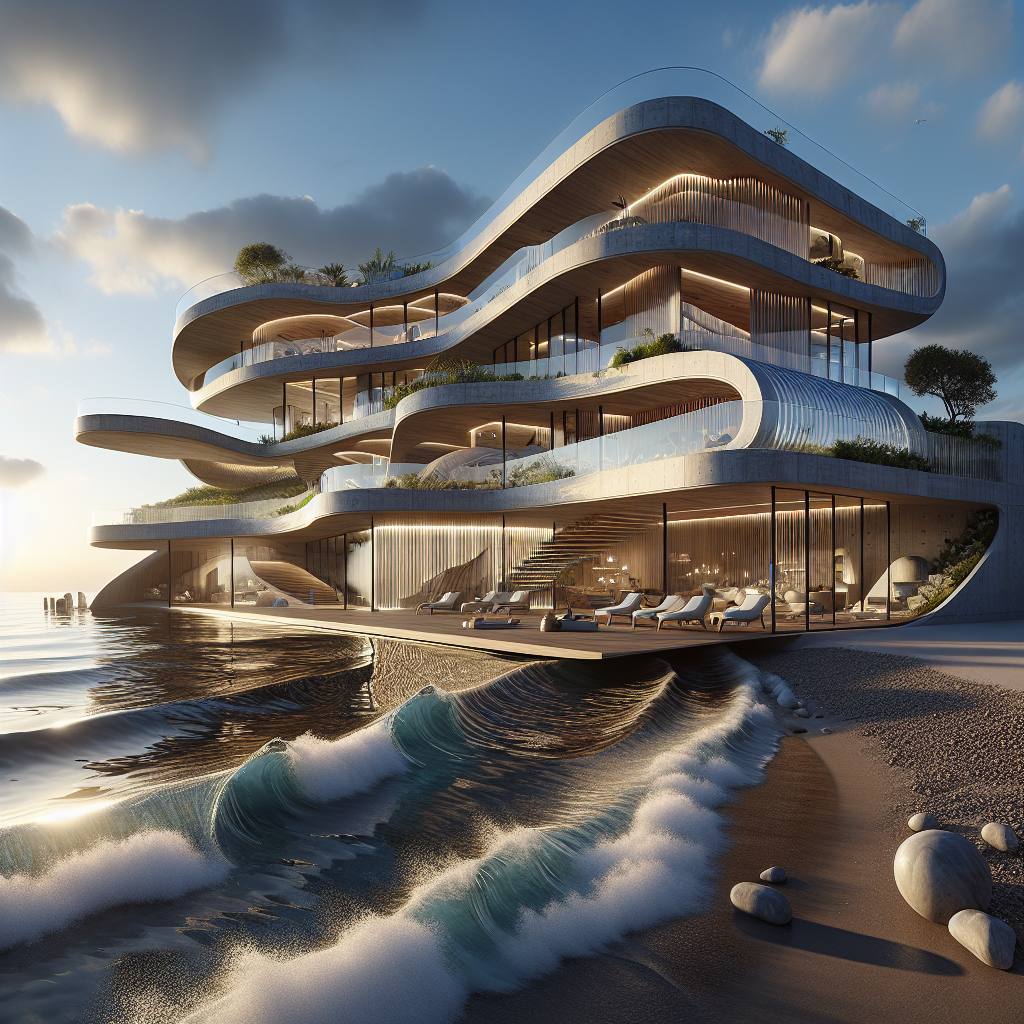
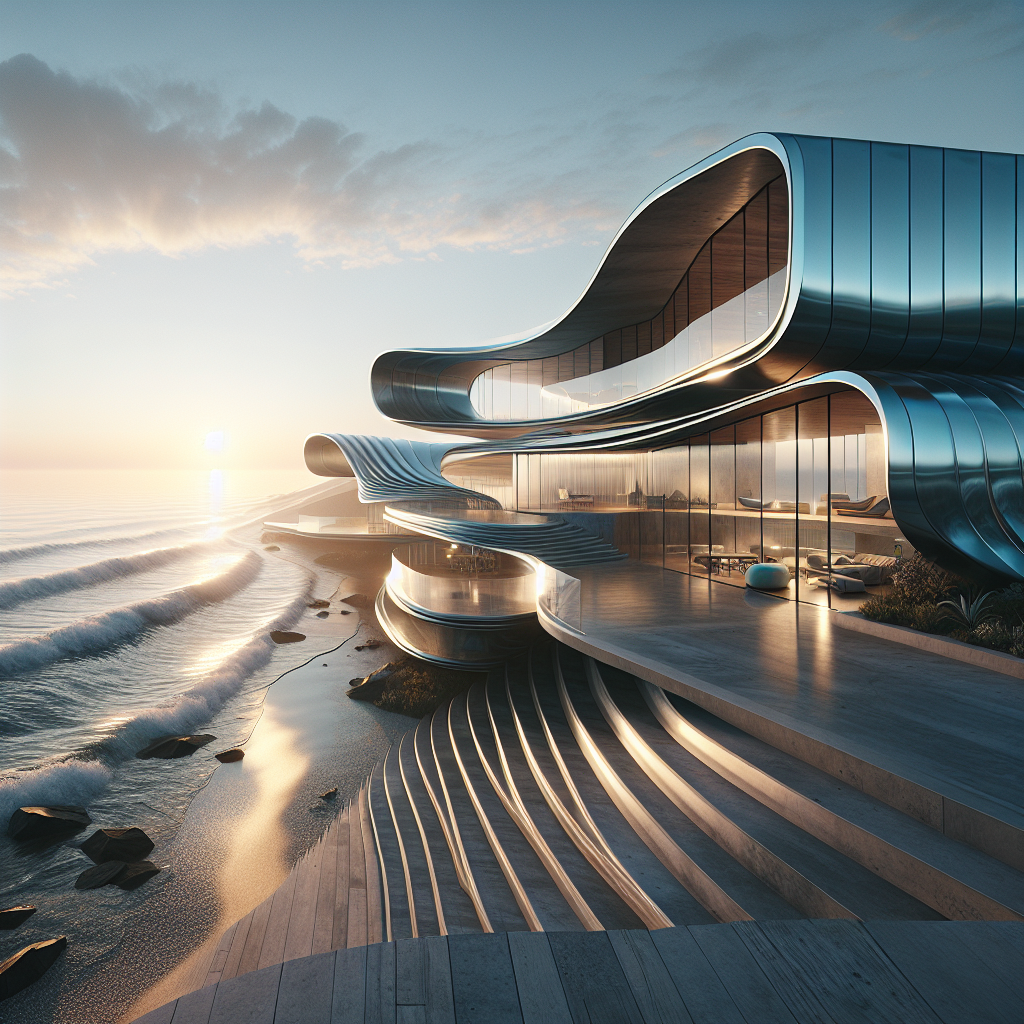
Along the world’s coastlines, a new architectural language is emerging—one that draws from the undulating rhythm of the sea itself. Wave-inspired architecture is redefining the modern beach house, merging sculptural geometry with environmental intelligence. From the fluid contours of façades to the kinetic play of light across curved interiors, these designs echo the ocean’s perpetual motion while responding to the challenges of coastal living. This movement—part aesthetic, part ecological—signals a profound shift in how architects conceive of the seaside home: not as a static shelter, but as a living, breathing extension of the marine landscape.
The Rise of Fluid Geometry in Coastal Architecture
In recent years, the influence of parametric design and biomimicry has rippled through coastal architecture, enabling forms that once seemed impossible. Parametric modeling tools allow architects to simulate the natural curvature of waves, translating fluid motion into tangible structures. The result is a generation of beach houses that appear to have been sculpted by wind and water rather than by human hands. These homes are not merely aesthetic marvels—they embody a deeper understanding of environmental adaptation, much like the principles explored in biomimicry-driven design.
Architects such as Álvaro Siza Vieira and Kengo Kuma have long explored the poetic relationship between architecture and nature, but today’s coastal projects take this dialogue further. Using digital fabrication and advanced materials, designers can now craft façades that ripple like the sea, roofs that crest like waves, and interiors that flow seamlessly from one space to another. These gestures are not superficial; they reflect a new sensibility that prioritizes harmony with the site’s topography and microclimate.
Wave-Inspired Forms: From Concept to Construction
The translation of oceanic motion into built form begins with geometry. The sine curve—a mathematical representation of a wave—has become a key motif in contemporary coastal design. Architects use this geometry to generate rhythmic façades, cantilevered decks, and vaulted ceilings that mimic the ebb and flow of tides. In some projects, these forms are achieved through parametric algorithms that respond to environmental data such as wind direction, solar exposure, and sea spray intensity.
One striking example is the “Wave House” in Sydney’s Northern Beaches, designed by Tony Owen Partners. Its façade undulates in response to the ocean breeze, while its glass panels refract sunlight like rippling water. Similarly, the “Casa na Areia” in Comporta, Portugal, designed by Aires Mateus, embraces the simplicity of dunes and tides through minimal, monolithic forms softened by natural textures. Both projects embody the principle of seaside geometry: a balance between mathematical precision and organic intuition.
Materiality: Building with the Sea in Mind
Material selection is crucial in coastal environments, where salt, humidity, and wind accelerate wear. Contemporary architects are turning to materials that both endure and evoke the marine setting. Polished concrete, treated timber, and corrosion-resistant metals like titanium and aluminum are favored for their resilience and reflective qualities. The use of biophilic materials—such as reclaimed wood and natural stone—adds warmth and tactility, bridging the divide between the human and the elemental. This approach aligns with the ethos explored in biophilic design, where natural materials foster psychological comfort and well-being.
Innovations in sustainable construction are also reshaping coastal architecture. Some studios are experimenting with sand-printing technology to create locally sourced building components, reducing transportation emissions and integrating structures more seamlessly into their surroundings. Others employ self-healing concrete or translucent composites that mimic the iridescence of seashells. The tactile quality of these materials—smooth, cool, and luminous—enhances the sensory experience of living by the sea.
Light, Reflection, and the Dance of Shadows
Light is the most dynamic element in any coastal setting, constantly shifting with the time of day and the weather. In wave-inspired architecture, light becomes a design material in its own right. Curved walls and ceilings diffuse sunlight softly, creating interiors that feel fluid and immersive. Reflections off glass and polished surfaces evoke the shimmer of water, while perforated panels and latticed façades filter daylight into rhythmic patterns reminiscent of ocean foam.
Some architects take this interplay further by integrating kinetic façades that respond to wind or light intensity—an evolution of the ideas seen in responsive architecture. These adaptive systems not only enhance comfort but also reduce energy consumption, embodying the synergy between aesthetics and sustainability that defines contemporary design thinking.
Spatial Fluidity: Interiors that Flow Like Water
Inside these homes, spatial organization mirrors the continuity of the sea. Open-plan layouts dissolve boundaries between rooms, while curved partitions and organic furniture echo the language of the exterior. The transition from indoor to outdoor is deliberately blurred—glass walls slide away, decks extend like piers, and infinity pools merge visually with the horizon. The effect is a seamless dialogue between architecture and landscape, between human habitation and the vastness of nature.
Furniture and lighting design often reinforce this concept. Custom pieces follow the same wave-like geometries, crafted from bent wood, resin, or cast metal. Soft, diffused lighting enhances the sense of calm, while acoustic treatments—often inspired by the principles of acoustic comfort—ensure tranquility amid the sound of surf and wind. The result is a multisensory environment that feels both sculptural and serene.
Environmental Integration and Coastal Resilience
Beyond aesthetics, wave-inspired beach houses embody a pragmatic response to climate realities. Rising sea levels, stronger storms, and shifting coastlines demand resilient design strategies. Elevated foundations, permeable landscaping, and adaptive façades are becoming standard features. Some architects are exploring floating architecture as a long-term solution, allowing homes to rise and fall with the tides rather than resist them.
According to a 2024 report by the United Nations Environment Programme, coastal regions will face increasing pressure from climate change over the next decade. Architects are responding not with defensive fortresses, but with structures that coexist with natural forces. This philosophy echoes the adaptive intelligence of marine organisms—flexible, responsive, and resilient. The best seaside homes today are not monuments to human dominance but meditations on coexistence.
Case Studies: Global Interpretations of the Wave
In California, the “Malibu Crest Residence” by Studio Bracket features a sweeping roofline that mirrors the Pacific’s horizon, while its glass façade opens entirely to the sea breeze. In Norway’s “Villa Vatnan,” designed by Rever & Drage, a sinuous timber roof shelters the home like a cresting wave, blending into the rocky coastline. Meanwhile, in Japan’s Kanagawa Prefecture, Kengo Kuma’s “Water/Glass House” remains a timeless reference—a poetic dialogue between reflection, transparency, and motion.
These projects, though geographically diverse, share a unifying ethos: architecture as a living reflection of its environment. They demonstrate how wave-inspired geometry transcends style to become a philosophy—one that celebrates impermanence, fluidity, and connection.
The Future of Seaside Geometry
As digital tools evolve and environmental awareness deepens, the future of coastal architecture will likely continue to embrace the language of waves. Expect to see greater integration of renewable energy systems, from solar roofs shaped like undulating shells to tidal-powered foundations that generate electricity from the sea’s movement. The fusion of technology and nature—akin to the futuristic sensibilities explored in contemporary architectural trends—will define the next chapter of seaside living.
Ultimately, the allure of wave-inspired design lies in its emotional resonance. These homes remind us that architecture, at its best, is not only about shelter but about rhythm, reflection, and reverence. To live within a space shaped by the sea is to inhabit motion itself—to dwell in a geometry that never stands still.
As the tide continues to sculpt our shores, so too will it shape the imagination of architects seeking to capture its eternal grace.
Get the Mainifesto weekly — curated design debates, speculative ideas and the week's best articles every Saturday.