
Earthy mid-century bridging: Scandinavian lines with organic textures
Earthy Mid-Century Bridging: Scandinavian Lines with Organic Textures
In the evolving lexicon of contemporary design, few movements have proven as enduring—or as quietly radical—as the mid-century Scandinavian aesthetic. Its clean geometry, functional purity, and democratic ethos continue to shape interiors and architecture worldwide. Yet, a new evolution is emerging: an earthy mid-century bridging that merges the disciplined lines of Nordic modernism with the tactile warmth of organic materials. This synthesis redefines comfort and authenticity for a generation seeking emotional resonance in design—spaces that breathe, age, and feel alive.
The Origins of Scandinavian Modernism: Simplicity with Soul
The Scandinavian design movement, which gained international prominence in the mid-20th century, was never about austerity. It was about human-centered functionality. Designers like Alvar Aalto, Arne Jacobsen, and Finn Juhl distilled architecture and furniture into their most essential forms while preserving a profound connection to nature. The movement’s guiding principle—Scandinavian design—was rooted in light, material honesty, and a deep respect for craftsmanship.
Today, as the world faces environmental and emotional fatigue from hyper-digital living, this ethos is being reinterpreted through a more grounded lens. The clean lines remain, but they are softened by clay-plastered walls, raw timber beams, and linen-draped light. The new Scandinavian interior is less about minimalism as a visual language and more about sensory minimalism—a quieting of the mind through texture, tactility, and natural imperfection.
Organic Textures: The New Nordic Materiality
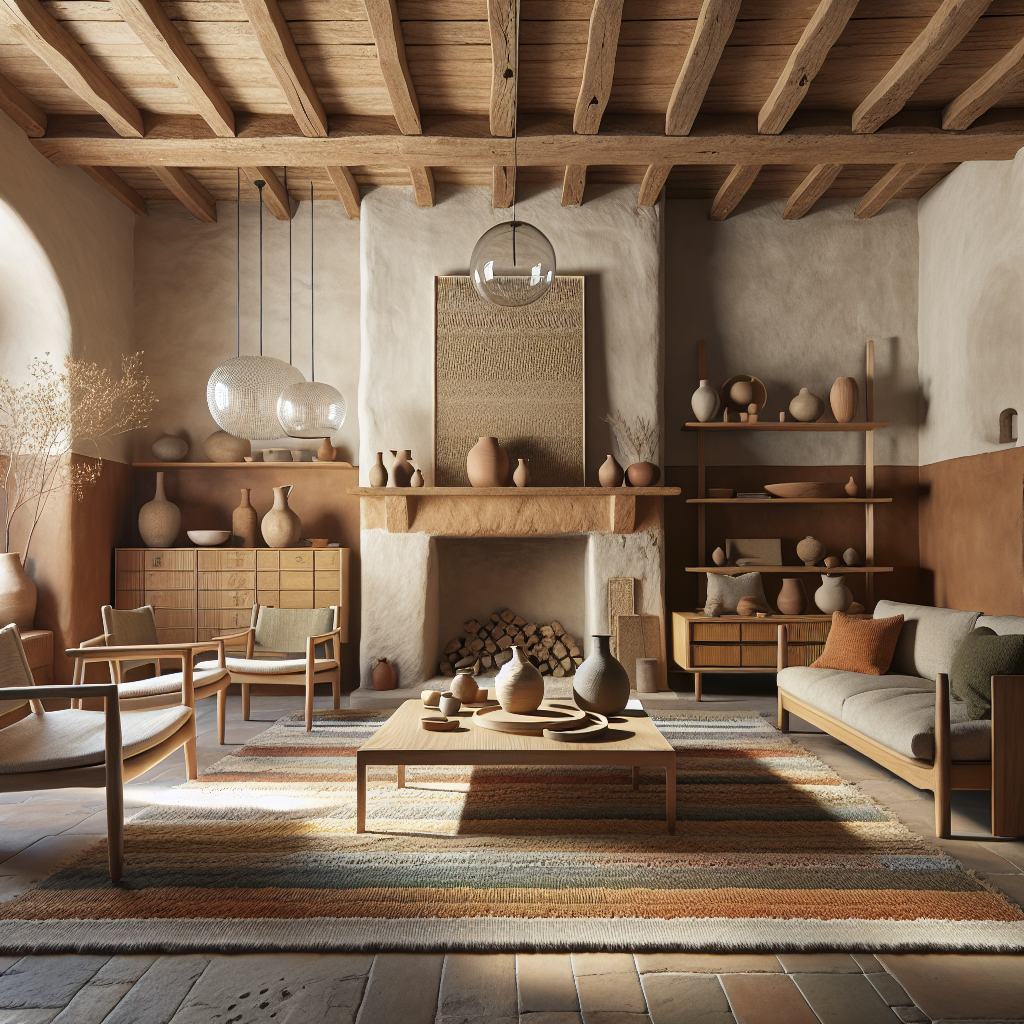
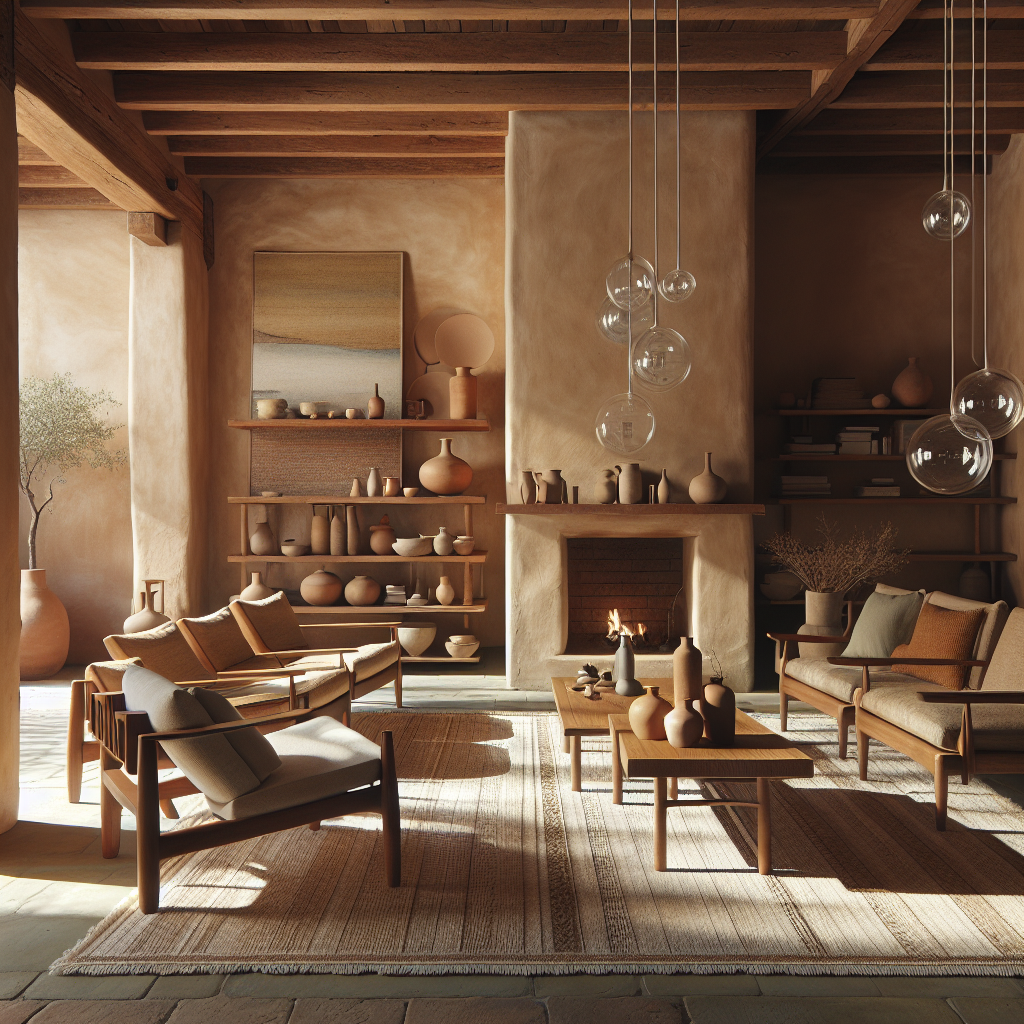
In this contemporary revival, the palette is unmistakably earthy. Think limewash walls in muted ochres, sand-toned ceramics, and handwoven wool rugs that evoke the Nordic tundra. The sleek teak sideboards of the 1950s are now paired with sculpted stone tables and hemp upholstery. The juxtaposition of precision and imperfection—machine-cut joinery beside hand-troweled finishes—creates a dialogue between control and chaos.
Architects and interior designers are increasingly exploring materials that age gracefully. Natural oak, untreated brass, and clay composites patinate over time, adding narrative depth to interiors. This approach echoes the wabi-sabi philosophy of beauty in imperfection, but filtered through a distinctly Nordic lens. It’s not rusticity for nostalgia’s sake—it’s an embrace of the living, breathing quality of materials that respond to light, touch, and time.
This sensibility aligns closely with the principles of biophilic design, which emphasizes our innate connection to nature. By integrating organic surfaces and earthy hues, designers are not merely decorating—they are crafting atmospheres that nurture psychological well-being.
Bridging Eras: From Mid-Century Precision to Contemporary Warmth
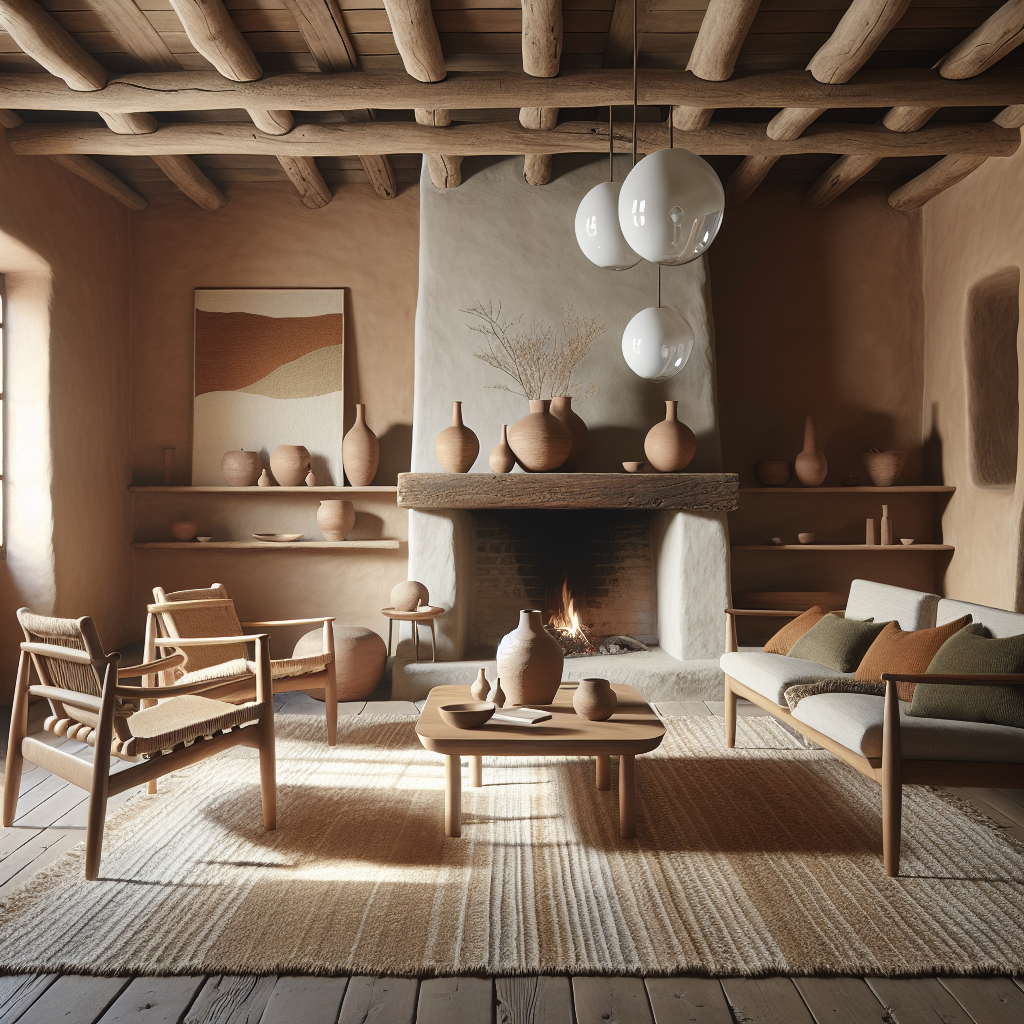
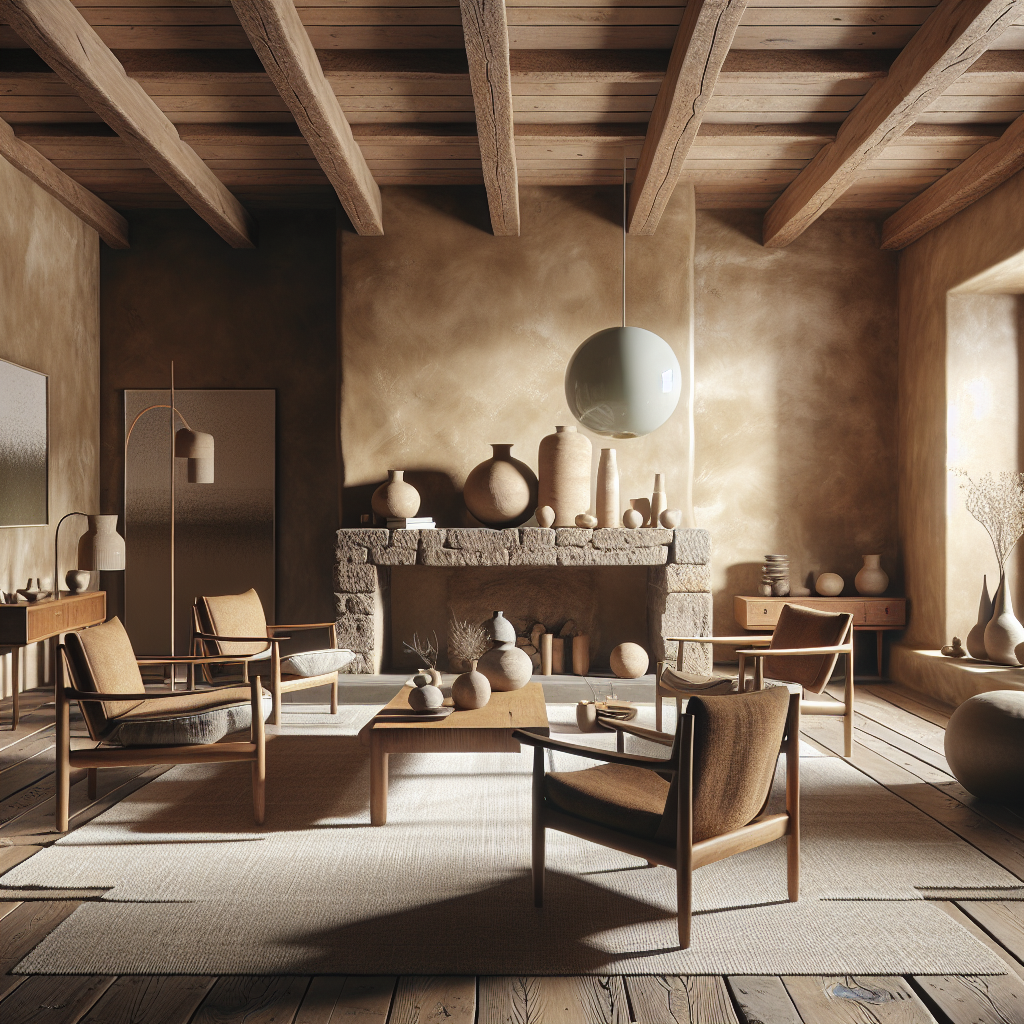
The mid-century Scandinavian home was a triumph of proportion and light. Today’s reinterpretations retain that structural clarity but infuse it with warmth and narrative. Picture a living room where a low-slung walnut sofa with tapered legs faces a rough-hewn stone fireplace. Above, a pendant lamp in hand-blown glass casts a diffused glow, echoing the long Nordic twilight. The effect is serene yet grounded—a space that feels both timeless and distinctly of the moment.
This bridging of eras is not limited to residential interiors. Boutique hotels, galleries, and even co-working spaces are adopting this hybrid aesthetic. The earthy mid-century look translates seamlessly into public environments because it balances familiarity with sophistication. In Copenhagen’s Vipp Hotel, for instance, steel-framed furniture coexists with linen curtains and clay-pigmented walls, creating a tactile equilibrium that feels both industrial and intimate.
The trend also reflects a broader cultural pivot toward sustainability. As discussed in wooden skyscrapers and timber architecture, the design industry is rediscovering the ecological and aesthetic potential of natural materials. The earthy mid-century movement, in its essence, is an architectural act of reconciliation—between human innovation and environmental humility.
Design Language: Curves, Lines, and Light
The geometry of this aesthetic remains faithful to mid-century principles: horizontal planes, slender profiles, and a sense of visual balance. Yet, the rigidity of the past has softened. Curved edges now punctuate rectilinear spaces, echoing organic forms found in nature. A console table might feature a sinuous edge carved from a single slab of oak, while a pendant light takes inspiration from a seashell’s spiral geometry.
Lighting, too, plays a pivotal role. Scandinavian interiors have always revered light as a design material in itself—a necessity in regions where daylight is fleeting. The new approach uses diffused illumination to accentuate texture: sunlight grazing across a limewashed wall, or the amber glow of a paper lantern reflecting off terracotta tiles. The interplay of light and material creates an emotional depth that transcends style.
This dialogue between geometry and organic form recalls the teachings of the Bauhaus movement, where function and form were inseparable. Yet, the earthy mid-century aesthetic adds a layer of sensuality—a recognition that design must not only serve but also soothe.
Case Studies: Modern Interpretations of Earthy Mid-Century Design
In Stockholm, Note Design Studio’s “Hidden Tints” apartment exemplifies this philosophy. The project layers muted color gradients with tactile surfaces—painted plaster, oak, and brushed metal—to create a spatial rhythm that feels both modern and organic. Similarly, Norm Architects’ “Kolon Loft” in Copenhagen uses stone, wood, and wool to construct a meditative domestic landscape where every surface invites touch.
Beyond Scandinavia, the influence is global. In California, mid-century homes originally inspired by Nordic modernism are being renovated with clay-based paints and reclaimed timber. In Japan, architects are merging minimalist lines with earthen materials, echoing both Nordic restraint and traditional Japanese craftsmanship. This cross-pollination of design cultures underscores a universal yearning for tactile authenticity in an increasingly virtual world.
The Psychology of Texture and Tone
Recent studies in environmental psychology suggest that tactile materials—wood, stone, wool—can reduce stress and improve cognitive function. The role of texture in interior design is no longer aesthetic alone; it’s physiological. The earthy mid-century aesthetic leverages this insight, using material tactility as a tool for emotional regulation. Smooth oak floors, woven jute rugs, and matte ceramics invite interaction, grounding occupants in the present moment.
Color psychology also plays a crucial role. Earth tones—ochre, clay, moss, and sand—evoke stability and warmth. When paired with the pale woods and whites typical of Scandinavian interiors, they create a palette that is both calming and invigorating. The result is a space that feels alive yet unhurried—a visual exhale.
Looking Ahead: A Sustainable Continuum
The earthy mid-century movement is not a fleeting trend but a recalibration of design values. It embodies a shift from consumption to continuity, from perfection to presence. As designers confront the realities of climate change and material scarcity, this aesthetic offers a blueprint for sustainable beauty—one that honors both craft and conscience.
In the coming years, we can expect further integration of bio-based materials, adaptive reuse, and circular design principles. The earthy mid-century aesthetic, with its emphasis on longevity and sensory richness, aligns naturally with these imperatives. It is, in essence, a design language for a world seeking balance—between technology and tactility, progress and preservation.
In this bridging of Scandinavian lines and organic textures, we find not just a style, but a philosophy: that beauty lies in the meeting point between human precision and nature’s irregular grace. It’s a reminder that the most modern spaces are often those that feel timelessly human.
Keywords: earthy mid-century design, Scandinavian interiors, organic textures, sustainable architecture, Nordic modernism, biophilic design, tactile materials, interior design trends 2025
Get the Mainifesto weekly — curated design debates, speculative ideas and the week's best articles every Saturday.