
The orchard within: fruit-bearing trees as indoor centerpieces
The Orchard Within: Fruit-Bearing Trees as Indoor Centerpieces
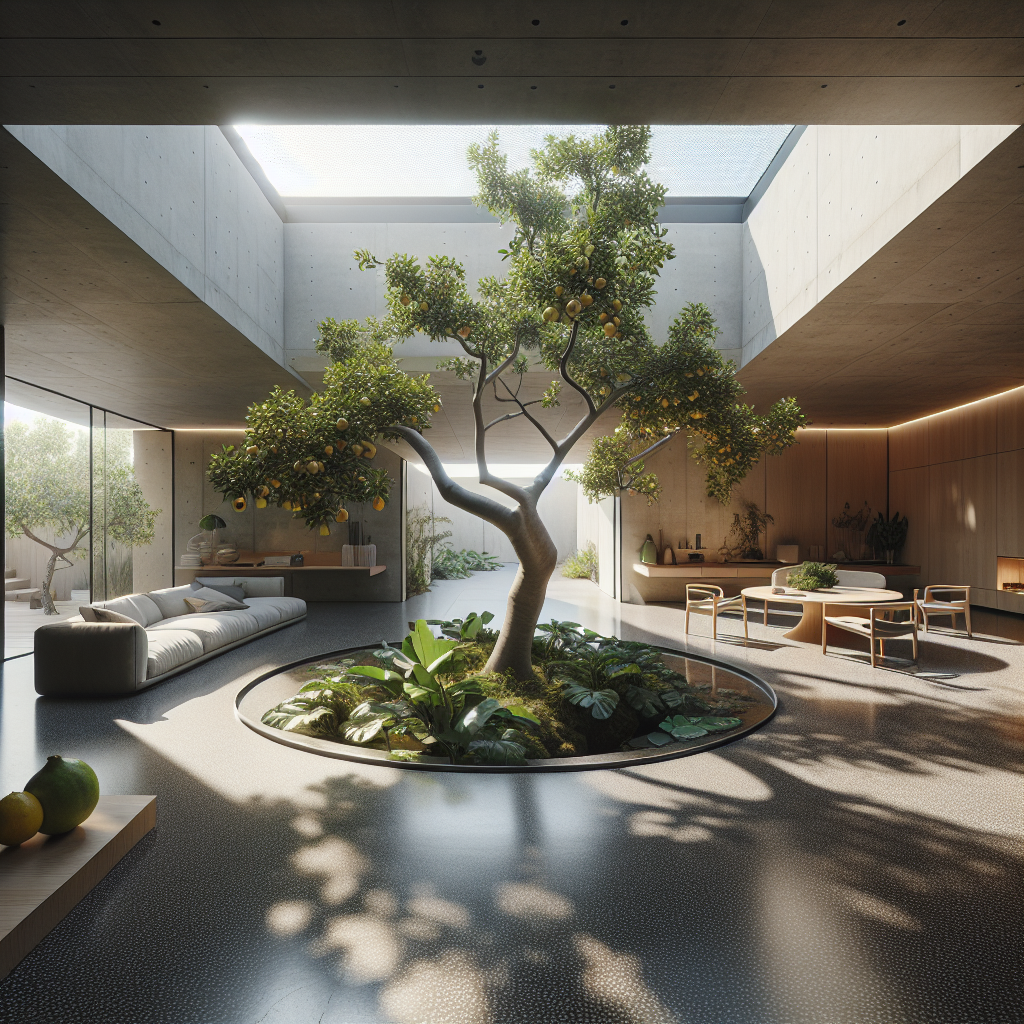
Once confined to sprawling estates and sun-drenched courtyards, fruit-bearing trees are now migrating indoors—becoming living sculptures that blur the line between architecture, horticulture, and art. In a design era increasingly defined by biophilic sensibilities and the pursuit of sensory well-being, the indoor orchard has emerged as a new emblem of cultivated luxury. From minimalist penthouses in Tokyo to rewilded lofts in Copenhagen, designers are reimagining the home as a micro-ecosystem—one that nourishes both body and mind.
From Ornament to Organism: The Rise of the Indoor Orchard
The concept of bringing nature indoors is hardly new. The ancient Romans cultivated atria filled with citrus trees, while Moorish palaces like the Alhambra featured perfumed courtyards where orange blossoms perfused the air. Yet the contemporary revival of indoor fruit trees transcends nostalgia. It reflects a deeper cultural shift toward biophilic design—a movement that prioritizes the integration of natural systems into built environments to enhance human health and creativity.
According to a 2024 report by the Global Wellness Institute, interiors incorporating living vegetation can reduce stress by up to 15% and improve cognitive performance by 26%. Designers are now taking this data a step further, integrating productive greenery—trees that yield edible fruit—into interior architecture. The result is a hybrid typology: part living room, part orchard, part art installation.
Designing with Edibility: Aesthetic and Functional Synergy
Unlike decorative houseplants, fruit-bearing trees introduce a multisensory dynamic. Their cyclical nature—budding, flowering, fruiting—infuses interiors with a temporal rhythm often absent in static spaces. The visual drama of a lemon tree’s glossy leaves and golden fruit can anchor a minimalist interior, while a fig tree’s sculptural branches complement the organic geometry of contemporary furniture.
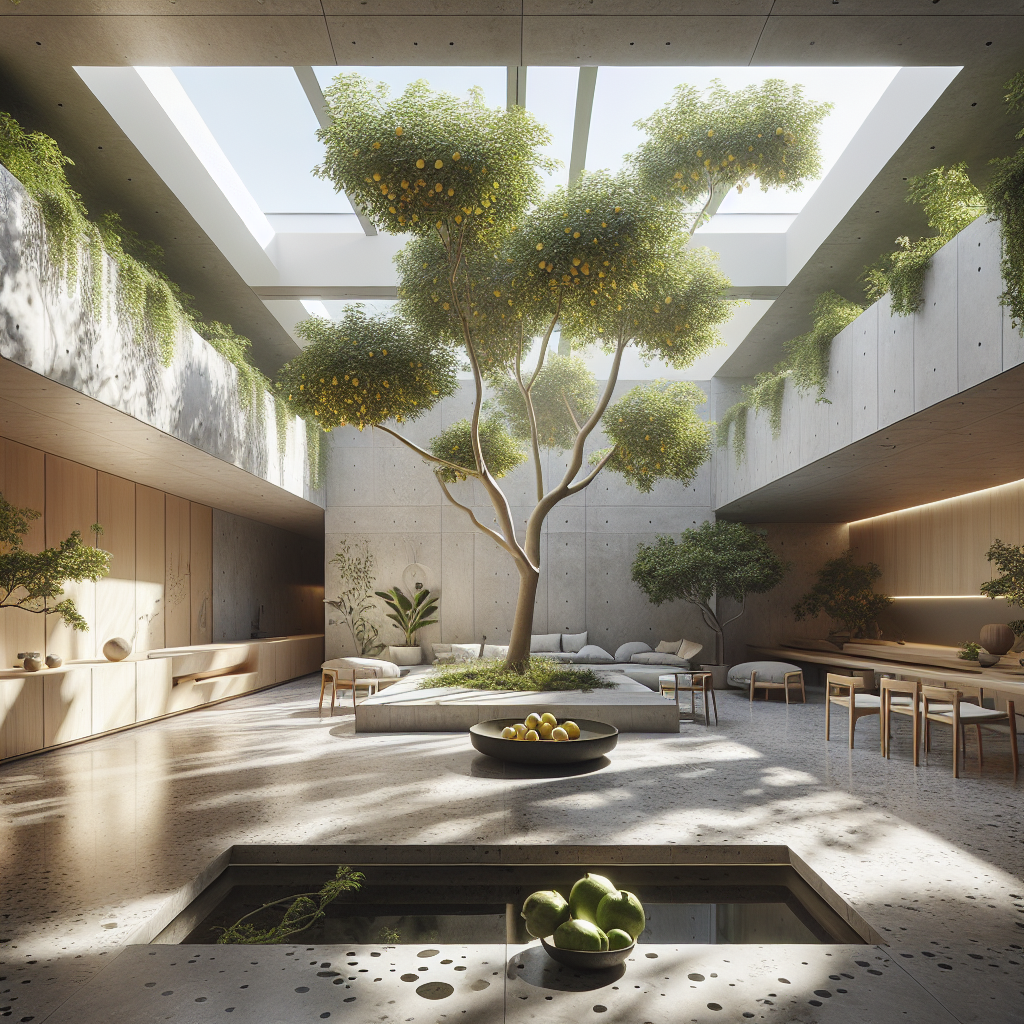
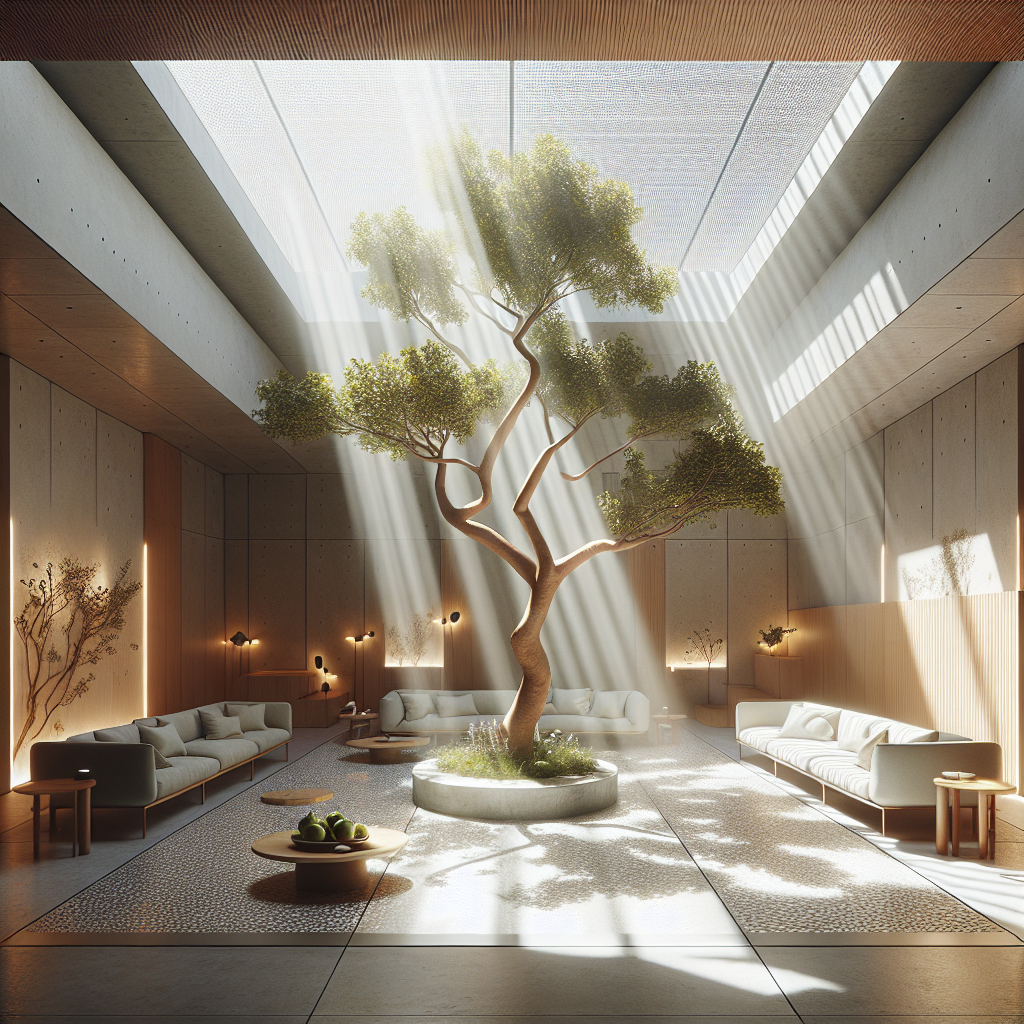
Architects are increasingly using these trees as structural punctuation—living columns that define zones within open-plan layouts. In Milan, Studiopepe’s recent renovation of a 19th-century apartment integrates a central pomegranate tree beneath a skylight, its branches filtering daylight like a natural chandelier. Similarly, in Los Angeles, a private residence by Olson Kundig features a dwarf citrus grove growing directly from a terrazzo floor, encased in a custom microclimate controlled by hidden sensors.
These interventions echo the principles of green architecture, yet they operate on a more intimate scale—inviting occupants to participate in the ecology of their own homes. The tree becomes a collaborator, not a decoration.
Technology Meets Nature: Controlled Ecosystems Indoors
Integrating fruit trees indoors requires more than aesthetic intent; it demands technical precision. Advances in smart home technology and hydroponic systems have made it possible to maintain optimal conditions for fruiting species year-round. Automated irrigation, humidity control, and LED grow lighting calibrated to mimic natural sunlight now allow designers to curate microclimates within apartments and offices.
“We’re essentially designing small-scale biospheres,” says Dutch architect Marieke van der Meer, whose studio specializes in climate-responsive interiors. “The challenge is balancing human comfort with botanical needs—ensuring the air remains breathable, the light flattering, and the tree productive.”
These innovations parallel developments in vertical farming and hydroponic agriculture, industries that have refined the art of soil-free cultivation. The same technologies that sustain lettuce in skyscraper farms are now being adapted for citrus, fig, and olive trees in private homes. The result is a new form of domestic agritecture—a fusion of architecture and agriculture that redefines what it means to live sustainably.
Material Dialogue: Integrating Trees into Architectural Space
When introducing living trees into interiors, material selection becomes critical. Designers must consider how wood, stone, and metal interact with organic growth. In Tokyo’s Shibuya district, architect Kengo Kuma’s “Indoor Orchard House” uses cedar latticework to diffuse light and moisture, creating a breathable envelope around a central persimmon tree. The result is a tactile interplay between natural materials and living matter—a dialogue between permanence and change.
Similarly, in Paris, Atelier Vime has transformed a Haussmannian apartment into a verdant retreat where a pair of espaliered lemon trees grow along a limestone wall. Their roots are housed in a concealed irrigation trough beneath reclaimed oak flooring, merging old-world craftsmanship with modern ecological sensibility. The project resonates with the growing appreciation for reclaimed materials and circular design practices, where sustainability is as much about emotional longevity as environmental responsibility.
Symbolism and Sensory Experience
Beyond their ecological and aesthetic functions, fruit trees carry profound symbolic weight. The olive tree, for instance, has represented peace and endurance since antiquity, while the fig evokes abundance and sensuality. Integrating these species into interiors adds layers of cultural and emotional meaning—transforming a living room into a narrative space.
The sensory dimension is equally compelling. The scent of citrus blossoms, the tactile pleasure of pruning, the quiet satisfaction of harvesting fruit from one’s own home—all contribute to a richer, more embodied experience of space. In this sense, the indoor orchard aligns with the broader movement toward wellness-oriented design, where interiors are conceived not merely as shelters but as environments that nurture holistic well-being.
Case Studies: Cultivated Interiors Around the World
In Copenhagen, the design collective Space10—known for its experimental approach to sustainable living—has prototyped a “Micro-Orchard Apartment,” where dwarf apple trees grow in modular planters integrated into furniture. The system uses recycled greywater for irrigation and doubles as a natural air purifier. Meanwhile, in Mexico City, architect Tatiana Bilbao’s “Casa Árbol” features a guava tree rising through a central void, its canopy visible from every level of the home. The design celebrates the tree as both a spatial anchor and a metaphor for growth.
These projects echo the spirit of biodegradable architecture and regenerative design—fields that view buildings as living systems capable of renewal and adaptation. They also suggest a future where food production, wellness, and aesthetics converge seamlessly within the domestic sphere.
The Future of Indoor Orchards: From Luxury to Lifestyle
While the integration of fruit-bearing trees remains a hallmark of high-end interiors, technological democratization is making the concept increasingly accessible. Compact cultivars such as Meyer lemons, calamondins, and dwarf figs thrive in containers, while new soil substrates and automated care systems reduce maintenance demands. The rise of modular indoor gardens—plug-and-play ecosystems designed for urban apartments—signals a shift from exclusivity to inclusivity.
In essence, the orchard within is not merely a design trend but a philosophical statement. It reflects a collective yearning for reconnection—with nature, with time, and with the sensory richness of everyday life. As cities grow denser and digital interfaces dominate our routines, the presence of a living, fruiting tree inside one’s home becomes an act of quiet resistance—a reminder that true luxury lies in growth, patience, and care.
Rooted in the Future
The movement toward indoor orchards underscores a broader redefinition of sustainability in design. It’s no longer enough for interiors to be energy-efficient or recyclable; they must also be alive. By integrating fruit-bearing trees into architectural space, designers are crafting environments that evolve, respond, and give back. These living centerpieces stand as symbols of a new design ethos—one that celebrates reciprocity between human and habitat.
As the boundaries between architecture and ecology continue to dissolve, the orchard within may well become the defining emblem of 21st-century domesticity: a living testament to the idea that beauty, nourishment, and sustainability can—and should—grow from the same root.
Keywords: indoor fruit trees, biophilic design, sustainable interiors, indoor orchard, fruit-bearing trees, wellness architecture, living design, eco-luxury interiors

Get the Mainifesto weekly — curated design debates, speculative ideas and the week's best articles every Saturday.