
High-desert dwellings moody: color palettes referencing local geology
High-Desert Dwellings, Moody: Color Palettes Referencing Local Geology
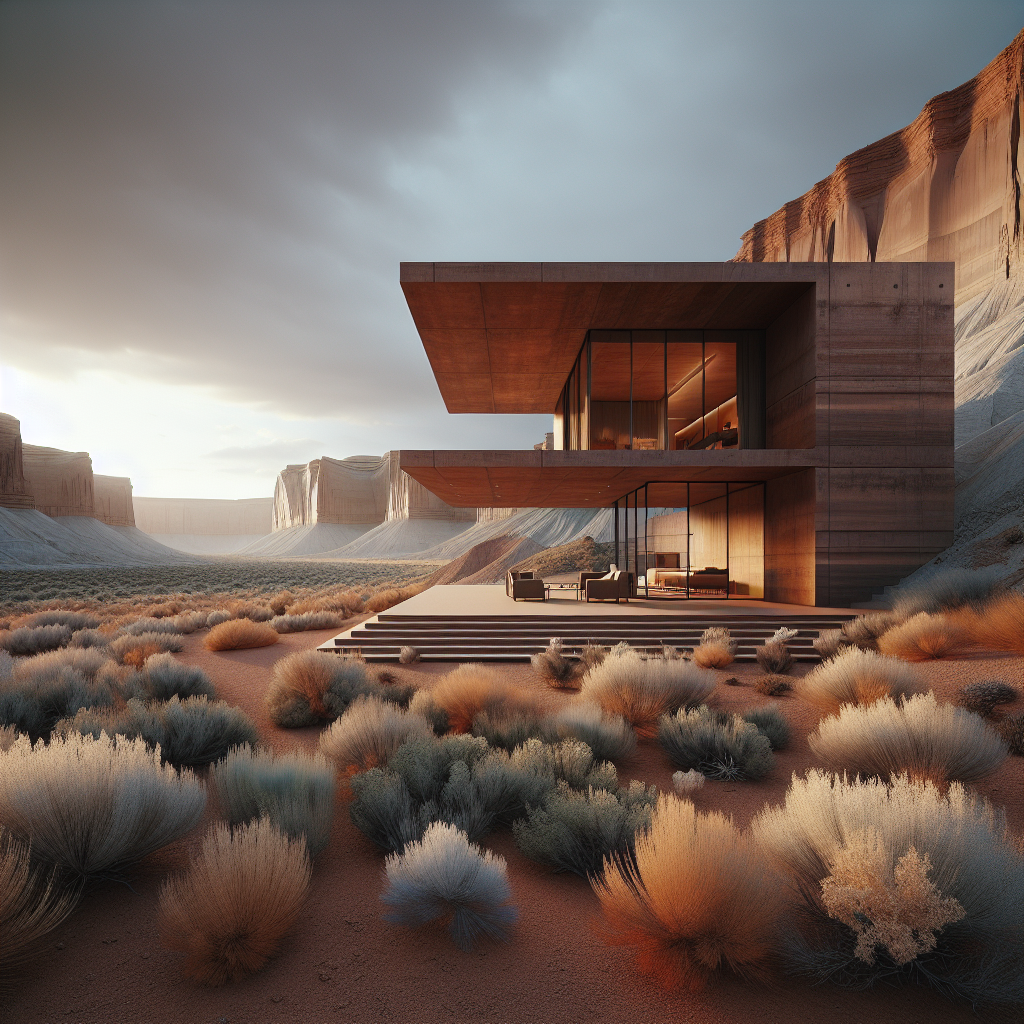
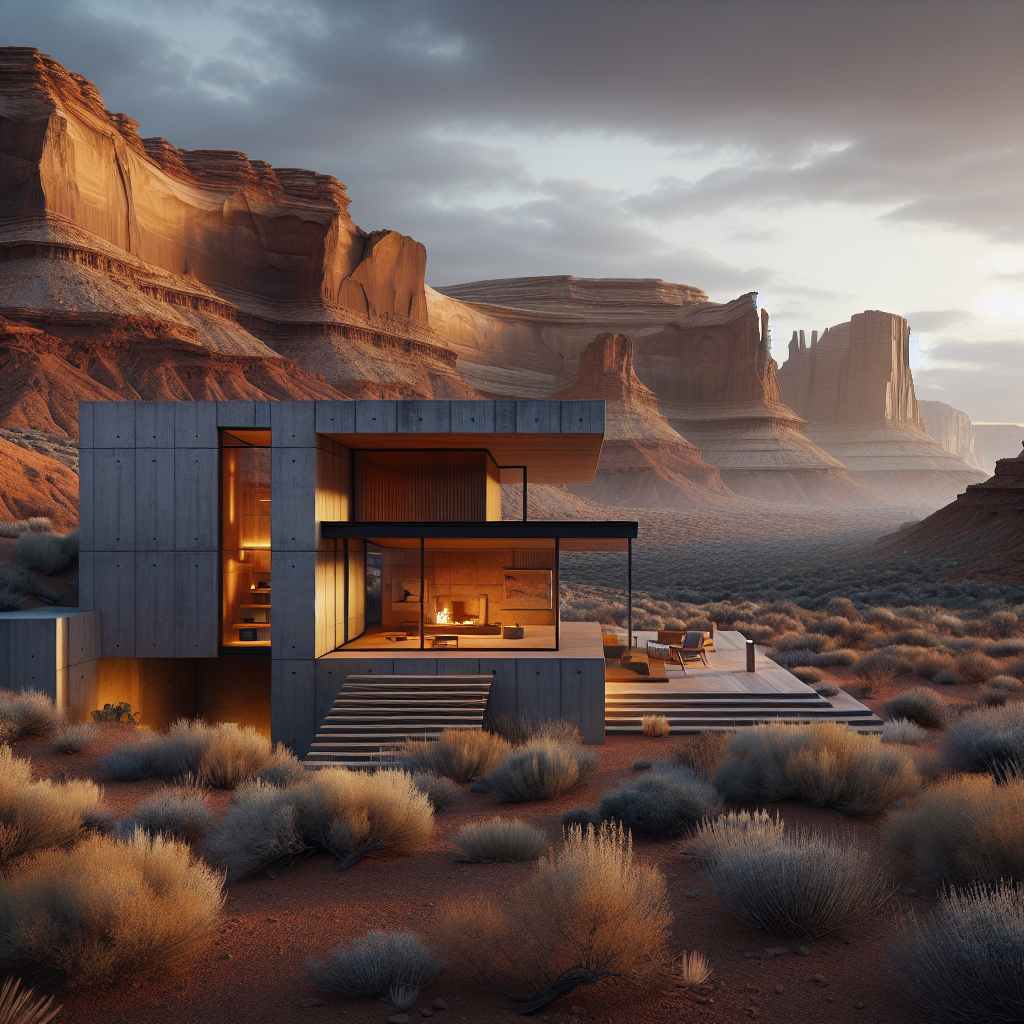
In the vast, wind-carved landscapes of the high desert, architecture is not merely built—it is unearthed. Each structure seems to rise from the earth itself, echoing the ochres, umbers, and silvery grays of the terrain. The contemporary movement toward moody desert dwellings—homes that draw their palette and materiality from the geology beneath them—marks a profound shift in how designers interpret place. No longer content with neutral minimalism or imported luxury, architects are embracing the raw, mineral intensity of the desert as a primary design language.
The Chromatic Language of the Desert
The high desert’s color story is not one of monotony but of subtle drama. Iron-rich soils bleed into sienna and rust; limestone cliffs fade to bone white; volcanic basalt forms deep, matte blacks that absorb light rather than reflect it. These tones, shaped by millennia of erosion and oxidation, are now inspiring a new architectural aesthetic—one that values geological authenticity over decorative artifice.
Architects working in regions such as New Mexico, Arizona, and the Atacama Desert are increasingly referencing the geology of the Southwestern United States as a chromatic framework. The result is a palette that feels both ancient and avant-garde: moody yet serene, muted yet monumental. Earth pigments—ochre, hematite, and clay—are being reinterpreted through contemporary materials like rammed earth, tinted concrete, and weathered steel.
Material Honesty and Geological Resonance
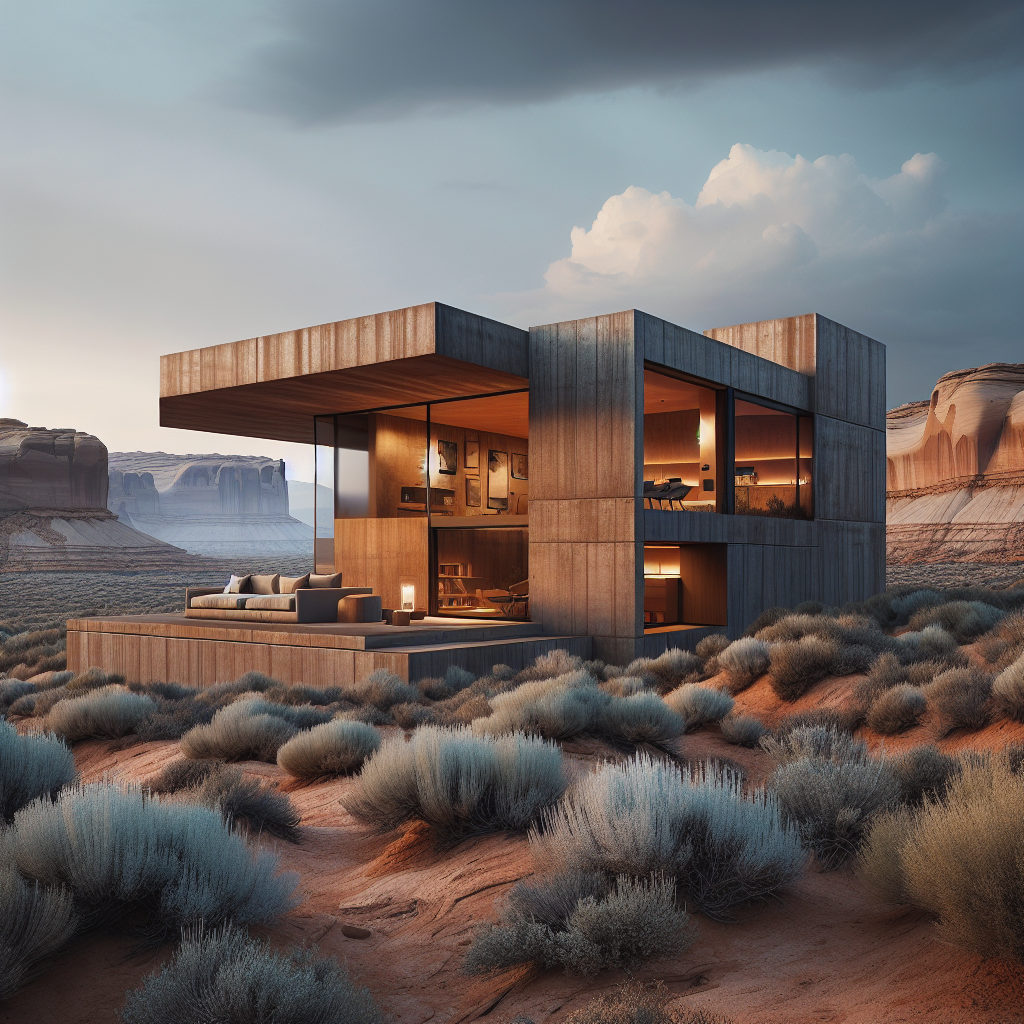
In high-desert architecture, color is inseparable from material. The desert’s geology dictates not only hue but texture, reflectivity, and even thermal performance. The resurgence of rammed earth construction—a technique that compresses layers of soil into solid walls—has become a tactile homage to stratified rock formations. The resulting surfaces display a natural gradient of tones, from pale sand to deep terracotta, mirroring the sedimentary layers visible in nearby cliffs.
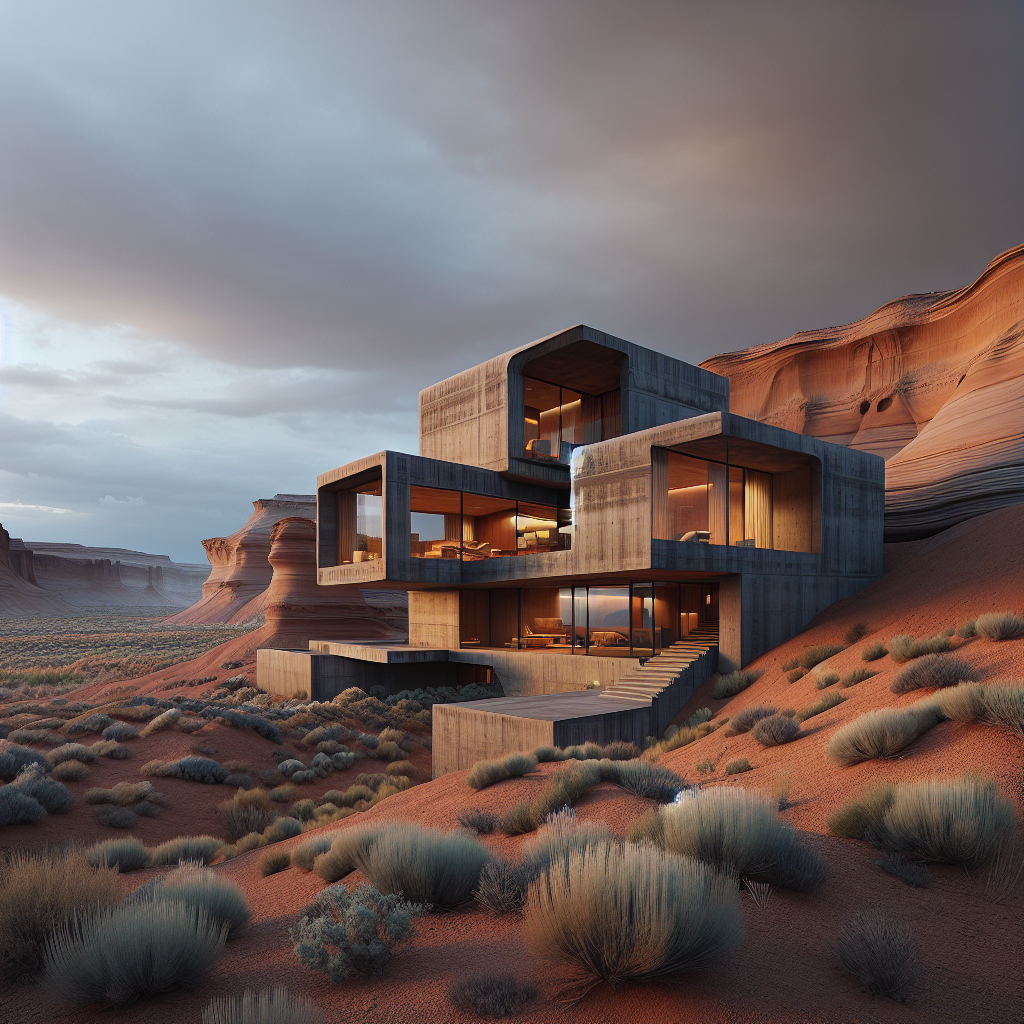
Projects like the Amangiri Resort in Utah and the Casa Caldera in Arizona exemplify this geological dialogue. Their facades, rendered in pigmented concrete and local stone, appear to dissolve into the surrounding mesas. The architecture becomes a chromatic echo of the landscape—a sculptural form that both absorbs and reflects the desert’s shifting light.
This approach aligns with the broader movement toward learning from ancient desert architecture, where color and material were not aesthetic choices but environmental necessities. The thermal mass of earthen walls, for instance, stabilizes interior temperatures, while their matte surfaces reduce glare under intense sunlight. Today’s designers reinterpret these principles through a modern lens, blending geological sensitivity with technological precision.
Moody Minimalism: The Emotional Palette
Beyond its physicality, the high-desert palette carries an emotional weight. The moody tones—charcoal, clay, ochre, and dusted mauve—evoke solitude and introspection. They invite stillness, a quality increasingly sought after in an overstimulated world. Interior designers are translating this atmosphere into spaces that feel grounded yet ethereal, using muted contrasts and textural layering to create depth without excess.
In interiors, color gradation becomes a tool for storytelling. Walls in soft sandstone tones transition into darker, mineral-rich floors, while ceilings adopt the pale hues of distant horizons. The result is an immersive chromatic experience that mirrors the desert’s atmospheric perspective. Furniture crafted from reclaimed wood, oxidized metal, and unglazed ceramics reinforces the sense of permanence and imperfection—a philosophy reminiscent of wabi-sabi aesthetics adapted to arid environments.
Technology Meets Terrain
Advancements in pigment technology and digital fabrication are expanding the possibilities of geological color application. Designers can now replicate the tonal complexity of natural stone using sustainable composites or digitally printed surfaces. For instance, 3D-printed earthen materials—similar to those explored in 3D-printed earthen architecture—allow for precise control over hue and texture, producing walls that mimic the striations of canyon rock while maintaining structural integrity.
Similarly, the integration of thermochromic materials—which change color with temperature—introduces a dynamic element to desert architecture. Facades subtly shift tone throughout the day, reflecting the fluctuating heat of the environment. This interplay between geology and technology underscores a growing design ethos: to build not against the desert, but with it.
Lighting the Landscape: Shadow as Color
In the high desert, light is not a neutral medium—it is a sculptor. The sun’s low angle and the terrain’s vast openness create a chiaroscuro effect that transforms surfaces throughout the day. Architects are increasingly designing with shadow as a chromatic element, using deep recesses, overhangs, and textured facades to modulate brightness and emphasize tonal contrast.
In some projects, lighting design mimics the desert’s natural rhythms. Warm, amber illumination evokes twilight’s diffuse glow, while cooler, silvery tones replicate moonlight reflecting off pale rock. This approach resonates with the growing field of chromatic harmony in architectural design, where color, light, and material are orchestrated to evoke specific emotional responses.
Geological Storytelling in Contemporary Practice
Across global desert regions—from the Mojave to the Negev—architects are using geology as both muse and material. In Chile’s Atacama Desert, for instance, the Atacama Desert’s copper-rich terrain inspires facades with metallic patinas that evolve over time. In Morocco, contemporary riads reinterpret traditional tadelakt plaster in volcanic hues, creating interiors that shimmer like mineral deposits under filtered light.
These projects signal a return to site-specific design—a philosophy that values the narrative of place over globalized aesthetics. The desert’s geology becomes a living archive, informing not only the palette but the spatial experience itself. Each wall, floor, and ceiling tells a story of erosion, sedimentation, and transformation, inviting occupants to inhabit the continuum between landscape and architecture.
From Earth to Emotion: The Future of Desert Chromatics
The rise of moody, geology-inspired palettes in high-desert dwellings reflects a broader cultural shift toward authenticity and ecological attunement. As climate-conscious design gains momentum, architects are rediscovering the wisdom embedded in the land. The desert, once seen as barren, now emerges as a model of restraint and resilience—a teacher in the art of doing more with less.
In this context, color becomes more than decoration; it becomes a cultural and environmental connector. By grounding design in the hues of the earth, architects are crafting spaces that resonate on both sensory and symbolic levels. These are homes that breathe with the land, absorbing its heat, reflecting its light, and echoing its timeless palette of stone and shadow.
As the architectural world continues to explore sustainable and emotionally intelligent design, the high desert stands as a reminder that the most profound inspiration often lies beneath our feet—layered, ancient, and quietly luminous.
Keywords: high-desert dwellings, moody color palettes, geological architecture, desert-inspired interiors, rammed earth design, site-specific architecture, sustainable color design
Get the Mainifesto weekly — curated design debates, speculative ideas and the week's best articles every Saturday.