
Styrofoam transformations experimental: prototypes in recycled polystyrene
Styrofoam Transformations Experimental: Prototypes in Recycled Polystyrene
In the ever-evolving dialogue between sustainability and design innovation, recycled polystyrene—commonly known as Styrofoam—has emerged as an unlikely protagonist. Once vilified as an environmental burden, this lightweight, insulative material is now being reimagined through experimental design and architectural research. Across studios, universities, and material labs, Styrofoam transformations are reshaping the boundaries of what recycled materials can achieve, giving rise to a new generation of experimental prototypes that blend ecological responsibility with avant-garde aesthetics.
The Rebirth of a Material Once Discarded
Polystyrene, a petroleum-based plastic, has long been a symbol of waste culture. According to the Wikipedia entry on polystyrene, global production exceeds 15 million tons annually, with a significant portion ending up in landfills or oceans. Yet, as circular design principles gain traction, designers are finding new ways to recycle and repurpose Styrofoam into structural and decorative elements that defy its humble origins.
This transformation is part of a broader shift toward circular economy design, where waste materials are treated as valuable resources. Through mechanical and chemical recycling processes, discarded polystyrene is shredded, melted, and reconstituted into new forms—ranging from architectural panels to sculptural furniture. The result is a material that retains its lightness and thermal properties while gaining newfound structural integrity and visual sophistication.
Experimental Prototypes: Where Science Meets Sculpture
In the hands of visionary designers, recycled Styrofoam becomes more than a sustainable substitute—it becomes a medium for experimentation. The “Styrofoam transformations experimental” movement is characterized by bold prototypes that explore the material’s textural and spatial potential. These projects often blur the line between architecture, art, and environmental activism.
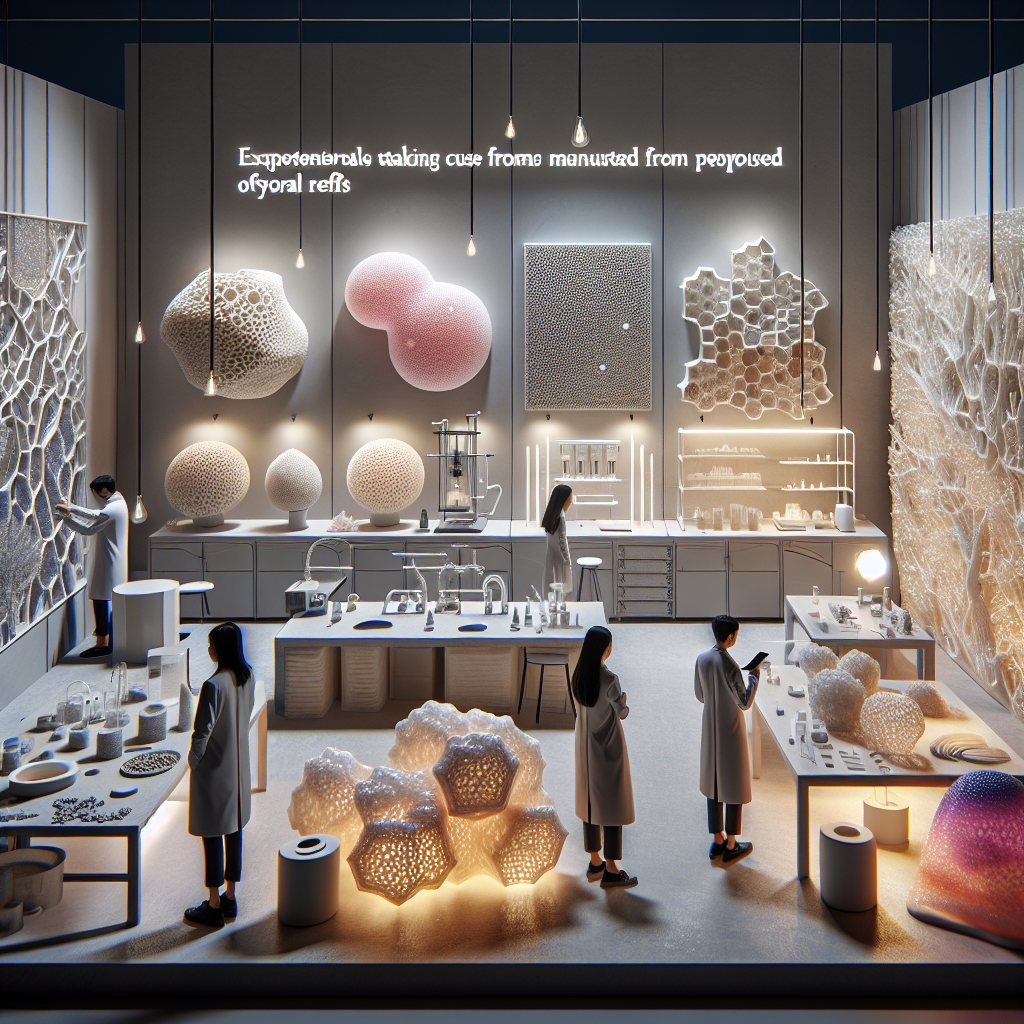
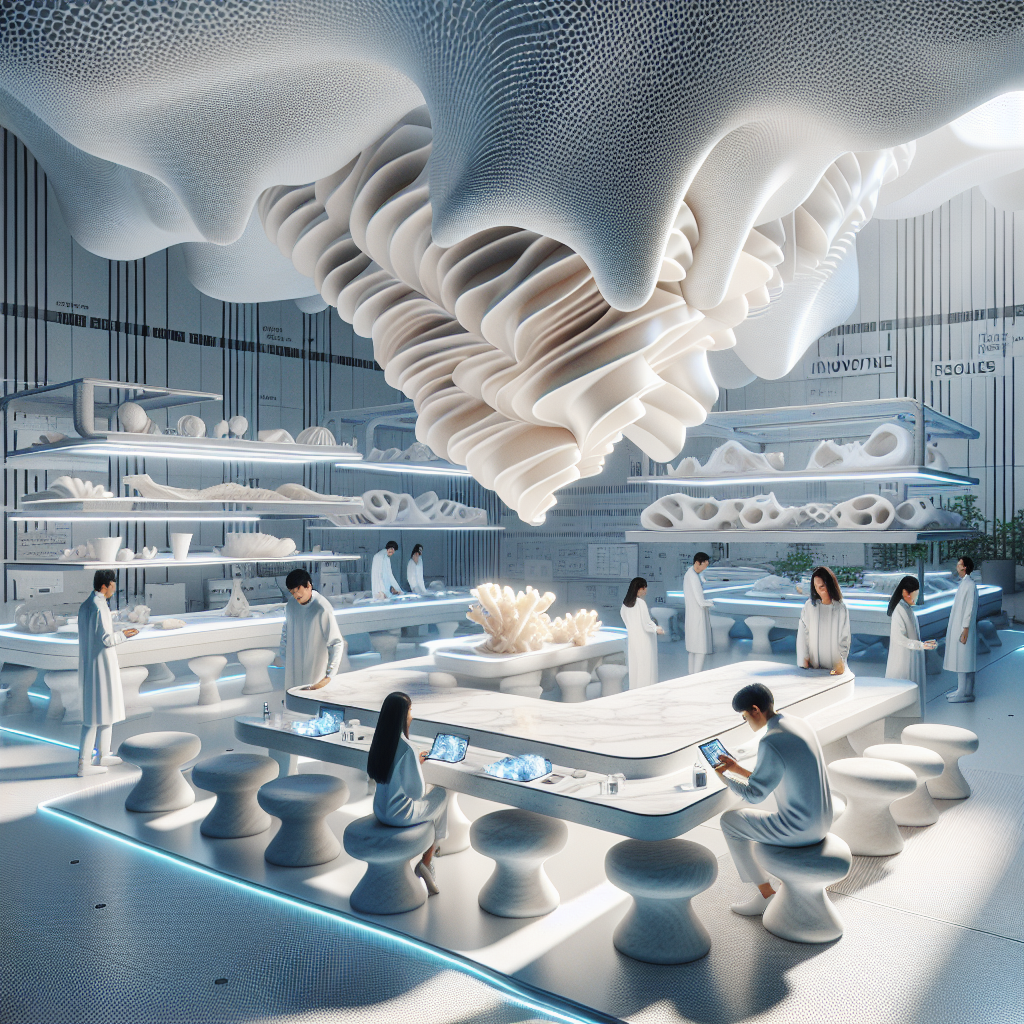
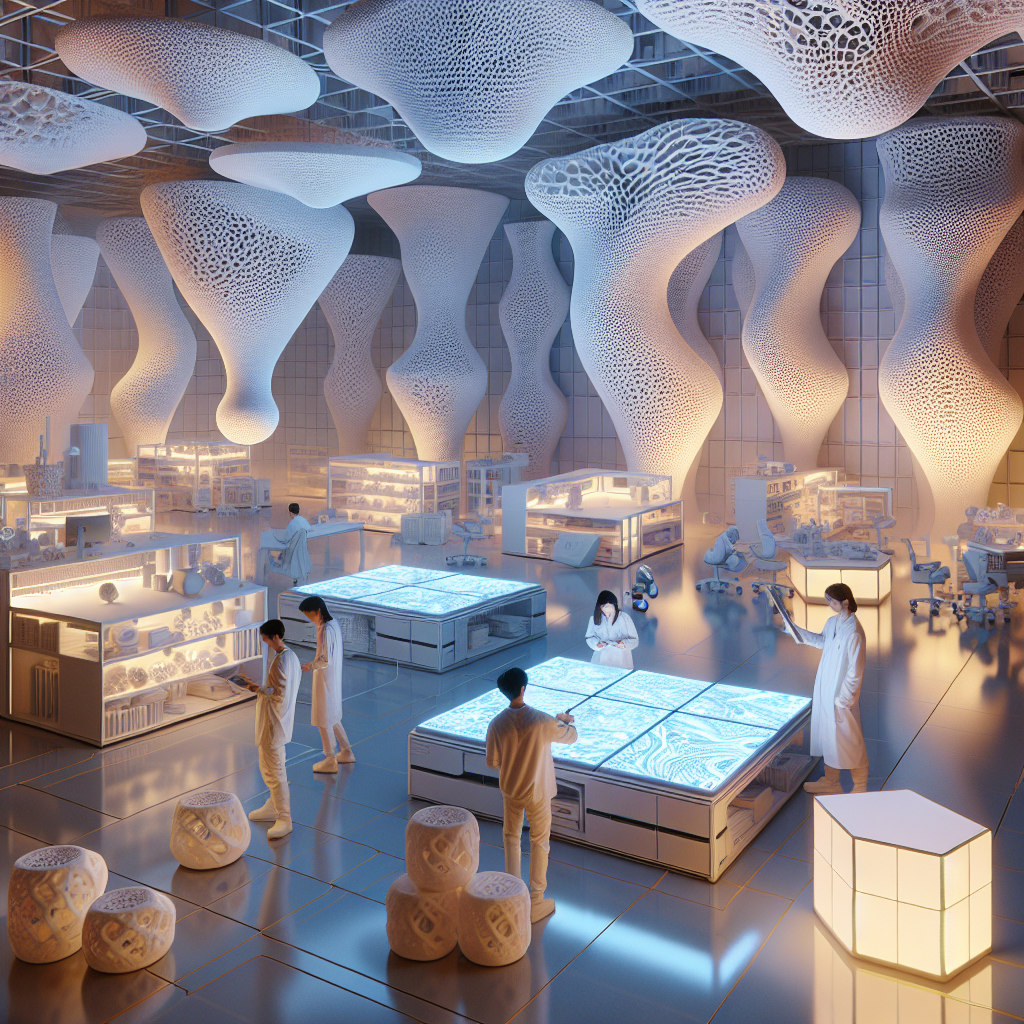
At the Bartlett School of Architecture in London, for instance, researchers have developed modular façade systems made entirely from recycled polystyrene foam. The panels, coated with bio-resins for durability, mimic the rippling geometry of coral reefs—an intentional nod to the ecosystems most affected by plastic pollution. Their porous, undulating surfaces diffuse light in mesmerizing ways, creating interiors that feel both organic and futuristic.
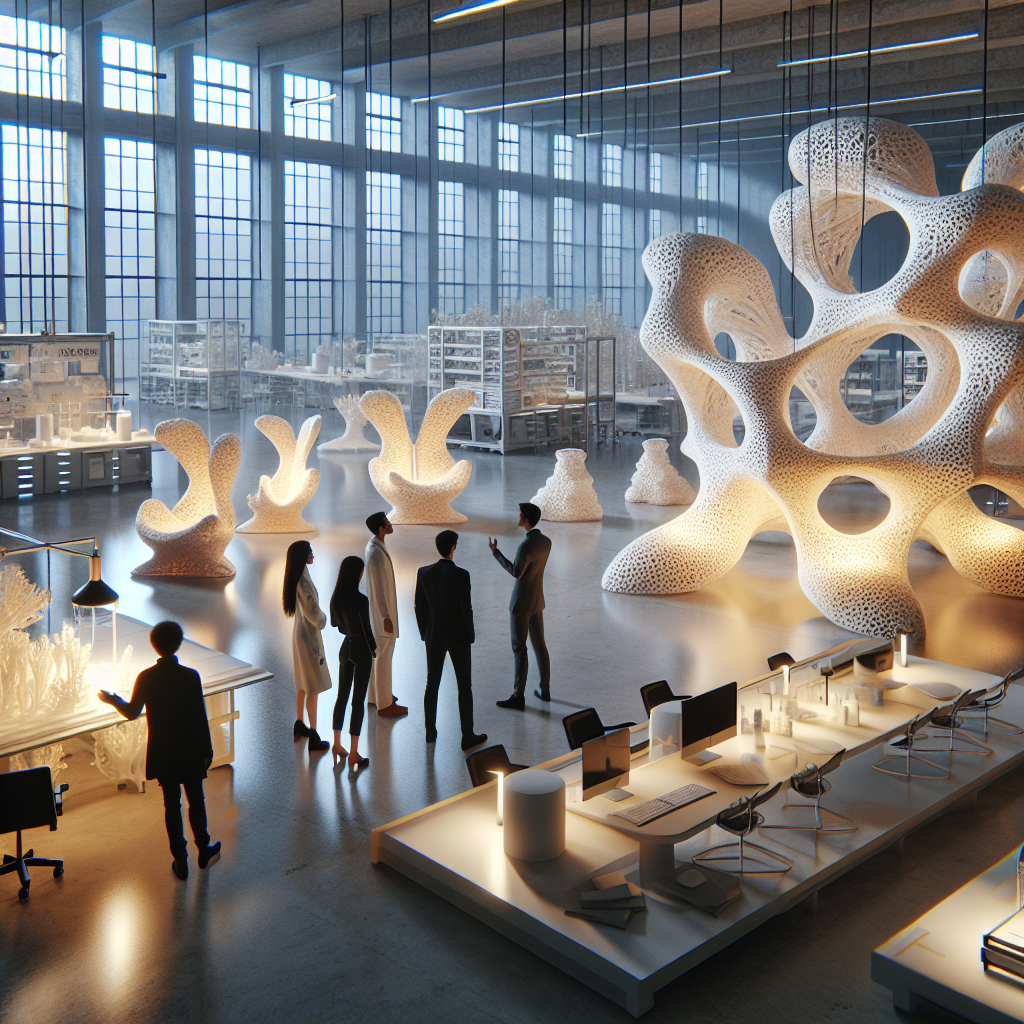
Similarly, Dutch studio The New Raw has pioneered a process of 3D-printing with recycled polystyrene granules, producing furniture that exhibits a marbled translucency reminiscent of onyx. Each piece tells a story of transformation: waste turned into an object of desire. This echoes the ethos of projects like reclaimed materials in design, where the aesthetic of imperfection becomes a statement of authenticity.
From Prototype to Practice: Architectural Applications
The architectural potential of recycled Styrofoam extends far beyond the conceptual. Its lightweight yet rigid nature makes it ideal for insulative panels, acoustic baffles, and temporary structures. In experimental housing projects across Europe and Japan, architects are using compressed polystyrene blocks as formwork for concrete casting—creating complex geometries that would be impossible with traditional molds.
In Tokyo, the experimental pavilion “Foamscape” by Atelier Bow-Wow demonstrates how recycled Styrofoam can serve as both structure and surface. The pavilion’s cloud-like forms—crafted from stacked and CNC-milled foam blocks—create a dreamlike environment that challenges perceptions of mass and void. The play of light across its dimpled surfaces evokes a sense of weightless monumentality, transforming an everyday material into a poetic architectural statement.
Meanwhile, in Copenhagen, the design collective MateriaLab has developed a series of acoustic wall panels made from compressed recycled polystyrene. The panels, shaped into rhythmic, wave-like patterns, absorb sound while reflecting light, merging functionality with sculptural beauty. Their work aligns with the growing movement toward biodegradable and sustainable architecture, proving that even non-biodegradable materials can find renewed purpose through intelligent design.
Material Alchemy: The Science Behind the Transformation
The transformation of Styrofoam into viable architectural material relies on advances in material science. Chemical recycling techniques, such as depolymerization, break down polystyrene into its base monomers, allowing it to be reconstituted without degradation of quality. This process, according to the Wikipedia article on plastic recycling, can reduce carbon emissions by up to 75% compared to virgin production.
Designers are also experimenting with hybrid composites—mixing recycled polystyrene with natural fibers like hemp or cellulose to enhance strength and reduce brittleness. The resulting materials are not only more durable but also visually compelling, with striated textures that recall geological formations. These innovations are pushing recycled Styrofoam from the periphery of design into the mainstream of sustainable material development.
Visual Language: The Aesthetics of Reuse
Beyond its environmental benefits, recycled Styrofoam introduces a new aesthetic vocabulary to contemporary design. Its granular surface, subtle translucency, and capacity for intricate carving lend it a tactile richness that contrasts with the sleek uniformity of industrial materials. In interiors, designers are embracing this raw tactility to create spaces that feel both futuristic and grounded.
In Milan’s design scene, several studios showcased installations made from reconstituted polystyrene during Salone del Mobile 2024. One standout piece, a freestanding partition resembling frozen smoke, demonstrated how the material can evoke lightness and impermanence—qualities rarely associated with plastic. Its semi-translucent layers caught and refracted light, transforming the surrounding space into a luminous cocoon.
This aesthetic of transformation resonates with the principles of biophilic design, which seeks to reconnect humans with natural processes. Recycled Styrofoam, when shaped into organic, flowing forms, becomes a metaphor for regeneration—an artificial material reborn into something resembling nature.
Challenges and Ethical Considerations
Despite its promise, the use of recycled polystyrene in architecture raises important questions. The material’s long-term durability, fire resistance, and off-gassing potential remain subjects of ongoing research. Furthermore, the recycling infrastructure for expanded polystyrene (EPS) is still limited in many regions, meaning that large-scale adoption will require systemic change.
There is also an ethical dimension to consider: how do designers ensure that the aestheticization of waste does not obscure the environmental damage caused by its production? The most forward-thinking projects address this tension head-on, using transparency and storytelling as design tools. By revealing the origins of their materials—sometimes even embedding QR codes that trace the waste’s journey—designers invite users to engage critically with the lifecycle of objects.
Future Directions: Toward a New Material Consciousness
The resurgence of Styrofoam as a design material reflects a broader cultural shift toward material consciousness. In a world increasingly defined by scarcity and environmental urgency, the ability to see potential in the discarded is becoming a defining trait of contemporary design practice. Recycled polystyrene prototypes exemplify this mindset: they are not just experiments in form, but acts of reparation and reimagination.
As the boundaries between art, architecture, and environmental science continue to blur, the next frontier lies in hybrid systems—where recycled materials interact with living or responsive components. Imagine façades that combine recycled foam with moss-based biocoatings, or acoustic panels that integrate biodegradable binders. These speculative visions echo the spirit of innovation seen in projects like sand printing technology in architecture, where experimentation becomes a pathway to sustainability.
Ultimately, the story of Styrofoam’s transformation is one of redemption. It challenges designers to rethink not only materials but also values—to see beauty in the overlooked, resilience in the fragile, and potential in the wasteful. In doing so, it redefines what it means to build responsibly in the 21st century.
The future of design may well depend on such radical acts of reinvention—where the discarded becomes the desired, and the experimental becomes the essential.
Published on 12/03/2025
Get the Mainifesto weekly — curated design debates, speculative ideas and the week's best articles every Saturday.