
Cloister-like corners monastic: minimalism in the city
Cloister-like Corners: Monastic Minimalism in the City
In an age defined by overstimulation, the quiet geometry of monastic minimalism has re-emerged as an antidote to urban chaos. Across the world’s densest metropolises—from Tokyo to Milan, New York to Copenhagen—architects and interior designers are rediscovering the power of cloister-like corners: intimate, contemplative spaces that evoke the spiritual restraint of medieval monasteries while addressing the sensory overload of contemporary city life. This aesthetic, once rooted in asceticism, now represents a new form of urban luxury—one that values silence, light, and proportion over ornamentation and spectacle.
The Return of the Cloister: Minimalism as Urban Refuge
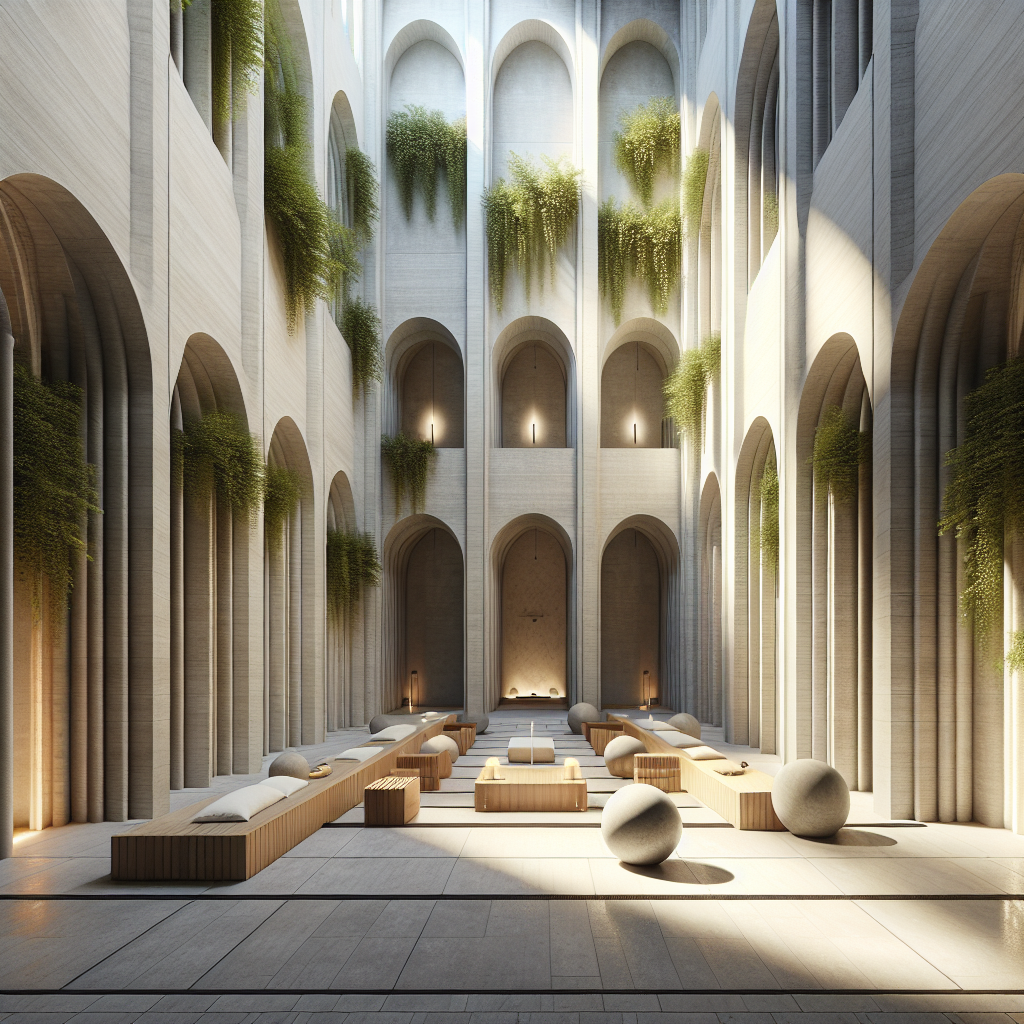
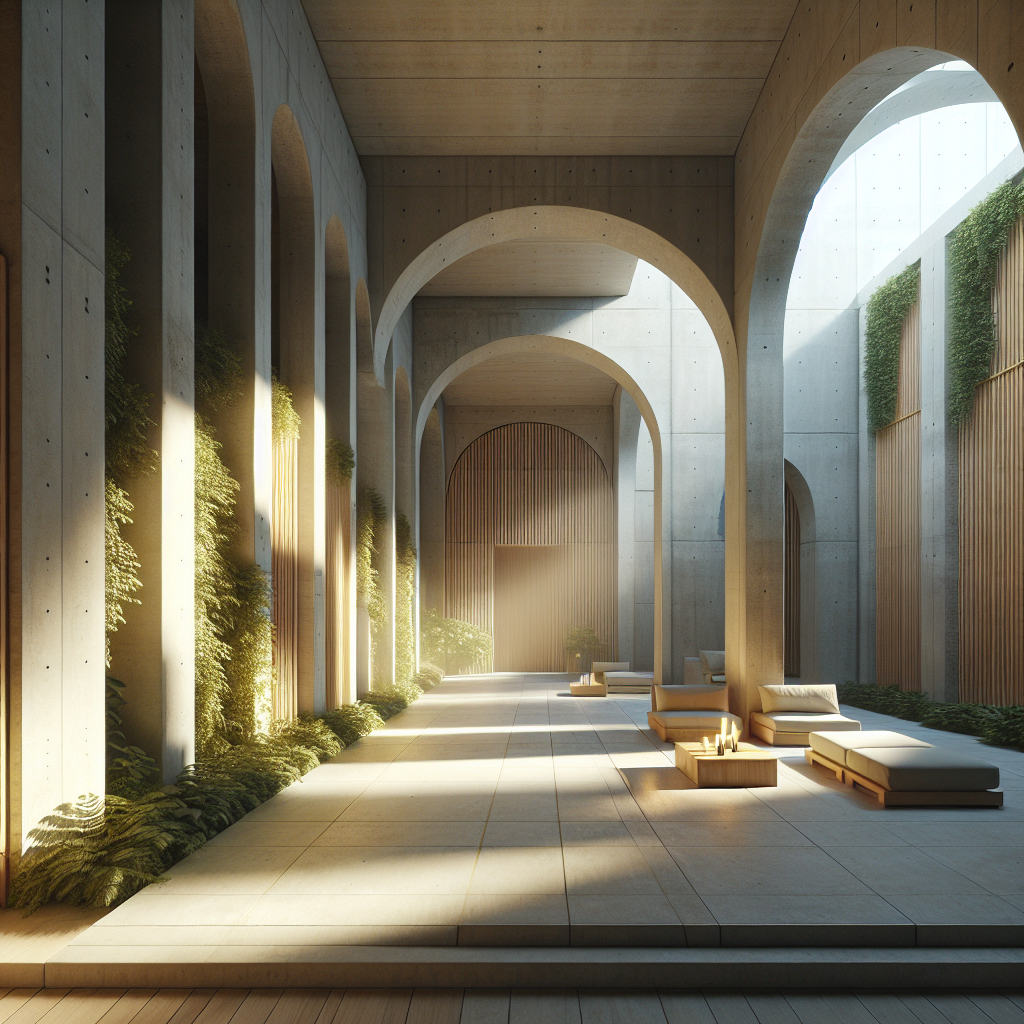
The cloister—a covered walkway surrounding a courtyard in monastic architecture—was historically designed as a meditative threshold between the sacred and the everyday. Its rhythm of arches, shadow, and enclosure offered monks a physical manifestation of spiritual order. Today, that same architectural language is being reinterpreted in residential and commercial projects seeking serenity within the city’s relentless pace.
Architects such as John Pawson, Tadao Ando, and Vincent Van Duysen have long explored this lineage of restraint. Their work translates monastic clarity into urban typologies: concrete apartments softened by diffused daylight, boutique hotels that feel like sanctuaries, and galleries that whisper rather than shout. The appeal lies not in nostalgia but in psychological recalibration—a spatial therapy for overstimulated minds.
In Pawson’s “Nový Dvůr Monastery” in the Czech Republic, the balance between austerity and warmth is achieved through material honesty: limewashed walls, pale oak, and the rhythmic play of daylight. The same sensibility now finds expression in urban interiors—micro-apartments, co-working spaces, and cafés that borrow the cloister’s calm to foster mindfulness and focus.
Urban Monasticism: The Aesthetic of Restraint
Minimalism in the city has evolved beyond the sterile white boxes of the 1990s. The new wave of urban monastic design integrates tactility, imperfection, and natural light to create spaces that feel lived-in yet disciplined. This approach aligns with the wabi-sabi philosophy of beauty in imperfection and transience, but it also draws from Western monastic traditions of order and repetition.
In contemporary practice, the cloister-like corner is not necessarily a literal architectural feature but a spatial attitude. It might be a recessed reading alcove in a bustling apartment, a softly lit meditation niche in a corporate lobby, or a quiet bench tucked behind a vertical garden. These spaces are designed to slow time, inviting pause and introspection amid the city’s kinetic rhythm.
Recent data from the American Institute of Architects (AIA) shows a 37% increase in demand for “quiet zones” and “wellness-oriented interiors” in urban projects since 2021—a reflection of post-pandemic shifts toward introspection and well-being. The cloister, once a symbol of withdrawal, now becomes a tool for reconnection—with self, space, and light.
Material Silence: The Palette of Contemplation
Monastic minimalism thrives on material authenticity. Surfaces are left unadorned, textures are celebrated, and light becomes the primary ornament. Architects are increasingly turning to tactile, sustainable materials—lime plaster, rammed earth, reclaimed wood, and brushed stone—to evoke the quiet dignity of ancient monasteries while aligning with modern ecological imperatives.
This material restraint resonates with the growing movement toward reclaimed materials and circular design principles. The muted palette—chalky whites, soft greys, and natural browns—absorbs rather than reflects attention, allowing the mind to rest. As the Japanese architect Kengo Kuma once noted, “Silence is not the absence of sound, but the presence of calm.”
Lighting plays a crucial role in this aesthetic. Instead of harsh overhead fixtures, designers favor indirect illumination—hidden LEDs tracing architectural edges, clerestory windows filtering daylight, or candle-like sconces casting gentle shadows. The result is a choreography of light and darkness reminiscent of the Romanesque cloisters that inspired the movement.
Case Studies: Modern Cloisters in the Urban Fabric
In London, the “House of Silence” by Studio McLeod transforms a narrow Victorian terrace into a meditative retreat. The architects removed visual clutter, introduced a central courtyard, and wrapped the interiors in pale timber and linen. The result is a domestic cloister—a sanctuary that breathes amid the density of Islington.
In Tokyo, Keiji Ashizawa’s “Kinuta Terrace” reimagines apartment living through spatial rhythm and restraint. Sliding screens, soft natural light, and a palette of oak and concrete create a sense of monastic calm that feels profoundly urban. Similarly, in Antwerp, Vincent Van Duysen’s “August Hotel”—a former convent—preserves the spiritual aura of its past while embracing contemporary comfort. Its cloistered garden and vaulted corridors invite guests to inhabit silence as a form of luxury.
These projects echo the broader trend toward biophilic design, where nature and architecture intertwine to promote well-being. The cloister, after all, was an early biophilic model—an inward-facing garden surrounded by shelter, balancing exposure and protection. Today’s urban monastic spaces reinterpret that equilibrium through indoor courtyards, vertical greenery, and filtered daylight.
Monastic Minimalism and the Digital Age
In a world dominated by screens, the appeal of tactile, analog environments has never been stronger. The rise of AI in architecture and smart-home automation paradoxically amplifies the desire for spaces that feel timeless and human. The cloister-like corner becomes a counterpoint to digital saturation—a place where technology recedes and sensory awareness returns.
Designers are experimenting with hybrid solutions: acoustic panels that double as sculptural elements, natural ventilation systems inspired by ancient monasteries, and adaptive lighting that mimics the sun’s diurnal rhythm. These innovations align with the global push toward net-zero energy buildings, merging spiritual minimalism with environmental responsibility.
As cities densify, the need for personal sanctuaries intensifies. The monastic aesthetic—once associated with isolation—now represents mindful engagement. It is less about retreating from the world and more about creating spaces that enable clarity within it.
The New Urban Cloister: Designing for Stillness
Across architecture, interior design, and urban planning, the notion of the urban cloister is reshaping how we think about density and solitude. Developers are integrating “slow zones” into residential towers, while co-working brands are introducing “focus pods” inspired by monastic cells. Even public libraries and museums are adopting cloister-like layouts—courtyards, arcades, and enclosed gardens—to encourage contemplation in communal settings.
These shifts reflect a deeper cultural yearning for stillness as sophistication. In the 2020s, luxury is no longer defined by opulence but by the quality of silence, light, and proportion. The cloister-like corner becomes a spatial manifesto for the modern city: a place where architecture restores balance, where emptiness holds meaning, and where design transcends decoration to become a form of meditation.
As we move further into an era of environmental urgency and digital immersion, the lessons of monastic architecture feel newly relevant. The cloister teaches us that minimalism is not absence—it is presence distilled. In the heart of the city, that lesson feels nothing short of sacred.
Keywords: monastic minimalism, cloister-like design, urban sanctuary, minimalist architecture, contemplative interiors, architectural minimalism, urban refuge, biophilic design, sustainable architecture, modern cloisters
Published on 12/01/2025


Get the Mainifesto weekly — curated design debates, speculative ideas and the week's best articles every Saturday.