

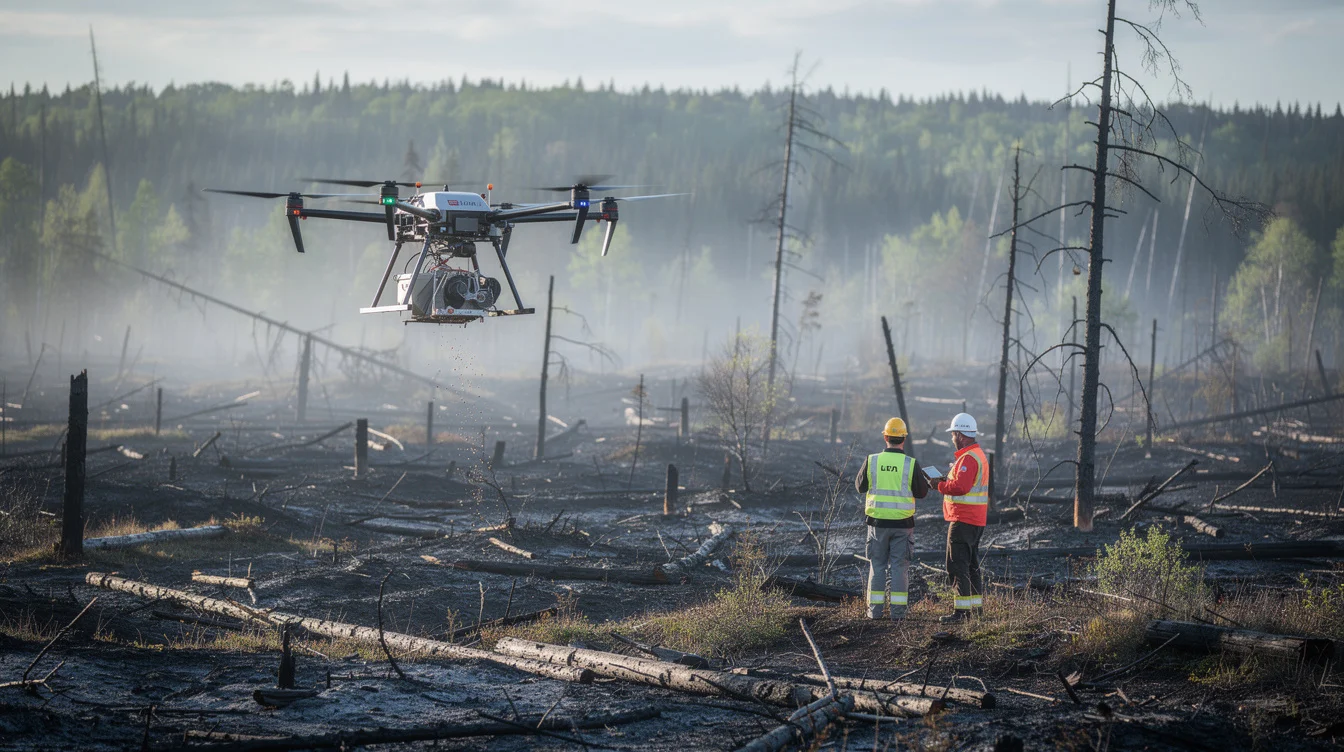
Flash Forest’s drones promise rapid reforestation. But forests must be
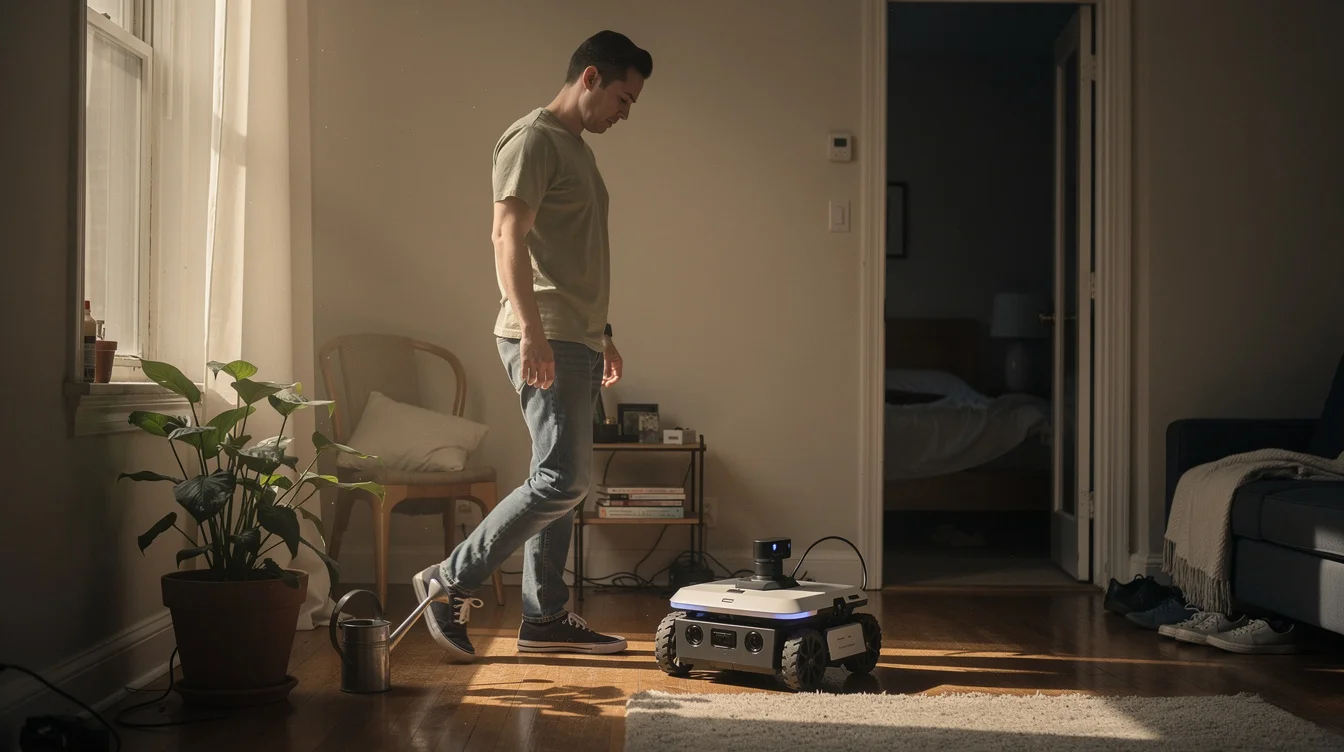
Tuesday Labs’ Voxel mixes autonomy with teleoperation. The real design

When a Building Model Knows Too Much
BIM can document everything—but who pays for the data? The case for richer building knowledge, and against information demands that consume design time.
A Car That Can Fly—but Where Should It Be Allowed To?
Tesla’s flying Roadster concept challenges the street itself. What safeguards could turn a spectacular stunt into predictable, accountable mobility?
Would You Trust a Cookie Made from Plastic Waste?
NASA-backed µBites turns waste into food. Can a 3D-printed cookie earn trust through design, transparent processing and credible safety evidence?
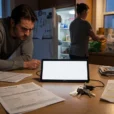
A Smarter Home Still Needs Someone to Run It
Apple’s HomeView promises less household chaos. But can a smart-home display share domestic responsibility—or just give its manager another dashboard?
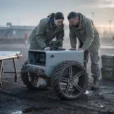
Airless Wheels and the Ethics of Dual-Use Design
Arkan’s airless wheels can evacuate casualties or move ammunition. Can designers claim humanitarian value without owning their role in sustaining combat?
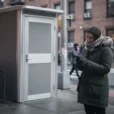
A Public Toilet Should Not Need a User Journey
New York’s app-based public toilets test a basic civic promise: immediate, dignified access. What must work when a phone, account, or network fails?

Does Outdoor Play Need an AI Interface?
Freckle’s AI children’s phone promises outdoor discovery. Can digital prompts open up the world without crowding out boredom and self-directed play?
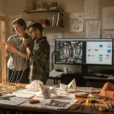
Gaudí Without Gravity? The Test for AI Design Education
An AI course and competition developed with the Antoni Gaudí Foundation raises a hard question: should architectural training reward images or buildable logic?