

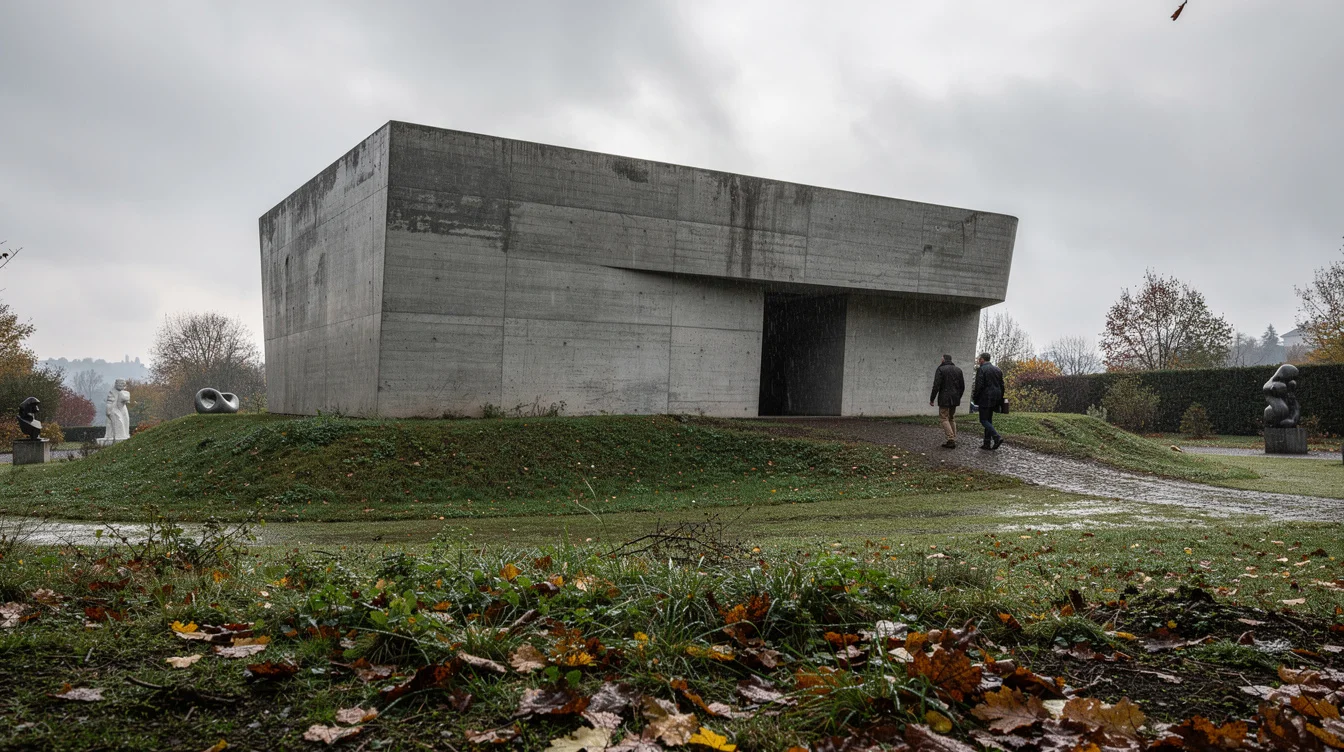
Chipperfield’s pavilion for one Kiefer painting sharpens a cultural dilemma:
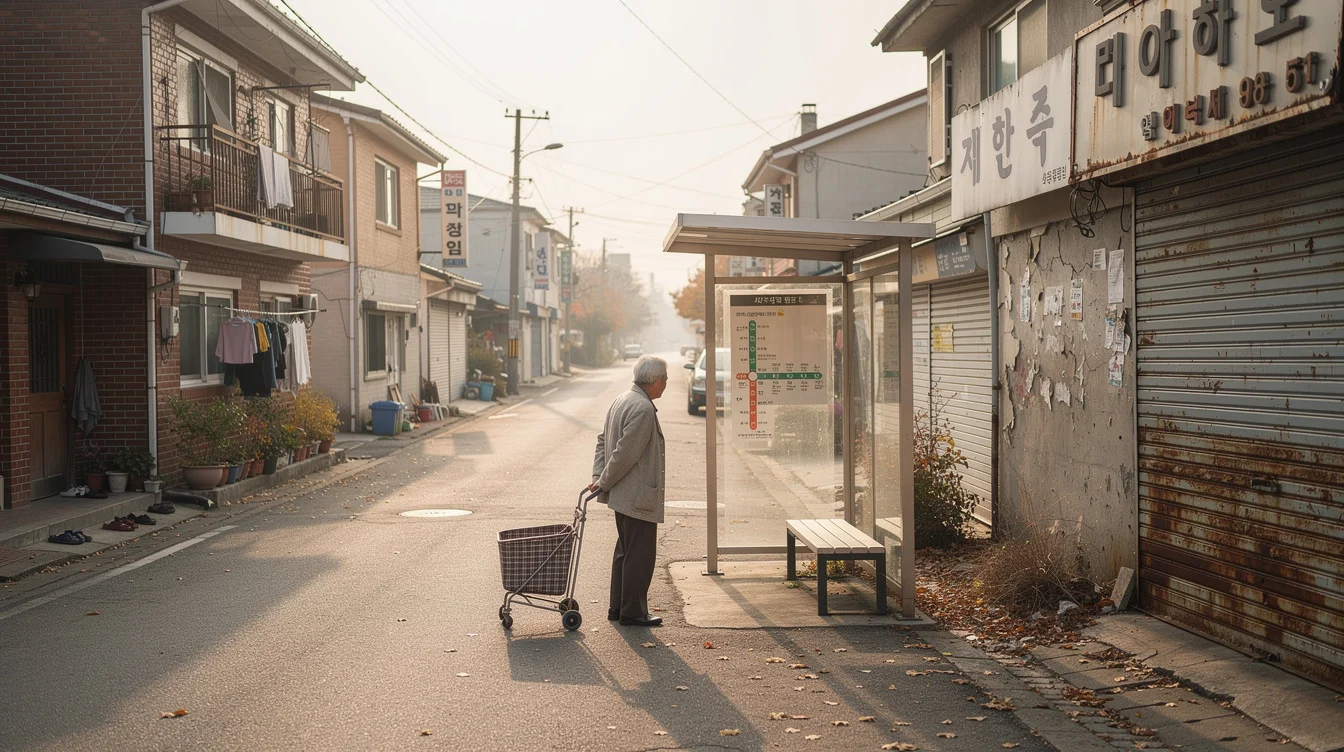
Korea’s planned 2027 Venice pavilion confronts urban shrinkage. Can cities

When Heritage Has to Deliver Clean Water
Can India's stepwell restoration serve residents without sacrificing heritage? The battle is over water safety, historic fabric and who gets to decide.

How Do You Design a Temporary Home for an Uncertain Future?
Office for Future’s Ukrainian school conversion tests whether emergency shelter for 42 displaced families can become a dignified home if return takes years.
A Fire-Resistant House Still Needs a Rescue Plan
Cathedral House’s wildfire rescue exposes the gap between fire-resistant design and construction-site safety. What should resilience claims disclose?
A House for Sale, but Not Its Place | Glenn Murcutt
Glenn Murcutt’s vineyard pod is for sale without its land. Does relocation preserve architecture—or turn place-responsive design into a collectible?

Who Remains Responsible When Waste Becomes Landscape?
Fresh Kills’ transformation into parkland exposes a hard question: can public space repair a waste landscape without burying its environmental obligations?

Who Designs the Exit Plan for a Megaproject?
Neom Stadium’s reported shelving exposes a World Cup planning gap. Should megaprojects require fallback venues, phased investment and exit plans?

Can a Replacement Building Inherit an Original’s Identity?
Tokyo’s Yaesu Daibiru redevelopment asks whether Togo Murano’s ideas can survive replacement—and what architectural inheritance leaves behind.
Can Bio-Based Building Be Ordinary Enough to Be Affordable?
Museum Vonk puts affordable bio-based construction on trial. Can hempcrete compete once labour, procurement and specialist expertise enter the bill?